

A First-Time Yacht Trip Without the Millionaire Price Tag
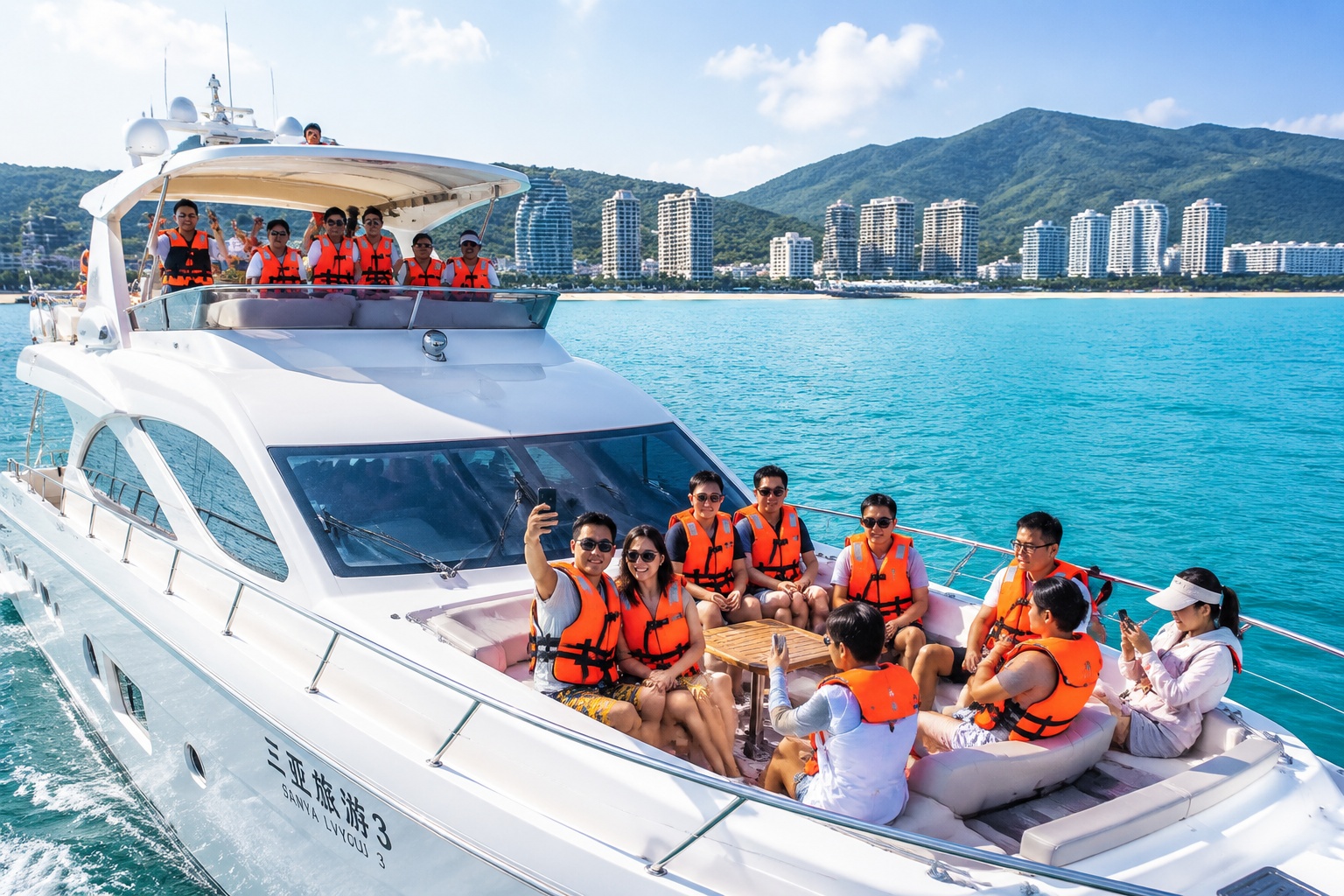
Li Wei, a 28-year-old office worker from Chengdu, had never been on a private boat. When he arrived in Sanya, a tropical city on the southern tip of Hainan Island, he was curious about the yachts anchored in the harbor. But he assumed they were out of reach. Then he saw a promotional poster for a “shared yacht” experience. The price: 288 yuan (about $40) for a three-hour afternoon cruise.
That’s less than he usually spends on a weekend dinner. Li booked through a mobile app and showed up at the marina the next day. He joined a group of nine strangers — families, students, and two retired women from Shanghai. The boat was clean, with cushioned benches and shaded areas. A young captain introduced the safety equipment and explained the route. Within ten minutes, the boat was cruising past clusters of other yachts toward open water.
“I felt like I was part of a travel commercial,” Li said with a laugh. “The water was almost transparent, and the feeling of the wind on your face was priceless.”
Why Sanya’s Yacht Scene Boomed
Ten years ago, a yacht ride in Sanya was reserved for celebrities and business tycoons. A private charter could cost 8,000 to 20,000 yuan per hour. Today, you can find seats for under 200 yuan per person in the low season. The change didn’t happen by accident.
Hainan has been a special economic zone since 1988 and became a free trade port in 2018. One of the policies was to remove import duties on yachts. That made vessels cheaper to buy. Local authorities also simplified the registration process, so more companies started operating yachts. The number of yachts in Hainan grew from around 150 in 2010 to over 1,500 by 2023, according to the Hainan Maritime Safety Administration.
But the real game-changer was a business model that borrowed ideas from ride-hailing and co-working spaces. Instead of selling the entire boat, operators sell berths. It’s a bit like sharing a table at a high-end restaurant. Customers get the experience at a fraction of the private cost, and operators keep their docks busy.
The Shared-Yacht Model Explained
Here’s how it works in practice. The day is divided into three or four time slots, usually 3 hours each. The morning slots are reserved for more adventurous routes. Afternoon slots are popular for sunset views. Each slot can carry up to 10 or 12 people, depending on the boat’s size and license.
You pay per person, and the price includes the captain, crew, fuel, safety equipment, and insurance. Many companies also provide bottled water, fruit, and even snorkeling gear. Some offer add-ons like drone photography or barbecue platters for an extra fee.
“Many visitors come with low expectations because it’s cheap,” says Zhao Min, who manages a fleet of 12 yachts in Sanya Bay. “But once they see the condition of the boat and the professionalism of the crew, they often come back with friends.”
What Happens on a Three-Hour Cruise?
Your trip begins at a marina like Sanya Star Harbor or Half Moon Peninsula. The crew checks everyone’s life jacket and gives a short safety briefing. Chinese law requires this, and you’ll notice an inspection certificate displayed in the cabin.
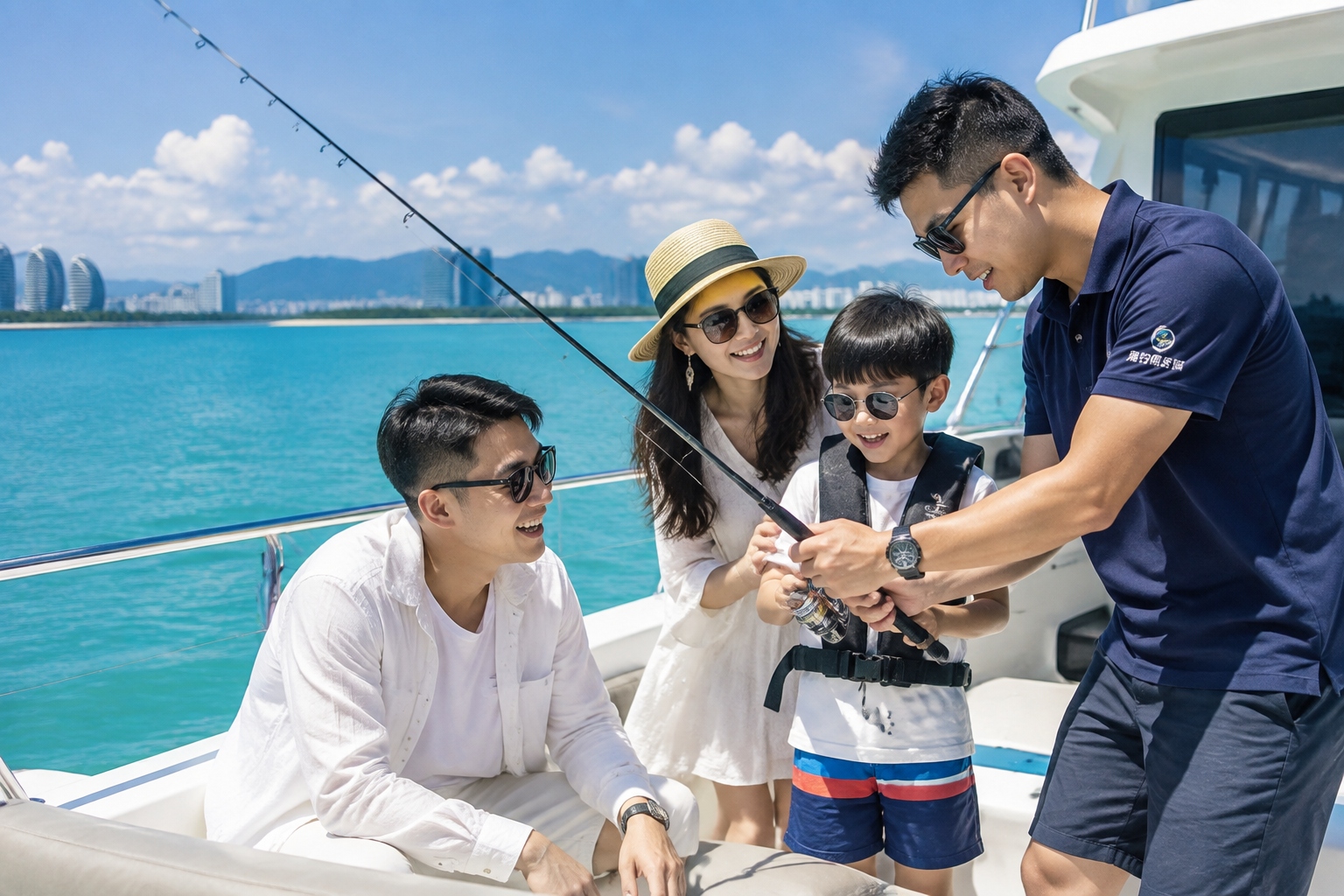
The boat typically speeds for 20 to 30 minutes to reach a calm bay where it anchors. This is where the fun starts. Most boats carry fishing rods, and the crew is happy to show you how to catch small reef fish. If you’re lucky, you might catch a pufferfish — but you should not touch it. Snorkeling masks are available, and the coral around some of these islands is surprisingly colorful.
People spend most of their time on the deck, watching the skyline of Sanya shrink in the distance. The bays are sheltered, so the water is usually gentle. Children play on the inflatable rings towed behind the boat. Older travelers sometimes just doze on the padded sunbeds.
As the cruise winds down, the captain may steer closer to the shore so you can see the forested mountains and luxury hotels along the coast. On the way back, the crew cleans up and takes group photos with your phones.
Safety, Rules, and a Touch of Reality
Safety is the biggest question most foreigners have. The good news is that Sanya’s marine police and maritime authorities have tightened inspections over the past few years. All commercial yachts need a valid certificate and a licensed skipper. Crews carry first-aid kits, VHF radios, and enough life rafts for everyone on board.
However, you should still use common sense. Choose a company that has clearly listed its license number and insurance information. Check the boat’s age and size on the photo. Avoid operators that promise “unlimited booze” or other red flags. And respect the weather: during typhoon season, from July to September, excursions are often canceled. Don’t try to push a captain to go out in rough water.
A typical shared yacht might carry more people than you’d expect, especially on weekends. You won’t have the boat to yourselves. But that’s part of the charm — you’ll meet other travelers and maybe an expat family living in China.
Not Just for Tourists
It’s not only out-of-town visitors who are taking advantage of the low prices. A growing number of Sanya residents see yachts as an alternative to a movie night. Young couples book sunset cruises for anniversaries. Companies organize team-building trips on Friday afternoons.
International travelers are still a minor share of the market, but the city is working on it. Signs at the marina are now in both Chinese and English. Some operators offer multilingual crew members. WeChat booking is standard, but you can also call or visit in person.
How to Book Your Own Trip
If you’re planning a visit, the easiest way is to search on Chinese apps like Meituan, Dianping, or Trip.com. Type in “三亚游艇” (Sanya yacht). You’ll see a list of operators with prices, photos, and user reviews. Most listings let you book a specific date and time slot without paying in advance. You can also ask your hotel concierge to arrange it.
Prices vary by season. In the low season (May to September), a shared slot can drop to 180 yuan (!). In the peak season (October to April), it’s usually 280–450 yuan. A private charter for a three-hour trip starts at around 3,000 yuan — still cheaper than in many Western cities.
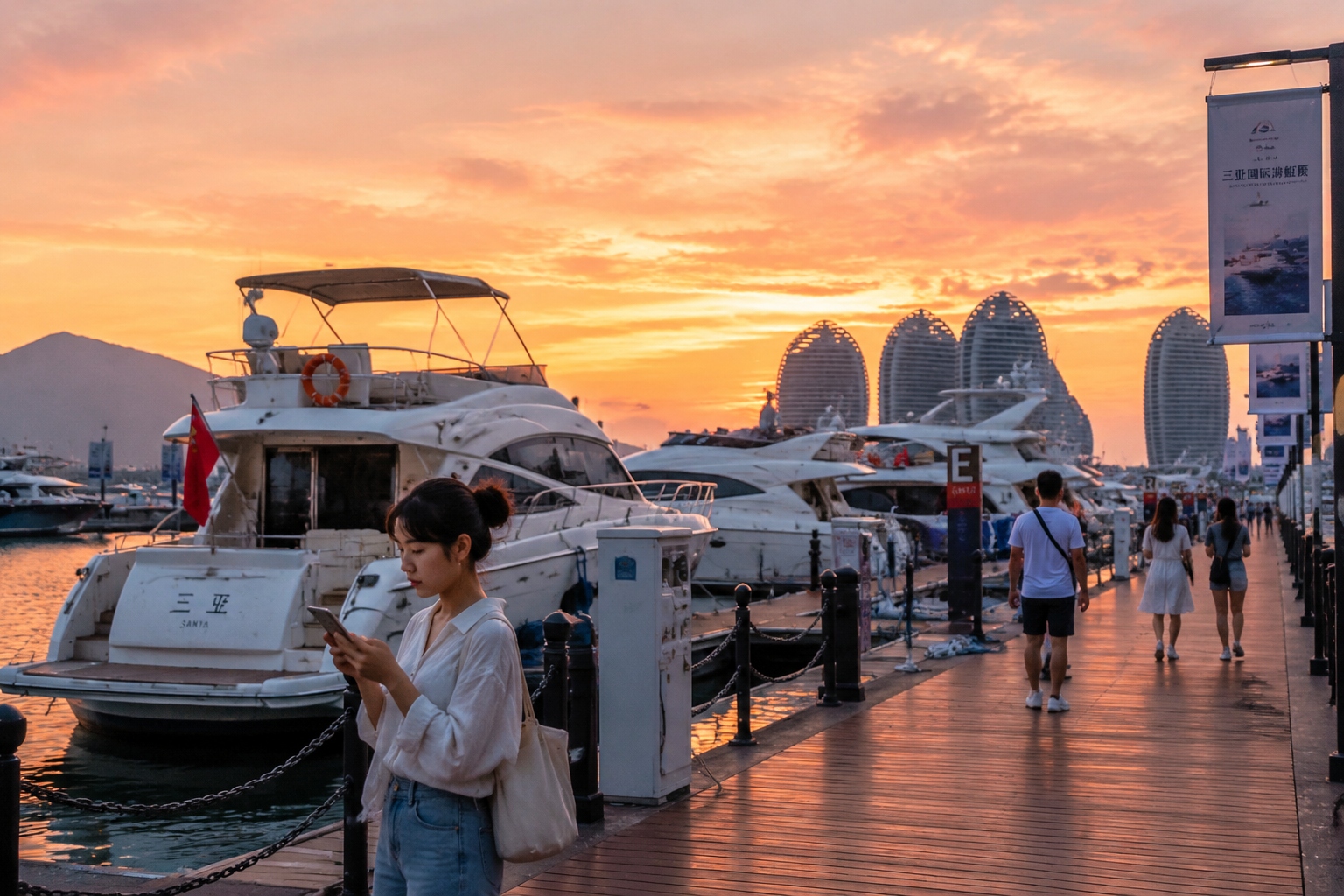
Arrive at the marina 30 minutes early. Wear sunscreen, bring a light jacket for the sea breeze, and don’t bring anything you don’t want to get wet. Some people bring their own snorkel masks for hygiene. There’s a small fee for using the marina’s parking lots, but the hassle is minimal.
What This Says About Modern China
The yacht boom in Sanya is one more sign of how rapidly leisure culture is evolving in China. For decades, owning a yacht was a symbol of extreme wealth. Today, renting a berth for the price of a concert ticket reflects a broader trend: spending money on experiences and memories is becoming more common.
This doesn’t mean the market is perfect. The industry is still maturing. Some boats look tired, and some captains are more talkative than others. But the direction is clear. When a country with 1.4 billion people decides that sailing down the coast is an ordinary weekend activity, it’s a shift worth noticing.
And it’s a shift you can try for yourself. The next time you’re in Sanya, skip the crowded beach and find a little boat with your name on it. It might not be a private superyacht, but it’s yours for three hours, and that’s what matters.
Start the discussion at forum.chinacomes.com