

Introduction
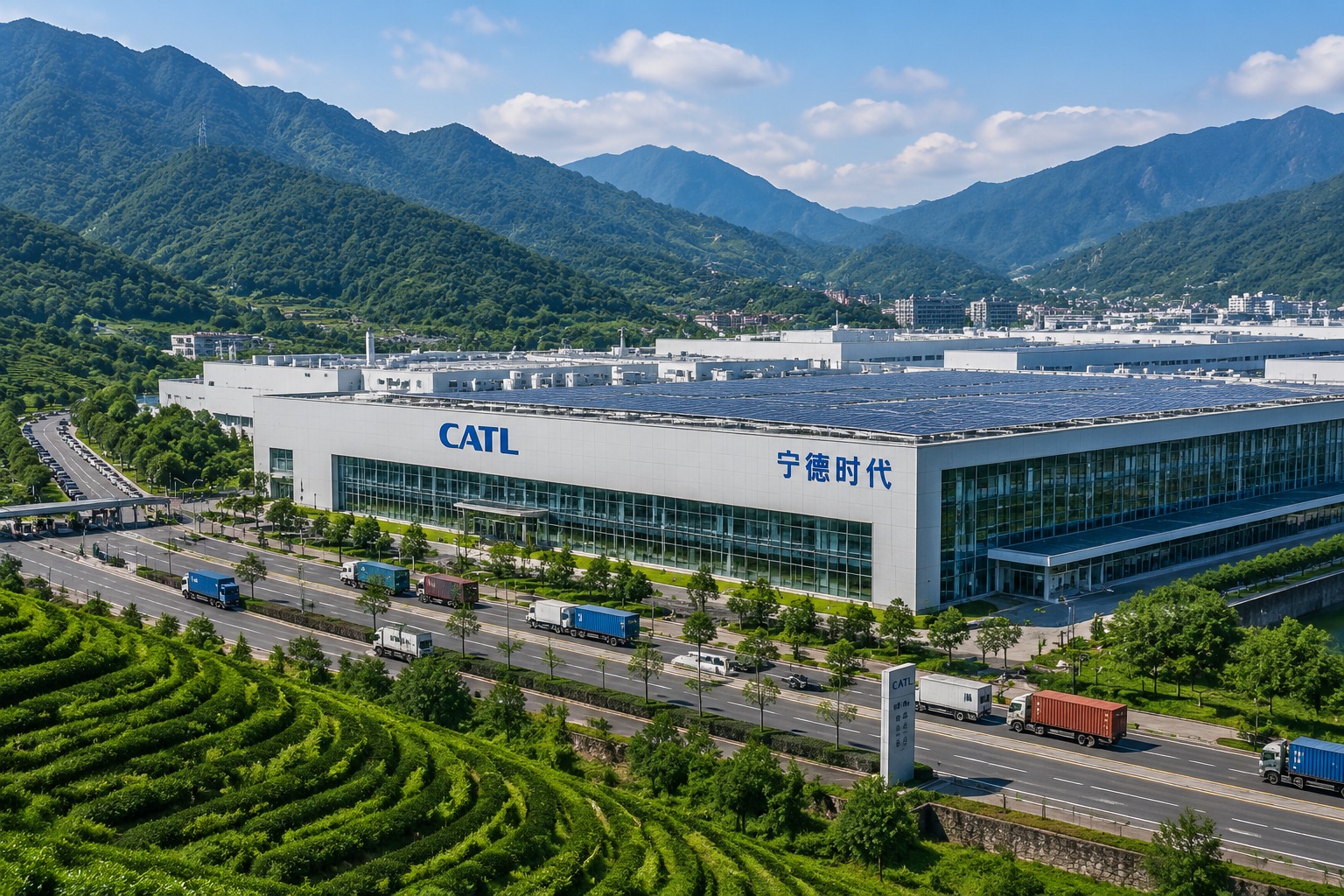
From the winding mountain roads above Ningde, Fujian, you can see the old world and the new one side by side. Tea terraces still cover the hillsides, but now they share the horizon with vast industrial buildings covered in solar panels. Down below, trucks loaded with graphite, copper foil, and lithium carbonate rumble toward a sprawling complex with the letters CATL over the main gate.
Ningde is a small city – population around 1 million in the core district – that long relied on agriculture and fishing. Today, it is the headquarters of Contemporary Amperex Technology Co. Ltd., better known as CATL, the world’s biggest manufacturer of electric vehicle batteries. In 2023, CATL supplied 167.4 gigawatt-hours of batteries, or roughly 37 percent of global EV battery demand.
How did this mountainous, once-neglected corner of China become the center of the world’s transition to electric mobility? The answer lies in a combination of local entrepreneurship, patient government support, and an industrial strategy that turned a small region into a complete supply chain.
A Local Boy’s Return Sets the Stage
Zeng Yuqun, CATL’s founder, grew up in a village outside Ningde. After earning a degree in computer science from Shanghai Jiaotong University and working at TDK in Hong Kong, he co-founded ATL, a consumer lithium-ion battery company that became an Apple supplier. In 2011, he moved the EV battery division to Ningde. At the time, the city had virtually no power-battery industry. Land was cheap, but the infrastructure was poor. Yet Zeng had a strong bond to his hometown and was convinced that energy storage could become the next big sector.
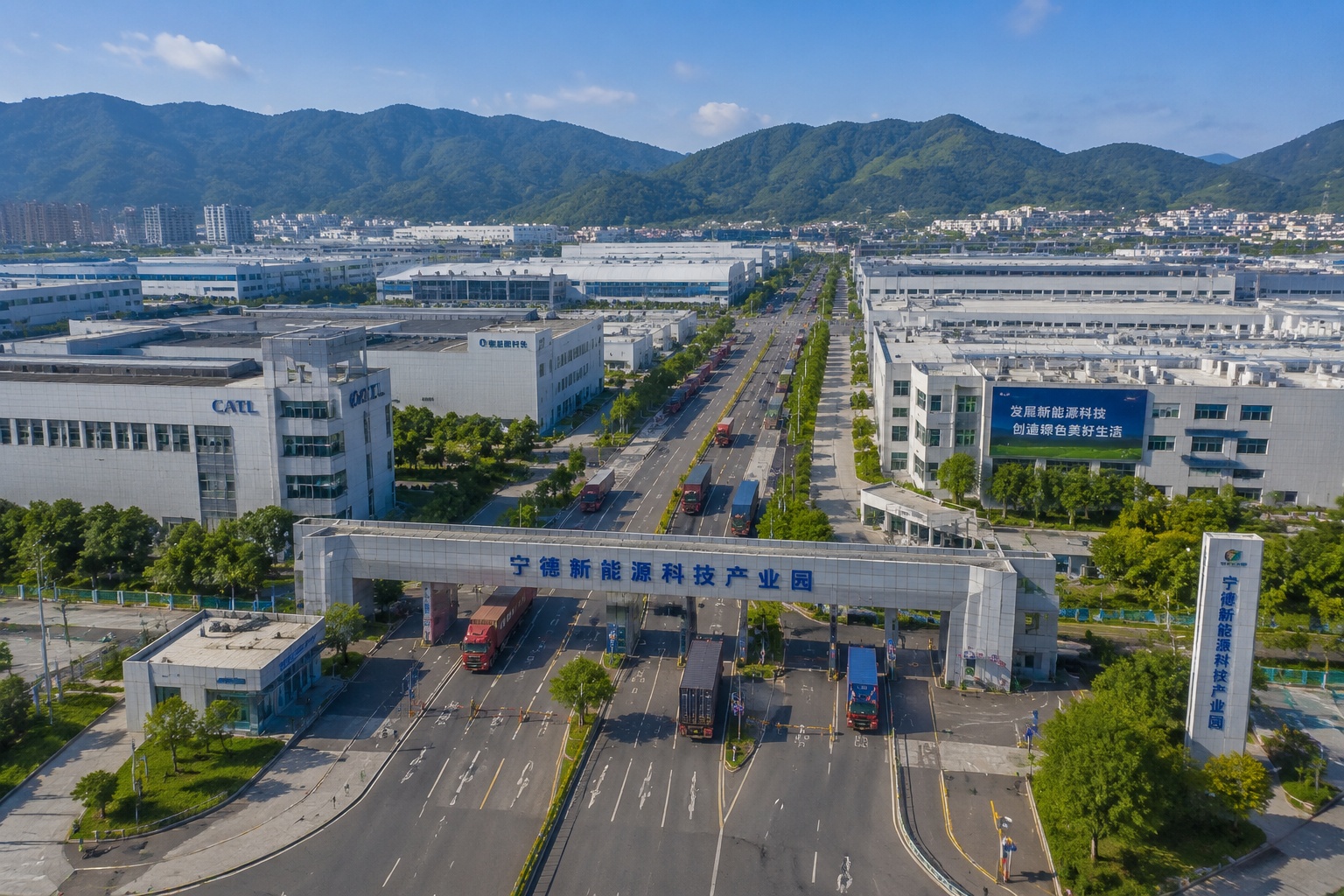
The local and provincial governments stepped in. They offered more than 2,000 hectares of land for industrial parks, built three new highway interchanges, upgraded the power grid, and even enlarged the local port to handle cargo such as nickel ore and cathode powder. Ningde’s mayor at the time told local media that they treated CATL “like a guest we cannot let leave.” Government staff were relocated to a service office inside the CATL campus to speed up permits.
That partnership delivered. By 2015, CATL had become one of China’s fastest-growing battery suppliers, inking contracts with BMW and Volkswagen. By 2017, it overtook LG Chem to become the global volume leader. Sales have climbed almost every year since.
An Industrial Cluster That Moves Together
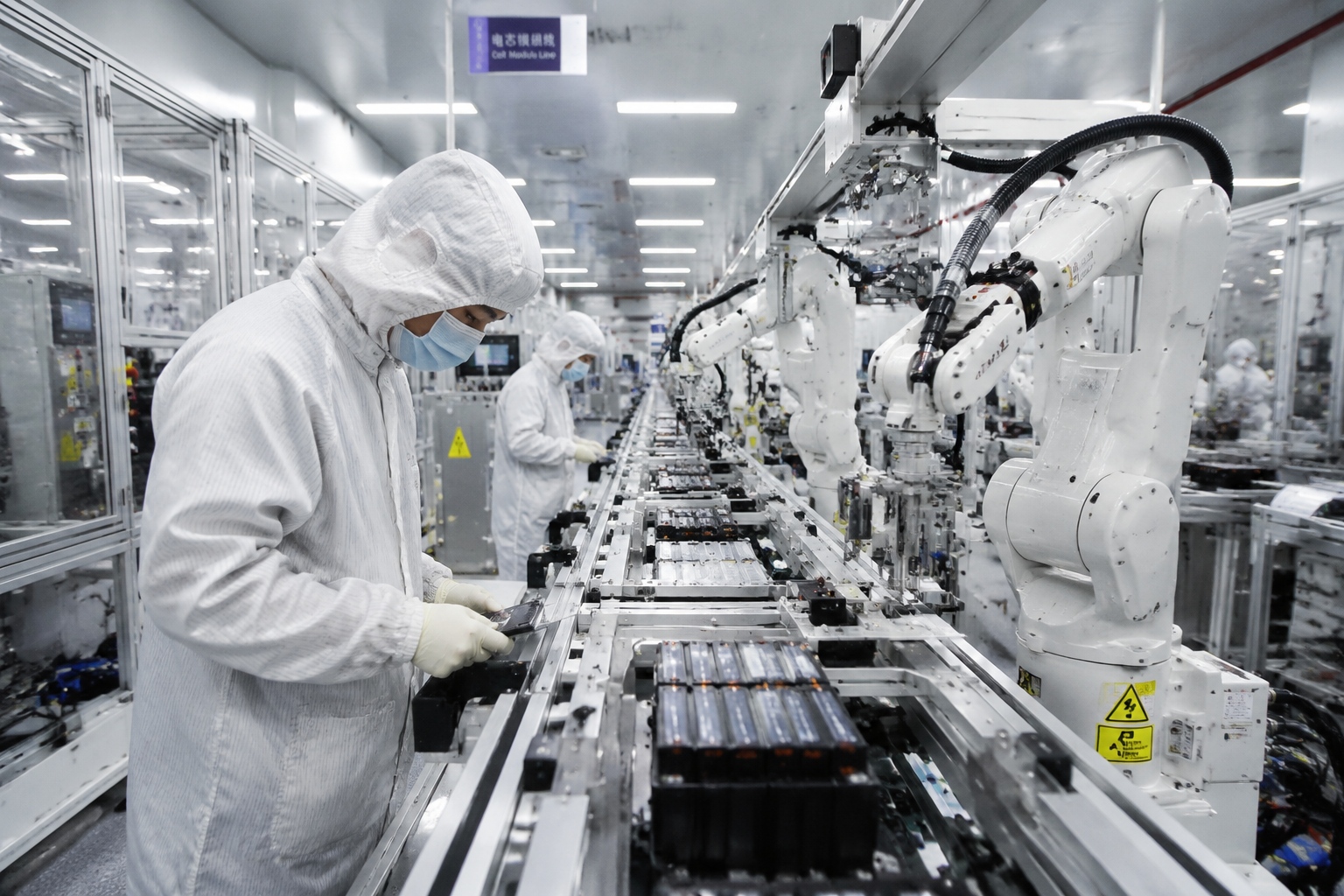
Rather than relying only on CATL, the city began building an entire lithium-battery ecosystem. More than 200 companies now operate in the surrounding industrial parks, producing materials such as cathodes, anodes, electrolytes, and copper foil. The area is often called “lithium battery capital” by Chinese media.
Proximity matters. A cathode manufacturer can receive battery-grade lithium hydroxide from another nearby plant within 20 minutes; a cell assembler can get fresh electrolyte delivered the same day. This lowers inventory costs and allows for rapid iteration of new chemistry. For example, when CATL developed its “Qilin” battery with high nickel content, it assembled a cross-firm task force that reduced design-to-production time by a quarter.
For ordinary residents, the change is visible on every street. Young people who left for jobs in Shenzhen and Shanghai are returning to work in R&D centers and production lines. Local vocational schools have added battery-specific training programs. Even the taxi drivers now talk about charging rates and energy density.
Take Lin Rong, a 28-year-old engineer who came back in 2020. She now works in a supplier firm that makes separator films. “My parents thought I was crazy to come back to a small city,” she says. “But now my salary is 80 percent of what I was offered in Shenzhen, while my rent is only a third. And I have a real career in clean energy, not just a job.”
The town’s GDP has more than doubled over a decade, rising from ¥95 billion in 2010 to ¥400 billion in 2023 (about $55 billion). Ningde’s average income per capita has also outpaced the province’s growth for seven consecutive years.
Going Global: Building Factories and Bargaining Power
CATL’s technology and capacity have made it an essential partner for much of the global auto industry. Its customers include Tesla, BMW, Volkswagen, Hyundai, Mercedes-Benz, Ford, and Geely. Over the past few years, the company has moved from exporting cells to building local factories and even sharing its technology through licensing deals.
In Germany, CATL invested €1.8 billion in a plant in Erfurt, which opened in 2022 and now produces cells for BMW and Audi. In Hungary, it is constructing a 100-gigawatt-hour plant near Debrecen, which will be one of the largest battery factories in Europe. That plant is designed to supply Mercedes-Benz and BMW, but also to serve as a testbed for ultra-fast-charging cells.
For markets that are harder to enter directly, CATL has adopted unusual partnerships. In early 2023, it agreed to license its Lithium Iron Phosphate (LFP) technology to Ford, allowing Ford to build LFP cells in Michigan using CATL’s equipment and processes. This arrangement gives CATL a foothold in the U.S. without directly owning a factory there, avoiding some regulatory hurdles.
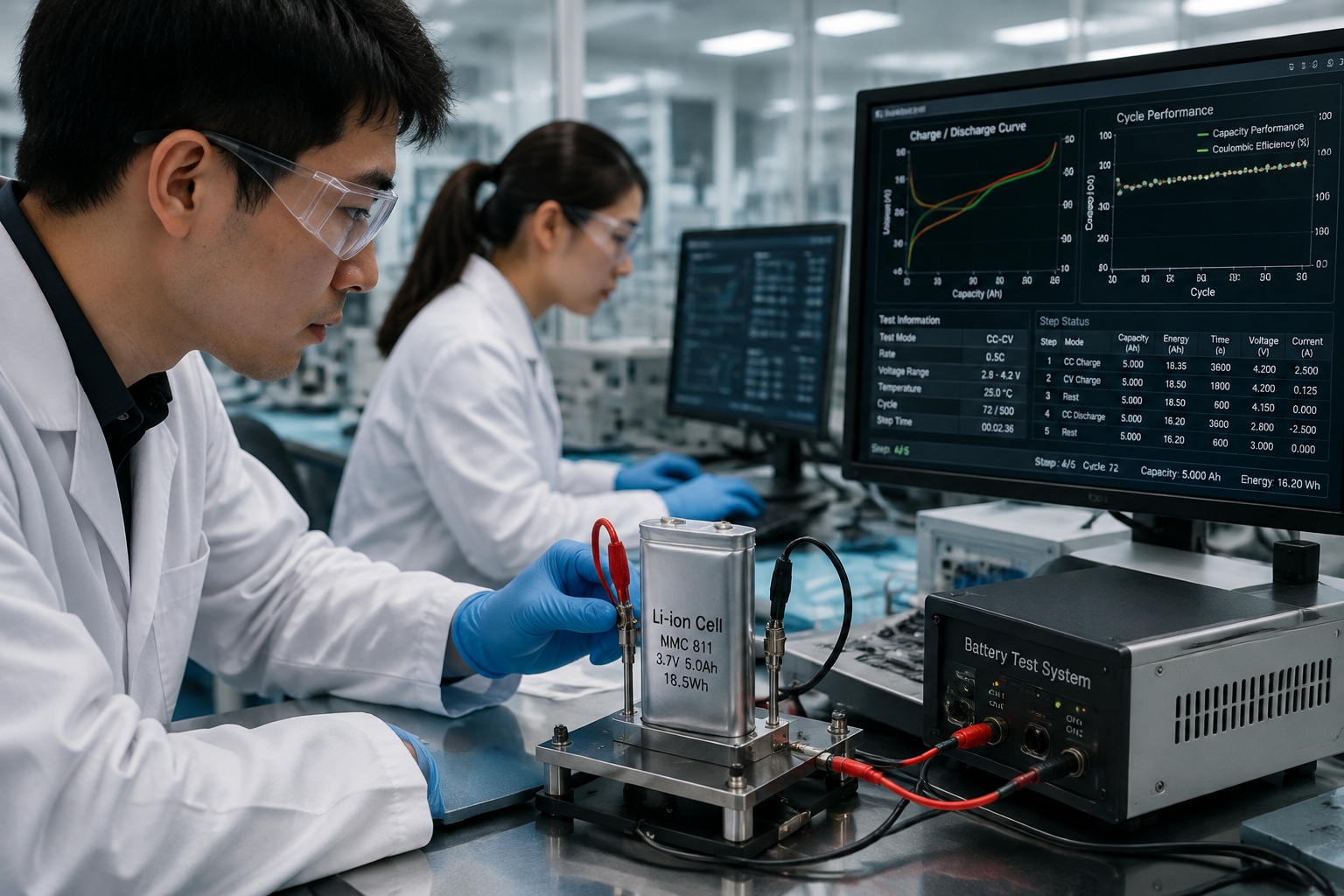
Innovation remains the core competitive advantage. CATL invested ¥18.3 billion (about $2.5 billion) in R&D in 2023, a 18.6 percent increase over the previous year. It now holds more than 8,000 patents globally. Its latest product, the “Shenxing” pack, can add 400 kilometers of range in just 10 minutes of charging. The company is also piloting sodium-ion batteries, which use no lithium or cobalt, and is working on solid-state cells with a planned commercial debut around 2027.
Challenges Ahead for the Battery Town
CATL’s dominance is not guaranteed. Competition is intensifying, both at home and abroad. BYD, for instance, has secured a strong share of the Chinese market by integrating its own batteries into its cars. Korean firms like LG Energy Solution and Samsung SDI are beefing up their overseas production. And Tesla is developing its own 4680 cells.
Technology shifts could also unsettle CATL. Sodium-ion batteries are cheaper but less energy-dense; solid-state batteries are more efficient but require different manufacturing know-how. CATL has deep pockets to invest in all these routes, but rivals are also advancing.
Supply-chain vulnerabilities are another worry. The price of lithium carbonate swung from under ¥50,000 per ton in 2020 to nearly ¥600,000 in late 2022, then crashed to ¥150,000 in 2023. CATL has tried to secure raw materials by investing in mines in Jiangxi province, the Democratic Republic of Congo, and Indonesia, yet unpredictable geopolitics can disrupt critical inputs.
Overseas regulatory pressure is also mounting. The U.S. Inflation Reduction Act limits tax credits for batteries made with foreign “entities of concern,” effectively excluding CATL from direct subsidies unless it licenses cells to a partner. The European Union is investigating Chinese EV subsidies and is drafting new battery passport and carbon-footprint rules, which could complicate exports.
Still, CATL has shown adaptability. It is partnering with automakers to build directly in Europe and North America, and it is expanding into energy storage systems for grids. The company’s revenue rose over 70% year-on-year in the first quarter of 2024, suggesting demand for its products remains strong despite headwinds.
Conclusion: A Blueprint for Peripheral Economies?
What does Ningde’s story tell us? First, that a geographically peripheral place can become a global industrial hub if it can attract talent, build dense local networks, and secure patient investment. Fujian’s success was not purely market-driven; strategic public intervention played a huge role. But it was also not just government planning – it required entrepreneurs like Zeng Yuqun, who took strange risks and leveraged global partnerships.
Second, CATL shows that technological leadership in clean energy doesn’t have to originate in traditional innovation capitals. Ningde is a small city, but it has created a work culture and supply-chain density that are difficult to replicate. Its success is a reminder that the battery revolution is not only about R&D labs; it is also about the industrial ecosystem built around them.
For the rest of the world, the lesson is both encouraging and sobering: building a clean-tech cluster takes time, policy consistency, and deep engagement with global markets. As long as the demand for electric vehicles continues to grow, this mountain city will be one of the places to watch.
Start the discussion at forum.chinacomes.com