


It Starts with a Trip
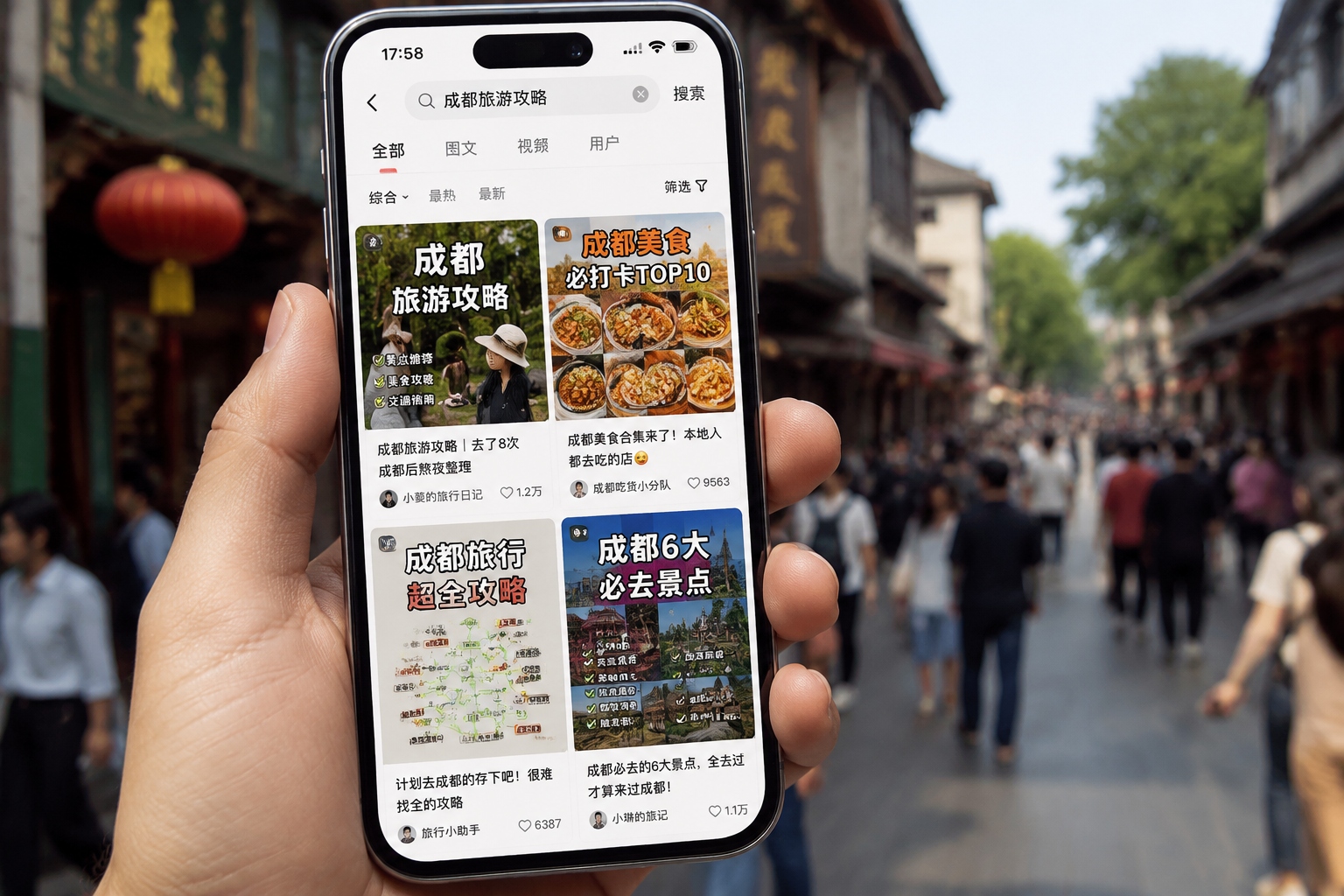
Li Wei, a 25-year-old marketing analyst in Shanghai, is planning a weekend trip to Chengdu. Her first move? She doesn’t open Baidu, Google, or Bing. Instead, she taps the red icon of Xiaohongshu (literally “Little Red Book”) and types “Chengdu 3-day itinerary 2025” into the search bar. Within seconds, she’s scrolling through dozens of beautifully formatted notes from real travelers—complete with restaurant recommendations, hotel reviews, and even a packing checklist. She’s not alone. Across China, millions of young people now treat Xiaohongshu as their primary search engine for lifestyle, travel, and consumption decisions.
What Is Xiaohongshu?
Xiaohongshu, often abbreviated as RED or 小红书, started in 2013 as a platform for sharing overseas shopping hauls. It has since evolved into a massive social commerce ecosystem blending user-generated content, e-commerce, and community interaction. As of early 2025, the platform boasts over 300 million monthly active users, with the majority being Gen Z and millennials. Unlike Weibo (a microblogging platform) or Douyin (a short-video app), Xiaohongshu’s core is its search-friendly note system: users post “notes” (biji) that are image-rich, text-heavy, and meticulously tagged with keywords. The search algorithm prioritizes freshness, relevance, and user engagement, making it a powerful tool for discovering real-world information.
Why Young Chinese Prefer Xiaohongshu Over Baidu or Google
Traditional search engines like Baidu still dominate web searches, but their results are often cluttered with ads, SEO-optimized spam, and outdated forum threads. Xiaohongshu offers a cleaner, more visual, and socially validated alternative. When a user searches “best hotpot in Chongqing” on Xiaohongshu, they get a feed of recent notes from real people, each with photos, ratings, and prices. The comments section is particularly valuable: users ask follow-up questions and get answers from the original poster or other community members. This peer-to-peer trust mechanism is a major reason why 67% of Xiaohongshu users (according to a 2024 internal report) say they rely on the platform for purchase decisions. Another survey by QuestMobile found that Xiaohongshu accounted for over 40% of all travel-related searches among Chinese users aged 18–30 in 2024, surpassing traditional travel platforms like Ctrip and Mafengwo in search volume for short trips and city guides.
How to Use Xiaohongshu as a Search Engine: A Practical Guide
For overseas visitors or newcomers to China, Xiaohongshu can be an invaluable tool to navigate the country. Here are actionable tips:
1. Download and Set Up
Search for “小红书” in any app store (iOS/Android). The English name is “RED” or “Xiaohongshu”. You’ll need a Chinese phone number to register; if you don’t have one, you can use a temporary Chinese SIM card or ask a friend. Once inside, set your location to the city you’re interested in.
2. Search with Specific Keywords
Use combinations like “City + Category + Keyword”. For example: “Shanghai vintage café”, “Beijing hutong bike tour”, “Guangzhou dim sum guide 2025”. The year helps filter the most recent notes. You can also search in English: many Chinese users post bilingual notes, but results will be more abundant in Chinese.
3. Filter by “Most Recent” & “Popular”
After searching, tap the “最新” (Newest) or “最热” (Most Popular) tabs to see the most useful or trending notes. The default is often “综合” (Comprehensive).
4. Read Comments and Save Notes
Scroll down to the comments section for real-time updates—e.g., whether a restaurant is too crowded, or if the price has changed. Tap the bookmark icon to save notes into personal collections like “Places to eat” or “Itineraries”.
5. Follow Niche Creators
Once you find a user whose taste matches yours, follow them. Their notes will appear in your feed, and you can browse their collections for curated lists.
Beyond Travel: Shopping, Beauty, and Everyday Life
Xiaohongshu is not limited to travel. It’s the go-to platform for product reviews (especially cosmetics and electronics), fitness routines, recipe ideas, interior design inspiration, and even tax filing tips. The platform’s e-commerce arm allows direct purchasing, but most users simply use it for research before buying elsewhere. For example, searching “iPhone 16 vs Huawei Mate 70” will yield dozens of comparison notes with real-world camera samples and battery tests. The search volume for “budget-friendly skincare” exceeded 50 million in 2024, according to Xiaohongshu’s annual report.
The Bottom Line for Global Readers
Xiaohongshu is more than a social media app; it’s a window into the daily decisions of Chinese youth. If you’re planning a trip to China, want to understand consumer trends, or simply need a reliable source of local information, learning to search Xiaohongshu can give you an edge. The platform’s strength lies in its authenticity—real people, real experiences, and real-time updates. In a country where user-generated content often trumps official sources, Xiaohongshu has become the de facto search engine for the young and curious.
So next time you need to know the best street food in Xi’an or the newest co-working space in Shenzhen, skip the generic search engines. Open Xiaohongshu, and search like a local.
Start the discussion at forum.chinacomes.com