

A Morning in the Courtyard
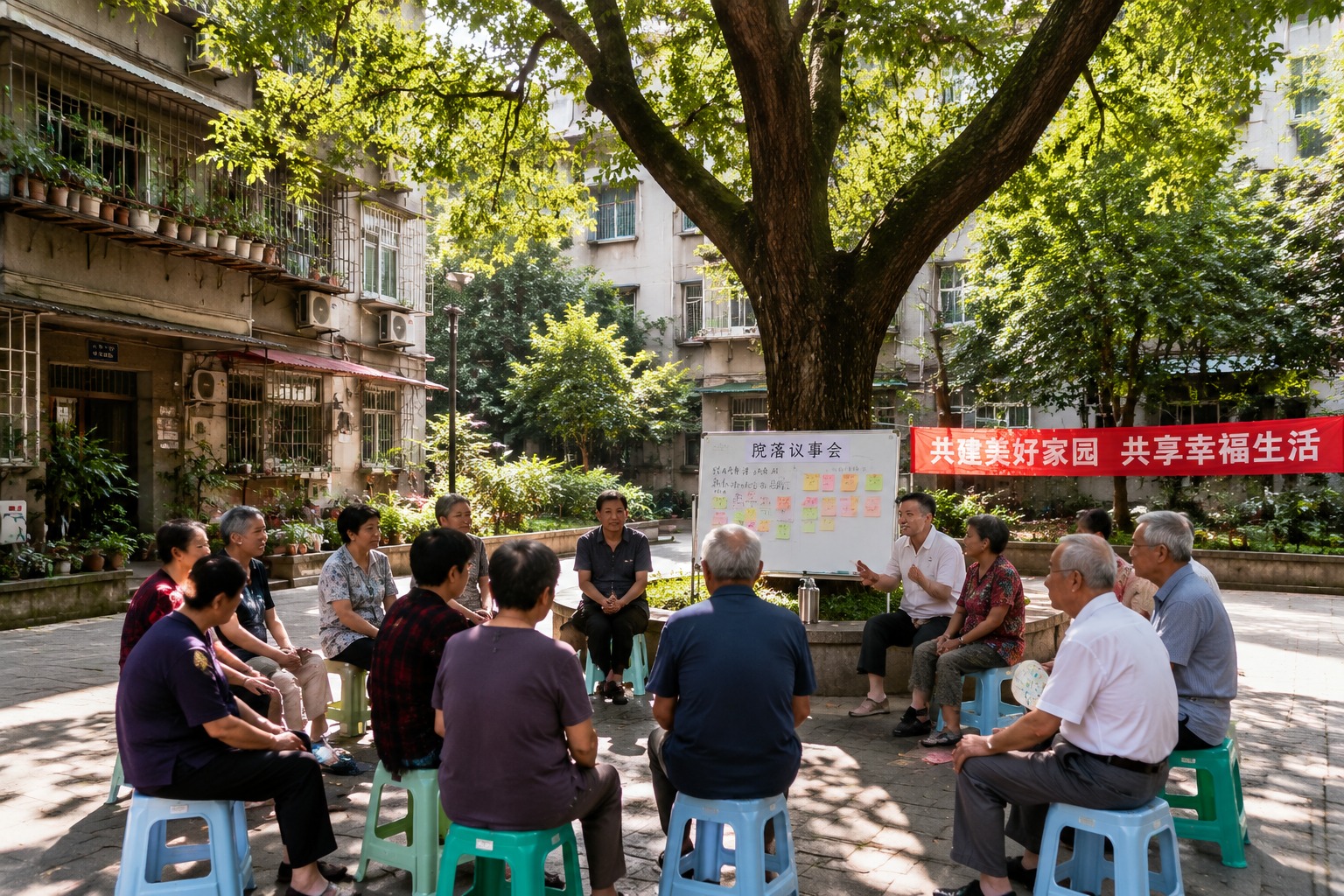
On a mild spring morning, I walked into a small courtyard in Chengdu’s Yulin neighborhood. The air smelled of jasmine and freshly boiled rice. A dozen residents were sitting on plastic stools under a wutong tree, talking over each other in rapid Sichuan dialect. The topic wasn’t gossip—it was about the new rainwater drainage pipes that were about to be installed in their aging compound. “I told them the pipes should go on the east side, or the parking lot will flood again,” said Aunt Wang, a retired cashier in her sixties. She wasn’t complaining to me; she was recounting her victory at last week’s babahui, a neighborhood meeting that literally means ‘courtyard meeting.’
This is not a scene from a government model village. It is happening in Chengdu, a city of over 20 million people that has become a laboratory for a very human kind of urban renewal—one where the people who live in the buildings are invited to shape the changes, not just informed about them.
Why Chengdu’s Old Communities Are Being Redone
Like many Chinese cities, Chengdu has a stock of residential compounds built in the 1980s and 1990s. These communities, often called xiaoqu, were once considered modern, but decades of wear left them with leaking roofs, exposed wires, cramped parking, and public spaces that had become dumping grounds for abandoned furniture. For a long time, the standard solution was demolition and redevelopment. But in the mid-2010s, Chengdu shifted away from the wrecking ball toward ‘organic renewal’—an approach that keeps the existing fabric and updates it layer by layer.
The national government’s ‘old community renovation’ program gave this a boost, but Chengdu added its own ingredient: resident participation. The local government realized that renovating a place where people will continue to live can’t be done well without asking them first. So it created a series of channels for residents to speak up, from open meetings to online surveys. The result is a process that feels less like a top-down makeover and more like a community project.
The Rules of Engagement: How Residents Actually Take Part
Participation isn’t just an open microphone. There are concrete, structured ways that residents in Chengdu influence renovation plans. Here are the most common ones I’ve seen:
Courtyard Meetings (babahui)
The babahui is exactly what it sounds like—a meeting held in the courtyard, with anyone who lives in the compound invited to sit and talk. The neighborhood committee (juweihui) calls the meeting, but the residents do most of the talking. Decisions about what to renovate first are often made by a show of hands, sometimes with little more than a flip chart and a bouquet of index cards. These meetings feel informal, but they are the backbone of consent.
Resident Representative Groups
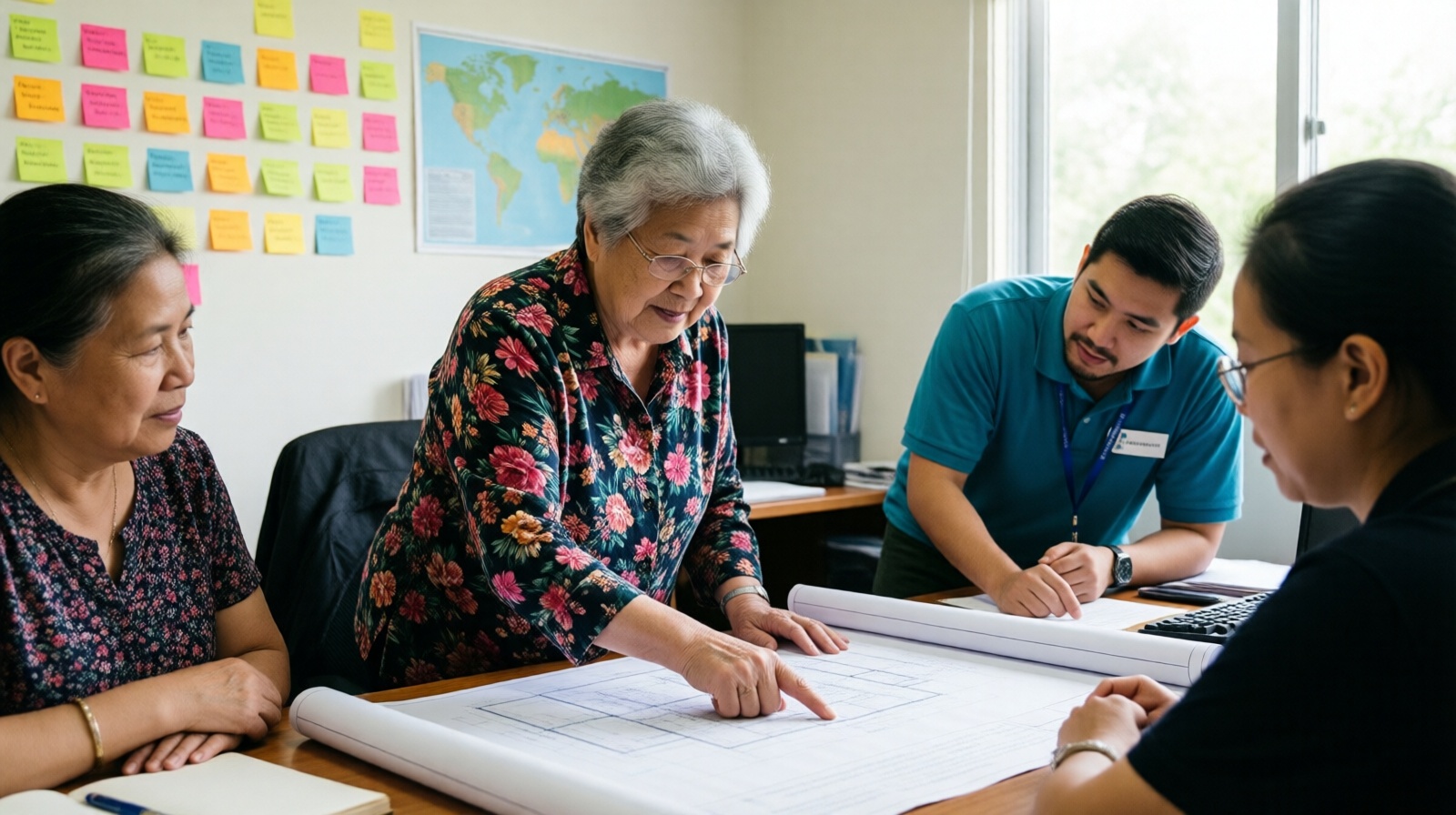
Each building or courtyard typically elects a small group of residents to act as liaisons. These unpaid volunteers meet weekly with planners, engineers, and government staff. They bring up concerns like “the new playground will block my window” or “we need a slope for wheelchairs, not just stairs.” Because they live there, their feedback is grounded in details no outside expert would notice.
Digital Participation
Yes, there’s a WeChat group for everything. Many communities set up dedicated chat groups where renovation updates are shared and resident opinions are collected. You might be surprised to see how animated a discussion can get over the color of a wall or the type of tree to plant. In some cases, communities use simple online polls to settle disputes, saving everyone the hassle of a long face-to-face argument.
Community Design Workshops
Some neighborhoods have gone further by inviting residents to co-design public spaces with professional architects. This might sound like an invitation to chaos, but with skilled facilitation, residents’ practical knowledge becomes a real asset. They know which corners get the most sun, where old people like to sit, and which spots are dead zones. In one project, elders drew chalk lines on the pavement to mark where they wanted benches—those lines were transformed into the final plan.
Elevator Negotiations
One of the toughest renovations in old communities is adding elevators to walk-up buildings. In Chengdu, this is often led by residents themselves, who must convince neighbors and split the cost. Retired workers often become volunteer coordinators, knocking on doors with feasibility studies and pricing plans. The process can take months, but when it succeeds, it changes lives—especially for the elderly who haven’t been able to leave their apartments easily.
A Story from the Neighborhood: The Bench That Wasn’t There
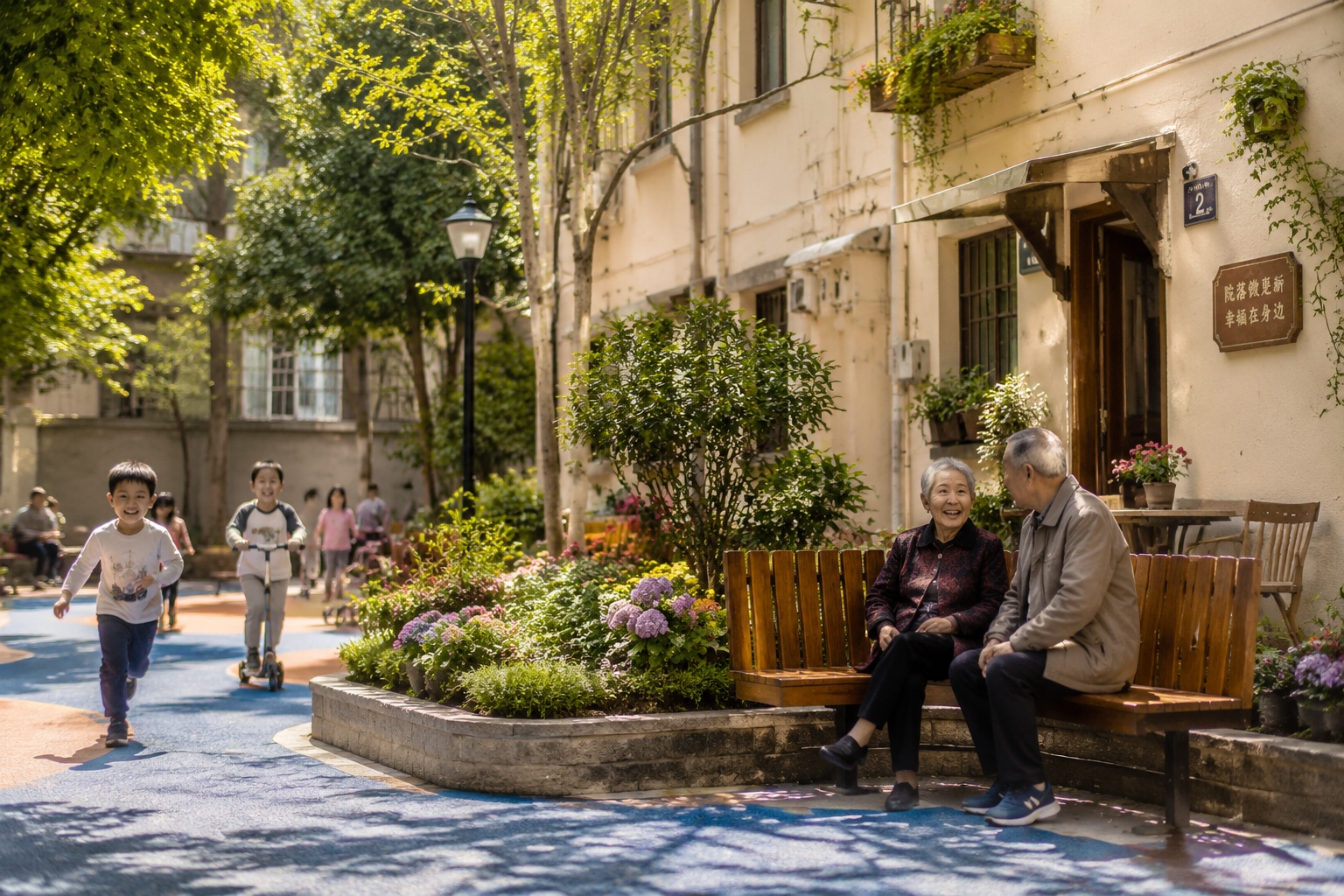
In a nearby Yulin compound, a group of residents managed to turn a dusty patch of pavement into a small garden. It began when a few grandmothers asked for benches near the gate so they could watch kids play without dragging chairs from home. At a babahui, they sketched their idea on a piece of cardboard. Instead of dismissing it, the community committee brought in a landscape designer who helped them fine-tune the placement. A year later, the spot is one of the most used places in the compound. “We didn’t just get benches,” one of the grandmothers told me. “We got a square that feels like ours.” This sense of ownership is what makes participatory renovation different from a standard construction project. When people have a hand in shaping a place, they tend to take care of it. The hand-painted sign they put up stays; the plants they chose seem to thrive. It’s a small thing, but it adds up to a larger morale boost in aging communities.
Not Always Easy: The Messy Side of Participation
Let me not romanticize this. Participation is messy. In one compound I visited, residents spent three weeks arguing over whether to install a gym or a children’s play area. In another, a group of residents objected to a new public toilet because they feared it would bring strangers. Some disputes end in a stalemate, and the project gets scaled back or abandoned. There are also structural limits: elderly residents, who have the most time to attend meetings, may dominate decisions, while younger renters often stay silent. That last point is a real challenge—renovations are meant to serve everyone, but the voices present are not always representative.
Yet even with these flaws, the attempt to involve residents marks a cultural shift in Chinese urban governance. It acknowledges that communities are made of people, not just property lines. The messiness is part of the process.
What You Can Learn from Chengdu’s Approach
If you’re a resident, community organizer, or local official looking to apply Chengdu’s lessons, here’s a practical takeaway list:
- Start with small, visible issues. Fixing a broken drain or adding handrails gives people confidence that their input matters. It’s easier to get participation on big projects once small wins have built trust.
- Create multiple channels, both hot and cold. Not everyone will attend a courtyard meeting. WeChat polls, suggestion boxes, and even door-to-door visits help capture quieter voices.
- Honor the emotional tie. Many residents have lived in the same building for decades. Their memories are embedded in that cracked cement floor. Renovation should respect those memories, not erase them. Let them choose what to keep and what to change.
- Use professionals as facilitators, not just experts. Architects and planners should come to listen, not to lecture. The best designs happen when professional knowledge blends with local wisdom.
- Accept compromise. You will never satisfy everyone. The goal is not unanimity but a process that feels fair enough for people to live with the outcome.
Conclusion: The Future is Decided in the Courtyard
Back at Aunt Wang’s courtyard, the meeting ended with a red thermos of tea being passed around. The drainage pipe question was settled, at least for now. As I left, I noticed a small handwritten poster pinned to the gate: “Our Home, We Decide.” That simple phrase captures what Chengdu’s old community renovation is really about. It’s not just about better pipes, brighter walls, or even higher property values. It’s about giving ordinary people a seat at the table where their everyday lives are being redesigned. And in a city of millions, those seats are being filled, one courtyard meeting at a time.
Start the discussion at forum.chinacomes.com