
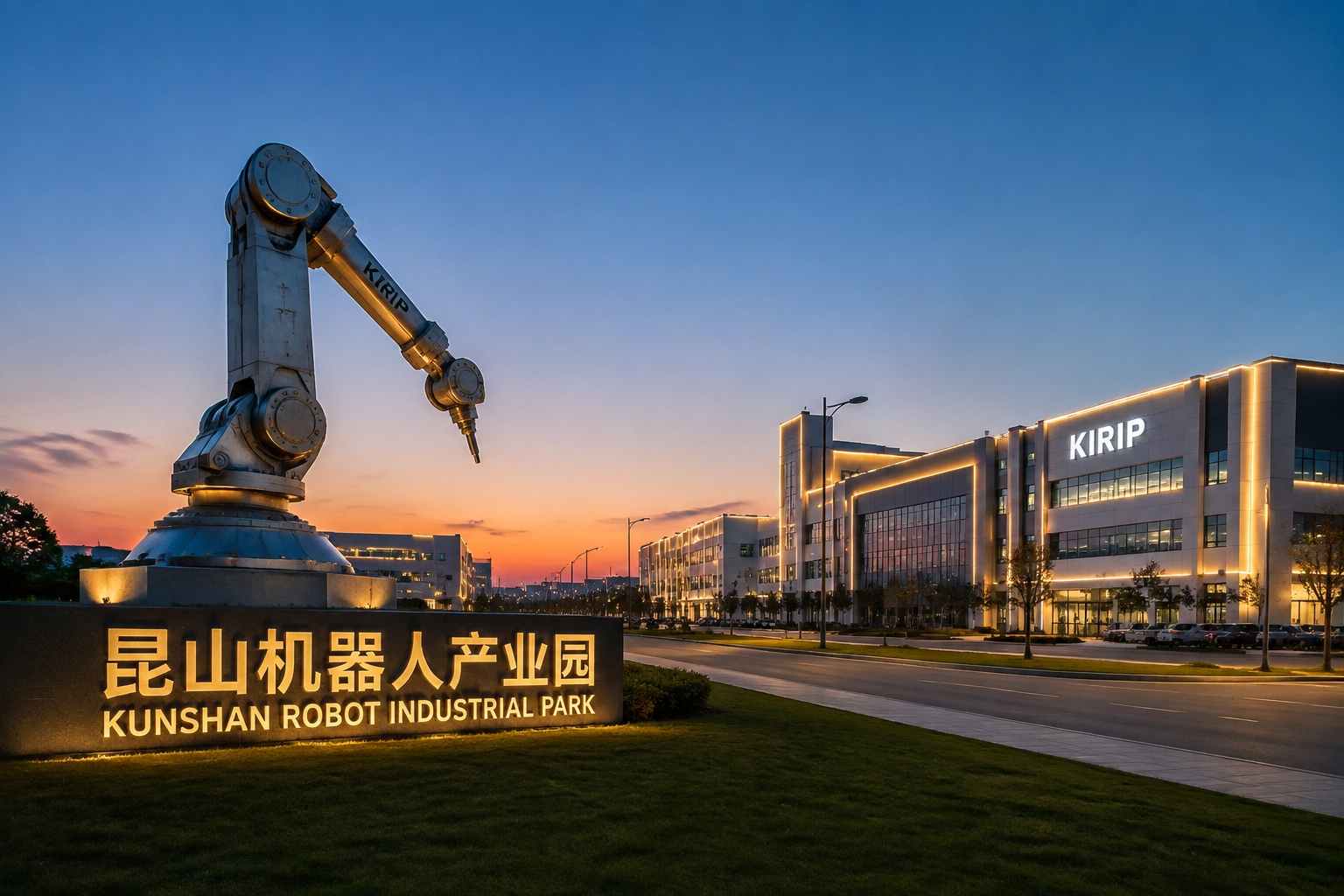

The Quiet Rise of a Robotics Powerhouse
If you’ve never heard of Kunshan, you’re not alone. But this city of two million people, sitting 50 kilometers west of Shanghai, is one of the most surprising industrial success stories in China today. For decades, Kunshan was known as a massive assembly plant for laptops and electronics. Now, something different is happening: the city is filling up with robots.
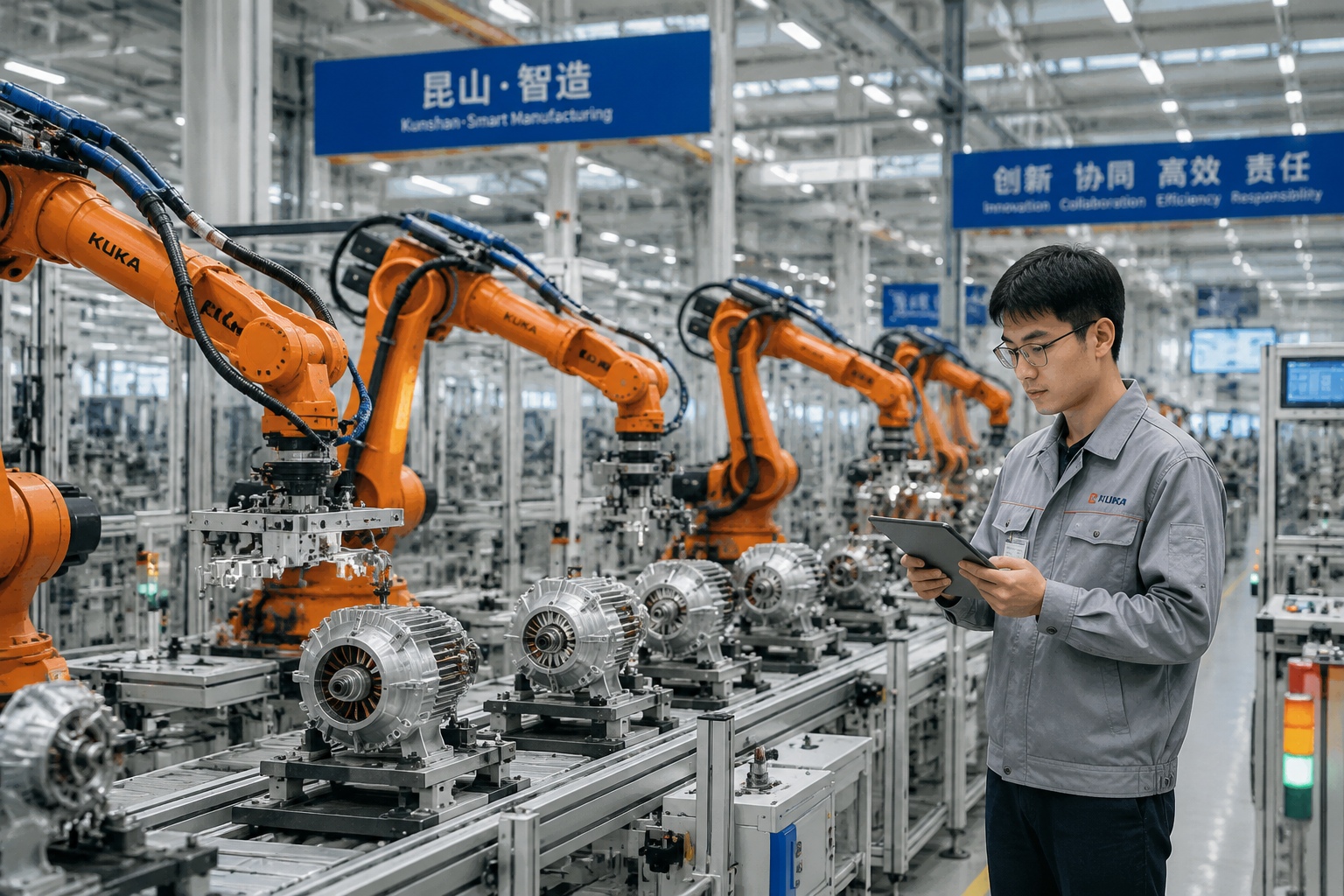
I recently visited a factory on the outskirts of Kunshan. Inside, rows of orange robotic arms were assembling electric motors with a precision no human hand could match. The only workers in sight were a handful of young technicians, tapping on tablets to monitor the machines. One told me he moved from Shanghai because Kunshan offered “more space to build things.”
This is not an isolated scene. Kunshan has quietly become one of China’s most important robotics hubs. The city hosts more than 300 robot-related companies, including global giants like KUKA and FANUC, as well as hundreds of homegrown startups. Together, they generate an estimated 30 billion yuan (about $4.2 billion) in annual output.
The Rise of an Unexpected Hub
Kunshan is not a capital city, nor a coastal mega-city like Shenzhen. It is a county-level city under Suzhou, in Jiangsu province. But it has topped China’s “county economy” rankings for nearly two decades, largely thanks to its world-class manufacturing ecosystem. When foreign companies first came to China in the 1990s, many chose Kunshan for its cheap land and proximity to Shanghai. Dell, Samsung, and other electronics giants built massive plants here.
Over time, that experience created something valuable: a deep pool of skilled workers, a mature supply chain, and a culture of precision manufacturing. As wages rose and competition stiffened, the city needed to move up the value chain. Robots and automation were the obvious answer.
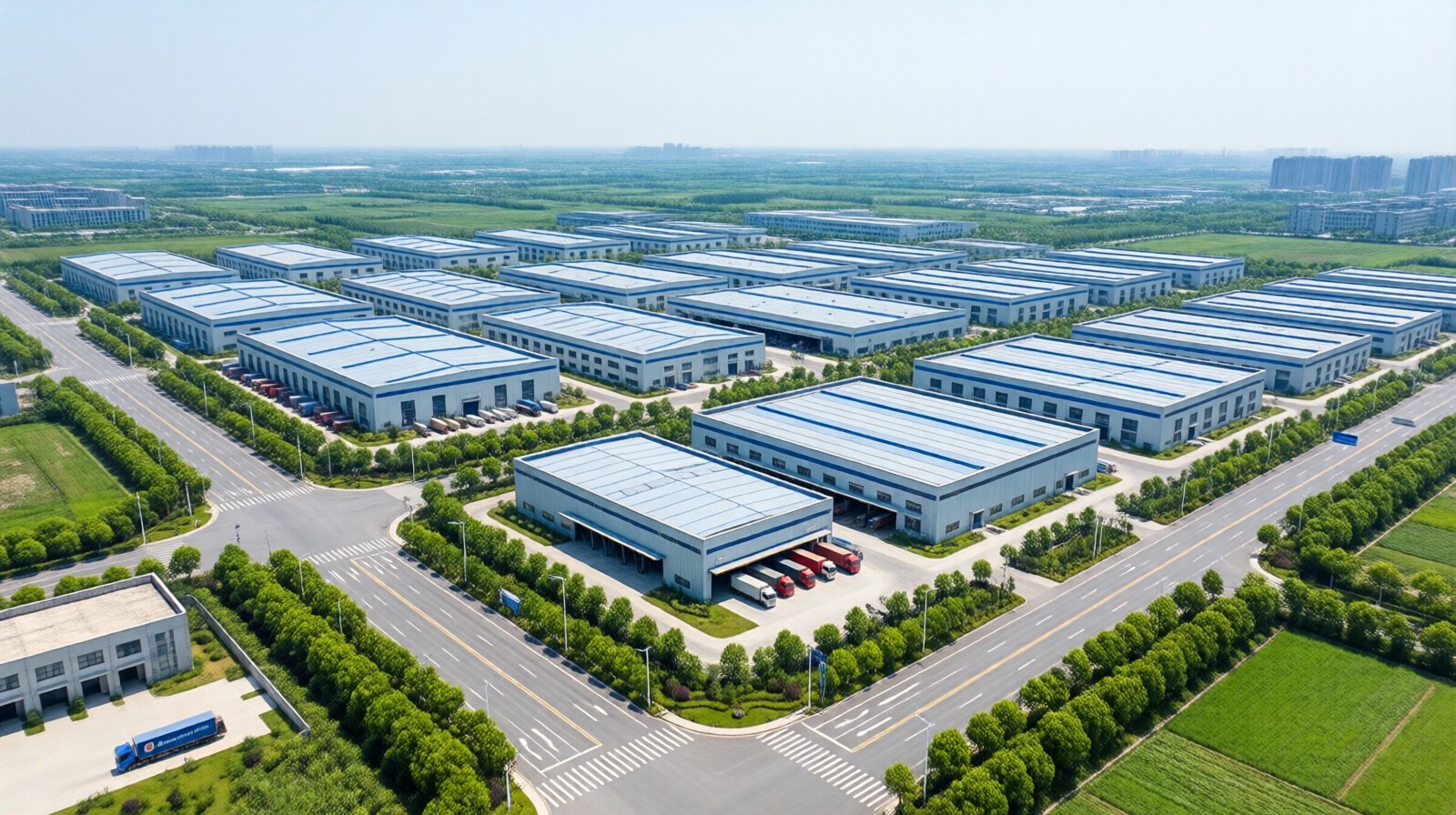
Today, the Kunshan Robot Industrial Park, covering over 20 square kilometers, is home to research labs, testing centers, and production lines. It’s not just about making robots; it’s about using them to upgrade every other industry.
From Laptops to Automation
The transition is visible in the city’s industrial statistics. A decade ago, electronics assembly accounted for most of Kunshan’s output. Now, robots and intelligent equipment are one of its fastest-growing sectors. Local officials say they aim to turn Kunshan into China’s “robot city” by 2025, with an annual output of 100 billion yuan.
German robot maker KUKA has its Asia-Pacific headquarters in Kunshan, while Japan’s FANUC runs a major factory here. These anchor companies have attracted a web of local suppliers, from precision machinists to software developers. The entire ecosystem is humming with activity.
What It Means for Ordinary People
For the city’s 2 million residents, the robotics boom has changed daily life. Jobs that once meant repetitive assembly work are now about programming and maintenance. Local vocational schools have partnered with robot companies to train a new generation of technicians. Many young people who once left for big cities are staying or moving to Kunshan for these opportunities.
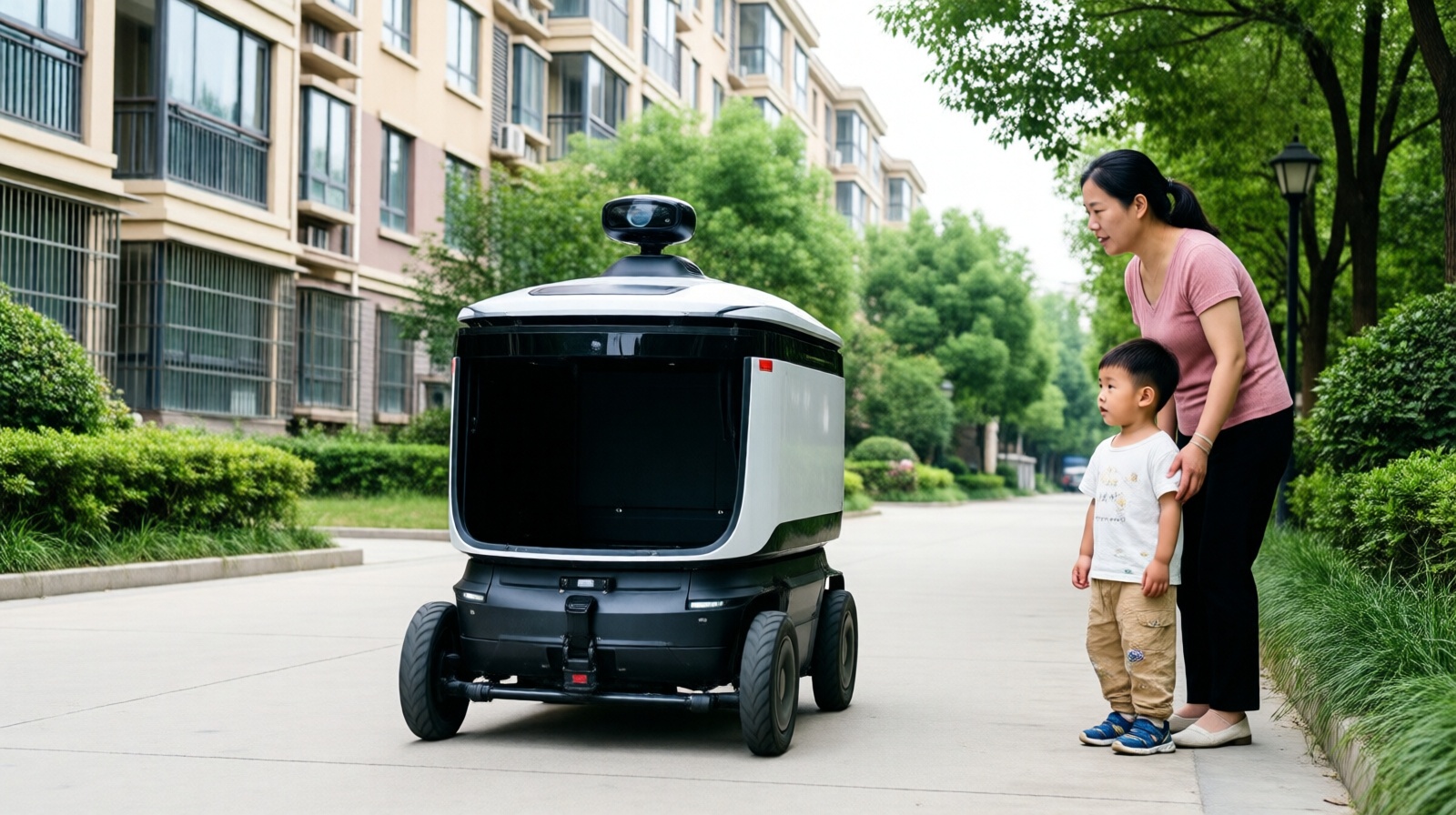
In the evenings, the industrial park’s restaurants fill with engineers talking about algorithms and end-effectors. In a nearby apartment complex, a robot delivery cart travels along the sidewalk, bringing meals to residents. Kunshan’s streets may not look like a sci-fi movie, but the future is quietly embedded in its daily operations.
Lessons from Kunshan
Kunshan’s story offers a glimpse into China’s broader manufacturing transformation. It shows that “Made in China” is no longer just about cheap goods; it is increasingly about smart, automated, and sustainable production. The city’s success also highlights how local governments can nurture high-tech industries through infrastructure, tax incentives, and long-term planning.
Of course, challenges remain. Like many places in China, Kunshan faces an aging population, rising costs, and fierce competition from other regions. But its robot industry is a sign of resilience and adaptability.
A City Built on Grit and Innovation
Standing in front of Kunshan’s robot museum—a repurposed factory with exhibitions of flying drones and humanoid robots—it’s easy to feel the city’s pride. This is a place that never stops reinventing itself. For visitors, the message is simple: the future of manufacturing is being written here, in a county that most of the world has never heard of.
That’s the beauty of Kunshan: it doesn’t need to be a capital to lead. It just builds things—better, faster, and smarter.
Start the discussion at forum.chinacomes.com