

Breakfast at 6 a.m., Factory Floor at 8
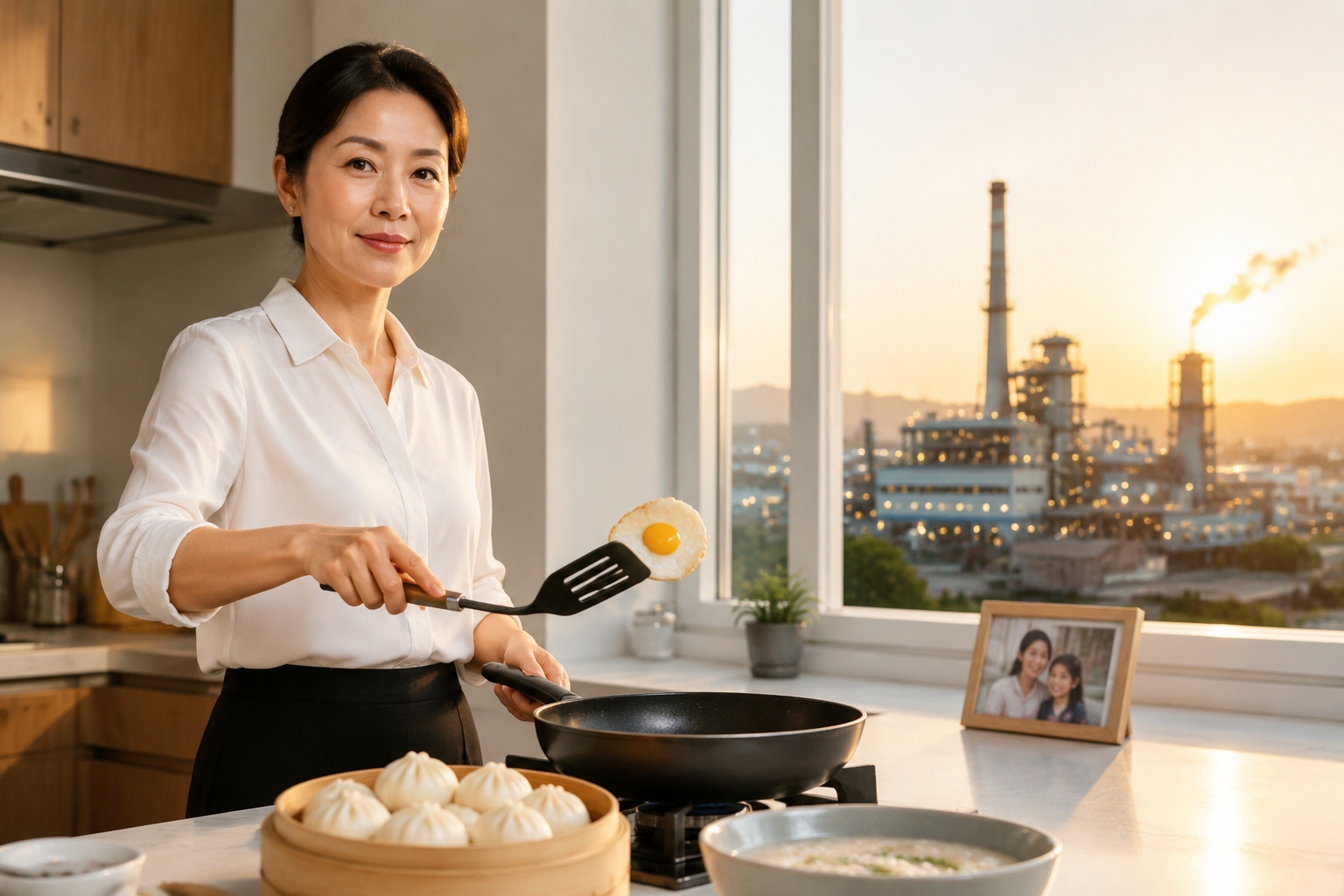
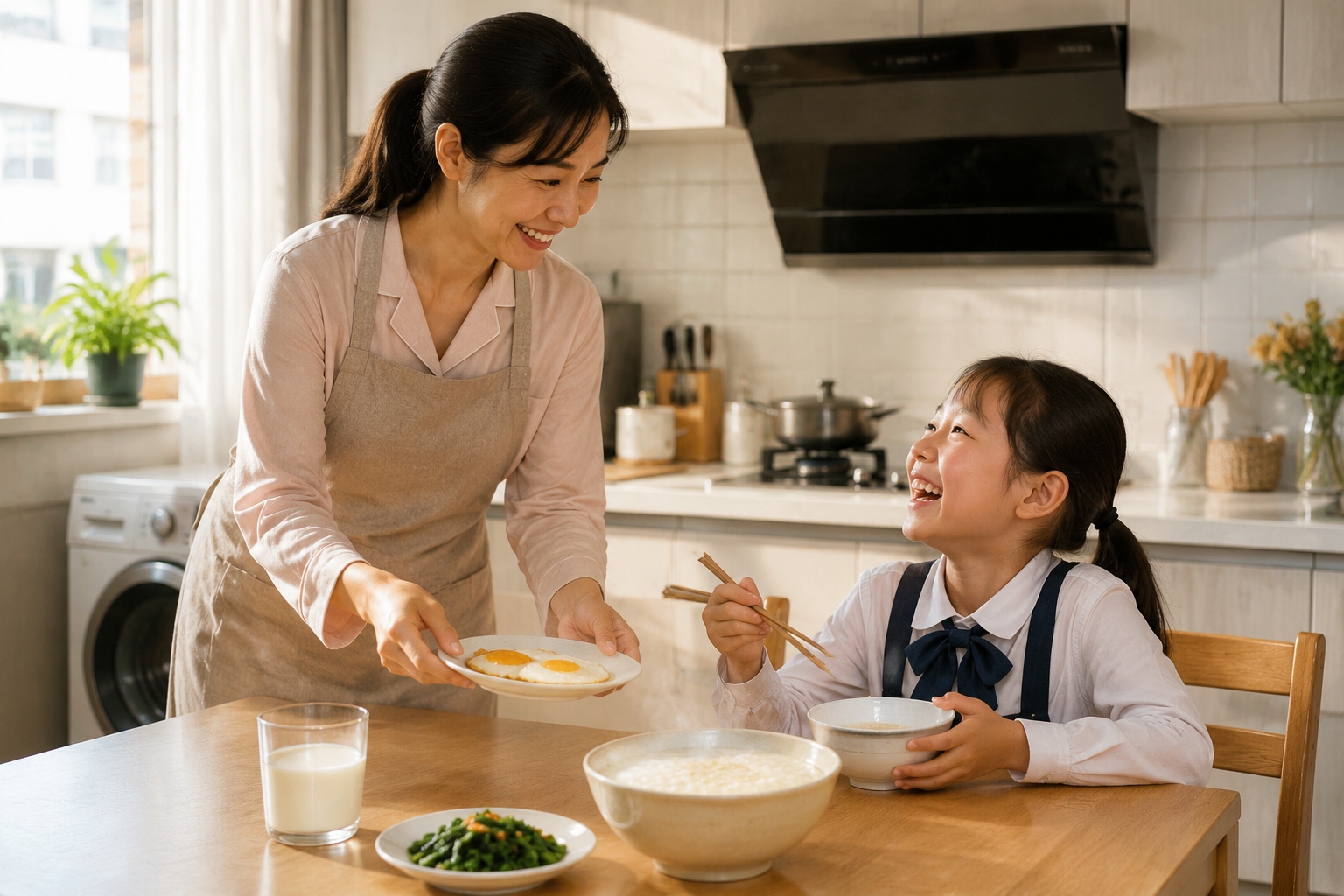
The alarm goes off at 5:45. Li Mingxia, 42, slips out of bed, splashes water on her face, and walks into the kitchen. By 6:15, she’s flipping a golden omelet while her daughter, 9-year-old Xiaoxiao, sits at the table, still rubbing her eyes. The rice porridge is already bubbling on the stove. A bowl of chopped scallions sits beside a plate of steamed buns.
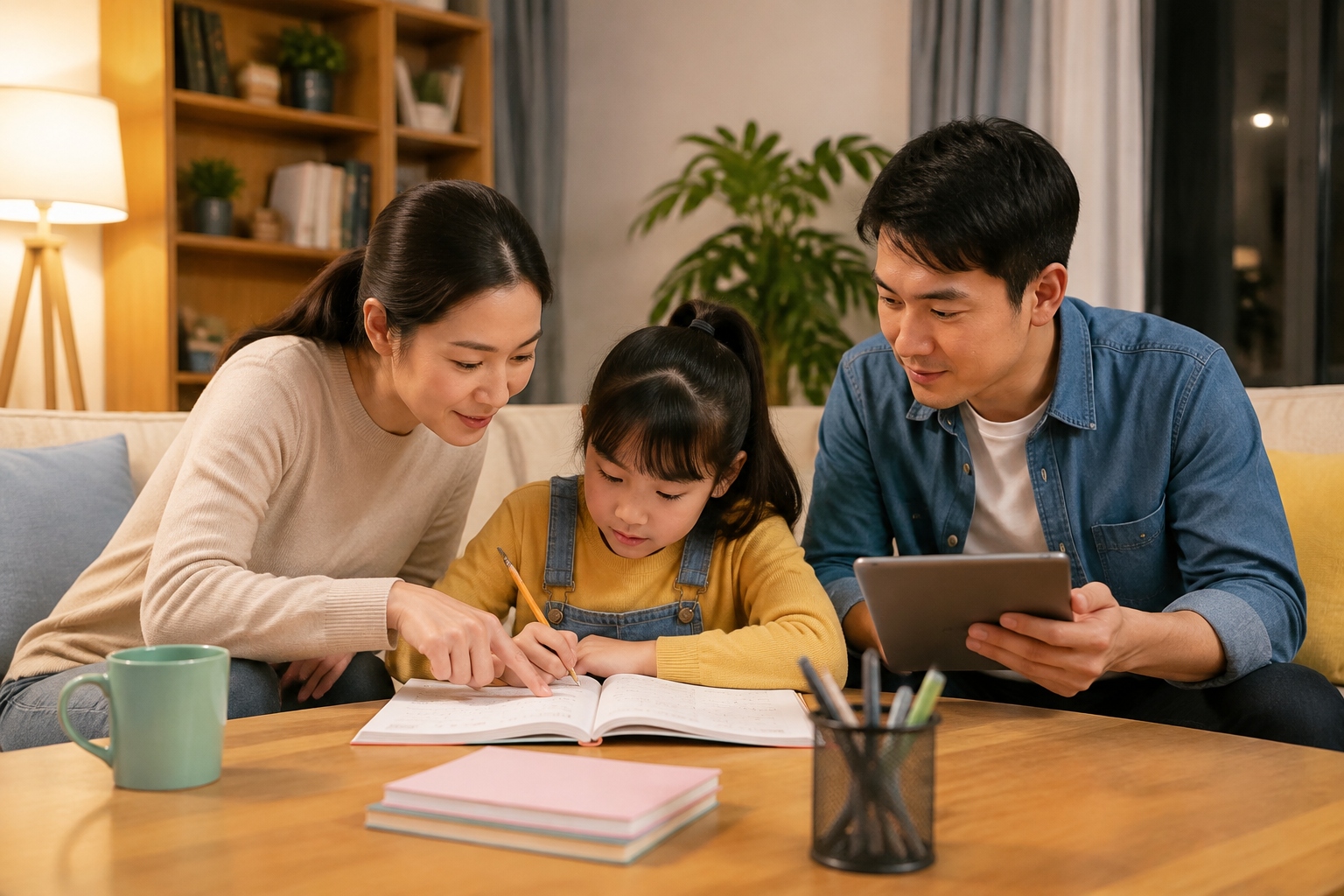
This is not a scene from a lifestyle magazine. It’s a typical Thursday morning in Dongguan, a manufacturing city in southern China’s Guangdong province. Li is the founder and CEO of a company that makes precision components for electric vehicles. The factory runs 24 hours a day, employs 3,000 people, and ships parts to automakers across Asia. But tonight, she’ll be home by 7 p.m. to help Xiaoxiao with her math homework.
“Some people ask me why I don’t just hire a cook or a nanny,” Li says with a laugh, pouring a glass of soy milk. “Sure, I could. But breakfast is the only quiet time I get with my daughter. She tells me about school, and I don’t have to look at a phone.”
The Weight of Two Worlds
Li’s story is unusual, but not as rare as you might think. In China, women make up nearly half of all entrepreneurs, and a growing number are running manufacturing businesses—traditionally a male-dominated field. A 2023 report by the China Enterprise Confederation found that about 30% of new enterprises in the Pearl River Delta were founded or co-founded by women. Many, like Li, are balancing the pressure of a capital-intensive factory with the social expectation of being a devoted mother.
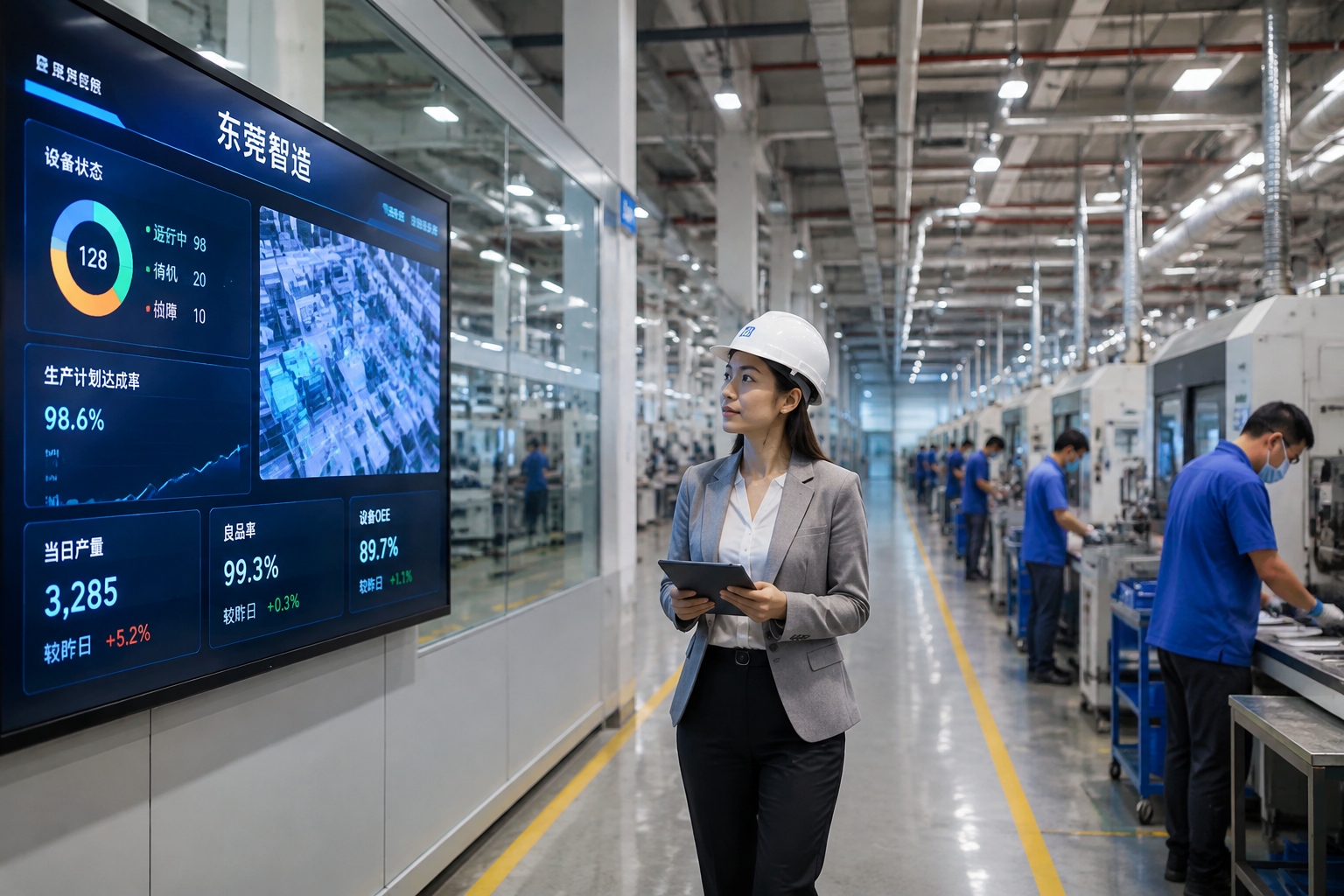
Her factory is a world of numbers: 50,000 square meters of floor space, 1,200 machines, 3,000 workers on three rotating shifts. She knows the names of almost all her team leaders. She walks the production line every morning, checking quality, talking to mechanics, solving problems on the spot. “A factory is like a living thing,” she says. “If you don’t listen to it, it will tell you in other ways.”
But the biggest challenge isn’t the machines—it’s time. Li schedules her day like a military operation. From 8 a.m. to 12 p.m. she handles orders, meetings, and urgent decisions. From 2 to 5 p.m. she visits clients or meets with suppliers. She’s strict about not scheduling anything after 6:30 p.m. unless it’s a genuine emergency.
“I have to be ruthless about priorities,” she explains. “If I’m late to the factory, production still runs. If I’m late to pick up my daughter, she’s waiting alone at the school gate. That I cannot do.”
Why This Feels Different in China
For overseas readers, it might be surprising to see a top executive making breakfast at dawn. In many Western countries, flexible work arrangements and shared parental leave have made the “lean-in” narrative somewhat more comfortable. But China is different. The social contract here often places strong expectations on women to be both successful at work and fully present at home. The term “women who do everything” (女强人, literally “strong woman”) carries both admiration and a hint of sympathy.
At the same time, China’s one-child policy, relaxed in 2016, has created a generation of families deeply invested in their only children—especially daughters. Xiaoxiao’s generation of girls is pushed to excel in school, music, and sports. Their mothers, many of whom came of age during China’s economic reform, are determined to give them every opportunity.
But there’s also a practical side. Childcare in China is often handled by grandparents. Li is lucky—her mother-in-law lives nearby and picks up Xiaoxiao from school on days when Li has late meetings. But this support isn’t always available. In smaller cities, many female entrepreneurs juggle children with limited help, and “balance” often means compromise.
“I don’t believe in perfect balance,” Li says, stacking a bowl of fruit for Xiaoxiao. “Every day you negotiate with yourself. Do I stay for this extra meeting, or do I go home and read bedtime stories? There’s no right answer. You just make a choice and don’t look back.”
The Balance Isn’t Perfect—It’s Practical
Li’s morning routine is a success story, but it’s also a system built on small sacrifices. She wakes up early, yes, but she falls asleep by 10 p.m. most nights. She rarely socializes with friends on weekdays. She has learned to delegate at work—a hard lesson for many entrepreneurs who obsess over every detail.
“When I started the factory 15 years ago, I tried to control everything,” she recalls. “I was exhausted, and my daughter was growing up without knowing me.” Then, five years ago, she hired a professional operations manager. Now she reviews production data on her phone instead of standing over every machine.
That data flows through a system of sensors and dashboards—a common sight in China’s smart factories. Li points to a screen showing real-time output and energy use. “This is how I can be at the school gate by 3:30 and still know exactly what’s happening on the floor.”
But technology only goes so far. There are days when Xiaoxiao has a fever, or a client threatens to walk away with a big order. Li says she has learned to ask for help—from her husband, a software engineer who often works remotely and splits school runs; from her employees, who know their boss is reachable on WeChat; and from her community, where neighbors occasionally help out when she’s stuck.
What Her Story Says About Chinese Women at Work
Li Mingxia is not a celebrity or a poster child. She’s one of thousands of women in China who are quietly rewriting the rules. Her story stands out because it shows how far women can go when education, economic growth, and a bit of luck come together. It also reveals the invisible effort required to keep both a factory and a family together.
In the latest Global Gender Gap Index, China ranks 107th out of 146 countries—behind many developed nations but ahead of several regional peers. The gap is widest in political representation, but in business, Chinese women are making strides. A 2022 study by the Mastercard Index of Women Entrepreneurs placed China at 20th in the world for women’s business ownership, ahead of Germany and France.
Still, society remains complex. Older generations may view a working mother with suspicion, while younger women push for equal parenting. Li’s husband, for example, takes paternity leave—a benefit only recently available in many Chinese companies. He also shares the mental load. “He’s not the ‘babysitter dad’ who helps sometimes,” Li says. “He’s a parent, just like me.”
That shift in mindset may be the biggest change of all. When Li was a girl, her own mother was a factory worker who never owned a business. Today, Li runs a factory and owns a house in Guangzhou. “I want Xiaoxiao to know that being a woman never limits what you can do,” Li says. “But I also want her to know that being a mother is not a limitation—it’s a source of strength.”
As she finishes wiping the table, Xiaoxiao puts on her school backpack and kisses her mother on the cheek. Li grabs her keys and heads out. In two hours, she will be talking about supply chains with a client from Germany. “You know,” she says, looking back at the empty breakfast plate, “I might not have it all figured out. But I’m the one who gets to decide what that looks like.”
Start the discussion at forum.chinacomes.com