

An Earthquake Hits a Living Karst Laboratory
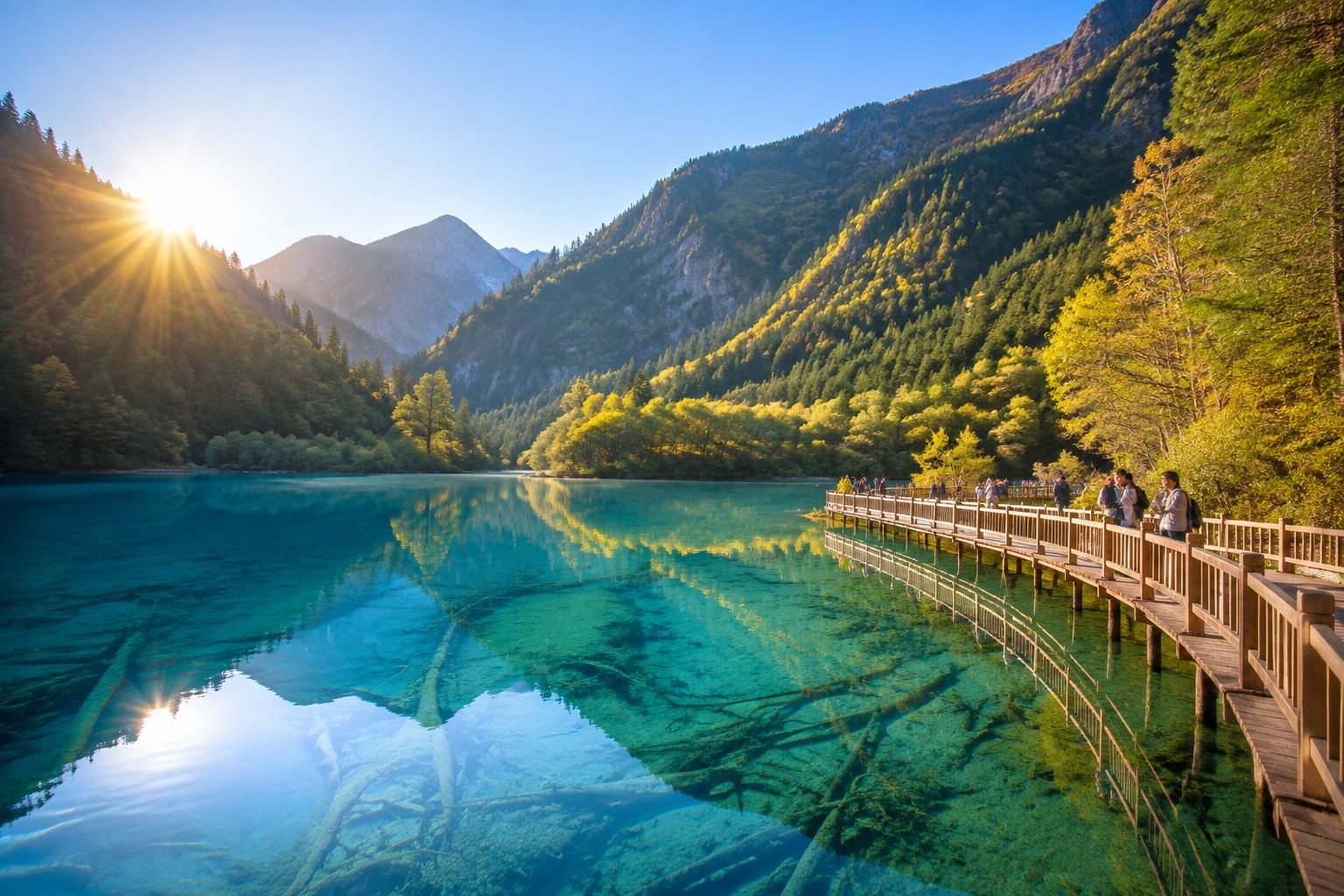
At 9:19 p.m. on August 8, 2017, a 7.0-magnitude earthquake struck Jiuzhaigou County in Sichuan Province. More than 63,000 people were affected, and the landscape itself seemed torn apart. Spark Lake, one of the most photographed spots in the valley, lost most of its water through a breached travertine dam; Nuo Ri Lang Falls narrowed to a stream; and hundreds of landslides scarred the hillsides.
Jiuzhaigou is not an ordinary park. It is a UNESCO World Heritage Site that sits in the transition zone between the Tibetan plateau and the Sichuan Basin, with rare alkaline lakes, large waterfalls and forest ecosystems. For geologists, the lakes are a living karst laboratory, built slowly from dissolved calcium carbonate that crystallizes into dam-like ledges. The earthquake disrupted this thousand-year cycle at geological speed.
Within days, the park closed. Authorities evacuated all 17,000 tourists still inside and began a long-term recovery plan. The public expectation was for a quick fix: restore visitor facilities, bring back the tour buses. But the ecological team saw something else – a unique opportunity to observe how a complex alpine wetland would respond to a major seismic shock.
Bouncing Back in Numbers
By the time the park partially reopened in September 2019, the first estimates were already optimistic. The Jiuzhaigou Administration Bureau reported that vegetation coverage in the damaged area had returned to 95% of its pre-quake level. Since then, the numbers have stabilized. Monthly water quality sampling, conducted jointly with local environmental authorities, shows all 78 monitored lakes are within China’s Class I surface water standards for pH, ammonia nitrogen and total phosphorus.
The most telling data comes from sediment and turbidity. Immediately after the quake, the concentration of suspended sediment in some lakes reached 356 mg/L, making the water look like chocolate milk. Within eighteen months, that figure fell to an average of 4.6 mg/L. That means the filter systems – soil, roots and shallow groundwater – had regenerated.
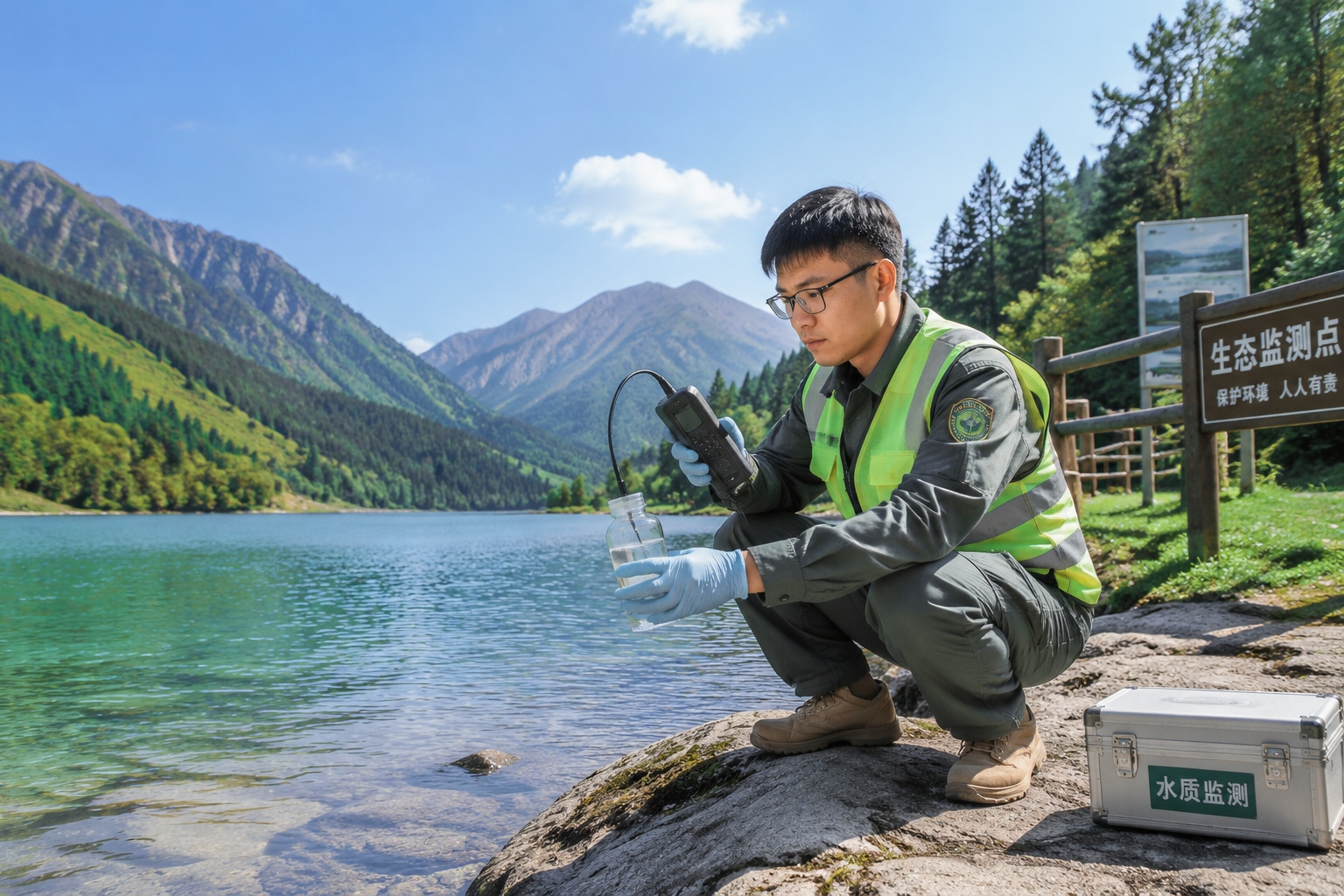
Terrestrial areas also show a measurable recovery. Along 15 fixed monitoring transects, native alpine shrubs and grasses covered more than 80% of the exposed slopes by 2022. In badly affected conifer forests, saplings are naturally surviving at a density of 1,500 per hectare, which foresters say is close to a silver-standard regeneration level. Camera trap data from 2023 recorded 14 snow leopards, 11 Himalayan musk deer and 23 blue sheep across the park’s high-altitude zone, an indication that the larger food web is back in place.
Spark Lake: A Test of Human Intervention
The most debated question in the recovery was whether to rebuild Spark Lake. The lake lost nearly 70% of its water when its tourist-side dam collapsed. Some environmentalists argued for letting nature decide, fearing that rebuilding would create a fake landscape. But the local management agency, together with UNESCO advisers, chose a middle path: reconstructing the dam with local stones and clay to mimic the original travertine structure, while allowing active processes to refine the shape.
The intervention worked. Water levels returned to 86% of the pre-quake figure by 2021. More importantly, the lake has begun to deposit new calcium carbonate again at a rate of about 3.8 mm per year, a healthy sign for a self-sustaining lake system. In 2022, a team from the University of Electronic Science and Technology of China used underwater sonar to map the lakebed; the data showed a mosaic of natural basins and pools that are now attracting fish and algae communities.
Clever Repair: Using Native Plants and Old Techniques
One of the cleverest recovery tools has been a technique called “wattling”, borrowed from Chinese rural road construction. On unstable slopes, workers insert short willow branches into the earth in crisscross patterns, then cover them with soil loaded with seeds of local alpine grasses. This method is cheap, uses no heavy equipment, and creates a green grid that anchors the soil. In the monitoring plots where wattling was applied, the survival rate of planted vegetation reached 93%, compared to 41% on similar slopes left bare.
High-tech also plays a role. The park now runs a real-time environmental monitoring system that tracks water level, temperature, rainfall and even the movement of boulders using geophones. This data feeds into a central “ecological dashboard” used by the administrative committee. In the coming years, the AI-based system may predict landslide-prone points before they become a danger.
What It Feels Like to Visit Now
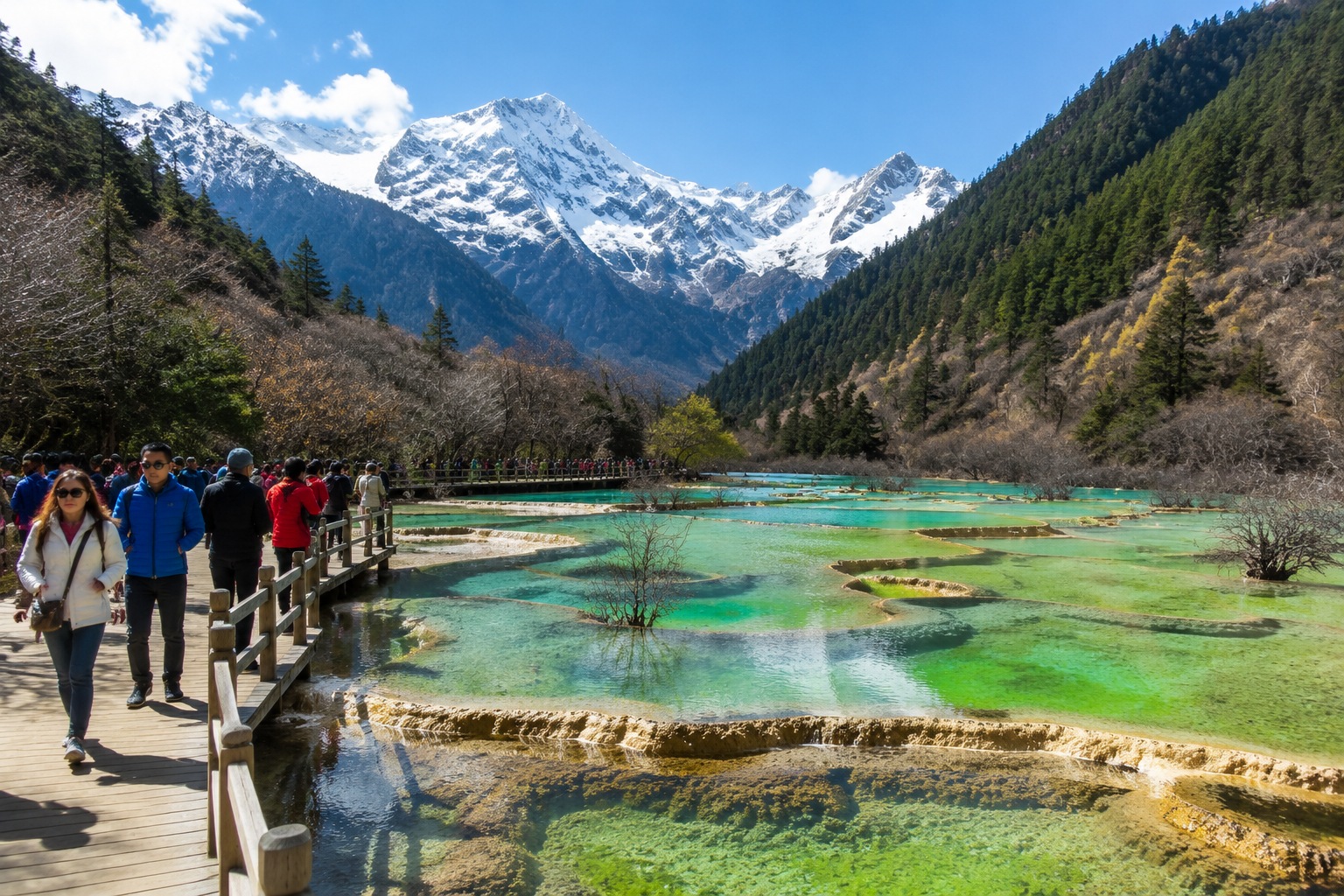
On a crisp autumn morning, I walk the new boardwalk around Lake Five Flower. There are fewer selfie sticks than in 2016, and the occasional shuttle bus moves quietly along the valley floor. The water is so clear I can see fish swimming above the white travertine terraces. Visitors today are part of a carefully managed system: ticket booking is tied to personal IDs, daily admissions are limited to 23,000, and there are permanent “rest areas” where visitors are not allowed, to protect wildlife corridors.
This balance of protecting and enjoying the landscape is what the locals call “you wouldn’t want to kill the goose that lays golden eggs.” Local guide Tsering, who has worked in the park for 12 years, says the crowds feel a little smaller than before, but the guests stay longer and spend more on eco-friendly tours. “The earthquake slowed us down. We finally had time to learn how fragile this place is,” he says.
Beyond Jiuzhaigou: What the World Can Learn
The ten-year dataset from Jiuzhaigou is now shared with international research programs, including the UNESCO World Heritage Centre. The main message is simple: nature can recover quickly if the stressor is removed and if restoration respects natural processes. This is not about leaving the site alone – selective human actions like rebuilding Spark Lake and stabilizing slopes were crucial. But it is about knowing when and where to act.
In a country that has often been criticized for high-speed construction, Jiuzhaigou’s recovery has been remarkably slow and patient. The site was closed for over a year, and access limits remain. Some roads within the scenic area were deliberately not rebuilt to keep tourist pressure lower. This is a model that could apply to other vulnerable sites in earthquake-prone mountains, from Nepal’s Annapurna region to the Rockies.
Ten years later, the water is clear, the forests are regrowing, and the animals have returned. But the deepest change is not in the landscape. It is in the relationship between people and this fragile place – a relationship that now respects the natural timeline instead of trying to override it.
Start the discussion at forum.chinacomes.com