
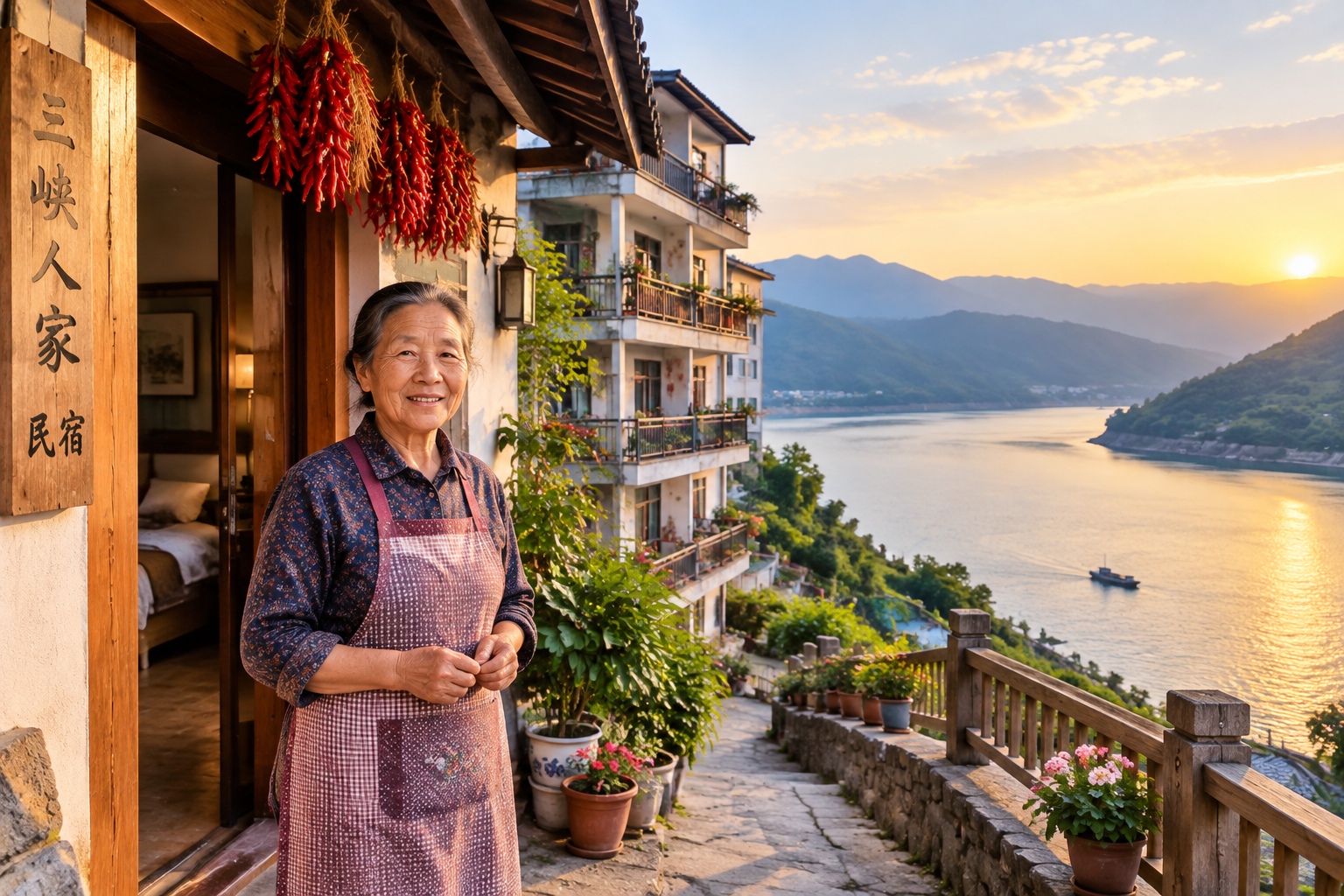

On a damp afternoon, I sit in a small tea house in Maoping, a town that exists because of the Three Gorges Dam. The owner, 63-year-old Huang Limei, finishes chopping peppers and wipes her hands on her apron. She gestures toward the river below, now a wide, placid reservoir. ‘My old home is under that water,’ she says calmly. ‘We had two peach trees in the yard. They’d bloom pink every spring.’ Huang is one of the more than 1.3 million people who were relocated to make way for the Three Gorges Dam, the world’s largest hydroelectric project. Over a cup of locally grown oolong, she tells me how she and her neighbors have spent the past decade rebuilding everything except the things that can’t be rebuilt.
The Relocation That Changed a Region
The Three Gorges Dam, completed in 2012, stretches 2.3 kilometers across the Yangtze River. Its reservoir extends 660 kilometers upstream, flooding 13 cities, 140 towns, and 1,300 villages. To house the displaced, the government built 120 new towns and cities. More than one million people received new apartments or houses, accompanied by compensations that ranged from several thousand to over a hundred thousand yuan, depending on the size and land. The scale was unprecedented; so was the emotional upheaval. People who had tilled the same soil for a thousand years were asked to pack, move, and start over.
A New Home in a New Town
Huang Limei’s new home sits in a five-story building with an elevator—a luxury her old house never had. The apartment has 80 square meters, two bedrooms, and a sunny balcony. ‘The first time I saw a modern bathroom, I didn’t know how to use the shower,’ she laughs. But convenience did not ease loneliness. In the early years, she often stood on the balcony, staring at the unfamiliar landscape. ‘The mountains are the same, but the village is gone. There were no sounds of roosters or the smell of wood smoke.’ Slowly, the new neighborhood took shape. A clinic opened, then a school, then a park. Women formed a morning exercise group. Men set up a chess table under a camphor tree. On the ground floor, a grocery store and a noodle shop created a social hub. Huang’s own tea house now serves as a informal reception centre for visitors and neighbours alike.

Making a Living After the Flood
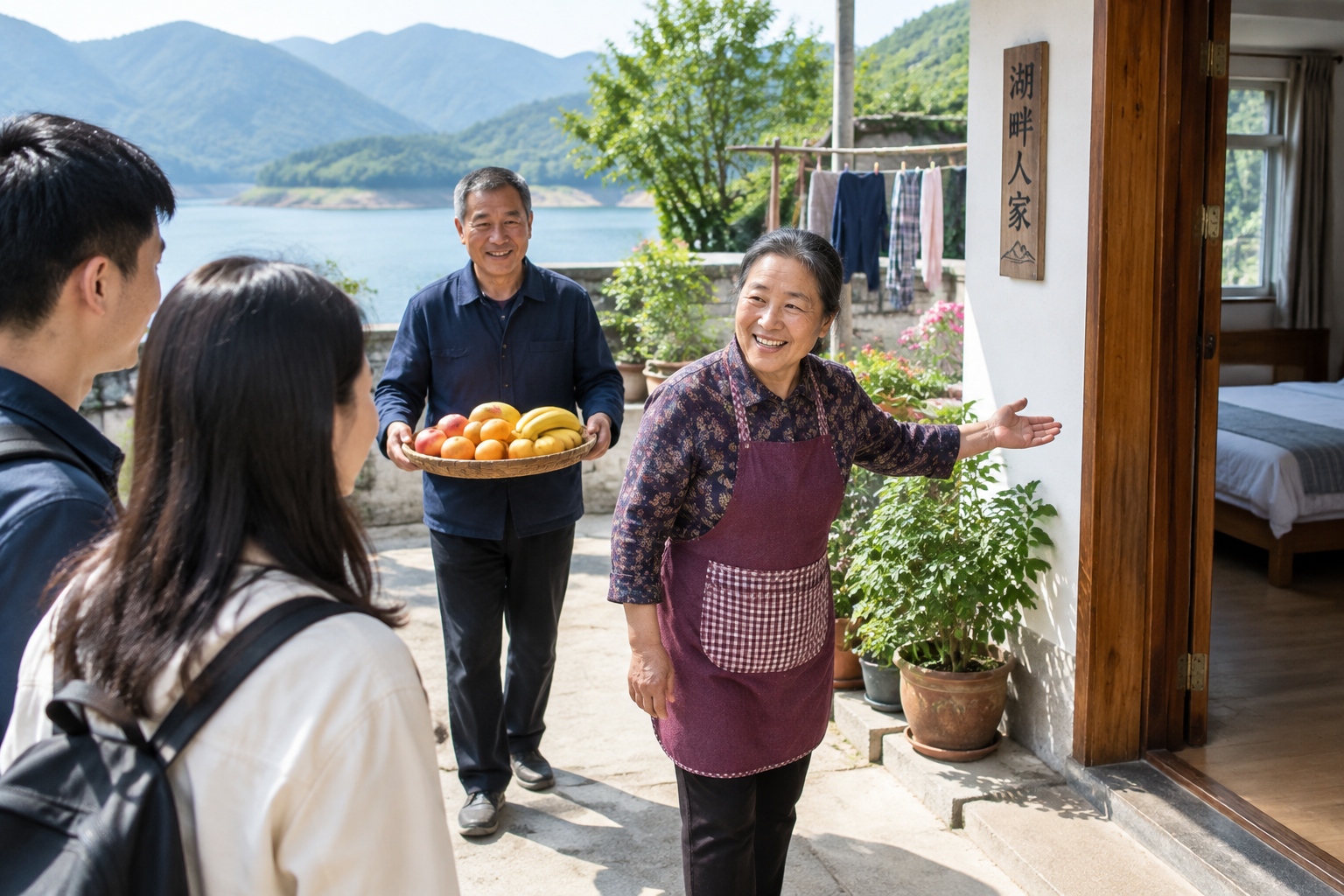
Before the dam, Huang’s family raised chickens and grew rice on the terraced hills. Fish from the river added variety to the dinner table. All that changed. The reservoir swallowed terraces, and fishing was banned in the main channel. The government stepped in with vocational training and small loans. Some former fishermen invested in sightseeing boats that cruise the calm water. Others took jobs in hydropower-related companies. Huang took a different route. She learned to make traditional pork jerky, a specialty of the region, and opened a shop selling it to tourists. In 2018, she expanded into a guesthouse. During the May Day holiday, she turns away customers—all 10 rooms are booked. Nearby, orchards of navel oranges cling to new terraces. The fruit, known as ‘Sunkist’ locally, is now shipped across China. ‘We didn’t ask for this, but we adapted. What else can you do?’ she says.
Keeping Memory Alive
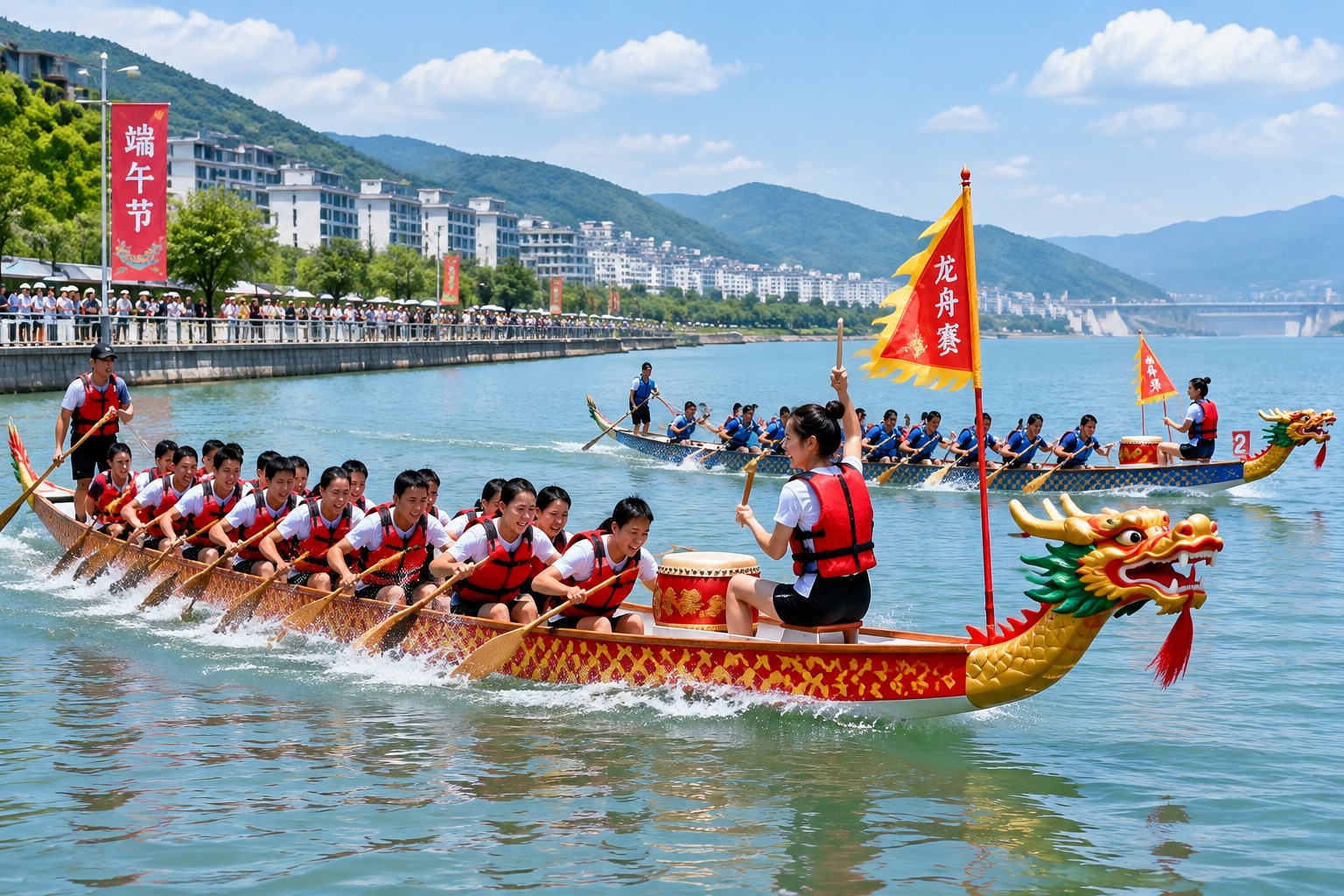
The flooding erased physical places, but not the collective spirit. The region’s most beloved landmark, the Qu Yuan Temple, dedicated to a famous ancient poet, was dismantled and moved piece by piece to a hillside above the new county town. Locals carefully packed each carved stone. Today, it stands as the soul of the community. Festivals also survive. On Dragon Boat Festival, teams of dragon boats race on the reservoir, their paddles splashing in the same river that once flooded their fields. Huang’s family keeps a small wooden chest filled with soil from their original land. ‘When my mother died, we put some of this soil in her coffin, so she could be buried in her own dirt,’ Huang says quietly. The chest remains on a shelf, a link between generations.
Young Voices: Leaving and Returning
The resettlement accelerated new opportunities and new disparities. Many young people from the Three Gorges area moved to Beijing, Shanghai, or Shenzhen for higher-paying jobs. The towns along the reservoir began to grey. But some have returned, drawn by rising tourism and the pandemic’s push for domestic travel. Twenty-six-year-old Lin Tao grew up in a relocated family. After studying tourism management in Chongqing, he came back to open a café with a view of the water. ‘My parents think caffeine is a weird business. But the tourists come, and even some locals now drink lattes,’ he says, laughing. Lin also uses short-video apps to promote local orange products, selling more than 100,000 yuan worth in a single month. He sees his generation as connectors between the old world and the new. ‘My grandfather learned to farm by watching his father. I learned to code online. Both are valuable.’

The Unfinished Side of the Story
No honest portrait of life after the dam would ignore its bruises. Some families received compensation that felt thin against rising property prices. Elderly residents struggle with cold, institutional buildings and miss their village courtyards. Psychologists in Maoping report cases of depression and anxiety among the first-generation resettlers. Small landslides have occasionally damaged roads, and the reservoir’s water level changes can leave muddy banks that smell. Environmental activists have pointed to stress on aquatic life, prompting stricter pollution controls. Huang Limei admits that the first decade was exhausting. ‘We had to learn everything again: how to use appliances, how to pay property fees, even how to buy vegetables in a supermarket.’
Strength in Ordinary Places
As I leave, Huang hands me a bag of dried oranges. ‘For your journey,’ she says. Standing at the gate, she adds, ‘I never thought I’d have a washing machine or heat the house in winter. In many ways, life is easier now. But the sound of the river at night—that I miss.’ The Three Gorges Dam is a marvel of engineering. Its turbines spin beneath a lake that covers centuries of villages. Yet the true measure of the project lies in what people have made of their second chapters. From tea tables to dragon boats, from orange groves to smartphone screens, the people of the Three Gorges have turned a forced displacement into a quiet persistence. They don’t romanticize the past or deny the future. They simply carry forward, one cup of tea at a time.
Start the discussion at forum.chinacomes.com