
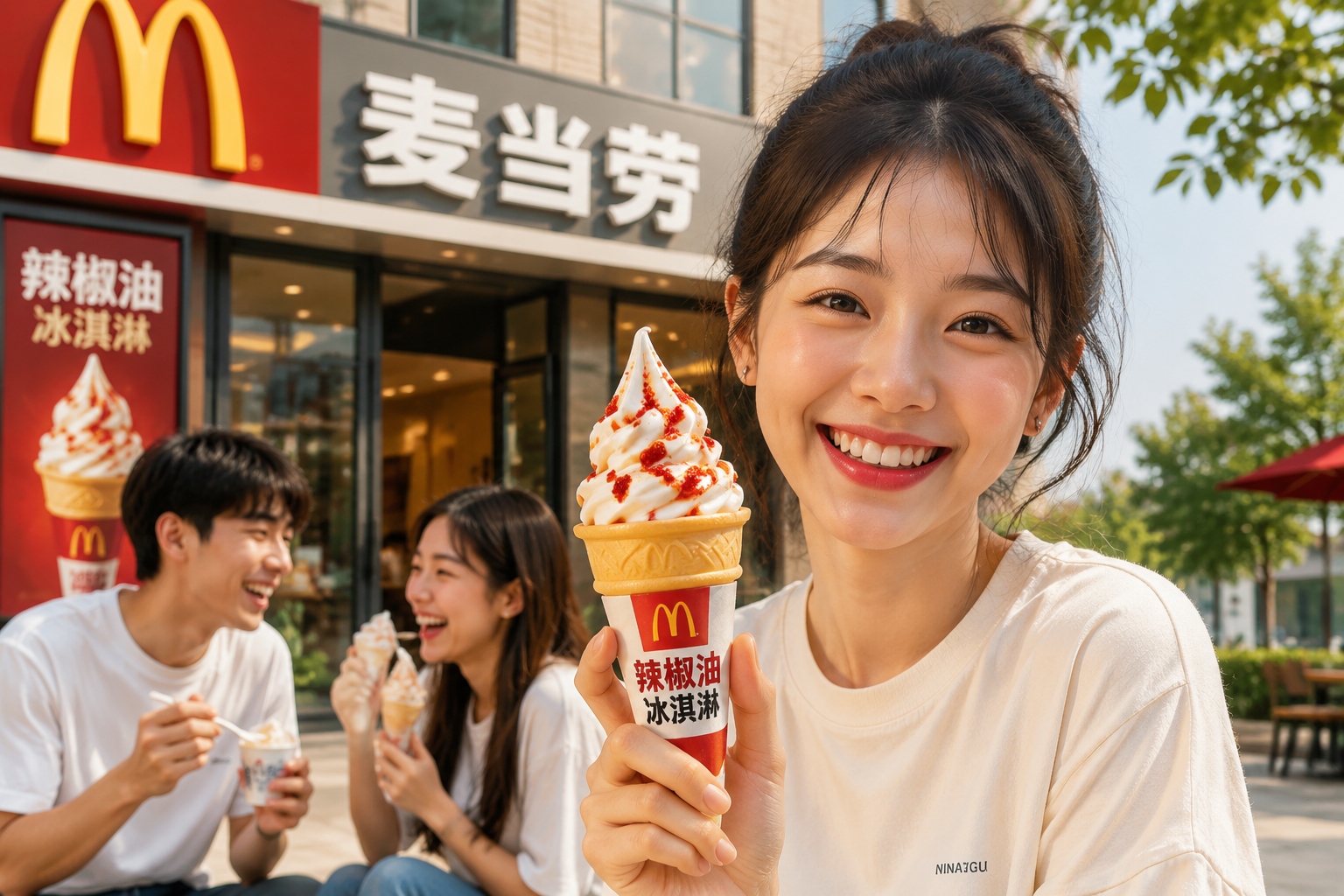

When a Big Mac Meets a Breakfast Ritual
Walk into a McDonald’s in downtown Shanghai and you might feel a flicker of déjà vu—the same golden arches, the same red trays, the same unmistakable smell of fries. But then you glance at the menu board and stop. There, next to the classic Big Mac, are photos of flat, golden youtiao (fried dough sticks), steaming bowls of congee, and cups of soy milk. And if you’re lucky, you might catch a seasonal special: a soft-serve ice cream topped with a spoonful of bright, fragrant chili oil. Welcome to McDonald’s China, where the global icon has learned to speak fluent local.
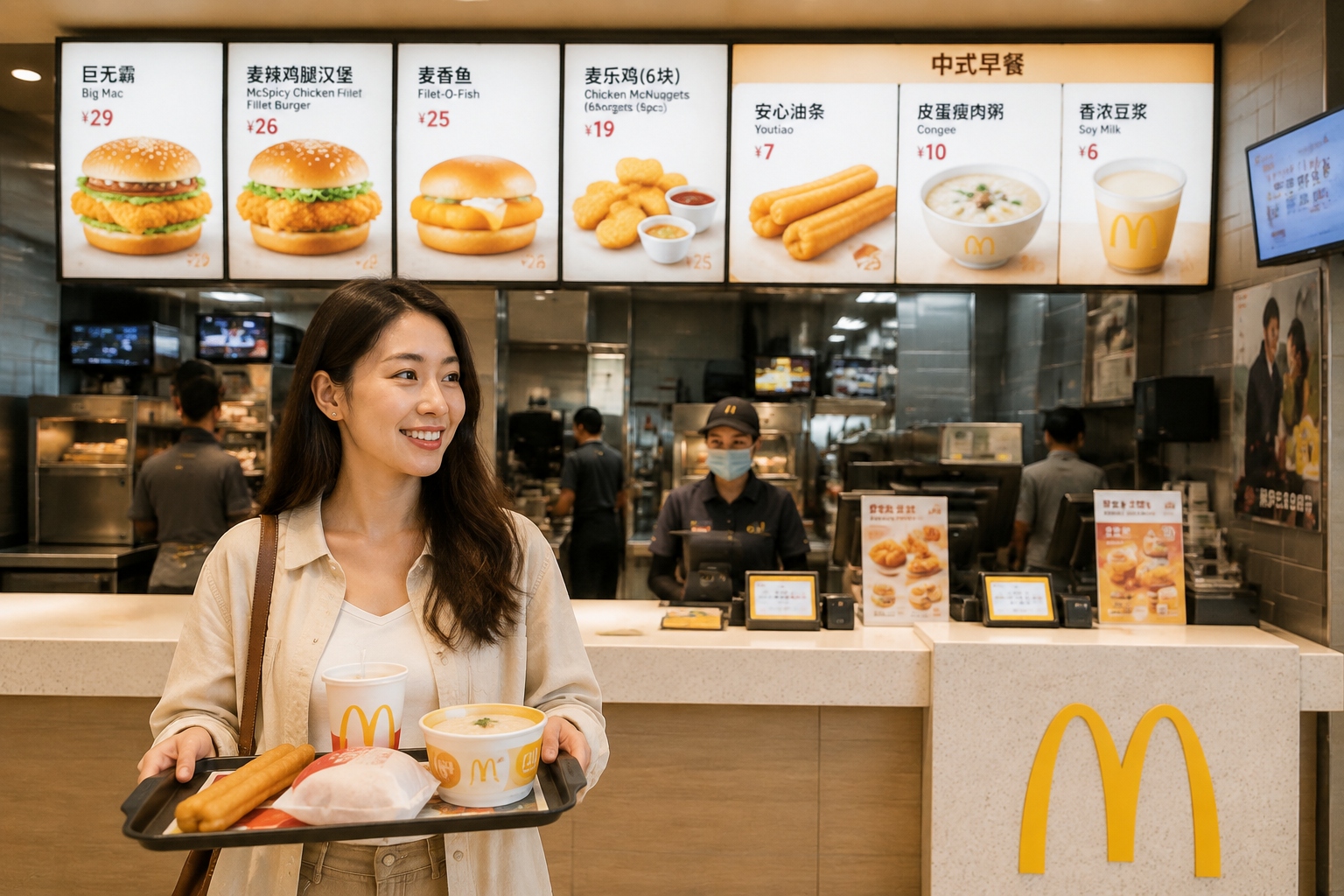
How McDonald’s Learned to Love Chinese Breakfast
This is not a recent experiment. McDonald’s first cracked open its gates in Shenzhen in 1990, and by 1992 it expanded to Beijing with a flagship store on Wangfujing. The company quickly realized that a one-size-fits-all menu wouldn’t work in a country where food is culture. So they started adapting. One of the earliest hits was the McSpicy chicken burger—a crispy chicken fillet with a peppery Sichuan-style sauce. It became so popular that it now outsells the Big Mac in many regions.
Then came the breakfast items. While Western outlets serve egg muffins and pancakes, McDonald’s China introduced a full lineup of Chinese morning classics: soy milk (both sweet and savory), sesame-flavored youtiao, and rice porridge with sliced greens and pork floss. At first, it seemed odd to see the golden arches selling congee, but it worked. Lines at breakfast time often stretch out the door, not because the food is fancy, but because it feels right.
The secret is that McDonald’s didn’t just copy a recipe; they adapted to local habits. Chinese breakfasts are typically eaten on the go, and they’re often savory rather than sweet. So the breakfast menu is built around that. It’s a simple lesson in cultural listening: when in Rome, do as the Romans do—except when you’re in China, you serve hot cereal and fried dough.
The Chili Oil Ice Cream That Broke the Internet
Now let’s talk about the wildest player on the menu. In the summer of 2022, McDonald’s China unveiled a limited-edition dessert: the Chili Oil Sundae. It was exactly what it sounds like—a smooth, cold vanilla soft serve drizzled with a spicy, aromatic chili oil. The official description promised a “double experience of sweetness and spiciness” that would “startle your taste buds.” It didn’t disappoint. The first bite is cold and creamy, then the heat sneaks in—a slow burn that lingers just enough to make you reach for another spoonful.
The reaction was immediate. Chinese social media platforms like Weibo and Douyin exploded with videos of people trying it. Some made exaggerated gagging faces, others nodded approvingly. There were jokes about “Sichuan people’s dessert of choice” and polls asking whether it was a culinary breakthrough or a crime against dessert. Within days, the hashtag #油泼辣子冰淇淋 had hundreds of millions of views. The ice cream became a must-try for the brave and the curious.
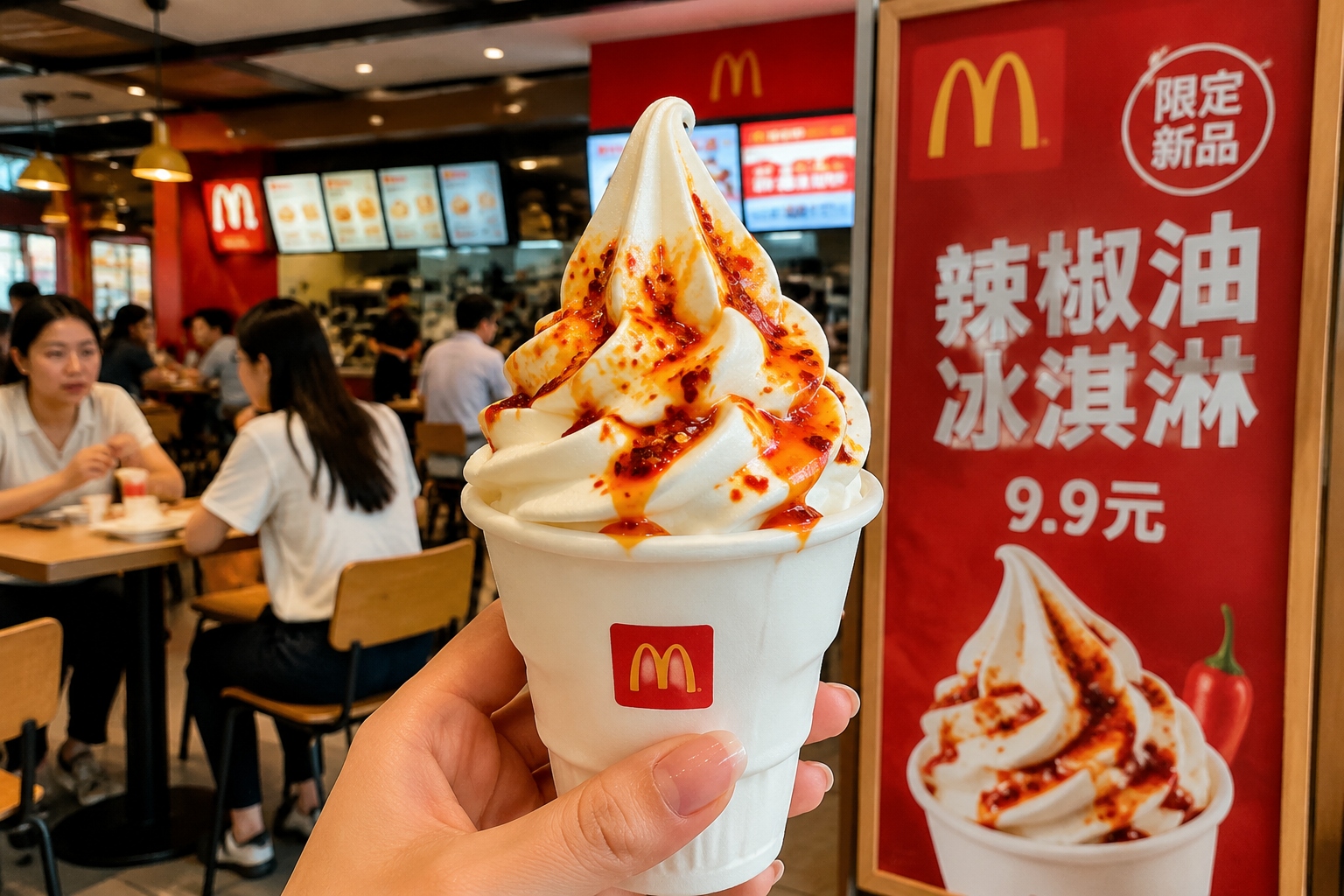
Was it all just marketing? Partly. But there’s more to it than generating buzz. In China’s foodie culture, “trying something weird” is a form of social pastime. People love to film their first reactions, share them, and challenge friends to do the same. A limited-edition product like the chili oil sundae gives people a reason to visit McDonald’s, post about it, and turn the restaurant into a playground.
Sweet, Spicy, or Both? A Cultural Crash Course
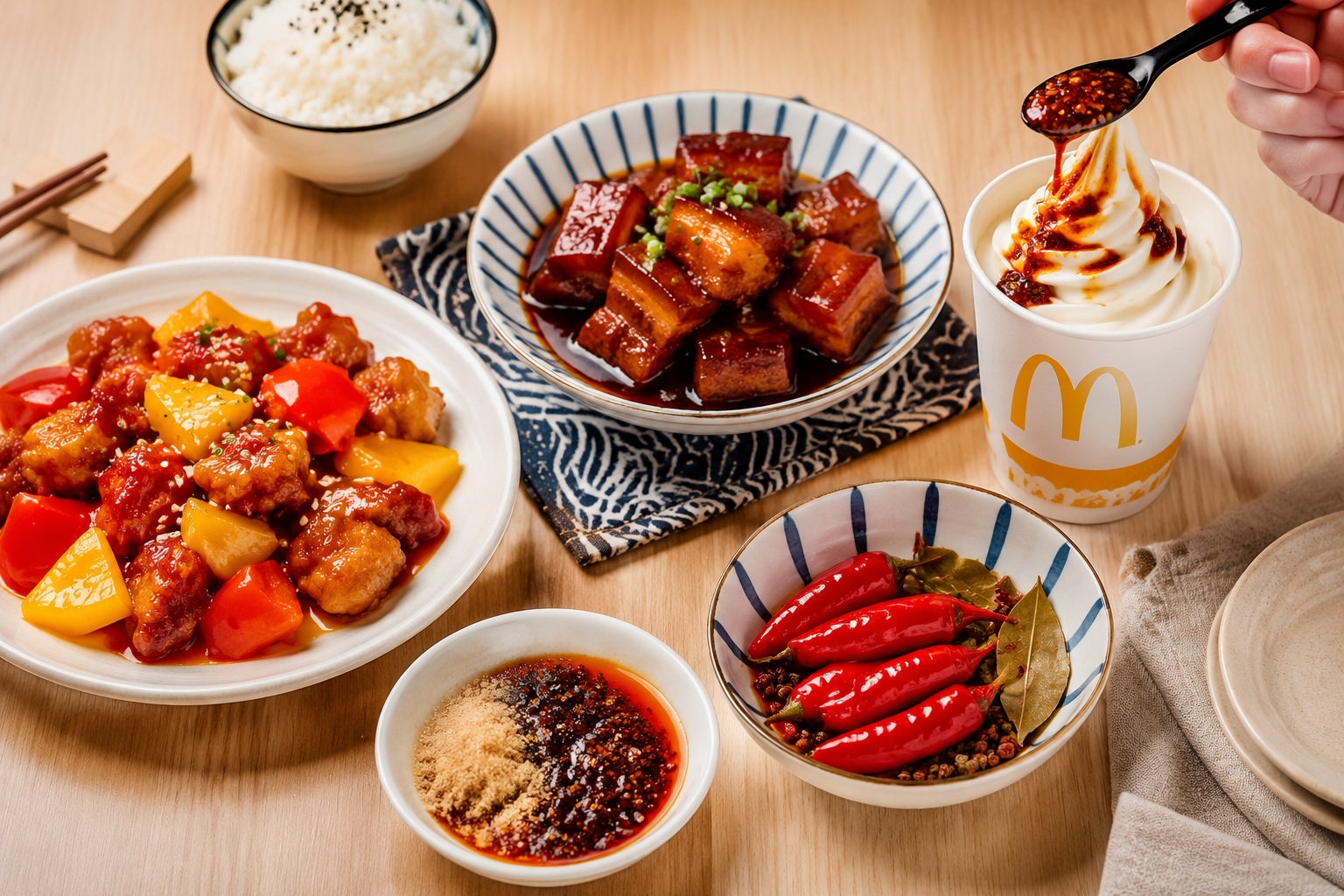
If you grew up in many Western countries, you might think of dessert as the realm of sweet—and only sweet. The idea of chili oil on ice cream might seem, to put it mildly, untraditional. But here’s the thing: the Chinese palate has never been allergic to mixing tastes. Traditional dishes like hongshao rou (red-cooked pork belly) are rich in salt and sugar, while iconic Sichuan snacks often balance numbing spice with a subtle sweetness. Think of mapo tofu—it’s spicy, but it also has a gentle sweetness from the fermented bean paste. Even northern jiaozi are often dipped in a vinegary sauce with a hint of sugar.
This love for flavor collisions is deeply woven into Chinese cooking. So when McDonald’s pairs chili oil with vanilla ice cream, it’s not a strange mash-up from a Chinese perspective. It’s an extension of a familiar philosophy: good food can be sweet, salty, spicy, and sour all at once. The burst of heat cuts through the creaminess, and the cooling effect of the ice cream soothes the burn. It’s a dance of opposites—and it works.
In contrast, Western dessert culture tends to keep sweet and savory strictly apart. There are exceptions—chocolate-dipped bacon, for instance—but they are often seen as novelty fair food, not mainstream. This difference in taste tolerance is exactly why the chili oil sundae fascinated foreign food writers. It’s a delicious example of how deeply food culture shapes what we consider “normal.”
From Fried Dough to Chili Oil: Why Localization Pays Off
McDonald’s China isn’t alone in this game. Its rival KFC also introduced a stinky tofu burger in 2022, and even a hotpot porridge. But McDonald’s has turned localization into a strategy that goes beyond the menu. It’s about staying relevant in a market where food trends move at lightning speed. By embracing local flavors with a wink, McDonald’s positions itself as a brand that’s part of the community, not just a corporate intruder.
And it’s not just about consumer excitement. Localized menus often help companies overcome supply chain and cost challenges by using local ingredients. But more importantly, they build emotional bonds. When a global powerhouse serves you breakfast that tastes like home, it’s hard not to feel a little warmer toward the brand.
Of course, not every experiment wins. Some localized items have flopped, and the chili oil sundae was never meant to replace the classic McFlurry. It was a limited-time offer designed to spark conversation. But that’s the point. In a country where eating is a social event, the most successful menu items are the ones that people talk about over lunch, post about online, and remember months later.
The Takeaway: A Recipe for Winning Hearts
So, why is McDonald’s selling chili oil ice cream in China? Because it’s a clever, daring, and utterly delicious way to say “we get you.” It’s a treat that honors Chinese flavor traditions while still being unmistakably McDonald’s. The golden arches may be American, but the soul of the menu is increasingly local—one youtiao, one spoonful of chili oil at a time.
If you’re ever in China, don’t be surprised to see a line at the ice cream counter for a flavor that sounds like a mistake. Give it a try. You might just discover that the best cross-cultural experiences come in the most unexpected combinations. And hey, at least it’s not chicken-flavored toothpaste.
Start the discussion at forum.chinacomes.com