

A Lunch Table in Jinan
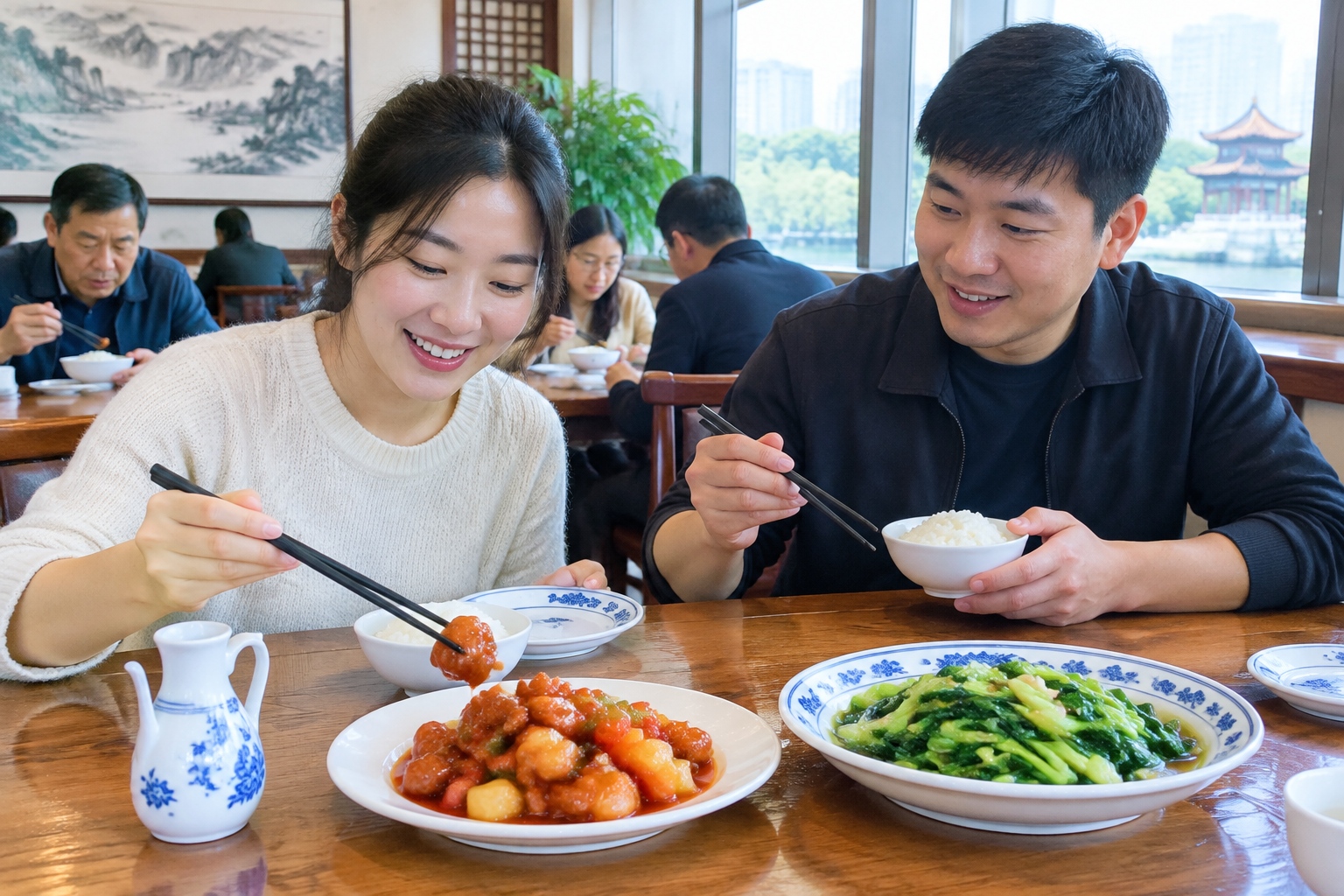
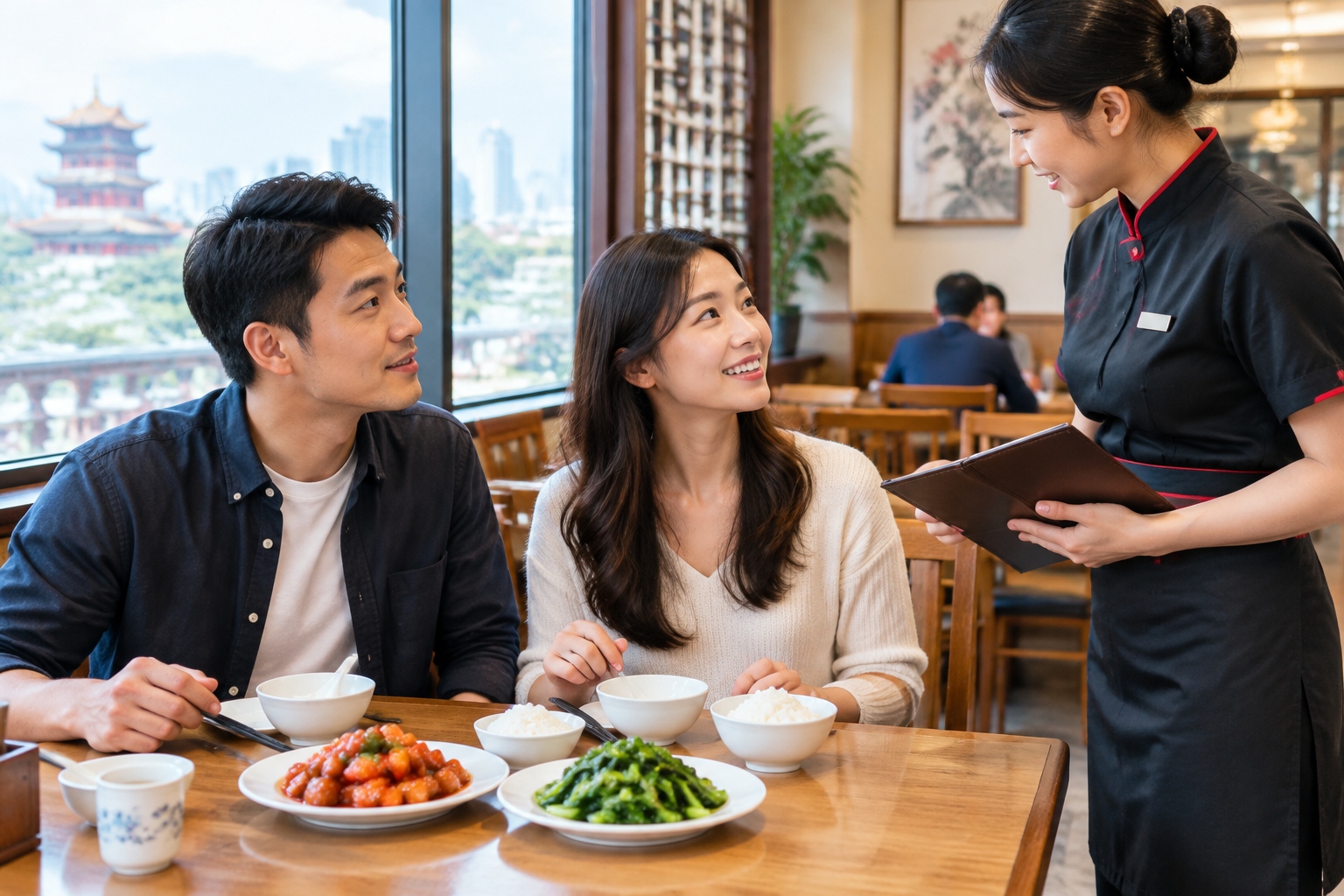
At 12:20 on a weekday, the ground-floor dining room of a Shandong restaurant in Jinan is nearly full. Office workers carry trays of rice and stir-fried greens. A family shares a braised fish. At a table by the window, a young couple orders a small portion of sweet and sour pork, one plate of garlicky greens, two bowls of rice, and a bowl of soup. The server asks whether they want the sauce served on the side. They say yes. Ten years ago, the same table might have held a large plate of sweet and sour pork at the center, with two or three heavier dishes around it. The dish has not disappeared. The way it is ordered, cooked, and finished has changed.
What Lu Cuisine Is, and Why Sweet and Sour Pork Is Everywhere
Lu cuisine, or Shandong cuisine, is one of China’s eight great regional cooking traditions. Its home is the eastern province of Shandong, and its signature is not heat but depth: clear stocks, scallion oil, braised fish, sea cucumber, quick stir-fries, and a strong sense of salt and savory balance. It is less spicy than Sichuan food and less sweet than Cantonese food. In Chinese restaurant culture, Lu cuisine often supplies the technical backbone for banquet dishes and home-style cooking across the north.
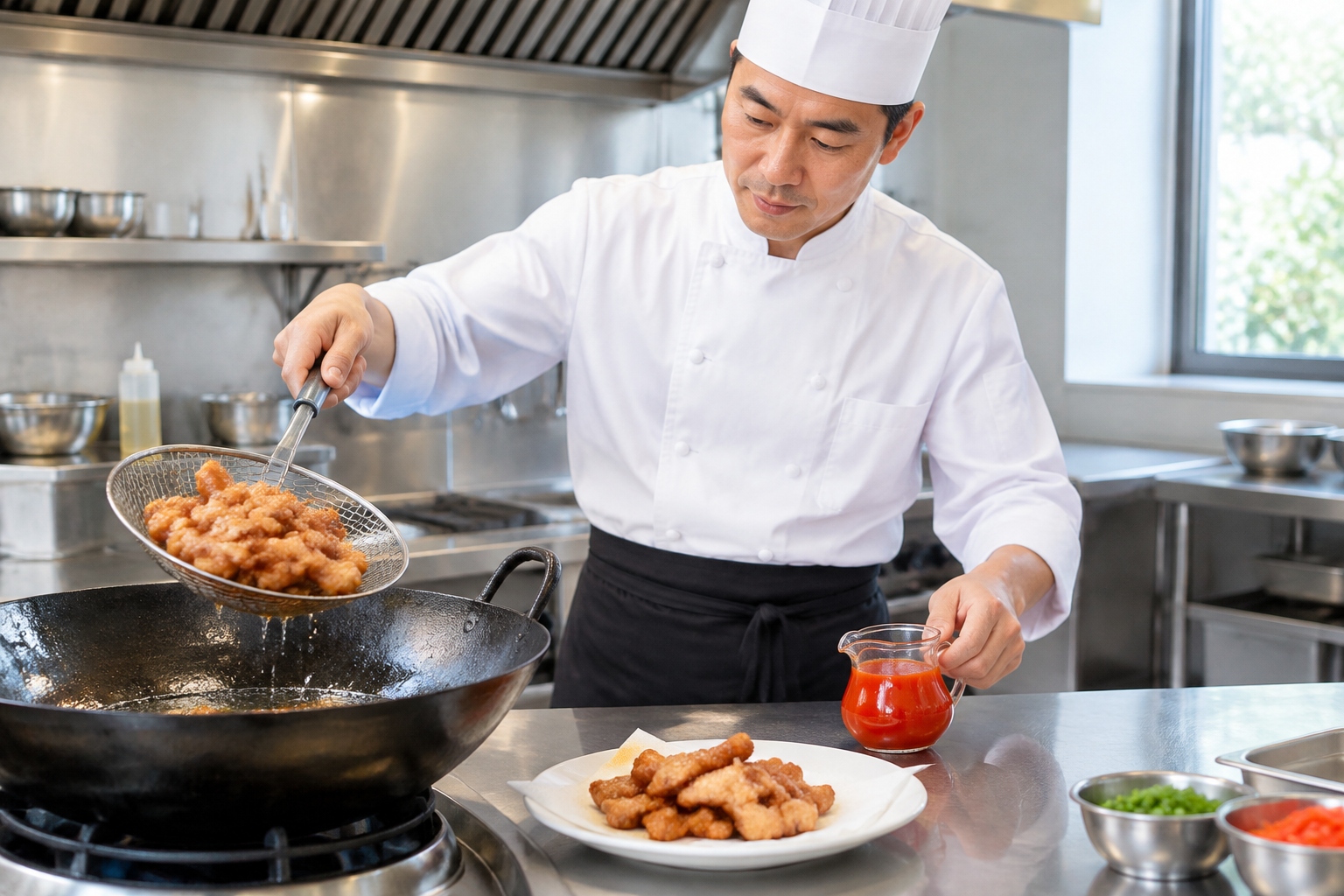
Sweet and sour pork, or tangcu liji, is not the most ceremonial Lu dish. It is a bridge dish: boneless pork tenderloin, a light batter, a fry, and a vinegar-sugar sauce. It appears on menus from Harbin to Shenzhen because it is easy to share, familiar to children, and profitable for restaurants. For an overseas reader, think of it as the Chinese equivalent of a dependable family restaurant dish. It is not a status dish. It is a social one.
The Menu Is Changing, Quietly
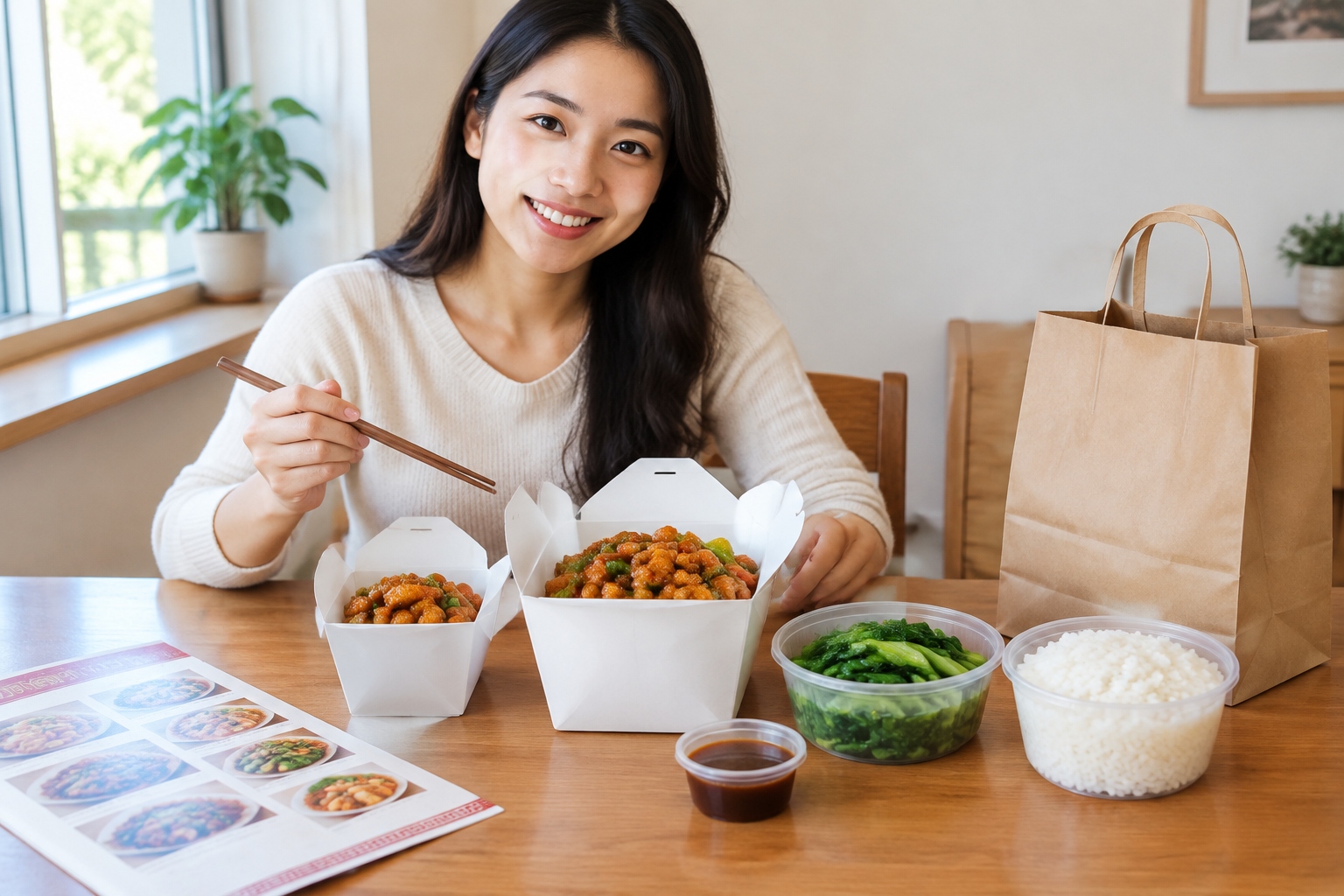
The first change is not in the pork. It is in the sentence around it. In more restaurants, the menu now offers a small portion and a regular portion. Some list a less-oil, less-sugar version. Some bring the sauce in a small jug instead of pouring it over the pork. Many suggest a green vegetable alongside. A few chains add calorie or ingredient notes. In takeout, the sauce is often packed separately so the pork does not turn soft on the way home.
These details look minor. Together they change the economics and the experience of the dish. A small portion lets two people order sweet and sour pork without making it the center of the meal. Sauce on the side lets each diner decide how much sweetness and acidity to add. A vegetable pairing turns a fried dish into one part of a balanced table. For a restaurant, the same kitchen can serve more combinations without adding a new menu section.
The change is uneven. Street stalls still fry fast and hard. Old banquet restaurants still serve the classic version. But in shopping-mall restaurants, delivery kitchens, and mid-priced chains, the direction is clear. China’s dietary guidelines recommend 25 to 30 grams of cooking oil a day and added sugar below 50 grams, ideally under 25 grams. A classic plate of sweet and sour pork can carry a large share of both. Restaurants do not need a nutritionist to read the signal. They see customers asking for less sauce, more greens, and smaller plates.
Who Is Pushing the Change
The change is being pushed from several directions at once. Young urban diners are more likely to read ingredient notes, compare portions on delivery apps, and share a photo of an oversized plate with a joke about waste. Smaller households matter too. China’s 2020 census put the average household at 2.62 people, down from 3.10 in 2000. A whole large plate of fried pork is too much for a couple or a single office worker. The small portion is not a marketing trick. It fits a different kind of table.
Delivery has made the shift visible. China had about 545 million online food delivery users at the end of 2023, according to CNNIC. Platforms make portion sizes comparable and let restaurants test new items quickly. A kitchen can list a small sweet and sour pork with sauce separate, a vegetable side, and a one-person rice set. Reviews punish soggy fried food, so packaging adapts. The result is a more modular meal: one main, one green dish, one soup, shared or not.
Restaurants also face harder arithmetic. Rent, labor, and food costs have risen. The 2021 Anti-Food Waste Law encouraged smaller portions and leftover boxes. China’s catering revenue reached about RMB 5.3 trillion in 2023, up 20.4 percent from 2022, but competition is fierce. A restaurant cannot simply raise prices. It can redesign the menu so that a signature dish stays familiar while the meal around it becomes lighter, smaller, and easier to sell in different formats.
From Special-Occasion Dish to Everyday Choice
Two decades ago, eating out in many Chinese cities was still an event. Ordering big meat dishes showed generosity. A table with no large plate felt mean. Today, delivery, fast-casual chains, and mall dining have made eating out ordinary. People want to eat well on a normal Tuesday, not only at a banquet. Price sensitivity and quality demand now sit together. A diner may reject a 58 yuan large plate but accept a 38 yuan small portion with a green side and a bowl of rice.
Sweet and sour pork has moved from centerpiece to supporting actor. It is still a treat. It is no longer the reason the meal happens. That is a real consumer shift, and it shows up in menu language: small portion, less oil, sauce separate, pair with vegetables, choose your spice level. The old dish is being edited, not replaced.
Voices from the Kitchen and the Table
In the kitchen, the adjustment is physical. The pork is drained longer after frying. The sauce is reduced less, so it coats rather than drowns. A small jug goes into the takeout bag. At the table, a mother orders a small portion for her child and takes the leftover greens home. A young office worker orders sweet and sour pork with extra broccoli and asks for half the sauce. These are small acts. They add up to a different relationship with a familiar dish.
Not everyone is pleased. Some diners want the old crunch and sticky shine. Some chefs say less sugar changes the glaze and less oil changes the texture. The negotiation is real. That is why the trend is gradual: restaurants keep the familiar name and taste, then adjust the edges.
A Gradual Rewrite, Not a Revolution
This is not a sudden health conversion. It is a slow rewrite of menu habits, pushed by health awareness, smaller households, delivery, competition, and waste concerns. Local cuisines are adapting in similar ways: lighter braises, smaller plates, more vegetables, clearer sourcing. Chains standardize the changes. Independent chefs test them. Delivery and dine-in feed each other, because a dish that travels well must be packed differently from one eaten at the table.
The result is a menu that looks familiar but behaves differently. A classic Lu restaurant can still serve a rich braised dish. It can also offer a small sweet and sour pork with sauce on the side. The customer gets choice. The kitchen gets flexibility. The old cuisine gets another way to stay relevant.
Back to the Table
Return to the Jinan lunch. The plate is smaller. The sauce comes in a jug. The couple finishes the pork, the greens, and the rice. A little sauce is left. The bill is moderate. Nobody calls it a revolution. But in China’s restaurant industry, change often looks like this: a smaller plate, a question from the server, a sauce cup, a vegetable side, a leftover box. For readers in London, Sydney, or Toronto, the scene is familiar: eating out more often, wanting lighter options, disliking waste, watching portions. The Chinese version has its own speed, price points, and delivery culture. The sweet and sour pork is still sweet and sour. The menu around it has been rewritten.
Start the discussion at forum.chinacomes.com