

From the Kitchen to the Livestream
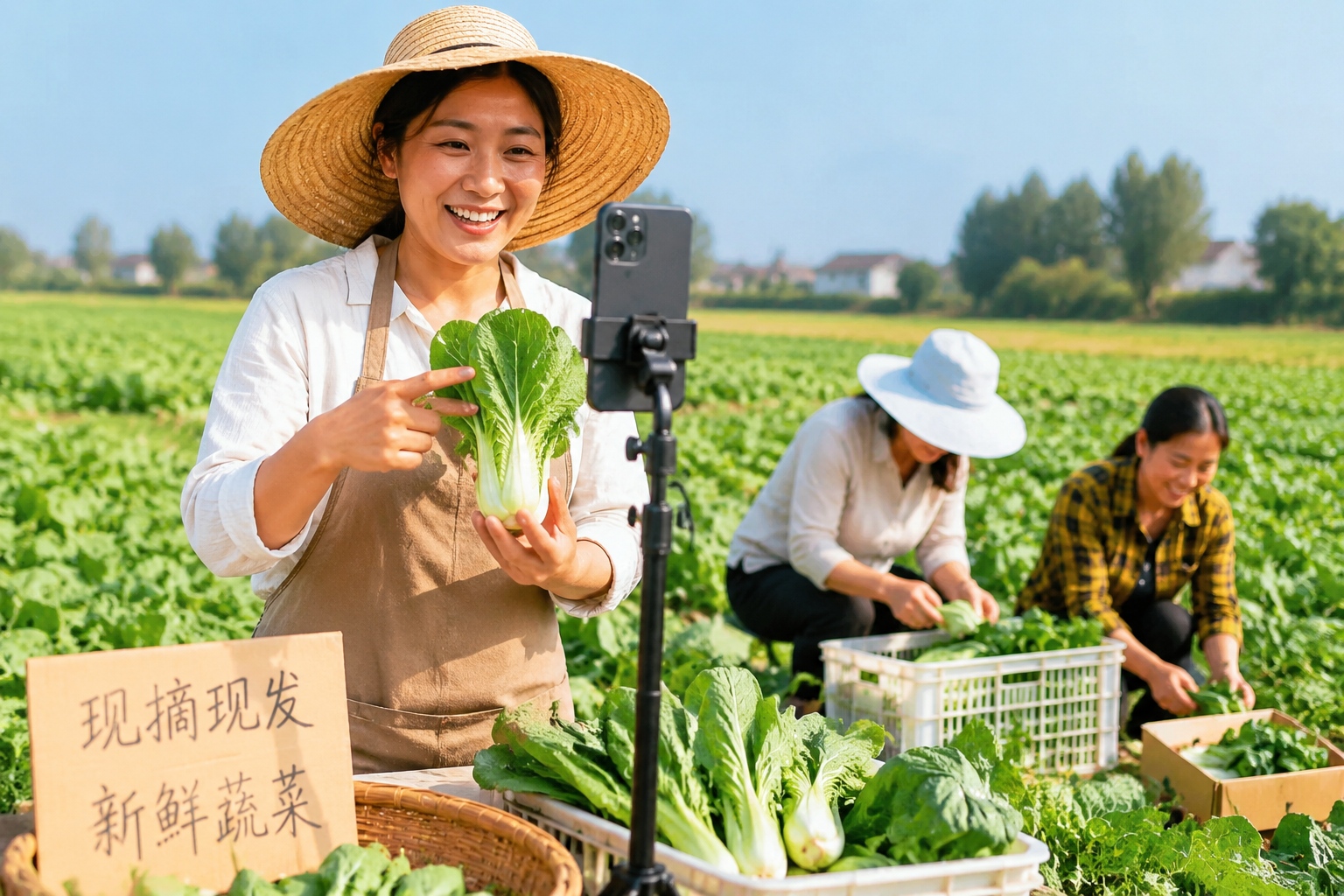
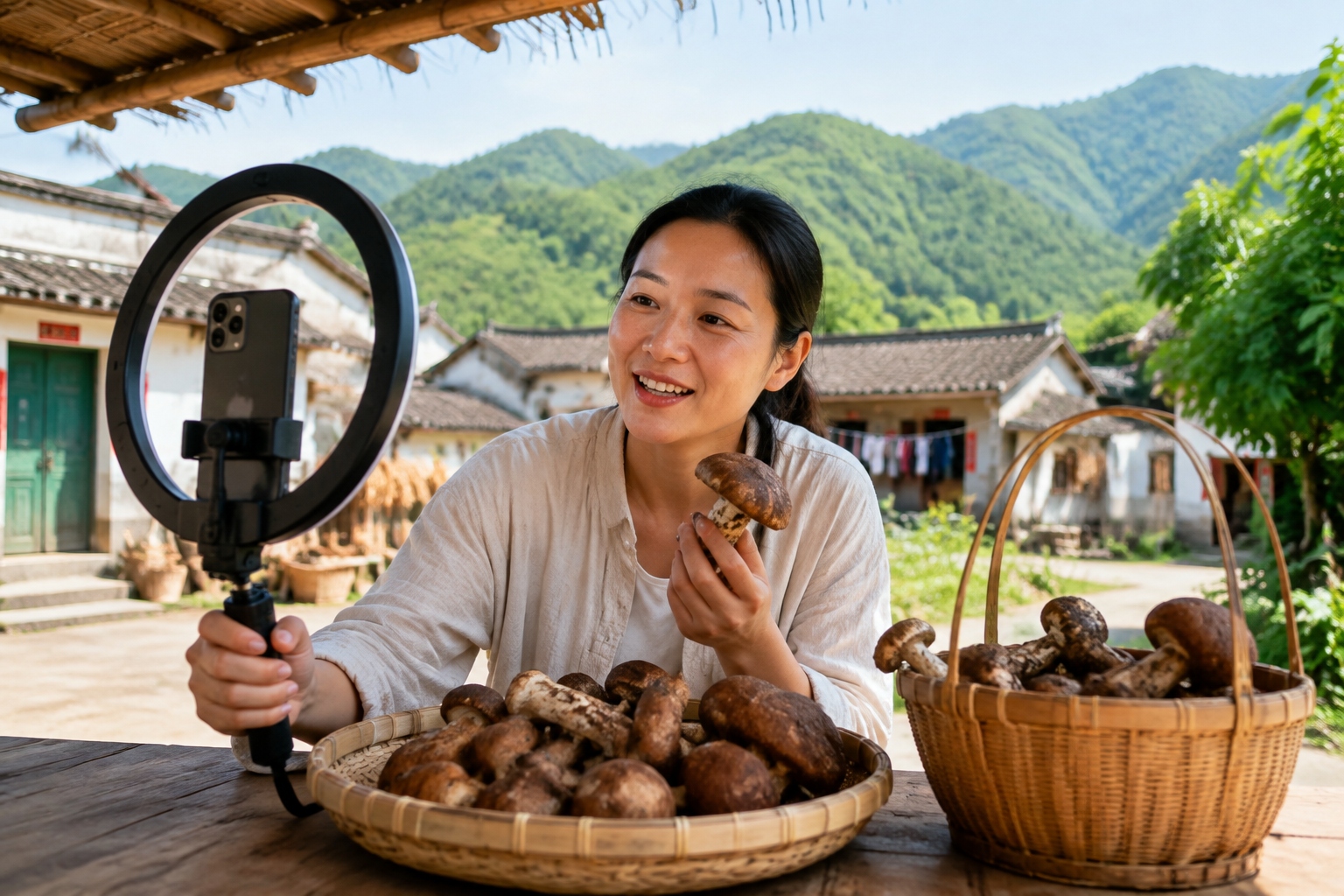
At 7 a.m., Wang Mei (not her real name) starts her day not with chores, but by checking orders on her phone. In her small village in Yunnan Province, she grows mushrooms and sells them through short-video platforms. Just three years ago, she considered herself “just a housewife.” Today, she earns more than her husband, manages a small team, and ships produce to buyers as far away as Shanghai.
Wang is not an exception. Across rural China, women are stepping into roles that were once reserved for men or for city dwellers. They are running guesthouses, organizing farming cooperatives, and turning family recipes into online brands. The shift is small-scale but steady, and it is reshaping both local economies and the way families see women.
The Numbers Behind the Trend
According to a 2022 survey by the All-China Women’s Federation, women make up about 70 percent of the agricultural labor force in China. The same survey found that nearly one in five rural women has started some form of business, from family farms to e-commerce stores.
Many of these women are in their 30s and 40s, with children and aging parents to care for. The appeal of self-employment is clear: they can earn an income while staying close to home. In the past, that often meant unpaid work on family plots. Now, with a smartphone and a delivery network, the same skills can generate cash.
Why Now? Three Converging Forces
One is internet infrastructure. In 2021, the Chinese government announced that 90 percent of administrative villages now have broadband and 4G coverage. That means a woman in a remote mountain village can livestream her vegetables to a national audience. E-commerce platforms like Taobao, Pinduoduo, and Douyin have made it easier to sell directly to consumers, bypassing traditional wholesale chains.
Another is access to credit. The government has pushed banks to provide micro-loans specifically for rural women. In Guangdong province, for example, the “Women’s Entrepreneurship Loan” program has disbursed over 20 billion yuan since 2018. Loans range from a few thousand to a few hundred thousand yuan, enough to buy seeds, equipment, or a secondhand van.
The third force is training. Local governments and NGOs offer free courses on everything from basic accounting to livestreaming techniques. Many women learn from short videos themselves, picking up tricks on how to phrase a product description or frame a shot.
What Rural Women Are Actually Doing
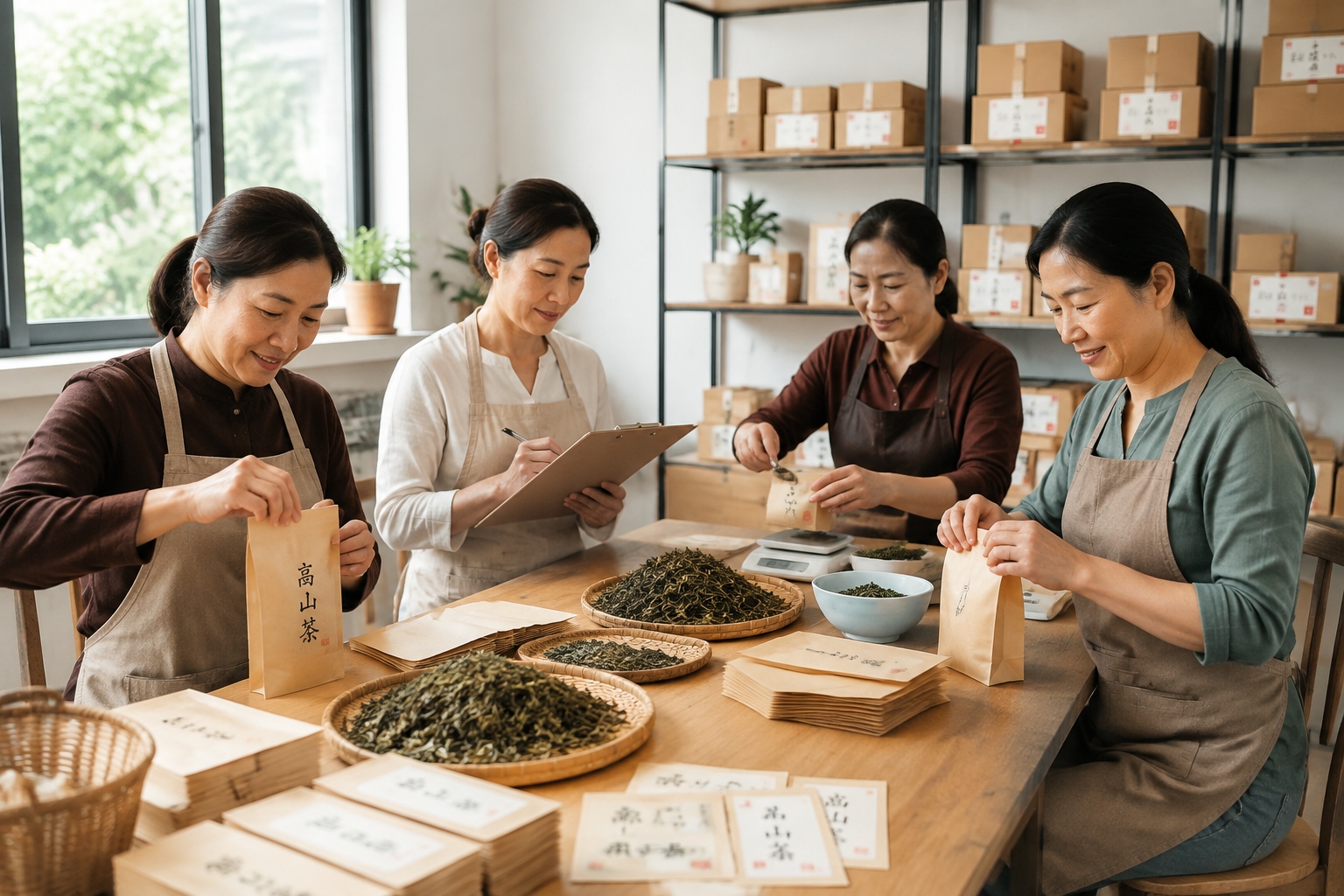
The businesses are as diverse as the women who run them. In eastern Zhejiang province, a group of women started a cooperative growing organic tea. They use WeChat to coordinate with distributors and share profits equally. In Sichuan, another woman turned her grandmother’s pickle recipe into a small brand that sells on Taobao, using glass jars and hand-written labels to appeal to nostalgia.
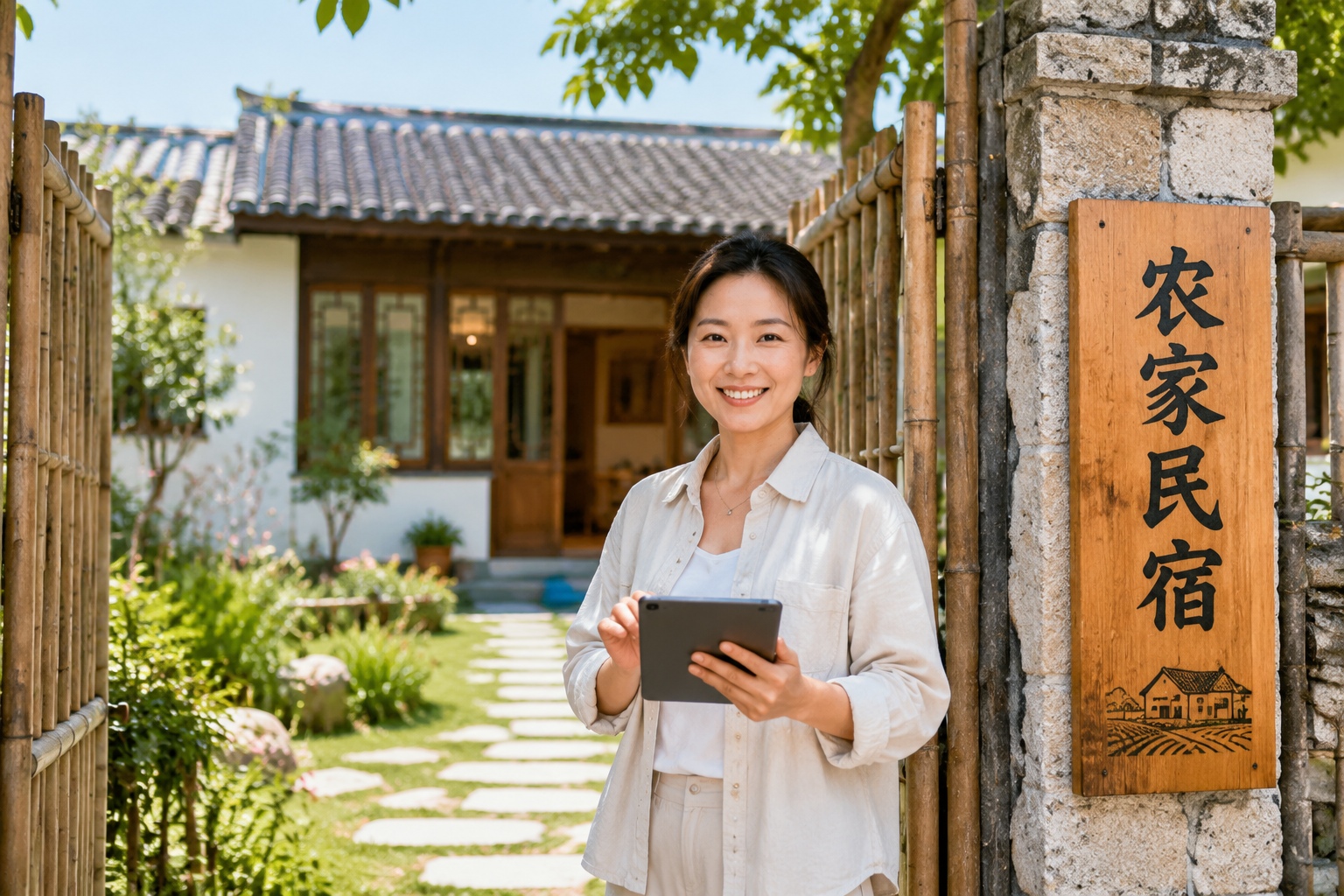
Tourism is another growing field. In villages near scenic spots, women have converted spare rooms into guesthouses, offering homemade meals and guided walks. According to the Ministry of Agriculture, by 2022 there were over 100,000 “farm stay” (nongjiale) facilities in China, many owned or managed by women.
Handicrafts also play a role. In Guizhou province, Miao embroiderers have formed collectives that sell their work online and to international buyers. These groups often give older women a way to turn traditional skills into income, while younger women handle the digital side.
Not a Simple Success Story
It would be misleading to paint these startups as easy wins. Many women still face unequal access to land and family support. In some villages, the idea that “a woman belongs in the kitchen” lingers, and a wife who spends too much time on her phone may be accused of neglecting her duties. Financial risk is real: crop failures, logistics problems, and platform fees can wipe out savings.
Yet the change is tangible. A 2023 report from the Chinese Academy of Social Sciences noted that rural women entrepreneurs are not only raising household income but also shifting community attitudes. When a woman proves she can earn, her bargaining power at home increases. Husbands begin to share housework. Daughters see a different future.
A Quiet Revolution
For women like Wang Mei, the shift is not about breaking glass ceilings. It’s about the freedom to choose — to work, to learn, and to earn. And as more women open their own businesses, the countryside itself is being reshaped: empty villages are reviving, new skills are being passed down, and old gender norms are bending.
This is not a story of overnight transformation. It is a slow, bottom-up change driven by millions of small decisions. But taken together, those decisions add up to something significant. Rural women in China are no longer just the caregivers behind the scenes — they are becoming visible, and often essential, actors in the rural economy.
Start the discussion at forum.chinacomes.com