

One Small Shop’s Big Leap
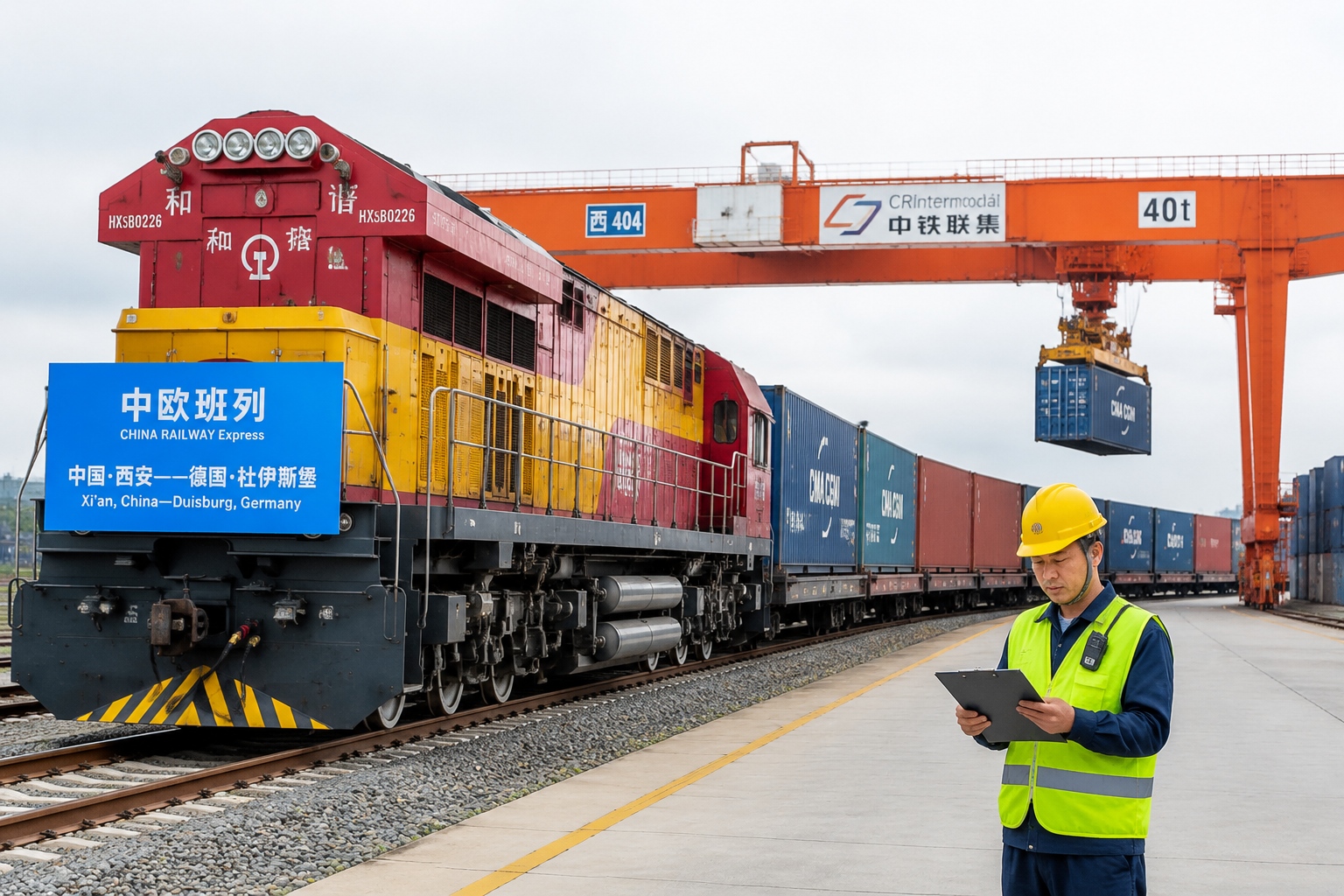
When Elena, a Berlin-based boutique owner, first wanted to stock her shelves with Chinese-made ceramic lamps, she hit a wall. Shipping just 80 lamps by air would cost more than the goods themselves. Booking a full shipping container was overkill—she didn’t have enough inventory to fill one. For months, she gave up on the idea. Then a freight forwarder told her about “LCL by rail” on the China-Europe Railway Express. Today, her lamps travel by train from Chongqing to Duisburg, then by truck to Berlin, in about 20 days—at a cost per unit that lets her price them competitively.
Elena’s story is not an exception. Across Europe, thousands of small retailers, e-commerce sellers, and even craft breweries are using the same trick. They call it “rail carpooling.” The official term is less-than-container-load (LCL) shipping, and it is changing the way small orders go global.
What Is China-Europe Rail LCL?
The China-Europe Railway Express is a network of freight trains connecting Chinese cities like Chongqing, Chengdu, Xi’an, and Zhengzhou with European hubs such as Duisburg, Hamburg, Warsaw, and Madrid. A full train can carry many containers, but traditionally, each container had a single owner. If you didn’t have enough goods to fill a 40-foot box, you either waited until you did, or paid for unused space. That kept small players out.
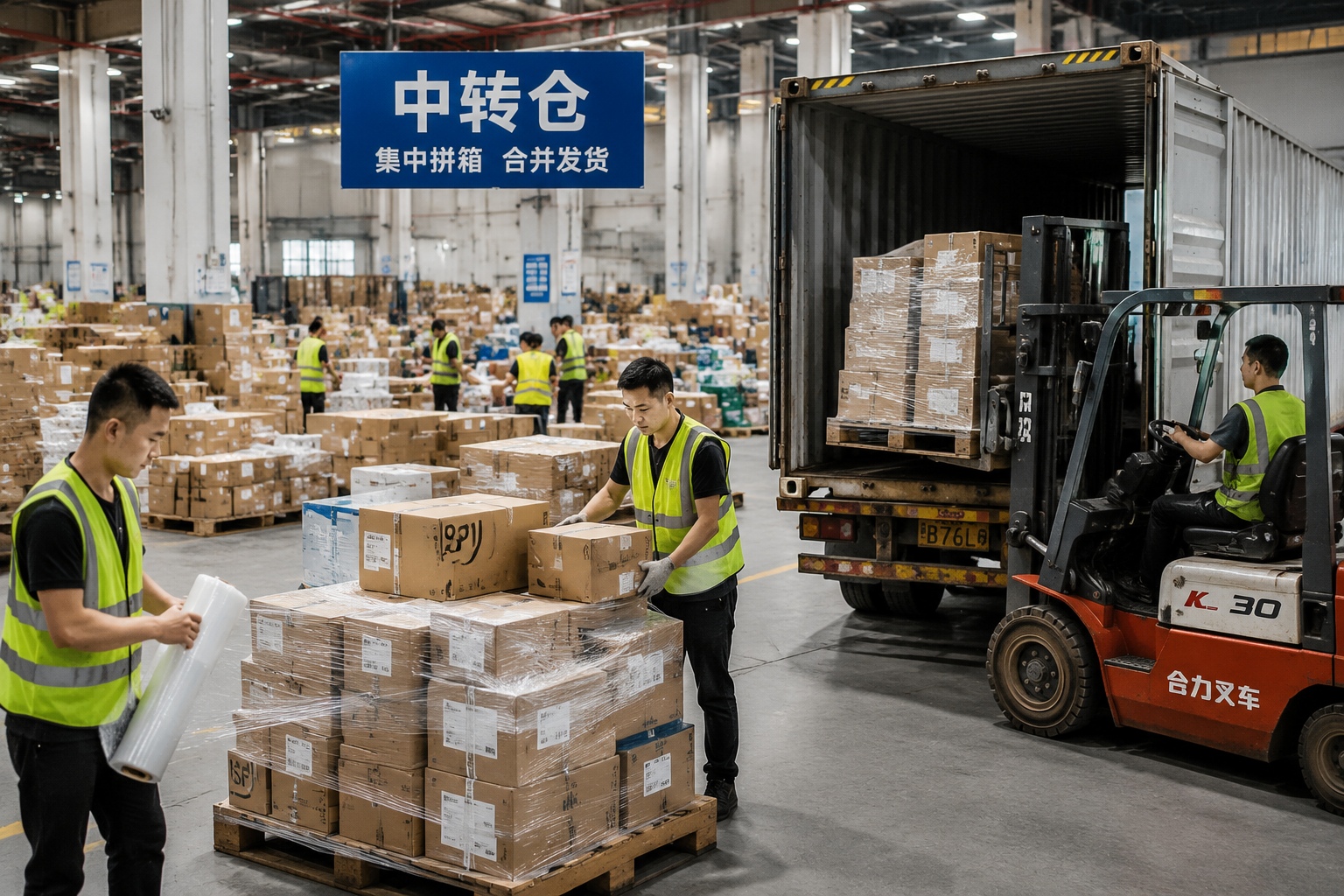
LCL changes the math. A freight forwarder combines shipments from many small exporters into one shared container. Think of it as ride-hailing for cargo: your boxes sit next to someone else’s, and everyone pays only for the space they use. Minimum shipments can be as small as one cubic meter, sometimes even less.
Why It Matters for Small Businesses
Small orders have two natural enemies: cost and time. Air freight is fast but expensive—often $4–6 per kilogram. Sea freight is cheap but slow, and a full container (FCL) is impractical for anyone shipping less than 15–20 cubic meters. Rail LCL sits in the sweet spot: it typically costs $200–400 per cubic meter, about half the cost of air freight, and takes 18–25 days to reach Europe, roughly half the time of sea freight. For goods that are too heavy for air and too urgent for sea, rail LCL is becoming the default.
Take a real-world example: a Shenzhen electronics maker shipped 8.6 cubic meters of smart home devices to the Netherlands. The total LCL rail cost was around $2,200, including pickup from the factory, customs clearance, rail transport to a Dutch hub, and final delivery to the retailer’s warehouse. Air freight for the same shipment would have exceeded $4,000. Sea freight might have cost less, but the goods would have spent 35–40 days at sea. Rail delivered in 19 days—and the extra cost over sea was easily recovered because the products hit the market two weeks earlier.
How the “Carpool” Works: Step by Step
Step 1: Contact a Freight Forwarder
You don’t need to talk to a railway company. Freight forwarders—companies that coordinate shipping—handle the whole process. Many specialize in China-Europe rail and appear across online platforms like Alibaba’s logistics marketplace. You send them your cargo details: weight, volume, and product type.
Step 2: Book Your Shared Slot
The forwarder reserves space on an upcoming train. You agree on a price per cubic meter or per tonne. Payment terms are usually straightforward—often 30% deposit, 70% before loading.
Step 3: Move Your Goods to a Consolidation Warehouse
Your supplier in China delivers your boxes to a warehouse in the departure city. There, your cargo is inspected, weighed, and measured. It joins dozens of other small shipments inside a single container. Think of the warehouse as a bus stop—everyone arrives separately, then boards the same bus.
Step 4: Customs and Loading
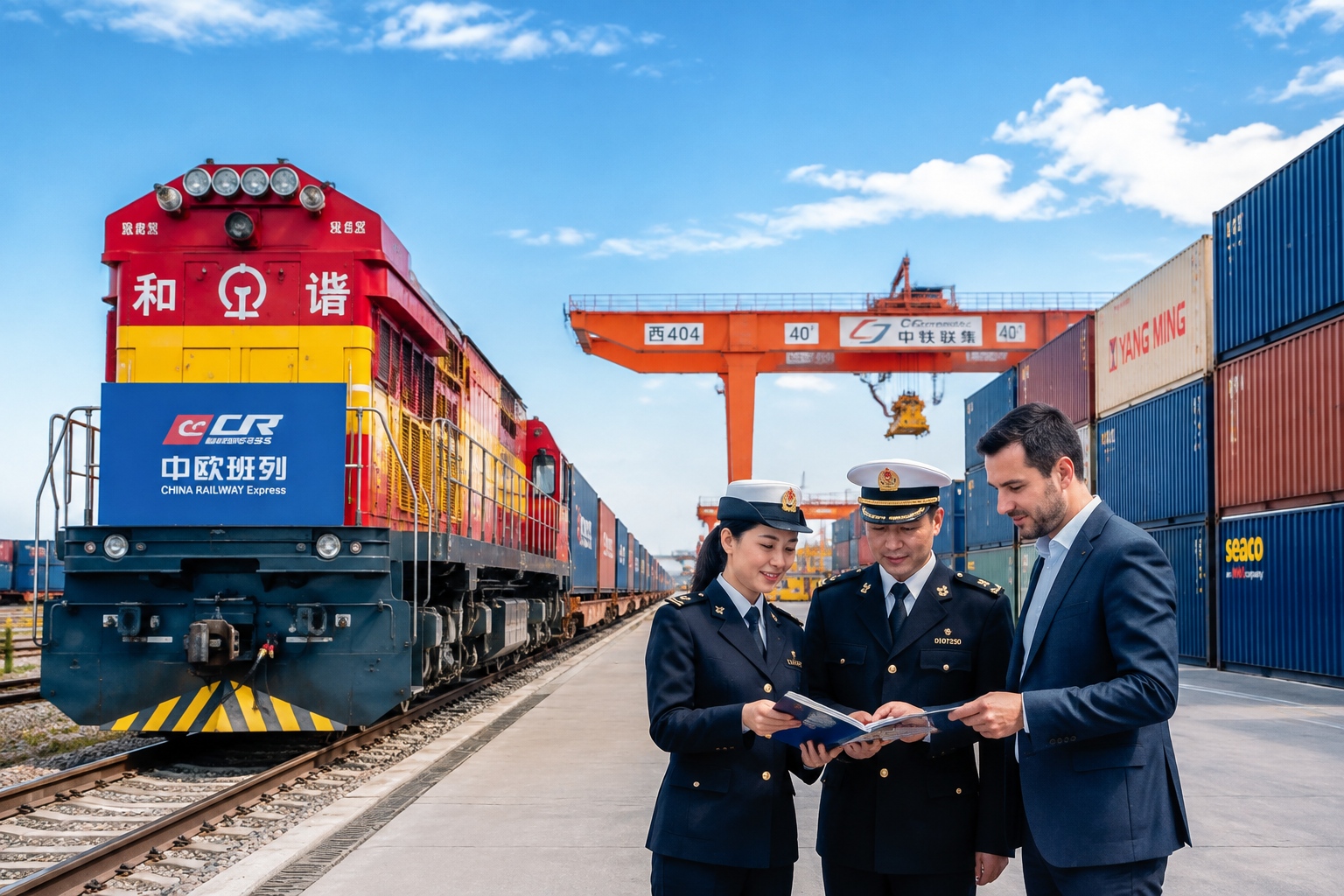
The forwarder clears the goods for export, and the loaded container is sealed and placed on a train. Modern rail hubs use automated gantry cranes to move containers in minutes. Trains run regularly—some routes depart daily, others weekly.
Step 5: Rail Journey
The train crosses China’s border into Kazakhstan, then travels through Russia and Belarus (or via the southern route through Kazakhstan–Azerbaijan–Georgia) before entering the European Union. Border checks are coordinated to keep delays minimal. The entire journey takes about 18–25 days, depending on the route and customs workload.
Step 6: Deconsolidation and Last-Mile Delivery
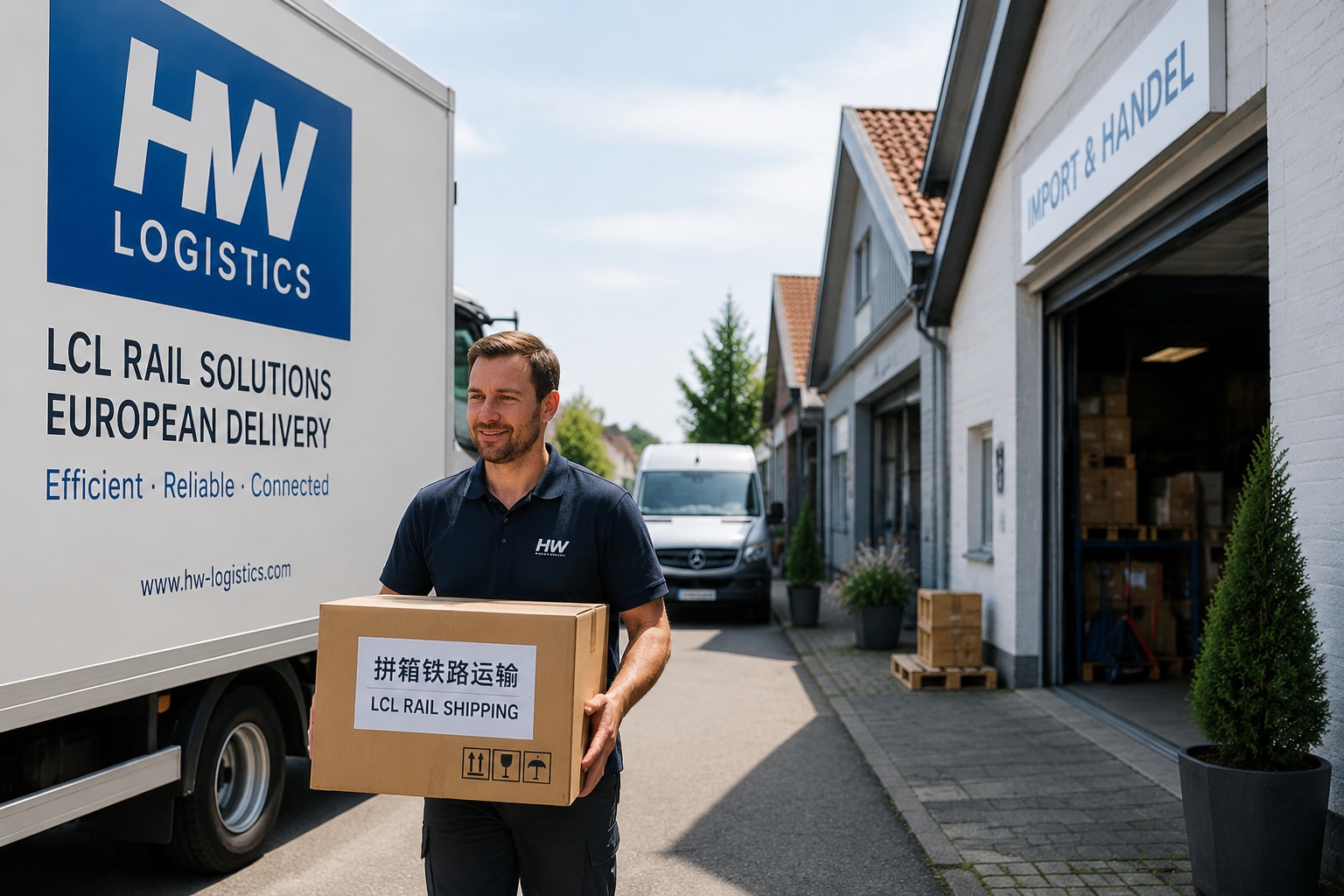
At the European hub, your container is opened. Your boxes are separately cleared by customs and handed to a local courier or trucking company. In many cases, you can track your goods online just like a parcel. From the hub, your shipment may reach a warehouse in Berlin in one day or London in three.
Who Benefits Most?
Rail LCL is a natural fit for e-commerce sellers with moderate order volumes—anywhere from half a pallet to a few pallets. It works especially well for products with a high value-to-weight ratio, like electronics, fashion, home décor, and auto parts. Perishable goods are not ideal, but many food items with a long shelf life—such as dried fruits, honey, and spices—have successfully traveled by rail in temperature-controlled packaging.
Even some manufacturers use LCL for prototypes and urgent machine parts. Because the service is flexible, you can ship smaller batches more frequently, which reduces the need to tie up cash in inventory.
What to Watch Out For
Rail LCL has real advantages, but it’s not a magic wand.
- Demand spikes: During peak seasons (before Christmas, for example), rail space fills up fast. Book at least two weeks ahead.
- Border delays: Political changes or pandemic-related controls can slow cross-border transitions. Choose a forwarder with good on-the-ground contacts.
- Packaging matters: Your cartons will be handled multiple times—inside a shared container, they can be crushed. Use strong, standard export cartons and consider palletizing.
- Customs documentation: You need the same export and import documents as for sea freight. Work with your forwarder to avoid surprises.
The Road Ahead
The popularity of rail LCL is growing fast. According to China State Railway Group, more than 20,000 China-Europe freight trains ran in 2023, and the share of LCL shipments is rising as small and medium-sized businesses discover the service. Some trains now run on fixed schedules, and digitization is making booking and tracking as easy as ordering a ride on your phone.
For small businesses, the effect is profound. A shop in Warsaw can now order a few dozen dresses from a designer in Chengdu without worrying about transport costs. A startup in Milan can test the market with a small batch of smart gadgets before committing to bulk production. Rail LCL is not just about moving goods—it’s about opening a door that used to be sealed shut.
Start Small, Ship Smart
If you’re thinking of importing from China but worried that your order is too small, don’t be. Rail LCL was designed for you. Start by getting a quote from a freight forwarder: describe your product, weight, and dimensions, and ask for a breakdown of the costs. Many forwarders will also help you with customs procedures and even suggest packaging improvements. The first shipment may feel unfamiliar, but once you see your goods arrive at your warehouse—on time and within budget—you’ll understand why “carpooling on rails” is becoming the smart way for small orders to go global.
Start the discussion at forum.chinacomes.com