

One Night in a Suburban Powerhouse
About an hour’s drive from downtown Shanghai, rows of gray concrete buildings sit behind security gates. Inside, hundreds of thousands of servers blink in the dark. This is a hyperscale data center, one of many that have mushroomed across China in the past five years. The electricity it consumes in a single day could power more than 30,000 average Chinese homes for a month. Yet most people never see it, or even think about it.
China’s total electricity use is approaching 10 trillion kilowatt-hours (kWh) a year. In 2024, the country used roughly 9.85 trillion kWh — more than the United States and the entire European Union combined. That number is so large that it loses meaning. So let’s break it down: who exactly is using all that power? And why should someone in London, Lagos, or São Paulo care?

The Factory Still Rules
Walk through any industrial zone in Guangdong or Jiangsu, and you’ll see the answer. Factories consume the largest share of China’s electricity — about 66% of the national total. Steel mills, cement plants, and chemical processors have long been the heavy lifters. But something new is happening. As China shifts from making cheap goods to advanced manufacturing, the energy intensity of its factories is changing.
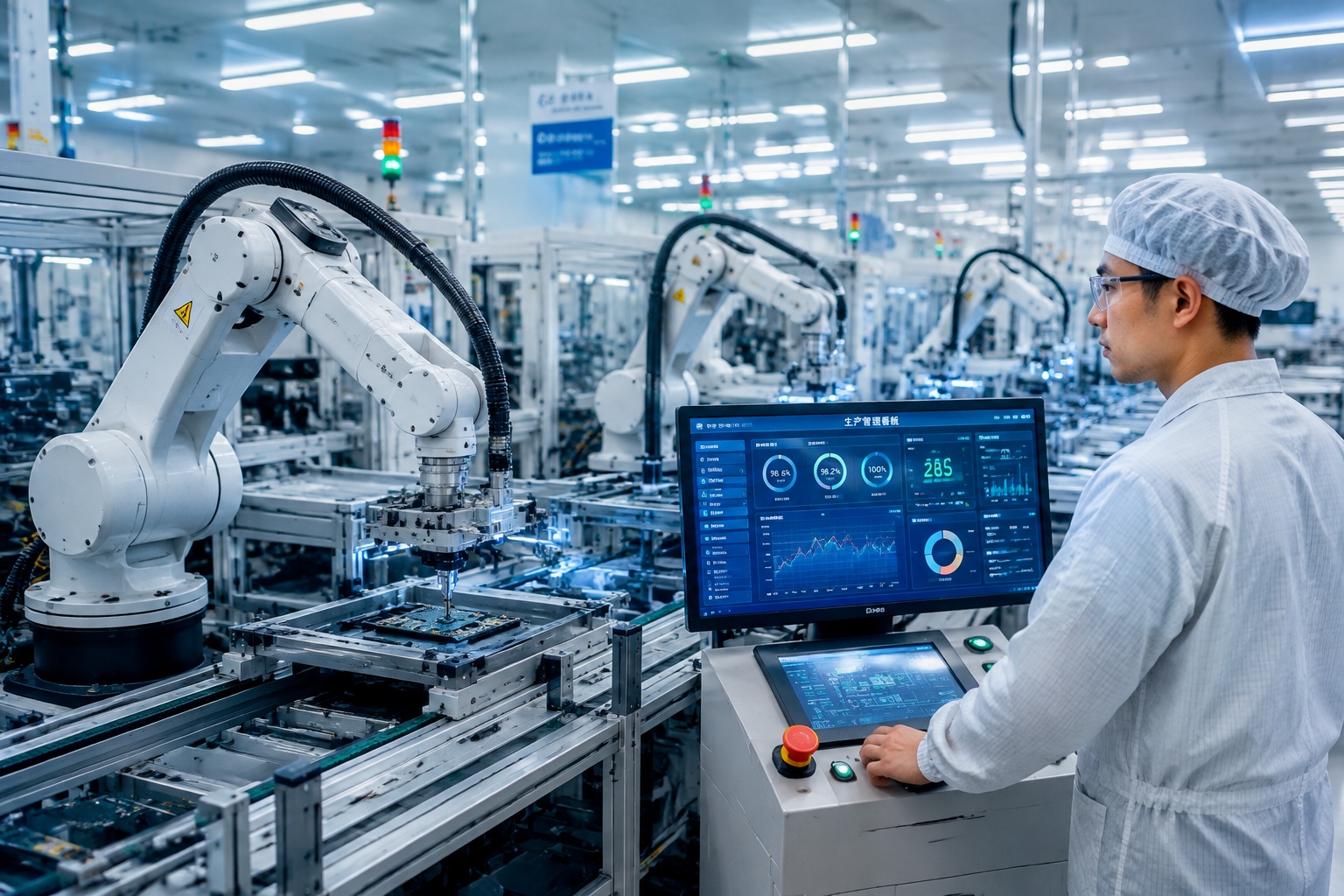
Take a modern semiconductor fab. A single chip-making plant can use more electricity in a year than a mid-sized city of 500,000 people. The cleanrooms must run 24/7, with air filtration and temperature control that never sleep. Similarly, battery and electric vehicle production is energy-hungry. In Changzhou, a city west of Shanghai, a sprawling battery factory produces enough cells for 1 million EVs a year. Its annual electricity demand rivals that of a small airport.
This is the hidden cost of the energy transition: making solar panels, wind turbines, batteries, and EVs requires enormous amounts of electricity. China is not just building these products for itself; it exports them globally. So part of the 10 trillion kWh is effectively embedded in goods shipped to other countries.
Data Centers: The New Electric Hungry
If factories are the established elephants, data centers are the fast-growing calves. In 2023, China’s data centers consumed roughly 300 billion kWh — about 3% of national electricity. That might not sound huge, but the growth rate is startling. With the boom in artificial intelligence and cloud computing, many analysts expect data center electricity use to double by 2030.
Why so much? Training a large AI model requires thousands of graphics processing units (GPUs) running for weeks or months. Each GPU draws hundreds of watts. Multiply that by 10,000 chips, and you get a power bill that rivals a small town’s. Server cooling adds another layer. In tropical regions, the energy cost of keeping chips cool can be as high as the computing itself.
This is why many Chinese tech companies have built data centers in cool, land-rich provinces like Inner Mongolia and Guizhou. The air is drier and colder, reducing the need for energy-hungry air conditioning. Yet even with advanced cooling designs, the total consumption continues to climb. As China pushes into generative AI, the electricity appetite will only intensify.
Your Phone Is (Almost) Not the Problem
Let’s address the device in your pocket. Your smartphone battery holds about 0.02 kWh. Charging it every day for a year consumes around 7 kWh — less than the electricity used by a single 100-watt light bulb left on for a month. Even taking into account all the cell towers and network equipment that keep your phone connected, personal devices account for a tiny sliver of China’s electricity pie.
Residential electricity use, including all appliances that plug into apartment walls, amounts to roughly 15% of the national total. The big hitters are air conditioners, water heaters, refrigerators, and — increasingly — home electric vehicle chargers. In a typical Chinese city apartment, an air conditioner running through a hot summer month can easily consume more than your phone does in a decade.
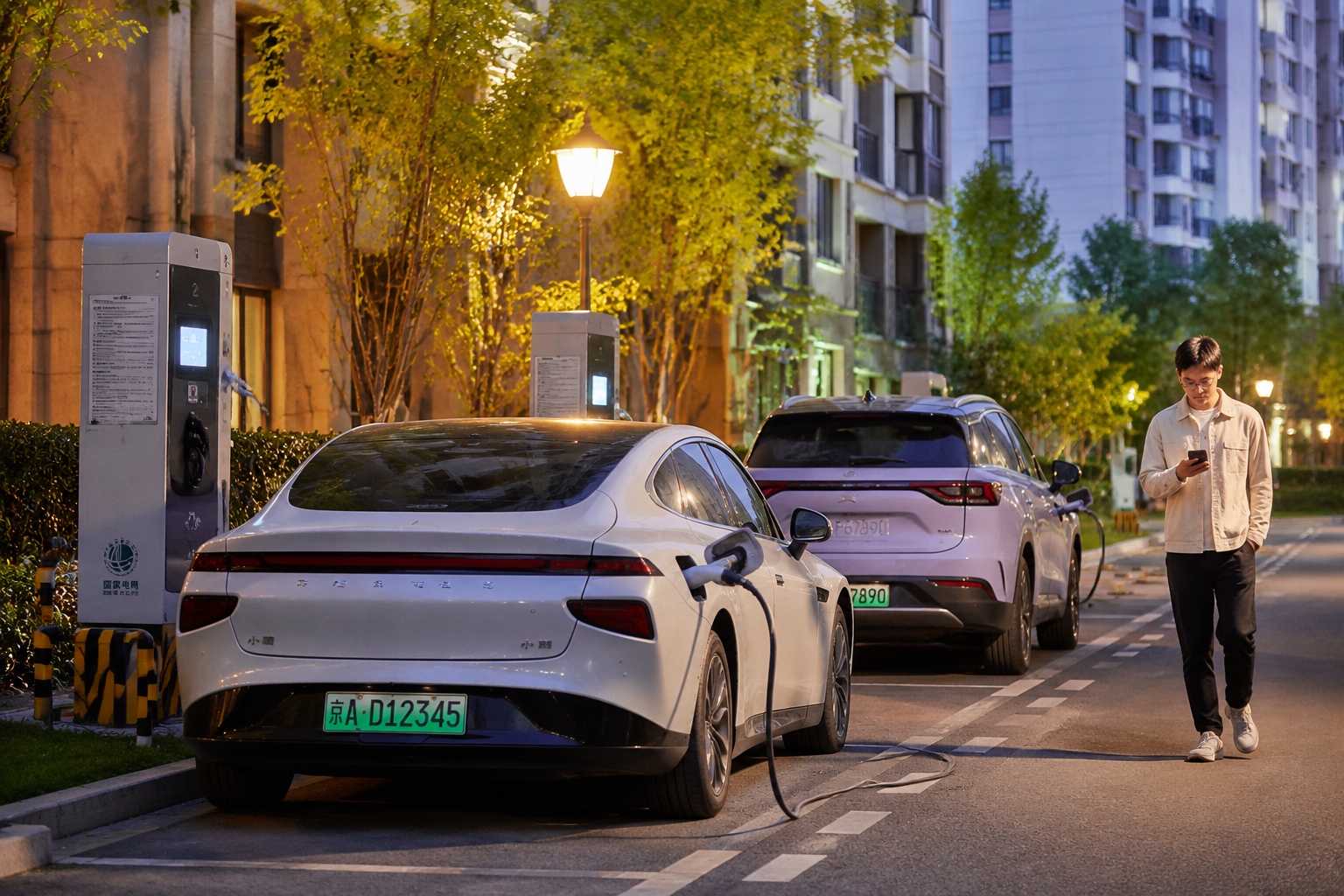
Take Wang Yiming, a young architect living in Shanghai. He drives an electric sedan and charges it at a public station near his apartment. Every month, his car pulls about 200 kWh from the grid — 30 times what his phone and laptop use combined. A few years ago, Wang’s biggest electricity expense was air conditioning. Now it’s his car. This shift is happening across the country, as EV sales surpass 10 million units a year and household appliances become more numerous.
Where the Power Comes From
To feed this growing appetite, China has transformed its power generation mix faster than almost anyone expected. In 2024, renewable energy sources — mainly wind and solar — accounted for more than half of the country’s installed electricity capacity. However, actual electricity generation from renewables is still behind coal, because wind and sun are intermittent. Coal plants, running more flexibly than before, now serve as the backup to keep the grid stable.
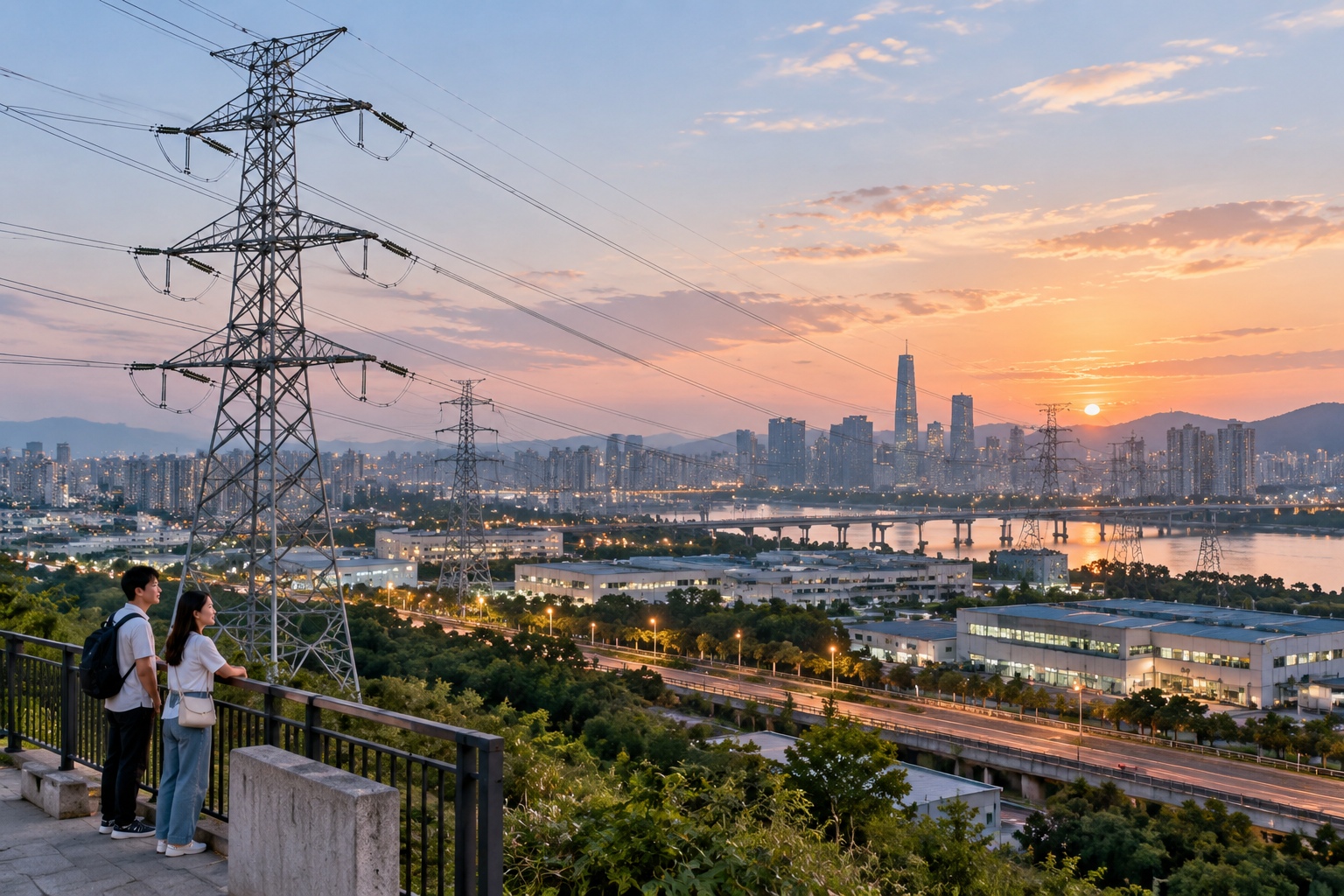
The physical challenge is moving electricity from sunny deserts and windy plains to coastal cities where people and factories cluster. China has built ultra-high-voltage transmission lines that stretch thousands of kilometers. One line running from Gansu in the northwest to Hunan in the central south delivers more than 40 billion kWh a year — enough to power a province of 30 million people.
These grid upgrades are not just engineering feats; they are the reason most Chinese city dwellers almost never think about blackouts. “I can’t remember the last time the power went out at home,” says Wang, plugging in his car at 11 p.m. He shrugs: “It’s just always there.”
What 10 Trillion kWh Really Means
To an outside observer, China’s electricity number can sound like a warning — a country burning through energy at an unsustainable rate. But the reality is more nuanced. The 10 trillion kWh is not just wasted heat; it’s embedded in new factories, better batteries, cool data centers, and the charging ports of millions of electric cars. It powers the machines that make the goods you use, the servers that deliver your apps, and the lights overhead in a country where electricity has become as reliable as running water.
China’s electricity demand is still rising. AI, electrified transport, and further industrial upgrades will push the number to 11 or even 12 trillion kWh by 2030. The question is not whether the country can generate enough, but how quickly it can shift the generation mix to cleaner sources while keeping the lights on. For the rest of the world, this matters: every kilowatt-hour used in China is also a unit of global carbon emissions, a unit of technological progress, and a measure of the trade-offs any modern economy must make.
The next time you scroll on your phone, think about the invisible path of electricity: from a solar farm in the Gobi Desert, across a high-voltage line, into a factory battery, and then into an electric motor — not into your handset. The 10 trillion kWh is not a mystery. It’s a map of how things get made, moved, and made comfortable in modern China.
Start the discussion at forum.chinacomes.com