
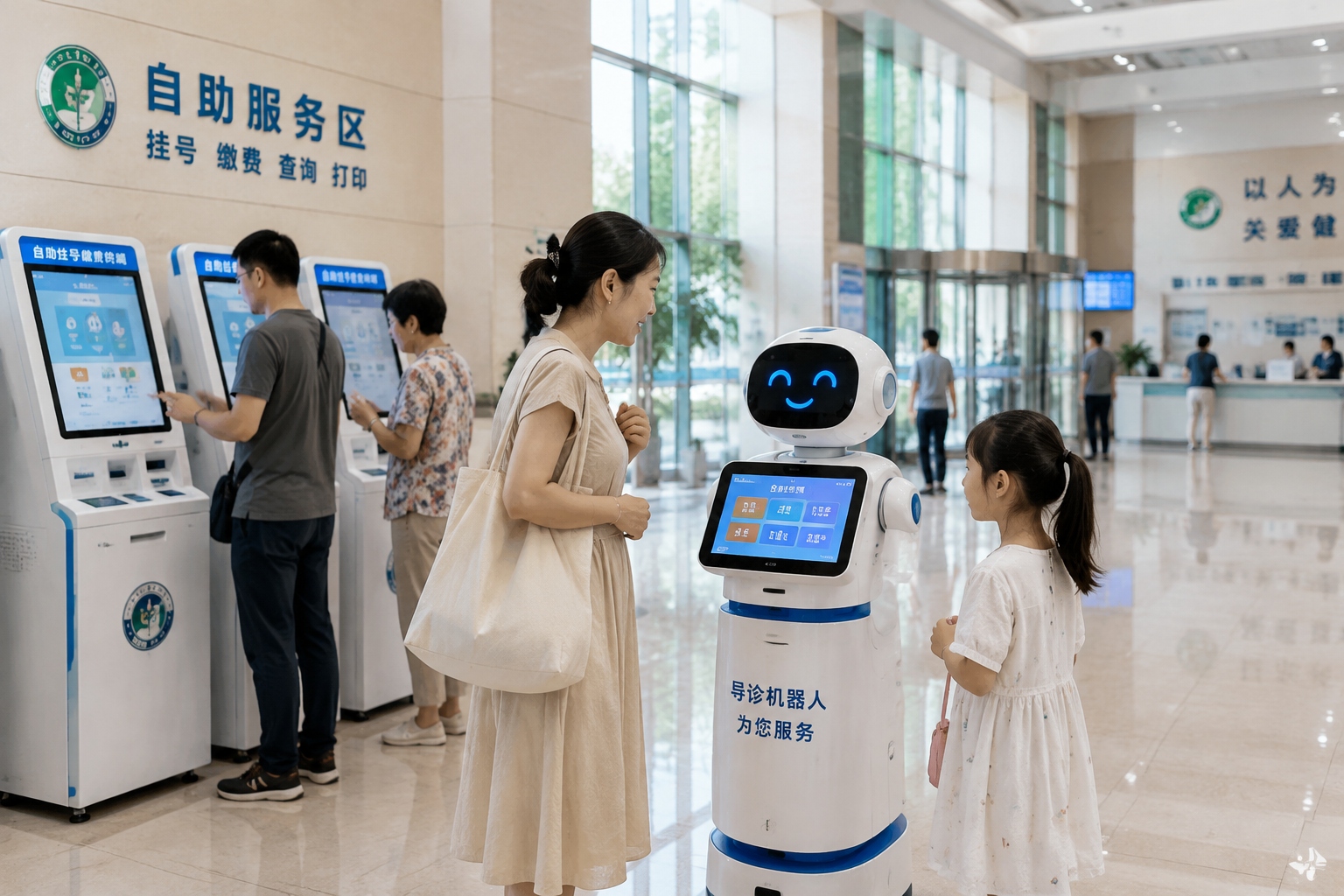

A Hospital That Feels Like an Airport Lounge
You might expect a hospital in a fourth-tier Chinese city to be chaotic—crowded corridors, long queues, and a dizzying maze of paperwork. But when I walked into the People’s Hospital of Suizhou, a mid-sized city in central China, the first thing I noticed was how quiet the lobby was. Instead of a crush of people at registration windows, there were rows of sleek self-service kiosks, and a softly-spoken robot was gliding across the floor, reminding visitors to wear masks.
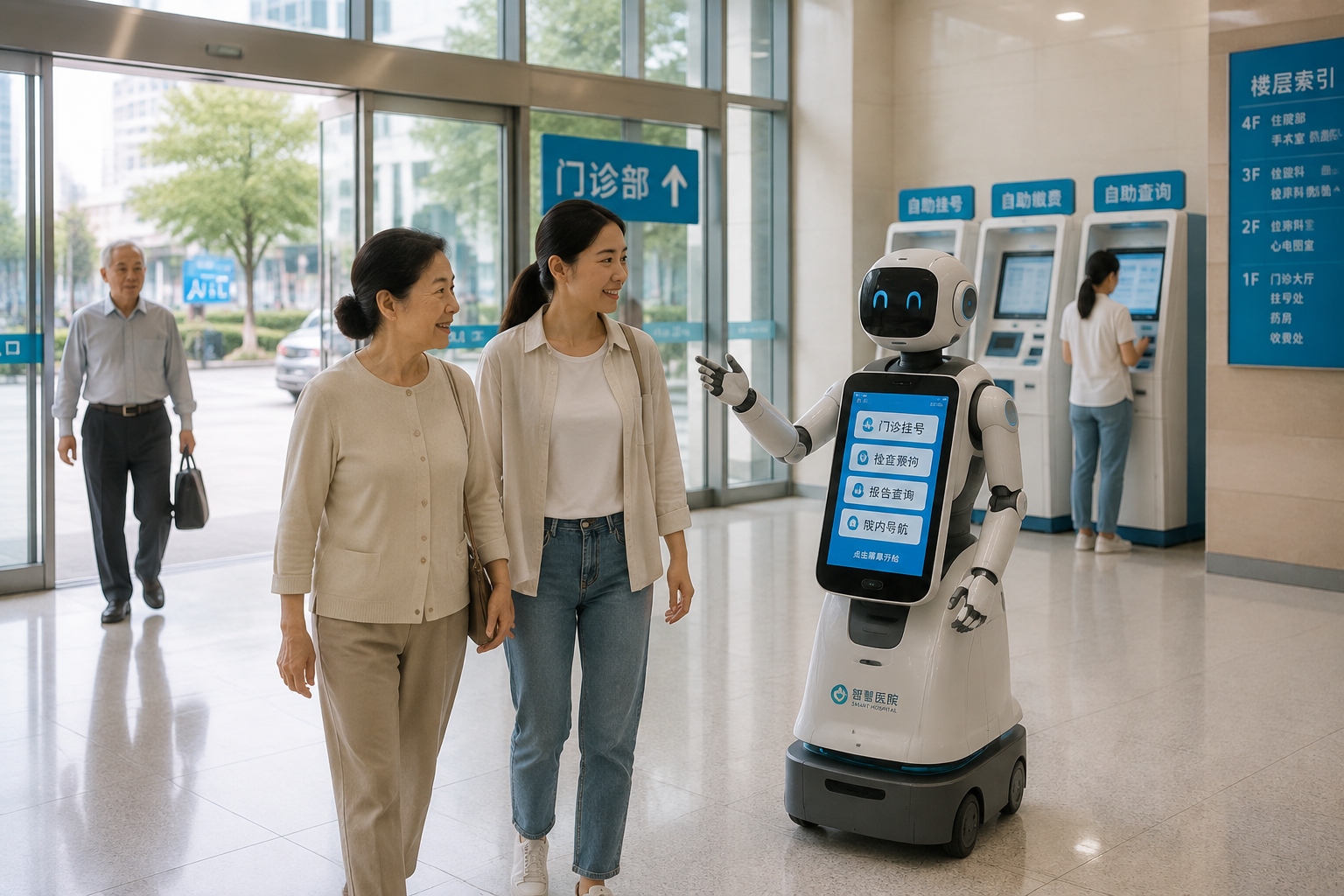
This isn’t a futuristic showpiece. Suizhou has a population of about 2 million, and the hospital serves mostly farmers, factory workers, and retirees. Yet in the past three years, it has quietly undergone a digital overhaul that many visitors from bigger cities might find surprising.
From Paper-Stacked Desks to QR-Code Everything
In 2021, the hospital introduced a unified electronic health record system. Now, every patient gets a QR code linked to their ID card. That code follows them through registration, consultation, lab tests, imaging, and payment. No more flipping through a thick paper file folder. The change is not just cosmetic.
“Before, we spent at least 20 minutes per patient just on paperwork,” says Dr. Liu, a 45-year-old physician in the respiratory department. “Now I see the patient’s history on my tablet the moment they sit down. I can check their previous lab results or X-ray images without leaving the room.” The system also flags drug allergies and shows real-time insurance coverage, which means fewer prescription errors and fewer disputes at the billing counter.
AI as a Second Pair of Eyes
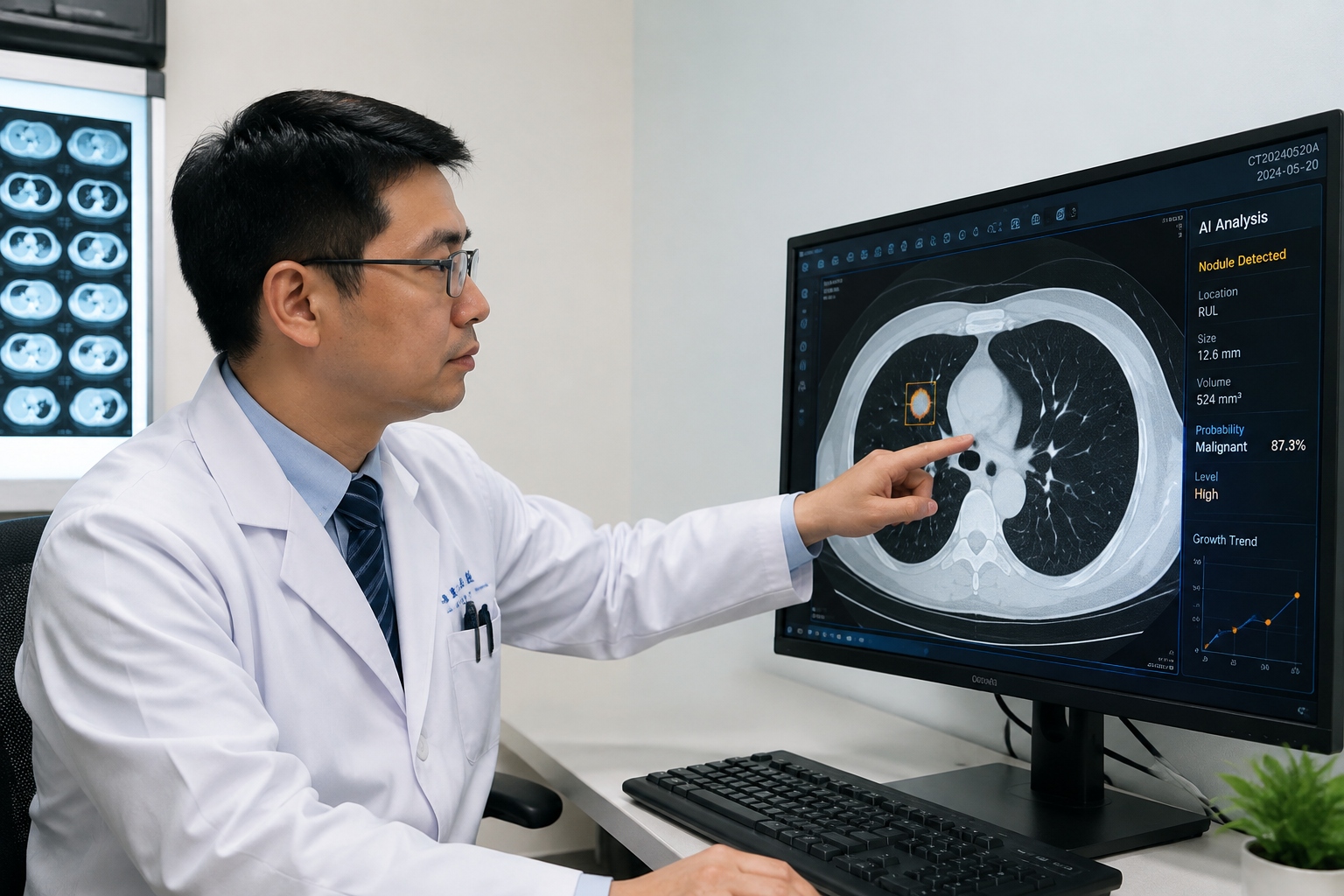
One of the most talked-about changes is the AI-assisted imaging system. Radiologists at the hospital review CT scans of the lungs, and an AI model from a tech company in Shenzhen helps flag nodules and hemorrhages. It doesn’t replace the doctor—it gives them a second opinion.
“The AI can spot a 3-millimeter nodule that might be easy to miss after a long day,” explains Dr. Wang, who has read lung images for 12 years. “But I always check the AI’s suggestions myself. It’s like having a diligent assistant.” In the past year, the AI-assisted system has processed over 150,000 scans at this hospital alone. The software is now used in more than 400 hospitals across China, most in small and medium-sized cities.
The Vanishing Cashier: Payments and Pharmacies Go Digital
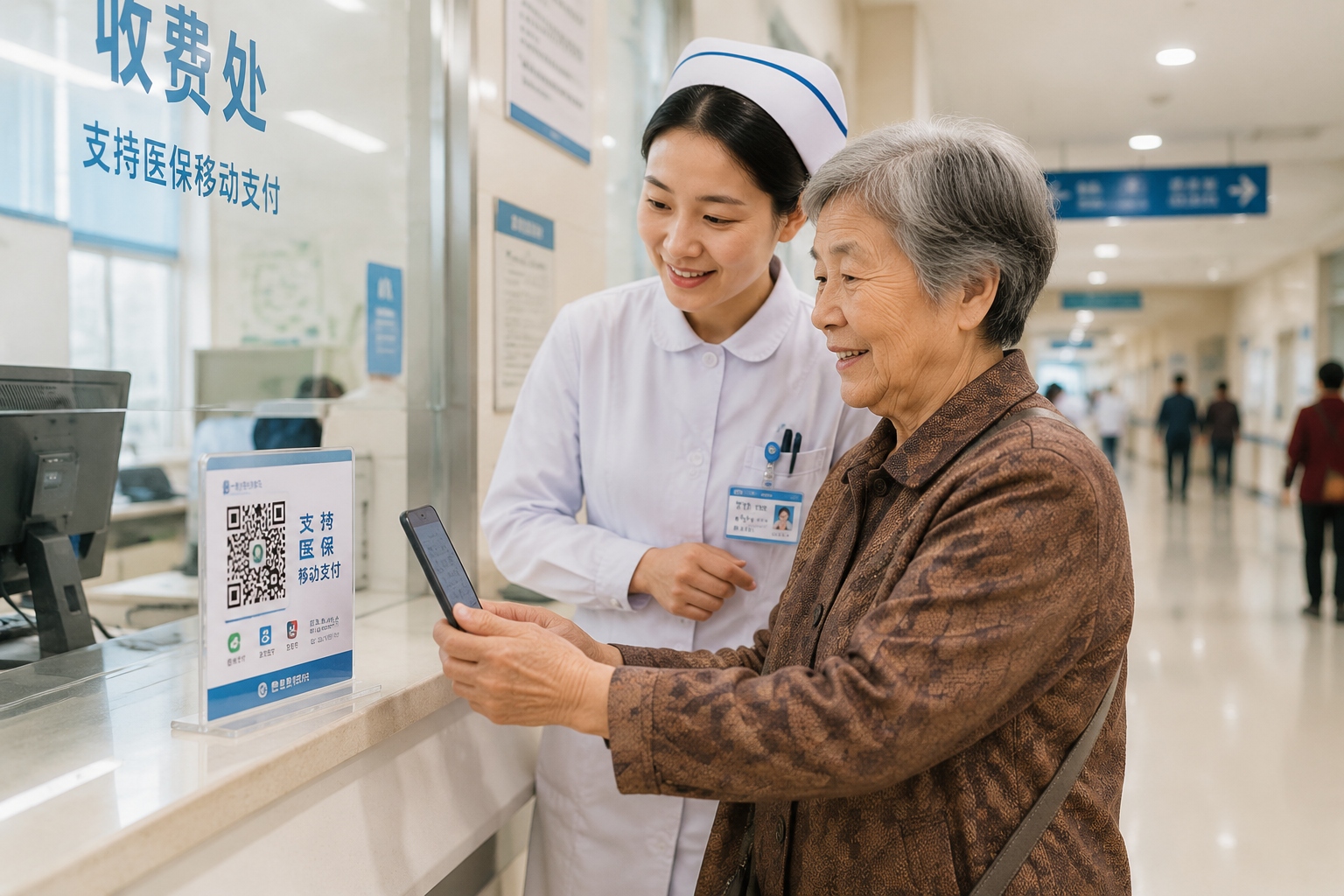
For patients, the biggest change is not having to stand in line to pay. In the past, you would get a paper bill, go to a cash window, then go back to the pharmacy. Now, you pay on a hospital mini-program in WeChat or Alipay. Even elderly patients, who often have their children set up the payment on their phones, prefer this after learning it once.
“My phone knows my medical history,” says Mrs. Chen, a 68-year-old retired schoolteacher with diabetes. “I just schedule my refill online, and the hospital sends a text when the medicine is ready. I skip the pharmacy queue.” For patients who don’t use smartphones, there are still human helpers at the self-service kiosks, but they are becoming less necessary.
The pharmacy itself is also automated. When a doctor’s order is placed, the medicine is selected by a robotic arm and delivered to a pick-up window via a conveyor belt. The average waiting time dropped from 30 minutes to under 5 minutes.
Remote Consultations for Rural Villages
Suizhou is surrounded by rural counties where many villages are a two-hour drive away. In 2022, the hospital connected its network to 12 township clinics and 60 village health outposts. Now, a farmer with an unusual skin rash or a lingering cough can sit in front of a webcam in a village clinic, and a specialist in Suizhou will run the exam remotely, guiding the local doctor in real time.
This is not just a technological gimmick. The hospital has held over 2,000 remote consultations since the program started. For patients, this saves both money and time—a trip to the city hospital often meant losing a day of work and paying for transportation.
“I used to tell patients to take a bus to the city just for a glance,” says a township doctor named Li. “Now, we can do it right here. Many of our patients are elderly, and they are amazed that the doctor’s face appears on a screen and asks questions just like in person.”
The Human Side of a Smart Hospital
Not everything is smooth. The hospital’s Wi-Fi can be slow during peak hours. Older patients sometimes get confused by the self-service machines, so the hospital still keeps manual registration windows open—two of them, instead of the previous ten. There is also a learning curve for the doctors themselves. Some senior physicians initially resisted typing notes into a tablet, arguing that handwriting was faster. But after a few weeks, most admit that the electronic system saves them an hour or two each day.
What stands out in Suizhou is not the high-tech novelty. It’s how deeply the technology is woven into ordinary routines. A hospital in a fourth-tier city—far from Beijing and Shanghai—has quietly become a place where AI and robotics are not a future fantasy but a daily tool used by doctors and patients who never expected to be early adopters.
Why This Matters
For foreign readers, the Chinese ‘smart hospital’ phenomenon is often associated with mega-cities like Shenzhen or Hangzhou. But the real test of innovation is whether it works in a place like Suizhou, where budgets are tighter and staff are less tech-savvy. The hospital spent about 60 million RMB (roughly 8 million USD) on the digital upgrade over three years, funded partly by local government grants and partly by the hospital’s own revenue. That is a modest sum for urban hospitals but a meaningful investment for a fourth-tier city.
This is also a story about inequality—but in the opposite direction. In many countries, advanced medical technology widens the gap between rich and poor areas. In China, the government has pushed to standardize electronic health records and telemedicine across all public hospitals since 2018. The result, at least in Suizhou, is that a retired farmer and a wealthy businessman both end up using the same AI-assisted diagnostic system.
A New Normal
On my way out, I saw an 80-year-old man paying his bill with a QR code on his phone, which his granddaughter had set up for him. He told me, with a mix of pride and embarrassment, that he had learned to do it himself because the machine was “so easy.” Then he added, “I still don’t understand how the medicine knows where to go, but it’s quicker than the old days.”
Smart hospitals are not just about screens and algorithms. They are about efficiency, trust, and reducing the stress of a visit when you are already sick. And in a fourth-tier city, they are quietly becoming a reality.
If you ever visit a Chinese hospital outside the big metros, don’t be surprised if it looks more like a futuristic clinic than you imagined. The future, it turns out, has already arrived in unlikely places.
Start the discussion at forum.chinacomes.com