

A Night at the Gym: The Private-Training Boom
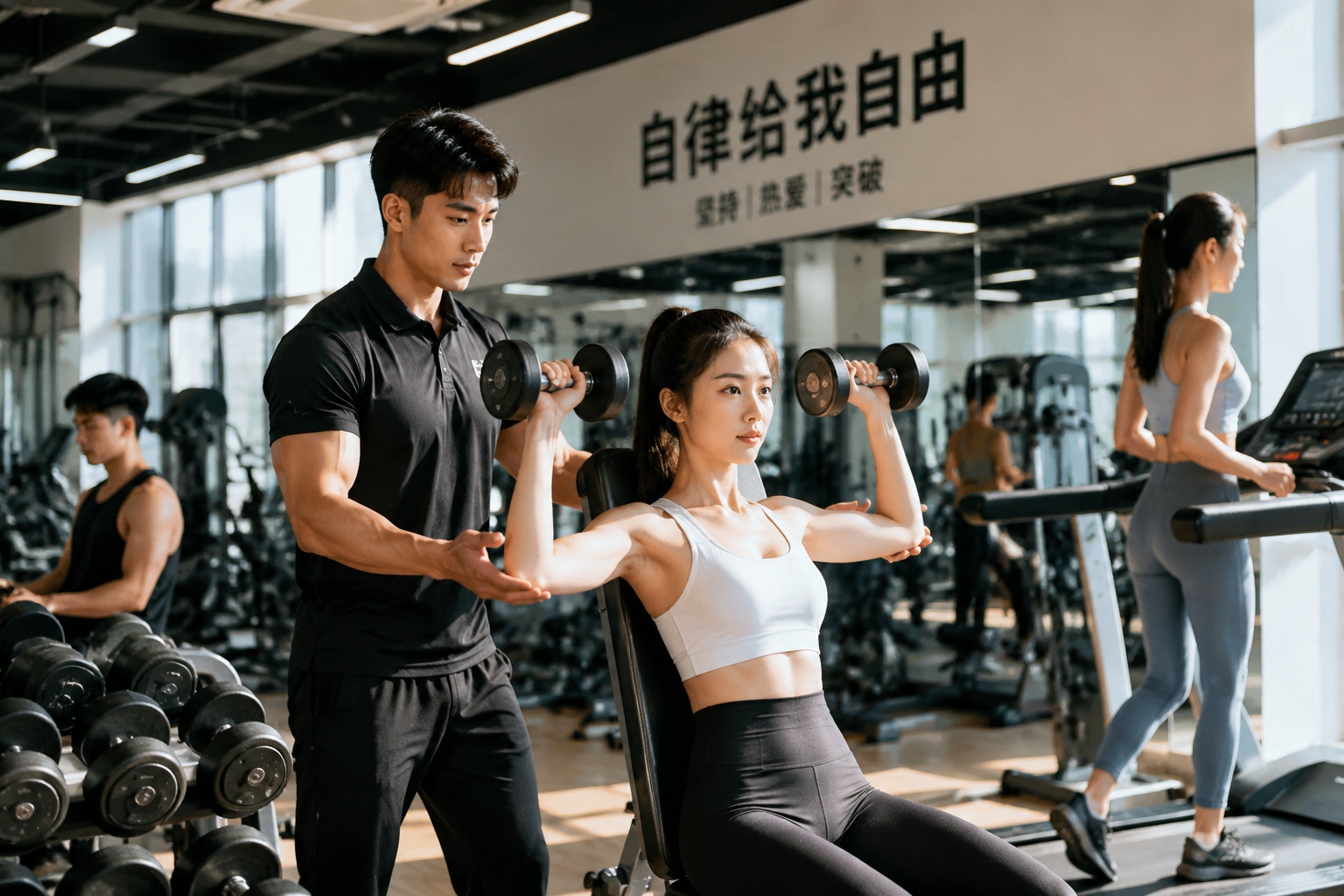
At 8 p.m. on a Tuesday, the gym in Shanghai’s Jing’an district is buzzing. Xiao Wang, a 27-year-old marketing manager, is finishing her third set of goblet squats with a personal trainer by her side. She started two years ago with a 10-session pack that cost her around 4,000 yuan (about $550). Now she goes twice a week, paying roughly 400 yuan per session. “It’s not cheap,” she says, “but it’s the best money I spend on myself.”
Wang is part of a growing crowd. Once seen as a luxury for celebrities or wealthy housewives, personal training has become a mainstream part of China’s urban youth culture. From Beijing to Chengdu, young professionals are turning to private coaches, boutique gyms, and high-energy group classes to shape their bodies and de-stress.
The Numbers: How Much Young Chinese Actually Spend
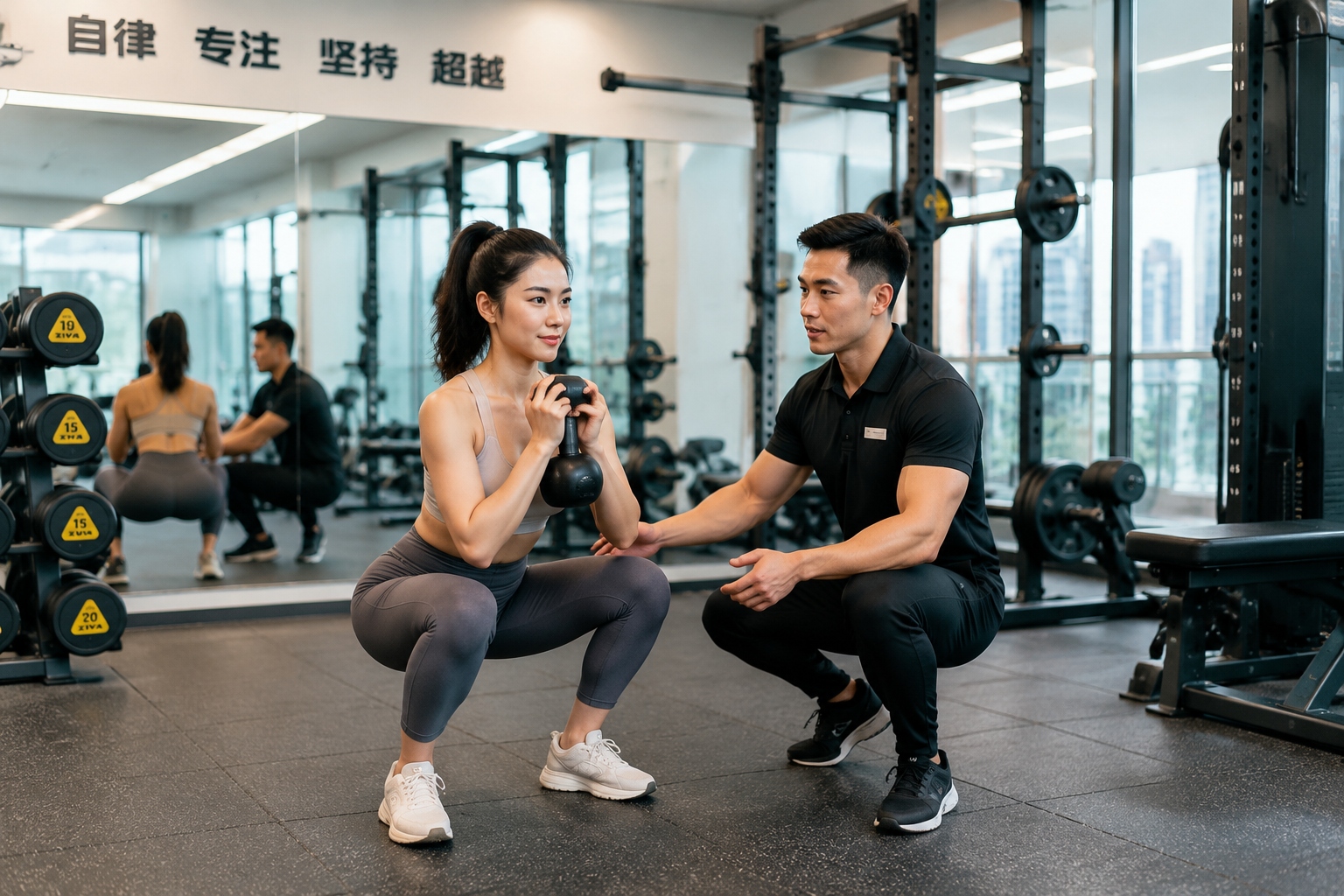
So, how much are they willing to pay? Industry figures paint a clear picture. In first-tier cities like Shanghai, Beijing and Shenzhen, a standard private training session typically costs between 300 and 500 yuan (roughly $45–70) per hour. High-end studios may charge 600 yuan or more. A typical plan of two sessions per week quickly adds up to 2,400–4,000 yuan per month – a sum that equals about a quarter of the average monthly salary for those aged 20–30 in these cities.
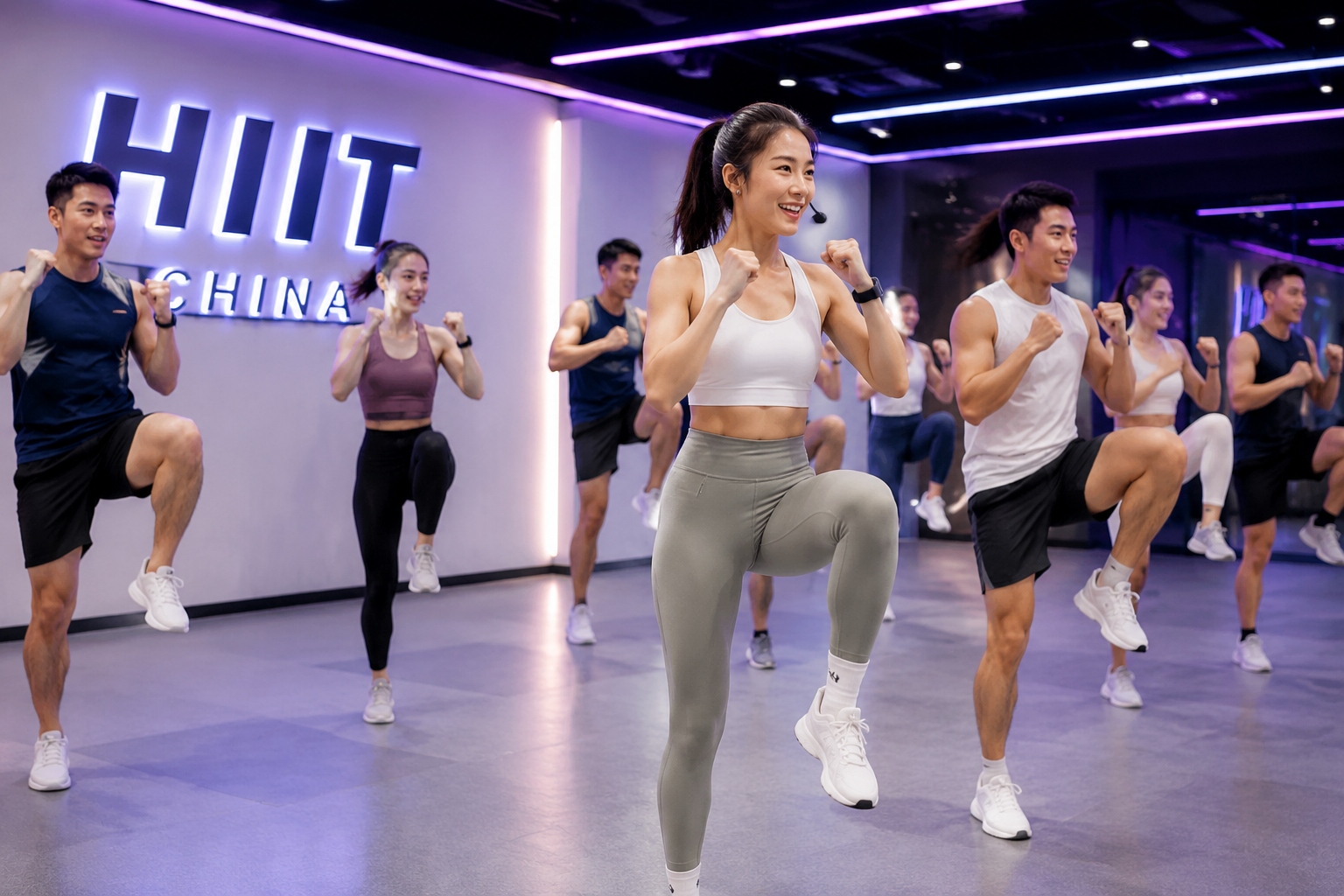
Group classes offer a more budget-friendly alternative. Brands like Super Monkey and Keep Land have made “sweating together” a trend. A single dance or HIIT class costs from 59 to 120 yuan (about $8–17). Young people often book several a week, turning them into a regular social activity. Spending 1,000–2,000 yuan a month on exercise has become normal for many lifestyle-conscious urbanites.
Private training: the premium choice
Why choose a personal trainer? The reasons are practical. Trainers offer customised plans, correct your form, and keep you accountable. For people who sit in offices all day, a structured workout avoids injury and gets results faster. “I tried following online videos at home for a year and saw little change,” says Chen Jie, a 29-year-old programmer in Hangzhou. “With a coach, I lost 10 kilograms in four months.”
Group classes: fitness with a social twist
Group classes, meanwhile, feed another need: community. In a high-pressure society where many young people live alone, the gym becomes a place to meet like-minded friends. The dark, neon-lit studios and loud music create an atmosphere closer to a nightclub than a traditional workout. Many participants are repeat customers who know the instructors and each other by name.
The Rise of the “Sweat Economy”
The fitness boom is not just about individual choices; it is a significant market trend. According to the General Administration of Sport of China, the country’s fitness industry was worth over 250 billion yuan (about $35 billion) in 2023, nearly double its 2015 level. The number of people who exercise regularly passed 400 million in 2022, and fitness clubs and studios now dot almost every urban shopping mall.
Younger generations are driving this growth. A 2022 report by Deloitte found that 62% of Chinese fitness club members were born after 1990. These digital natives grew up with a different attitude toward spending: they are willing to pay for experiences, health, and self-improvement rather than just owning things. This shows up in their workout habits, too. Many use fitness apps to track progress, book classes, and even rate coaches, turning exercise into a data-driven hobby.
New business models are also reshaping the market. Super Monkey, founded in 2015, popularised the “pay-per-class” model, letting customers book single sessions without a long-term membership fee. Its studios stay open until late night and are located in shopping districts, attracting office workers. Another brand, Keep, started as an app and now operates its own gyms, blending digital coaching with offline classes. These innovations make fitness more accessible and more tempting to spend on.
Why Are Young Chinese So Willing to Pay?
The willingness to spend on fitness is rooted in deeper shifts. Social media plays a role: platforms like Xiaohongshu (RED) and Douyin are flooded with workout videos and body transformations. Seeing peers show off abs and muscle lines makes fitness feel necessary for both career and romance. A fit body is widely interpreted as a sign of discipline and self-control, qualities that are highly valued in China’s competitive job market.
There’s also a shift in how health is understood. The pandemic taught many people that a strong immune system is real insurance. As a result, spending on health and wellness has become more justified. Unlike buying a handbag, money spent on a trainer or a gym membership feels like a productive investment in the future.
Workplace culture adds another layer of pressure. Long hours and high stress in white-collar jobs often trigger spending on “compensatory health.” Overtime workers may splurge on expensive workouts to counterbalance their sedentary, high-pressure existence. A late-night spin class or a weekend boot camp becomes both a physical outlet and a status symbol.
Not Everyone Is Splashing Out: The Affordable Side
It’s important not to exaggerate. Private trainers remain too expensive for many young people, especially those in smaller cities or with lower incomes. According to a 2023 survey by the China Sports newspaper, only about 12% of fitness club members choose personal training services. Others look for cheaper options: community fitness stations, public park running groups, or free apps offering workout plans. Online fitness influencers have built massive audiences by offering free or low-cost guidance.
Even in the premium market, there’s a range. Some young people buy cheaper trial packs or share a trainer in small groups. Others wait for promotional events, such as the Double 11 shopping festival, to grab discounted memberships. For every person paying 500 yuan an hour, there are many more who spend 200 yuan a month at a budget gym.
What Fitness Spending Says About China’s Youth
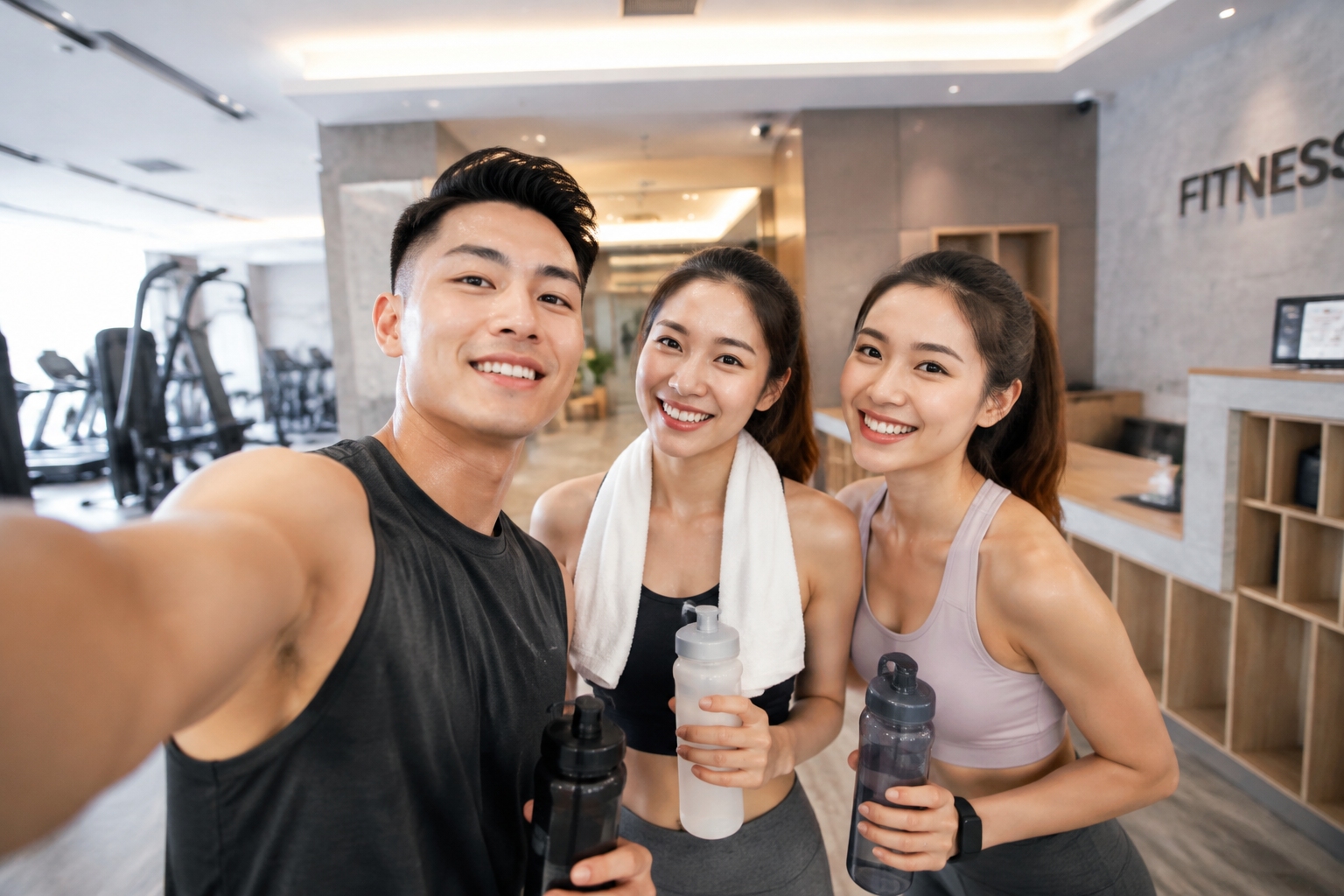
The fitness trend tells a story of a generation that has more choices and higher expectations for life. It reflects a shift from saving for the future to spending on the present, from sacrificing health to prioritising it. While the price tag may seem high, for many young Chinese it’s not just about looking good – it’s about feeling in control, building community, and investing in a better version of themselves.
As the sun sets over Shanghai’s skyline, Xiao Wang’s trainer hands her a towel and a smile. She has already booked her next session. For her and millions like her, the gains are worth every yuan.
Start the discussion at forum.chinacomes.com