

Friday Night, 10:00 PM
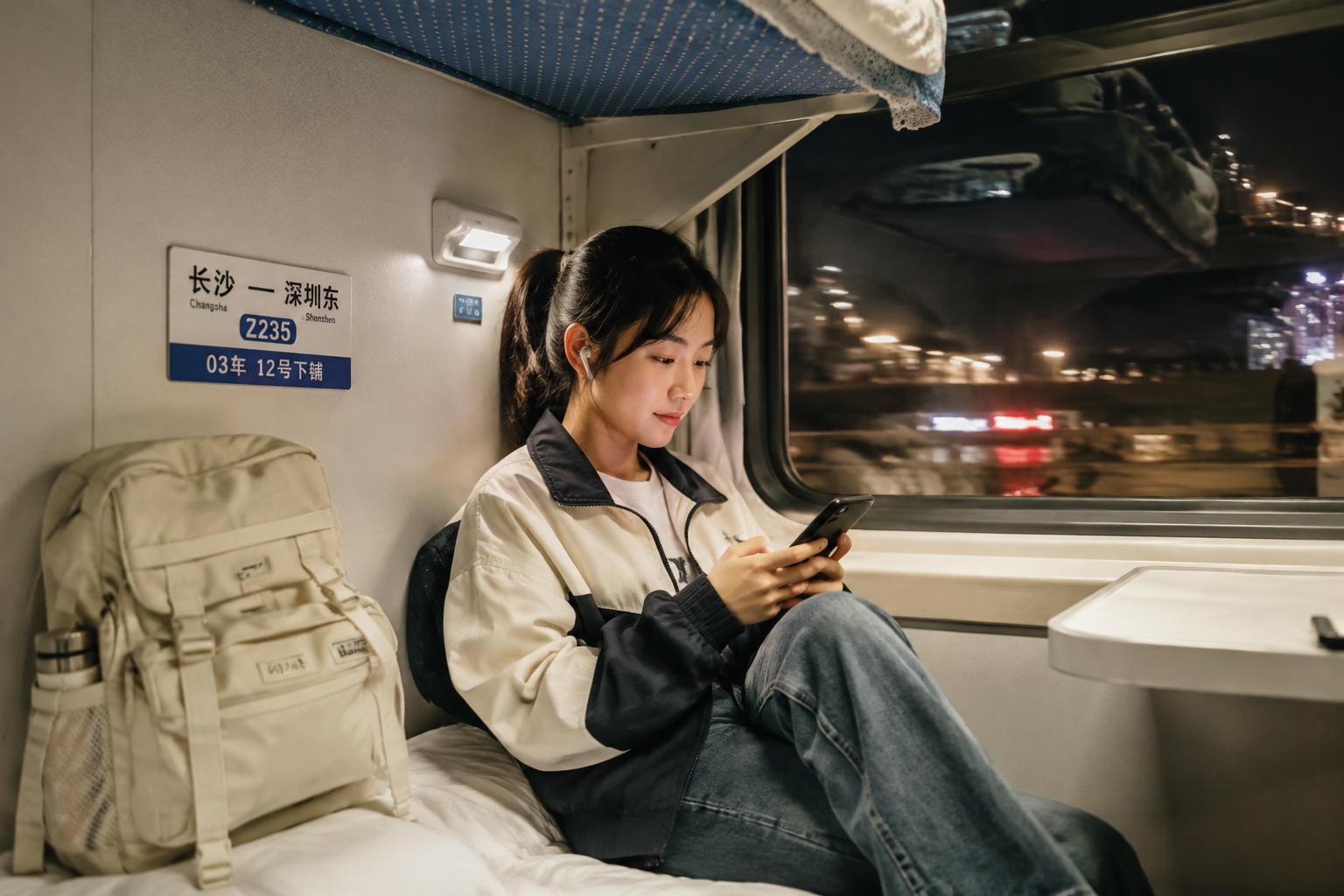
Chen Wei is on a train. Not a fancy bullet train, but an overnight hard-sleeper heading from Beijing to Tai’an, a city in Shandong province. He’s 21, a junior in college, and he’s got a list of five attractions to conquer in the next 36 hours. His backpack holds no suitcase — just a power bank, a water bottle, a few energy bars, and a light jacket. He has not booked a hotel. He doesn’t plan to. By Sunday evening, he’ll be back in his dorm, posting a hand-drawn route map on social media with the caption: “Special forces mission complete.”
Welcome to “Special Forces Travel” (特种兵式旅行), a trend that has taken China’s young people by storm. The idea is simple: see everything, spend almost nothing, sleep as little as possible. The name compares young travelers to special forces soldiers carrying out a precise, fast military operation. It sounds exhausting because it is — yet Generation Z in China treats it as a proud achievement.
Why Are Young Chinese Doing This to Themselves?
The reasons are practical as much as emotional. College students have tight budgets and shorter vacation windows than you might think. Many universities have strict campus policies, making long trips hard. Weekend travel becomes a calculated strike: leave Friday night, return Sunday night. At the same time, high-speed rail and overnight trains have made Chinese cities surprisingly close. For the price of a cinema ticket, a student can ride hundreds of miles.
The result? A new Internet vocabulary. “Special Forces Travel” was one of China’s hottest buzzwords in 2023. On Xiaohongshu (Little Red Book), a lifestyle app popular with young women, tens of thousands of posts show hand-drawn schedules with train times, subway connections, and eating stops mapped down to the minute. Some travelers boast of visiting six cities in three days. Others conquer a single city’s entire list of scenic spots before breakfast.
The Classic Special Forces Playbook
If you want to try it, Chinese students have developed an effective system. Here’s how it works.
Step 1: Pick a Target City That’s Close Enough
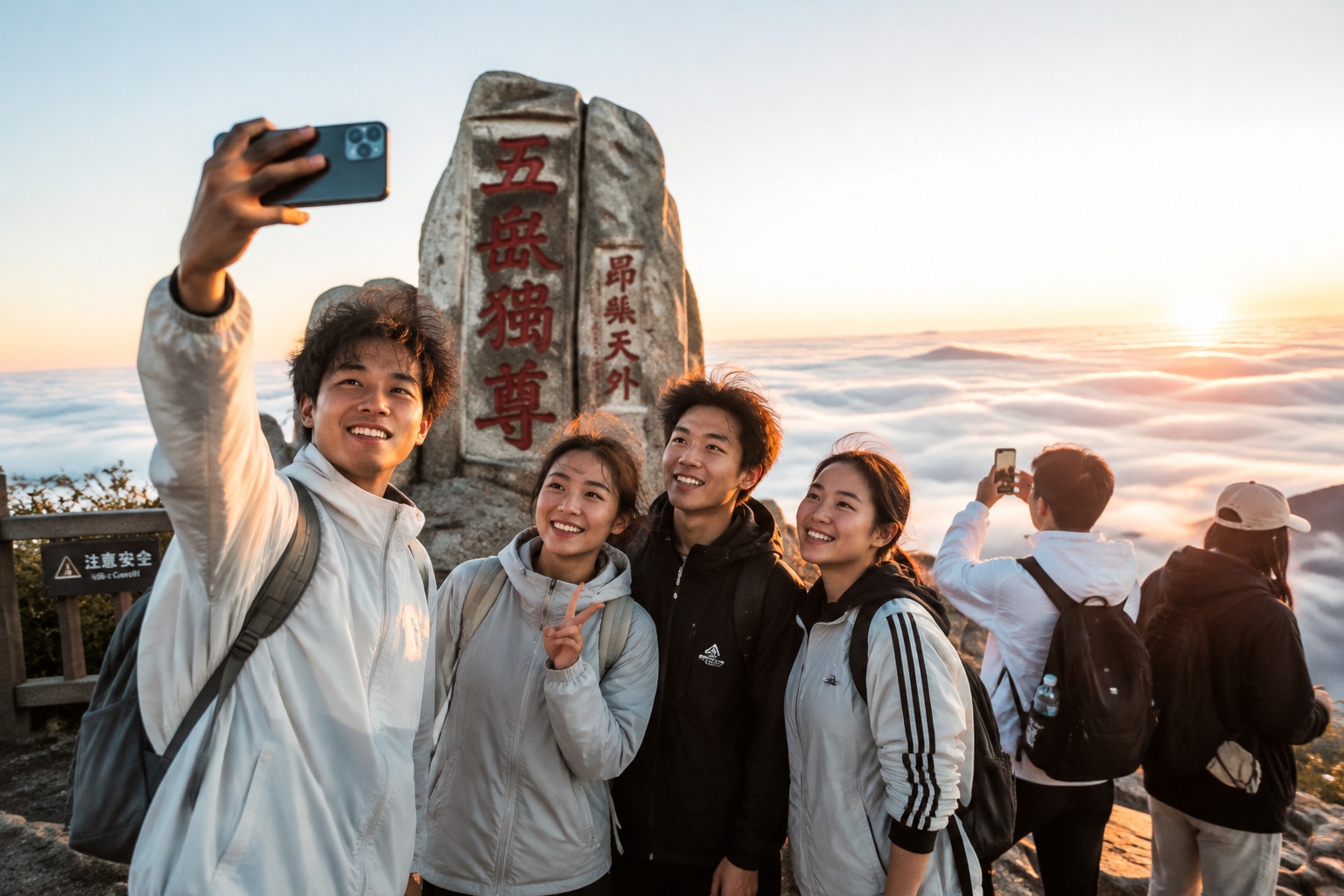
Successful special forces travelers don’t go far. They pick cities connected by overnight trains or early-morning high-speed services. A popular choice is climbing Mount Tai, as Chen Wei did, since the night train lands early enough to watch the sunrise. Others choose Xi’an for the Terracotta Warriors, then hop to Luoyang for the Longmen Grottoes, both in central China.
Step 2: Draw an Attack Route
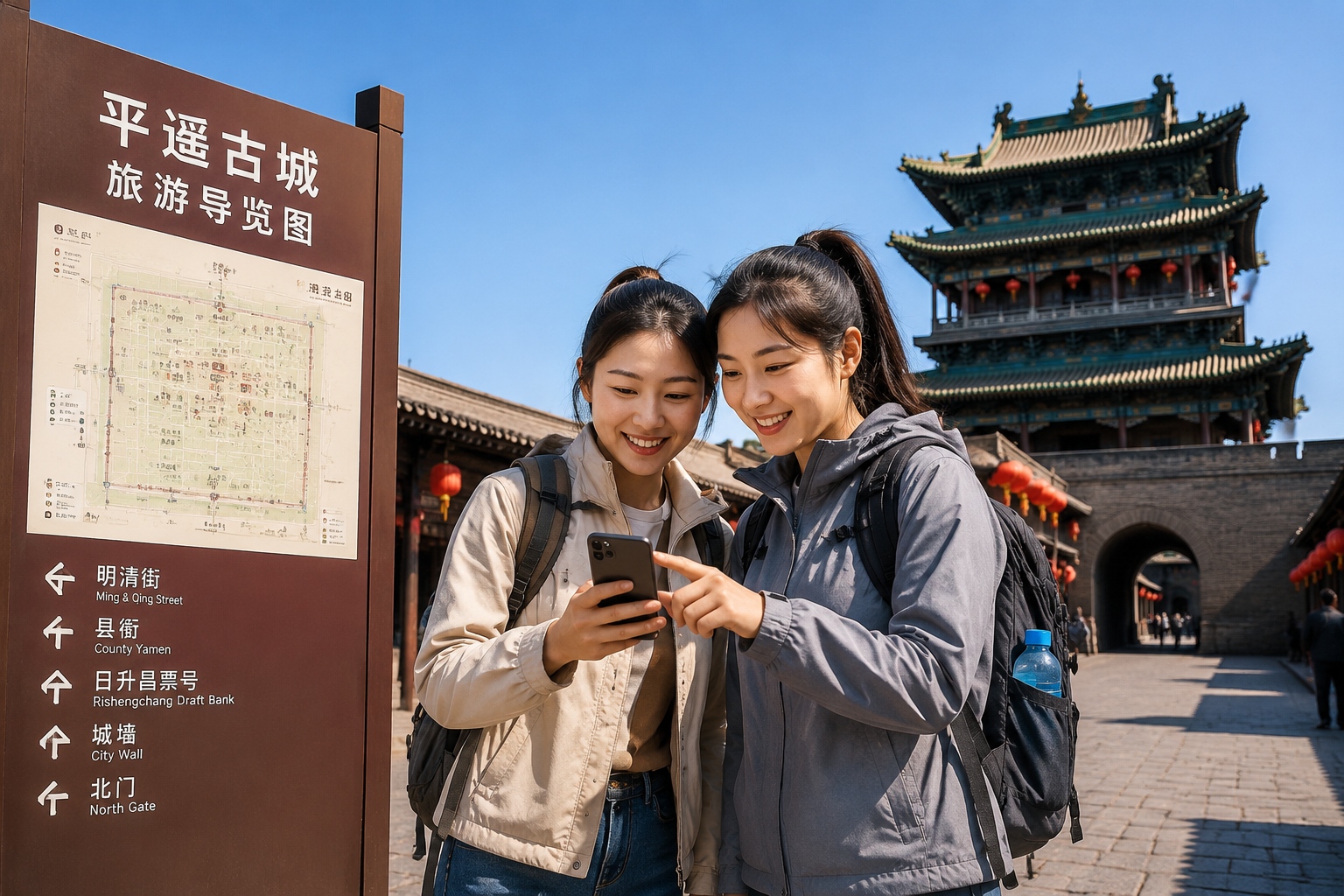
Once the city is chosen, travelers use map apps like Amap or Gaode to plot scenic spots in a circle. The trick is to avoid zigzagging across town. A good route can double as a walking tour. Many students also check the exact opening times and free-entry slots for parks and museums, which need online reservations. For example, many museums in China are free to the public, but you must book ahead via a WeChat mini-program.
Step 3: Minimize Time for Meals
Street food works. A jianbing (savory pancake) costs about 10 yuan, or 1.4 USD, and takes three minutes to eat. Breakfast markets often double as cultural experiences. In many Chinese cities, locals line up for soup dumplings before work; joining that queue doesn’t feel like tourism, it feels like living in the city.
The Money Arsenal: How Students Pay So Little
Special forces travel has become a kind of low-budget sport, and students have built an arsenal of money-saving tricks.
Student Discounts Are Everything
China is generous to students. Show a valid student ID card (or the online version on your phone) and hundreds of attractions offer half-price tickets. In some places, like Mount Tai, the discount is significant. Most universities issue a physical student card with a chip, but now many students also use an official app. There is one catch: the discount usually applies only to full-time undergraduate students. Graduate students often pay full price.
Night Trains: Sleep While You Move
Rather than paying for a hotel, special forces travelers book an overnight hard-sleeper berth on an old-fashioned train. A six-hour ride in a “hard sleep” bunk can cost less than a night in a hostel. Hotels are out of the question anyway — you’d lose hours of the day.
Free and Nearly Free Attractions
China’s urban public parks and waterfront promenades are often entirely free. A classic special forces route might start at an ancient city wall, which costs a small fee, then move to a lakefront area, then end at a pedestrian street full of street food stalls. In Beijing, the Forbidden City costs 60 yuan, but Jingshan Park, which offers a great view over it, costs only 2 yuan (28 cents). Savvy explorers often find the best views from bridges or hillsides that don’t charge anything.
Equipment List: What You Sacrifice in Comfort
Special forces travel isn’t for the unprepared. Veteran travelers share a common gear list:
- Good shoes. The average trip involves 30,000 to 45,000 steps per day. That’s like walking four marathons in a weekend. Cheap shoes will punish you.
- Power banks. Your phone is your watch, guide, wallet, and ticket office. A dead battery can ruin the mission.
- A very light backpack. Students rarely bring more than a few changes of socks and a light jacket. Backpacks must be small enough to not get in the way on crowded metro trains.
- Emergency info. A simple wristband with your hotel (if any) address and emergency contact written on it could be a lifesaver.
The Hard Part: Is It Worth It?
Let’s be honest: not everyone loves the special forces style. Critics call it “parading through flowers without lingering.” You’ll spend more time riding the metro than sipping tea in a temple courtyard. Some trip memories blur into a haze of ticket gates and selfie sticks. Returning to school, you might sleep through Monday morning classes.
But here is the thing: for many Chinese students, it’s not about deep cultural tourism. It’s a chance to escape the campus and experience the world with their own feet, in a way that fits their budget. A 21-year-old who has spent months studying in a library suddenly gets that moment of wind on a mountain, a sky full of stars, a sunrise with friends. Even if they didn’t sit down for an hour beside the mountain path, that wind still feels real.
How to Be a ‘Better’ Special Forces Traveler
If you’re visiting China and want to try a slightly softer version, here are some practical tips.
- Split your schedule. Choose one early morning start and one lazy evening. Don’t try to be a robot every single hour.
- Cut the number of cities in half. Instead of two cities in 48 hours, pick one and spend the second day repeating a spot you liked.
- Schedule rest breaks. Find a café or park bench for 30 minutes. Your feet will thank you.
- Download offline maps and payment apps. In China, Alipay and WeChat Pay are everywhere; even street vendors and metro ticket machines accept them. However, for foreigners, linking an international card can be tricky. Test it before you leave home.
Tomorrow’s Trip Is Waiting
Special forces travel is more than a buzzword. It’s the clever rebellion of students who refuse to let limited money stop them from seeing their ancient and changing nation. They ride hard-sleeper trains, walk 30,000 steps, and photograph a dozen historical sites, all while running on eight yuan of street food and a two-hour nap.
Maybe you’ll see a group of exhausted teenagers sprawled on a metro station floor, holding selfie sticks and sharing a bag of oranges. They look terrible. They look happy. In their tired faces you see the weekend warrior spirit — a generation determined to live big on a small budget.
So, next time you find yourself in China on a Sunday morning and see someone with a backpack sprinting toward the Forbidden City as if their life depends on it, don’t be confused. They’re likely not doing a 5K charity run. They’re just special forces travelers, closing in on the last attraction before their train leaves.
Start the discussion at forum.chinacomes.com