
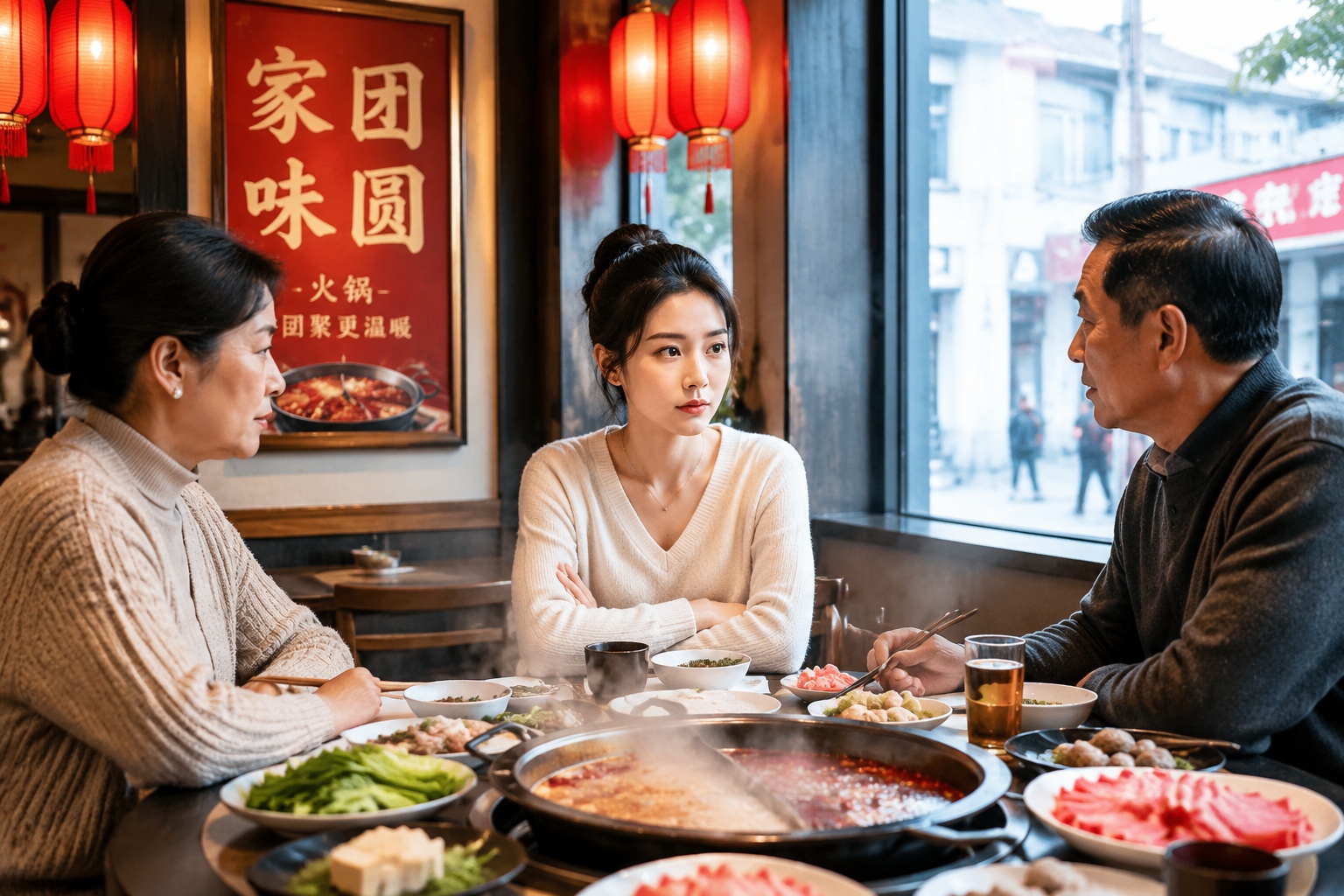

A Quiet Revolution Over Dinner
On a Friday night in Shanghai, 27-year-old Wang Lin sat across from her parents at a hotpot restaurant. The steam rose between them as her mother carefully placed slices of beef into the boiling broth. Then came the question Wang Lin had been dreading: “When are you going to settle down and get married?”
She put down her chopsticks. “I’m not,” she said quietly. “Not now. Maybe not ever.”
Her mother’s face froze. Her father sighed. But Wang Lin didn’t back down. She had a master’s degree in data science, a job she loved at a tech company, and a small apartment she rented with her own salary. She wasn’t against love — she just didn’t see marriage as the only path to happiness.
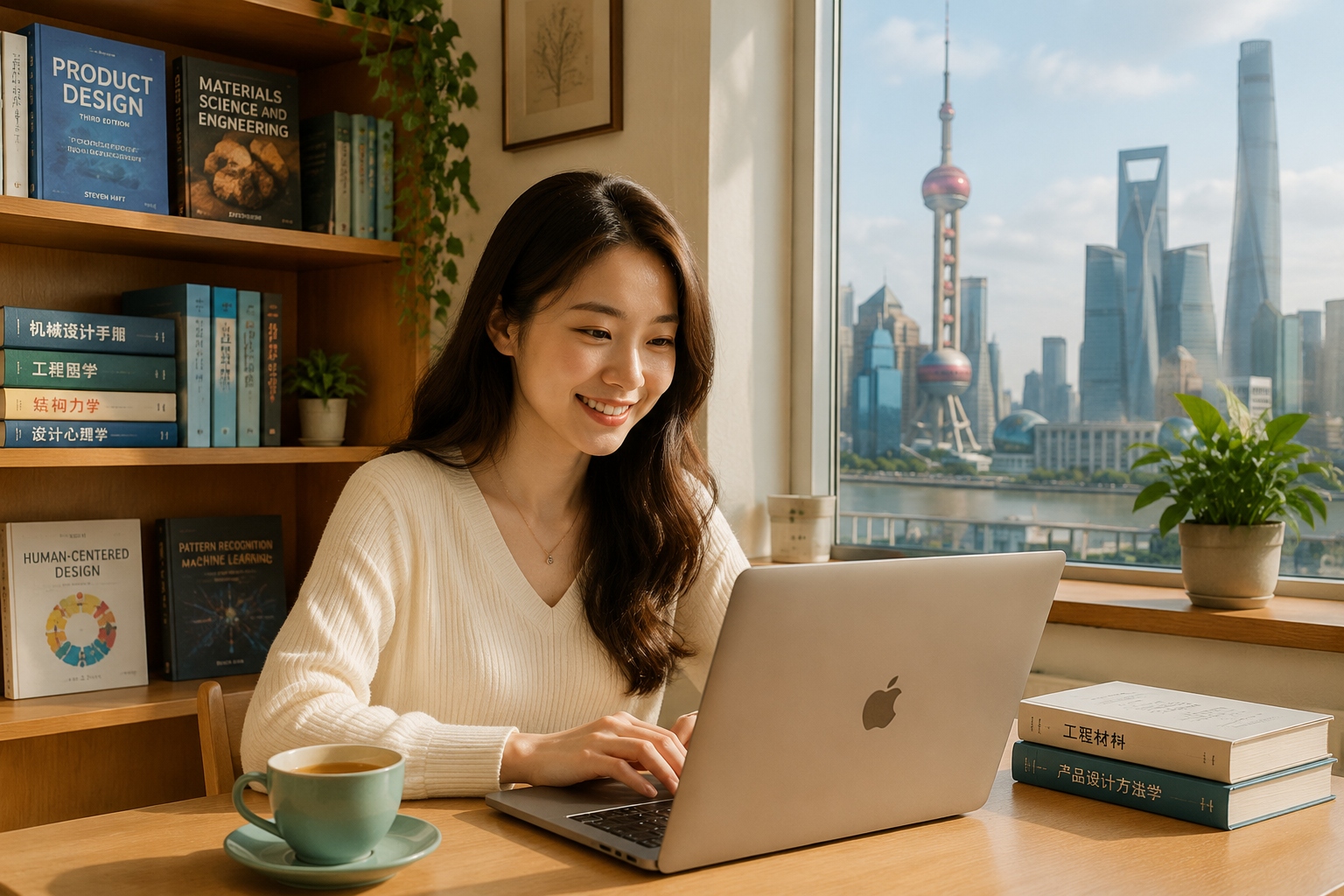
Wang Lin’s story is far from unique. Across China, a quiet but powerful shift is reshaping how young women think about marriage, family, and their own futures. This article takes you inside that change — through the eyes of real women, and with facts that explain why it’s happening.
Why Are Women Waiting Longer to Marry?
For decades, the “ideal” timeline for a Chinese woman was clear: graduate by 22, work for a couple of years, and marry before 25. By 30, you should be a mother. Those expectations are crumbling.
According to China’s Ministry of Civil Affairs, the number of new marriages has been falling steadily since 2013. In 2022, only 6.8 million couples registered — the lowest since 1985. Meanwhile, the average age of first marriage for women has risen to over 28 in cities like Shanghai and Beijing, and many are choosing to marry even later, or not at all.
Why? Three big reasons stand out:
Education
In 2022, women made up nearly 52% of all college graduates in China. More education means later graduation and more career ambitions. A woman with a master’s degree is far less likely to rush into marriage at 23.
Economic Independence
Decades ago, marriage was often a financial necessity for women. Today, millions of women earn their own living. A 2023 survey by the Chinese Academy of Social Sciences found that 68% of single urban women aged 25–35 said they would not marry unless they found a partner who met high standards for shared values and emotional support.
Changing Attitudes
The old model — “marry a man to rely on him” — no longer appeals. Younger women are more exposed to global ideas about gender equality and personal freedom through social media and travel. They want partners, not providers. And if they don’t find the right one, they prefer to stay single.
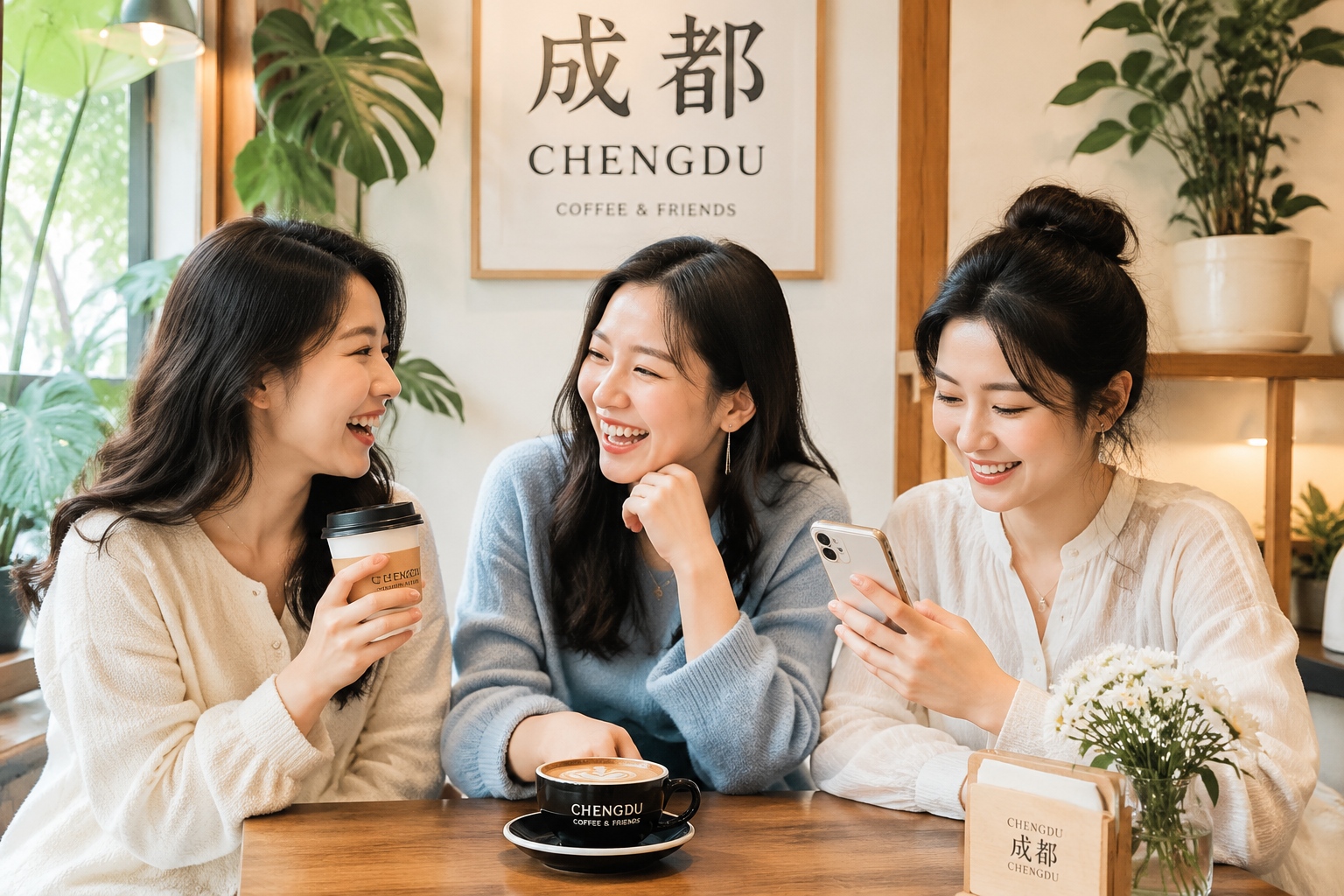
Real Women, Real Choices
Let me introduce you to a few women who are living this change.
Li Mei, 30, Engineer in Shenzhen
Li Mei earns a six-figure salary designing chips for a smartphone manufacturer. She owns a car and is saving for a down payment on an apartment. Her mother calls her every week to ask if she has met anyone. “I tell her, ‘Mom, I don’t need a man to fix my life. I want one who can be my equal.’” She hasn’t found that yet, so she’s not rushing.
Zhang Yu, 34, Freelance Illustrator in Chengdu
Zhang Yu left a stable job at a state-owned company three years ago to become an artist. Her income is unstable, but she says she’s never felt more alive. “My relatives say I’m wasting my best years. But I know what I want: freedom to create, to travel, to choose my own schedule. Marriage would be a bonus, not a goal.”
Chen Xi, 28, Entrepreneur in Hangzhou
Chen Xi co-founded a fashion startup that now employs 20 people. She broke up with her long-term boyfriend two years ago because he expected her to quit work after marriage. “I told him, ‘My business is my baby.’ That’s when I realized I couldn’t live that way.” Now she dates casually but is not looking for marriage.
These women are not outliers. In China’s biggest cities, they are becoming the norm.
The Old Labels Are Fading
Not long ago, a single woman over 27 was called “leftover woman” (剩女, shèngnǚ) — a term that carried heavy stigma. Parents would display their children’s photos in “marriage markets” in city parks, treating marriage like a race.
Today, the term is widely criticized in the media and online. In 2023, the official state broadcaster CCTV ran a segment saying that women should not be judged by marital status. Popular TV shows and social media influencers celebrate single women who travel, start businesses, and pursue hobbies.
Of course, not everyone accepts this shift. In smaller cities and rural areas, family pressure remains intense. But even there, attitudes are slowly changing as more young women leave for universities and jobs in big cities, and then stay.
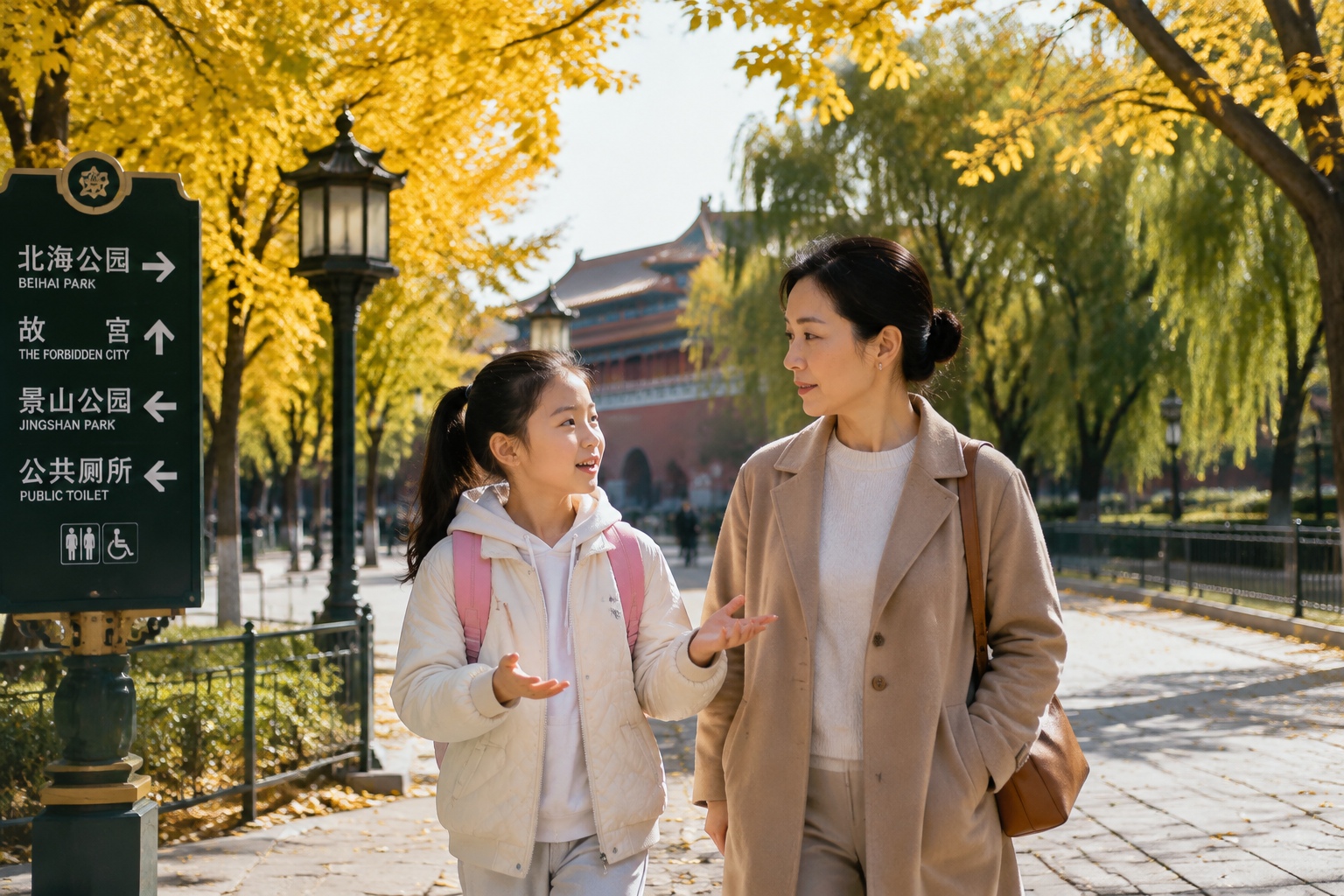
What This Means for China’s Families
China’s birth rate has dropped to 1.0 child per woman, among the lowest in the world. The government has introduced incentives to encourage marriage and childbearing, but these policies haven’t reversed the trend.
Many observers see the decline in marriage as a problem. But from the perspective of these women, it’s simply a rational response to better opportunities. When you have education and a career, you don’t need to settle. When you can support yourself, you can wait for the right partner — or decide you’re happier alone.
Some Chinese sociologists argue that this is a sign of social progress. “Women’s independence is not a crisis. It’s the natural result of a more equal society,” says Dr. Liu Fang, a professor of gender studies at Peking University. “The challenge now is for men and society to catch up — to value partnership, share domestic work, and respect women’s choices.”
The New Dream: A Life Undefined
Back at the hotpot restaurant, Wang Lin finally convinced her parents that she wasn’t rejecting happiness — just the one-size-fits-all version of it. She showed them photos from her solo trip to Japan, her latest work project, and her savings plan for a house. Her mother still looked worried, but her father, an engineer himself, started to understand.
“He said, ‘You’re like me when I was young — I wanted to build something too.’ That meant everything.”
Wang Lin’s life is not about saying no to marriage. It’s about saying yes to herself. And millions of Chinese women are learning to do the same — one dinner conversation at a time.
Start the discussion at forum.chinacomes.com