

A Decade of Change, Seen from a Community Clinic
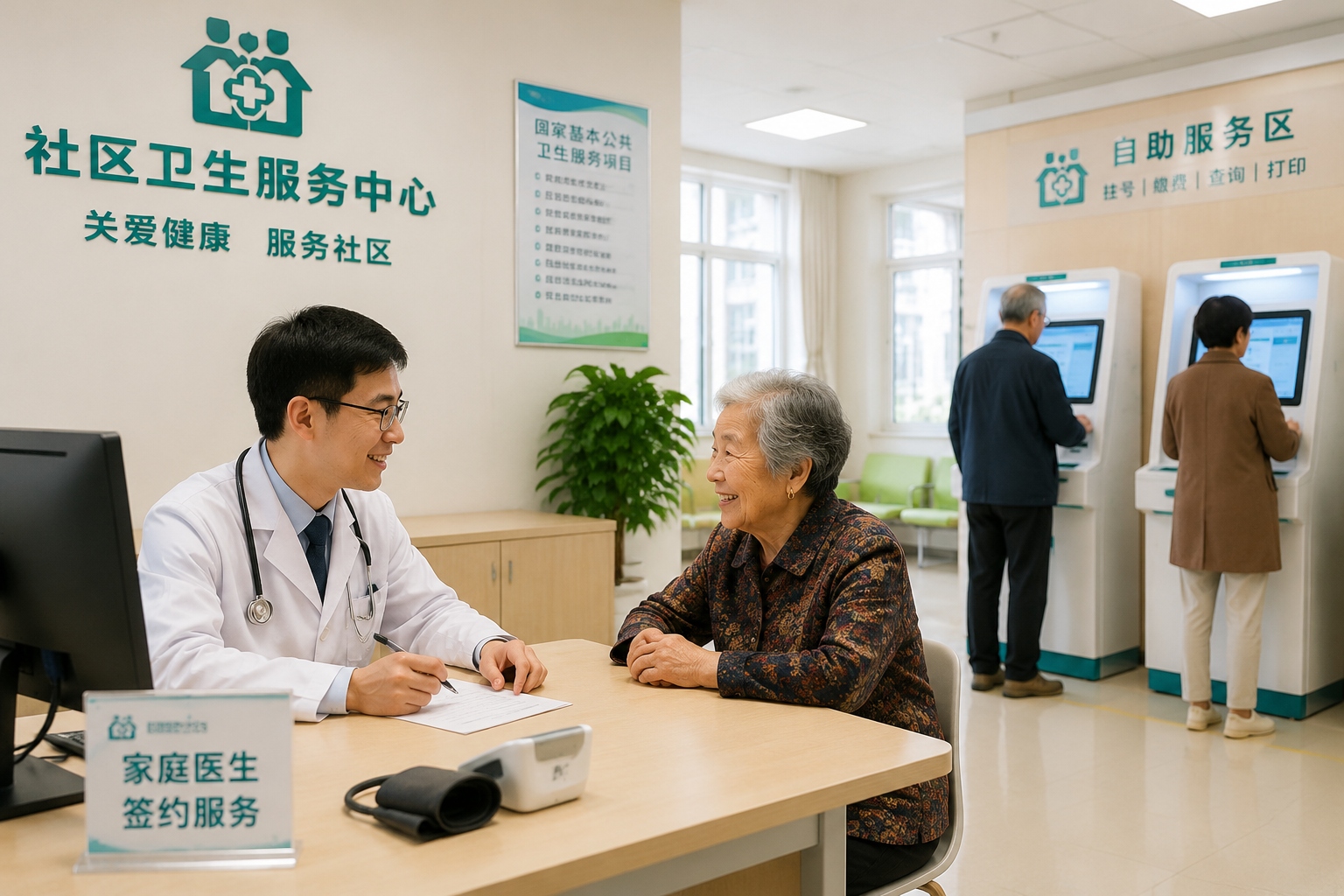
At 7:30 a.m., the community health center in Beijing’s Chaoyang District is already busy. Retired factory worker Zhang Weidong, 68, walks in without an appointment, swipes his ID card at a self-service kiosk, and sees his family doctor for a blood pressure check. Ten years ago, this would have meant a 40-minute bus ride to a large hospital, a long queue, and a bill that ate into his pension.
This scene, repeated across urban China, is one small sign of a much larger transformation. Over the past decade, the country has reworked its healthcare system from the ground up—not with a single dramatic policy, but with a series of reforms that have quietly reshaped how ordinary people get care.
Building a Primary Care Network That People Use
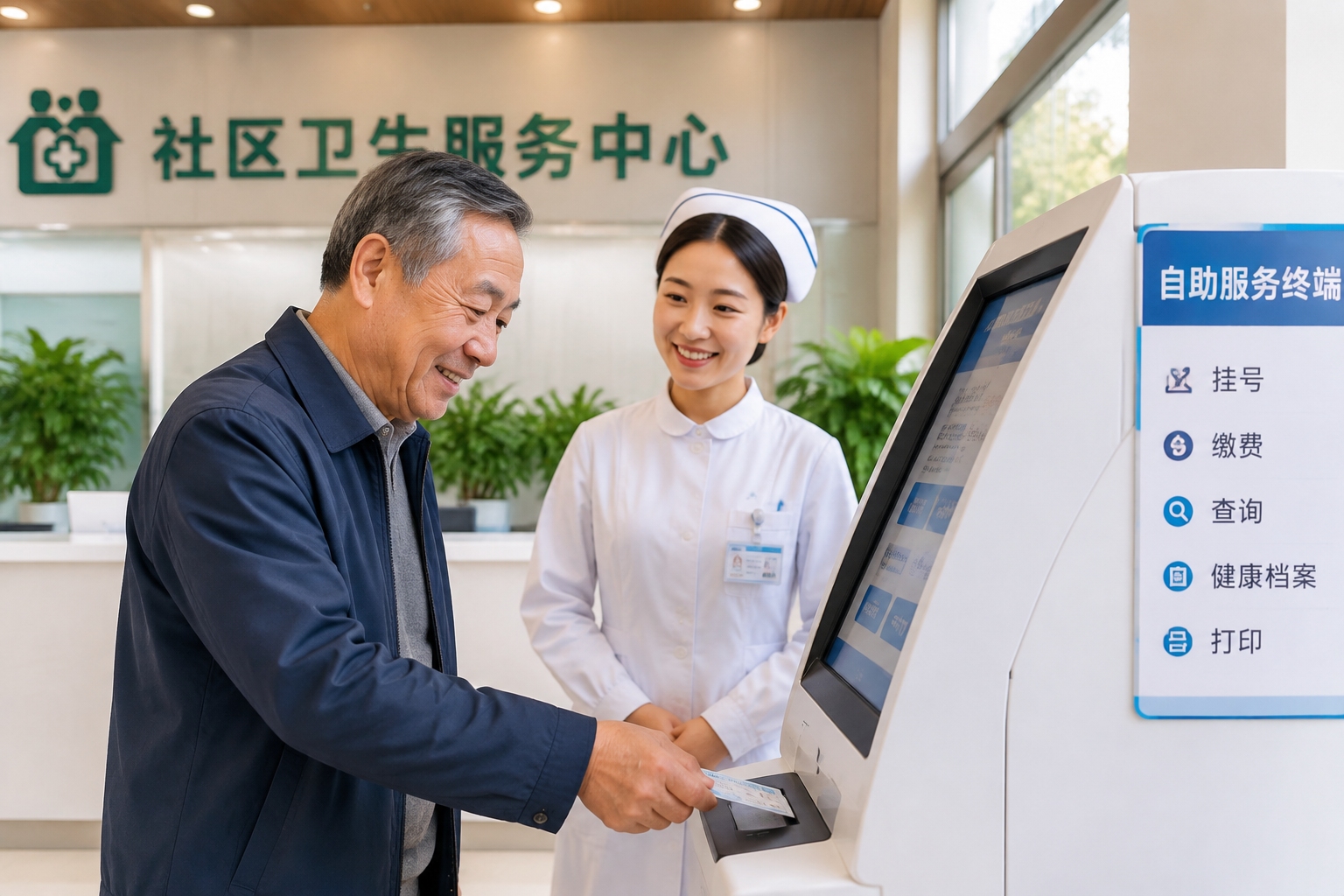
The biggest shift is the expansion of primary care. By 2021, China had over 980,000 primary health institutions—community centers, township clinics, and village stations. They now handle more than half of all outpatient visits. The government has invested heavily in upgrading facilities and training general practitioners, aiming to create a ‘gatekeeper’ system where common illnesses are treated locally, not in crowded city hospitals.
For patients like Zhang, this means lower costs and shorter waits. For the system, it means reducing pressure on large hospitals, which are now free to focus on complex cases. The policy, known as ‘graded diagnosis and treatment,’ is a cornerstone of the reform.
Health Insurance: From 95% to a True Safety Net
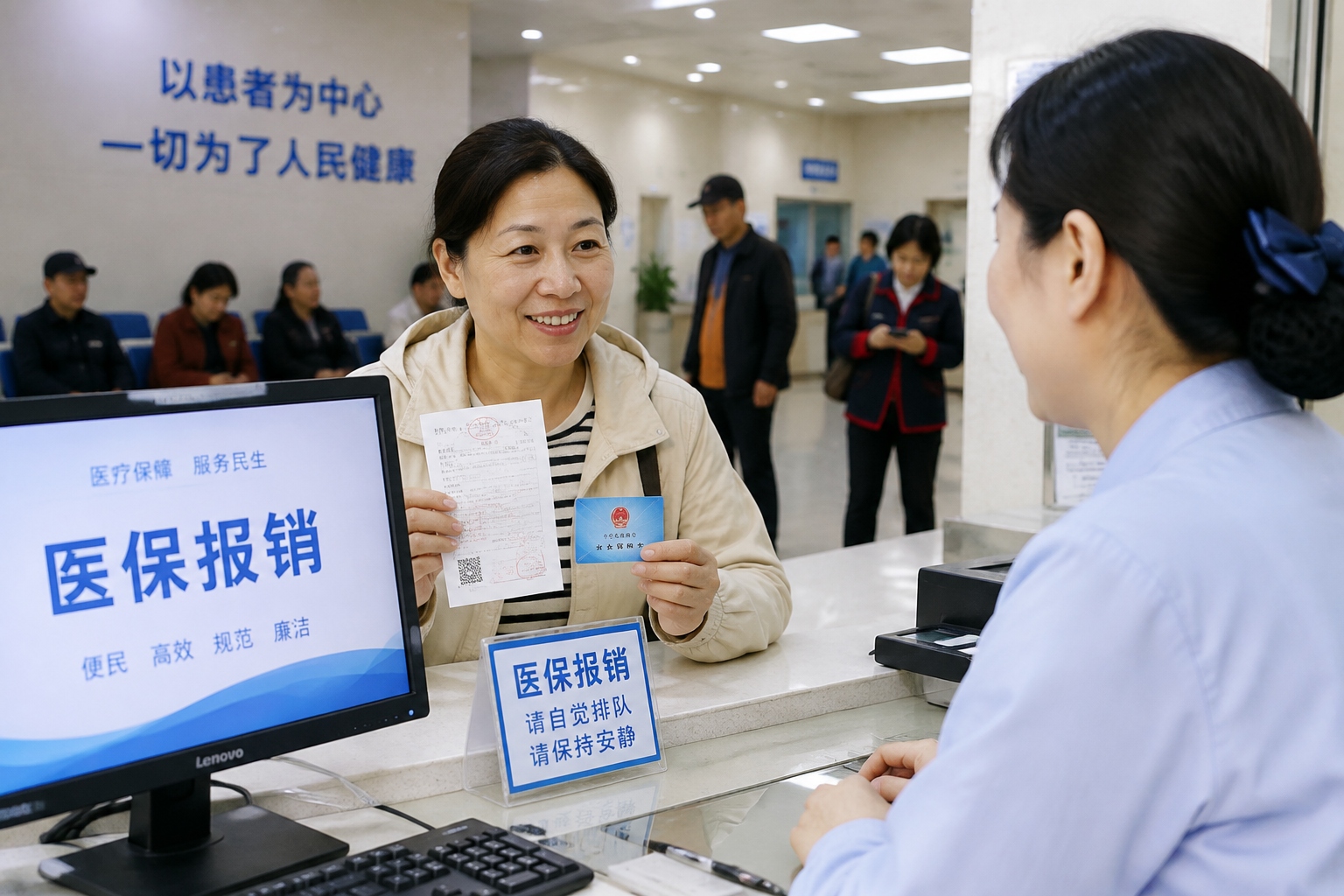
In 2012, about 95% of the population had some form of health insurance. Today, the figure is over 96%, covering essentially everyone. The government has also raised reimbursement levels, especially for serious illnesses. A new national catastrophic insurance program helps protect families from medical debt, with out-of-pocket spending as a share of total health expenditure falling from 34% in 2010 to 27% in 2021.
But more important than numbers is the feeling of security. ‘My mother’s cancer treatment would have financially destroyed us a decade ago,’ says Li Na, a 34-year-old office worker in Chengdu. ‘Now, after reimbursement, we paid about a third, and the hospital helped with the paperwork.’
Drug Prices: How Bulk Procurement Changed the Pharmacy
One of the most visible changes is in drug prices. Starting in 2018, the government began carrying out national bulk procurement, negotiating directly with manufacturers. Each round, average price cuts have exceeded 50%. Stents used in heart surgery dropped from over 10,000 yuan to around 700 yuan. Diabetes drugs that once cost 70 yuan a month are now a fraction of that.
These savings are not just statistics. In a rural clinic in Gansu, a farmer with hypertension showed me his monthly prescription: three drugs, total cost 8.5 yuan. ‘It’s less than the cigarettes I used to buy,’ he said with a laugh. The role of the government, once seen as a regulator, has shifted to that of a savvy, large-scale purchaser.
Telemedicine and Digital Health: Reaching the Last Mile
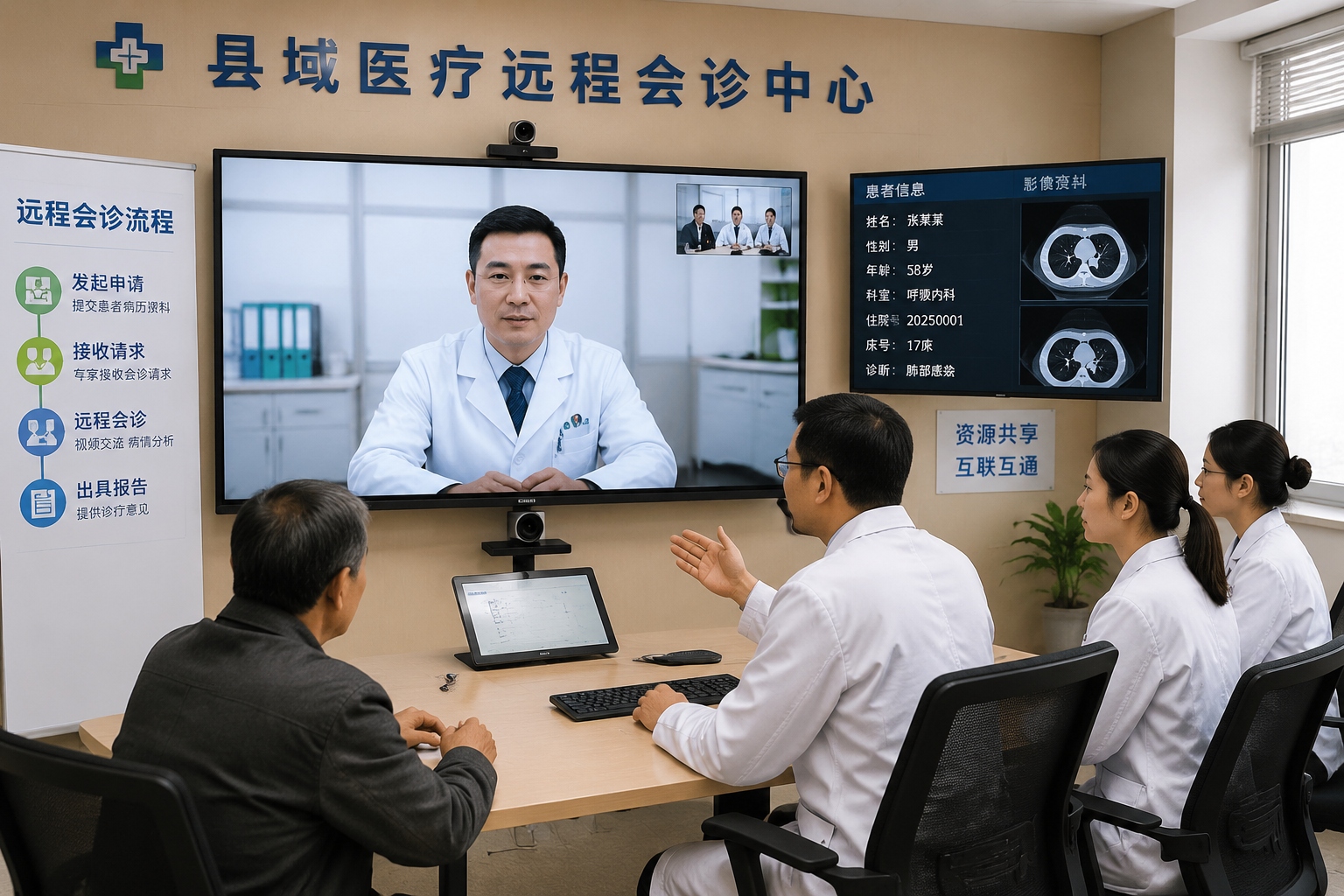
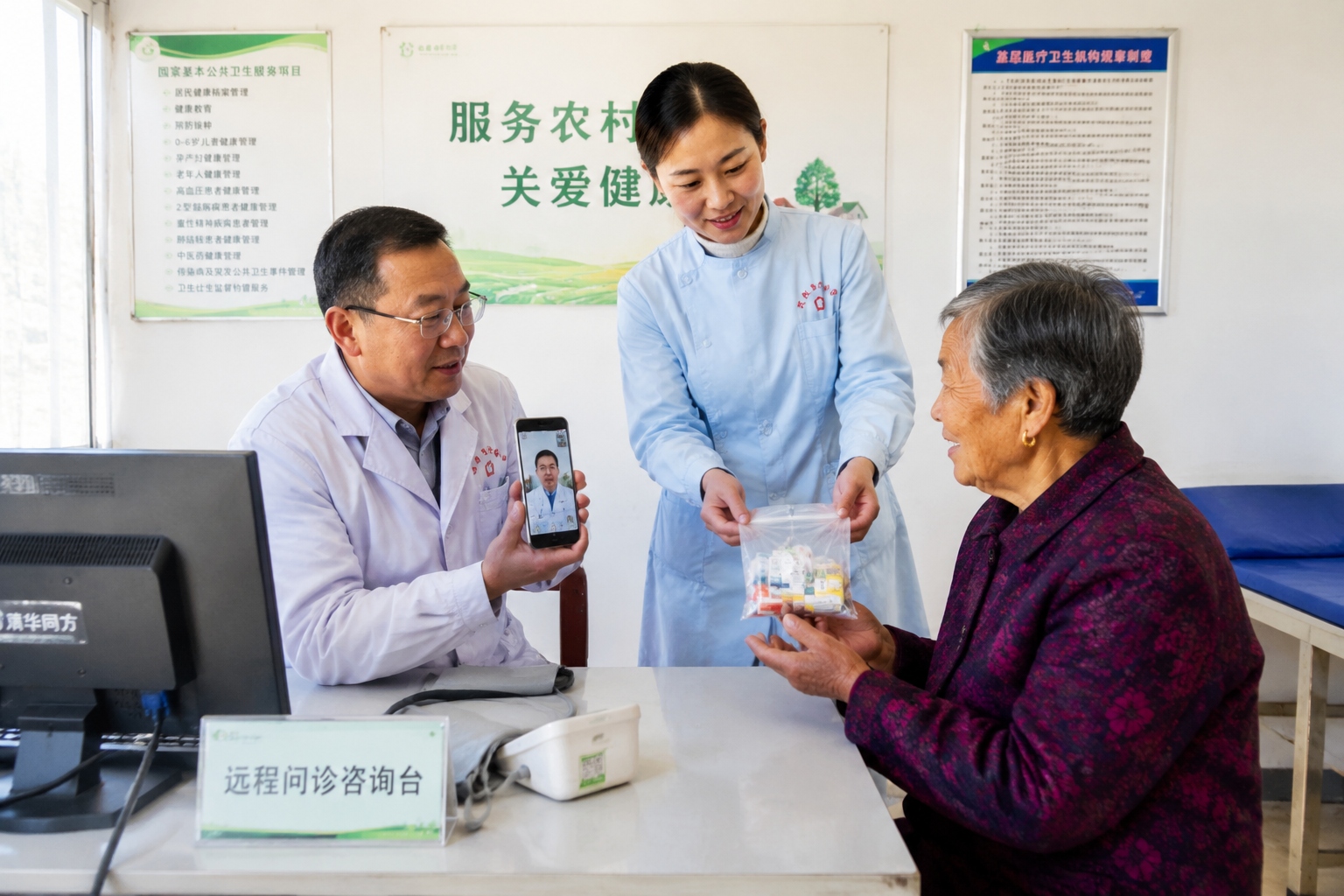
China’s vast geography has always made equal access to care difficult. Ten years ago, a patient in a remote mountain village might need days to reach a specialist. Today, telemedicine platforms allow county hospitals to connect with top-tier institutions in Beijing and Shanghai in real time. By 2022, more than 3,000 hospitals had launched online services, and remote diagnostic centers were operating in all 2,000-plus counties.
During the COVID-19 pandemic, these digital channels proved indispensable. They allowed millions to consult doctors without leaving home, and they enabled cities to track outbreaks through health codes and nucleic acid testing data—a huge experiment in digital public health that remains controversial but also influential.
Public Health Emergencies: The COVID Stress Test
The pandemic was the harshest test for any healthcare system. China’s response—zero-COVID until late 2022, then a rapid shift to living with the virus—was not without missteps and heavy costs. But it revealed a system capable of extraordinary mobilization: new hospitals built in days, millions of PCR tests processed daily, and a unified data system connecting every province.
At the same time, the experience exposed deep weaknesses. Community health workers were overstretched, hospital overcrowding became acute during infection peaks, and the elderly in rural areas had limited access to intensive care. The government has acknowledged these shortcomings and announced further investment in emergency capacity, critical care beds, and vaccination of the elderly.
What Still Needs to Change
No honest account can ignore the challenges. An aging population will put even more pressure on pensions and healthcare. There are still vast disparities between coastal cities and inland rural areas. The quality of general practitioners varies greatly, and many patients remain skeptical about seeing a community doctor for anything beyond a cold. Private insurance, still in its infancy, could become a bridge for those who want extra coverage.
Yet the direction is clear. As the slogan ‘No health, no prosperity’ suggests, healthcare is now treated not as a cost, but as an investment in human capital. China’s per capita health spending remains lower than most developed countries, but it has more than doubled in a decade, with a focus on preventive care.
The Decade That Built a Foundation
What has China achieved in ten years? A system that is far from perfect, but one that has lifted basic healthcare from a patchwork to a safety net. The country has turned a national discussion about health poverty into a systematic response—one measured not in mega-projects, but in the everyday experience of a retiree who gets his blood pressure checked in his neighborhood, or a rural mother who can call a doctor by video.
The next decade will demand more: preparing hospitals for an older population, training better doctors, making digital tools both safer and more user-friendly. But the starting point, built over the past ten years, is stronger than many outsiders realize.
Start the discussion at forum.chinacomes.com