

A Morning in Liuyang
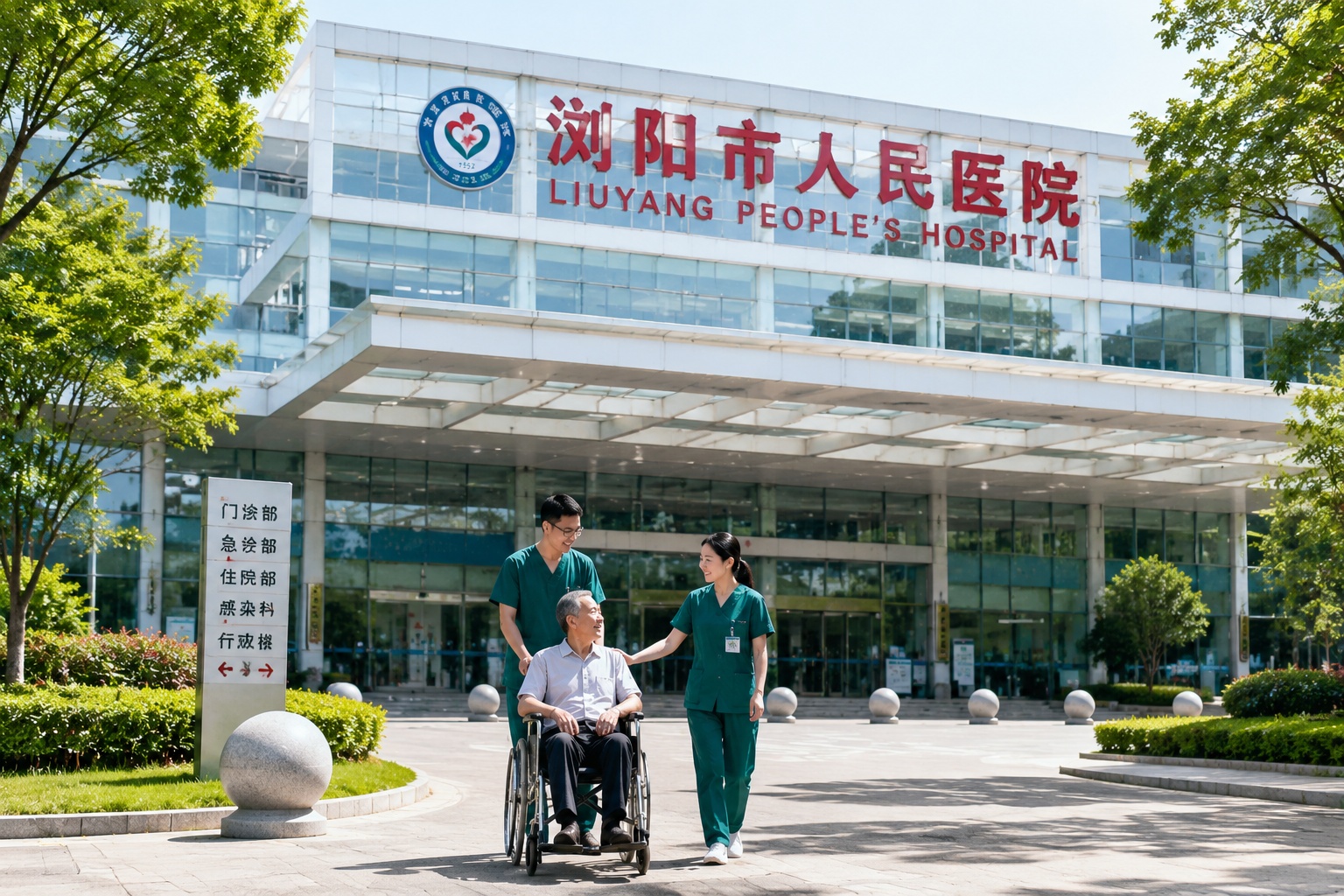
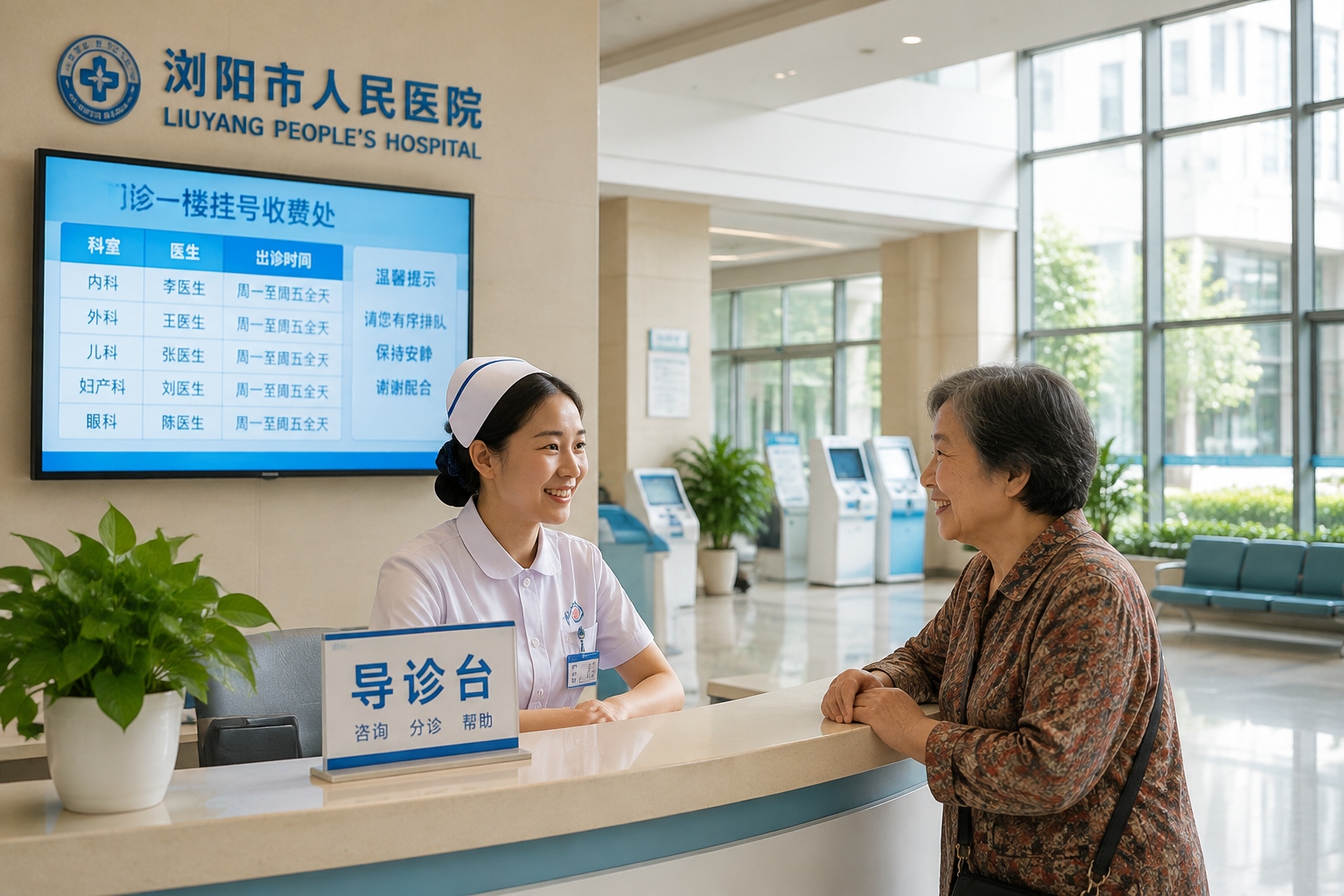
On a bright January morning, I walked into the outpatient building of Liuyang People’s Hospital, a county-level hospital in Hunan Province, central China. The lobby was airy and quiet, with soft music playing in the background. In the cardiology corner, Mrs. Liu, a 64-year-old retired farmer, was explaining her follow-up plan to a nurse. “I used to go to Changsha for this,” she said. “It took two hours by bus and a whole day of waiting. Now I’m here in twenty minutes, and the medicine costs less than half.”
Liuyang is a county-level city of 1.4 million people in the hills of Hunan. For decades, patients here who needed serious treatment had little choice but to head to the provincial capital. By 2010, the hospital was losing about 30% of its surgical patients to outside hospitals. Young doctors left as soon as they finished training. Sound familiar? This is the story of many county hospitals in China.
But today, Liuyang People’s Hospital is a grade III, level A hospital—the top rating in China’s system. In 2023, it handled over 1.8 million outpatient visits and performed around 20,000 operations locally. More than 90% of Liuyang residents who need hospital care now stay in the county. How did they turn a downward spiral into an upward one?
Why County Hospitals Fail
The old model is simple to describe: when a county hospital lacks the equipment and the specialists, patients with serious conditions leave. The hospital loses revenue, so it can’t afford better equipment or higher pay. The best doctors, seeing fewer complex cases and low salaries, also leave. That leaves a hospital that can’t manage emergencies, which pushes even more patients away.
Doctors in rural posts also felt trapped. “I trained for ten years, and I was doing basic scut work,” recalls Dr. Li, a cardiologist who joined Liuyang in 2014 after training in Changsha. “The salary was low, there was no direction. Many of my classmates went to big-city hospitals or private clinics.”
The Human Backbone: Investing in Doctors
Liuyang’s turnaround began with a hard look at its people. The new hospital director, brought in from the provincial health commission, started with three changes.
First, they introduced a performance-based pay system. Doctors in high-stress departments like emergency, cardiology, and surgery earn 30-50% more than before. The gap between administrators and frontline physicians narrowed significantly. Second, they funded training at top hospitals. Every year, about 40 young doctors spend six months to a year at Peking Union Medical College Hospital or Xiangya Hospital, paid for by the hospital. Third, they created a career track. Junior doctors can apply to become department heads based on skills and outcomes, not seniority alone.
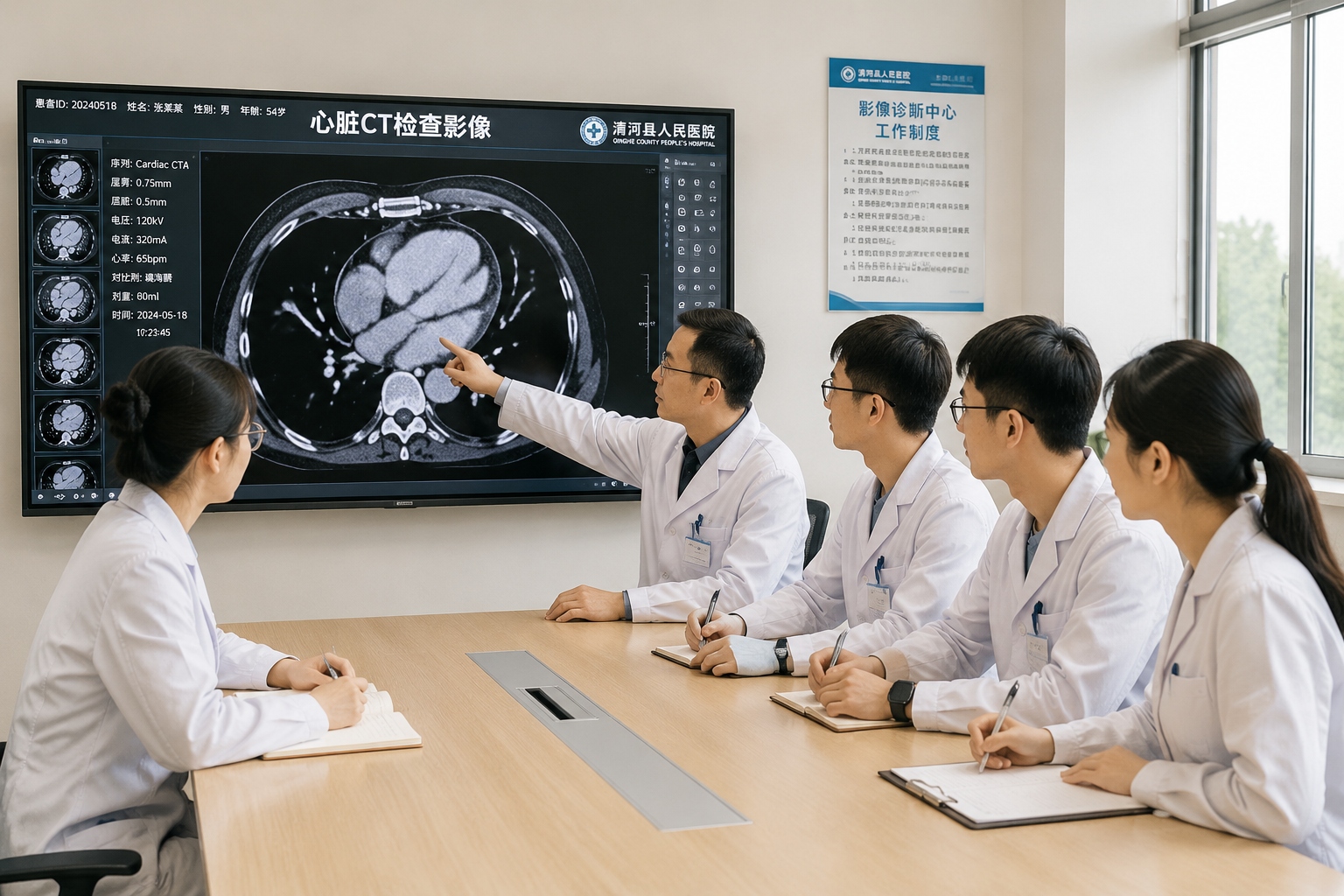
“The first year is the hardest,” says Dr. Wang, the director of the medical department. “You need to convince doctors that this isn’t just a slogan. We had to show them with real money, real training, and real opportunities.”
The results are measurable. The hospital now has 30 doctors with subspecialty certifications in cardiology, neurointervention, and critical care. “My salary is 40% higher than when I joined,” says Dr. Li. “More importantly, I’m doing complex procedures here that I learned in Changsha. I feel useful.”
Building a Full-Service Hospital
With a stable workforce, the hospital could invest in advanced technology. Over five years, they spent about 300 million yuan (about $42 million) on new equipment: a 3.0-Tesla MRI, four catheterization labs, a robotic surgery system, and a digital pathology platform.
But hardware alone wouldn’t have changed outcomes. The hospital reorganized around the most deadly conditions. They opened a chest pain center and a stroke center, with dedicated fast-track pathways. A patient with chest pain arriving at the emergency department can be in the catheterization lab within 90 minutes. The door-to-balloon time for heart attack patients is now under 60 minutes, faster than the national average for many city hospitals.
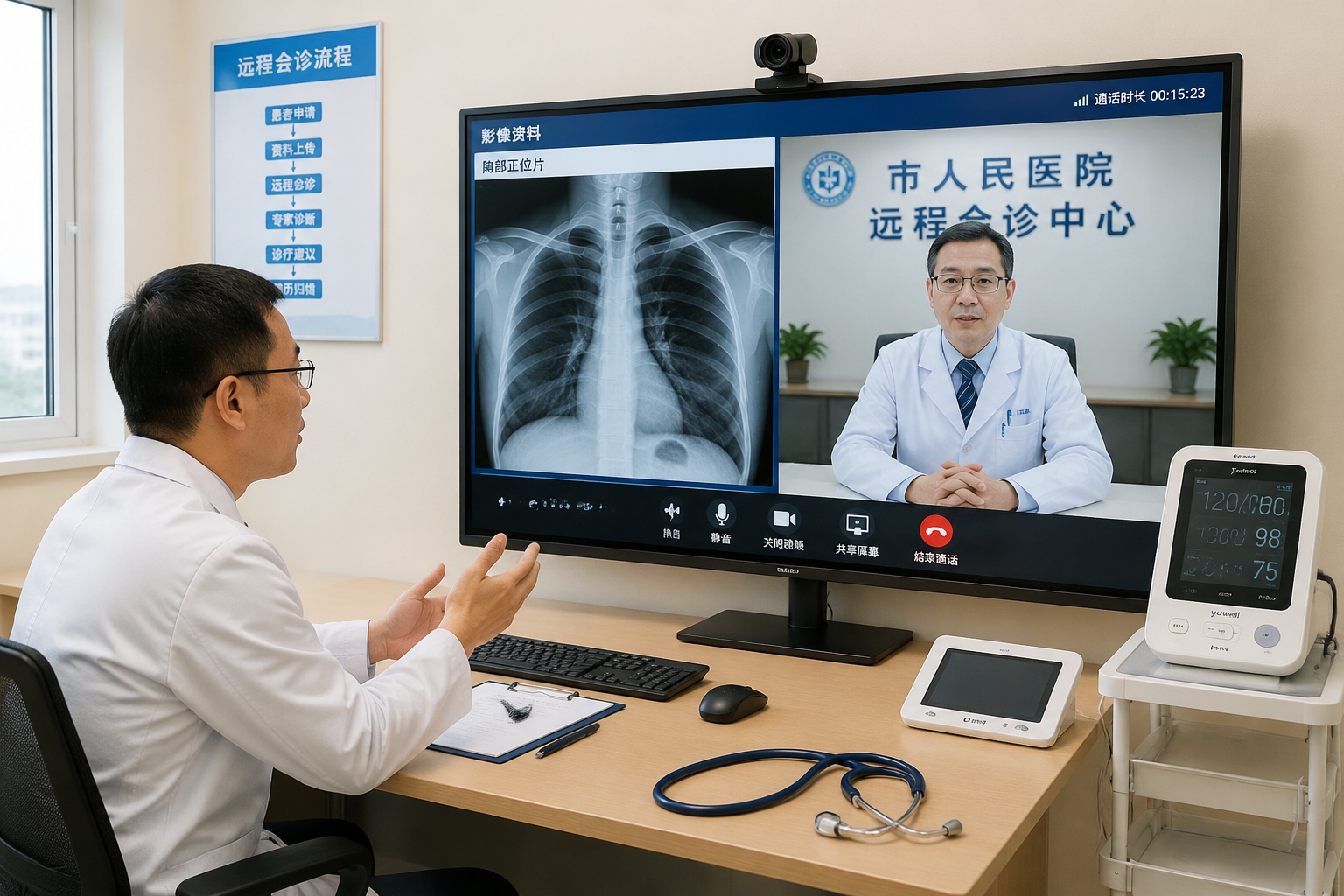
They also forged a deep partnership with Xiangya Hospital in Changsha. Every week, more than 80 Xiangya specialists rotate through Liuyang to consult, operate, and teach. Complex cases can be discussed by video link within hours. The hospital has also built a county-wide telemedicine network: 60 township health centers send X-rays, CTs, and ECGs to Liuyang’s radiologists and cardiologists, who provide reports within 30 minutes.
What Patients Notice
In the clinic, you can see why people stay. Mrs. Liu told me about her heart stent procedure last year. “My nephew insisted I go to Changsha. But the local doctor said they do the same operation here. It went perfectly. With insurance, I paid only 20% of the cost. If I’d gone to Changsha, I would have paid more, plus bus fare and a hotel room.”
Money matters, but so does dignity. Patients now register online, pay with their phones, and receive medical records digitally. The hospital has multilingual signage and a patient service center where staff help elderly people who aren’t comfortable with technology. The waiting areas are clean, and there are volunteer guides for the first-time visitor.
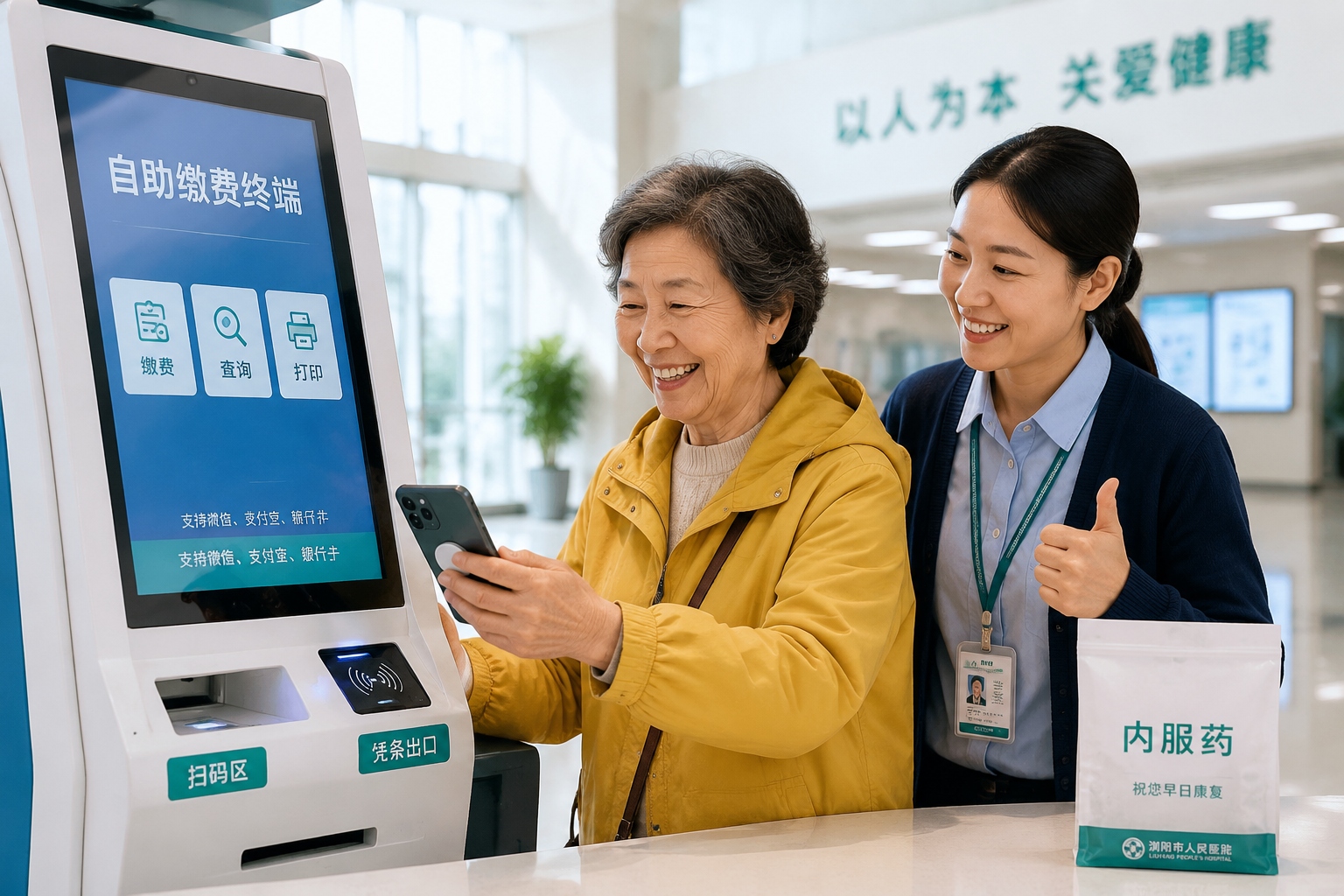
“My mother always used to say, ‘Don’t get sick in the county,’” said a young man in the orthopedic clinic. “Now she’s had two operations here and she’s proud of this hospital.”
I also met a diabetic farmer from a village 40 kilometers away. He told me that he used to travel to Changsha every month to adjust his insulin. Now his village clinic sends his glucose data daily to Liuyang, and the endocrinologist adjusts his medication by phone. “It takes a week, and I don’t have to leave my farm,” he said.
A Playbook for Other Counties
Liuyang’s model isn’t unreachable. It requires strong leadership, a clear strategy, and a willingness to share power with experts. Here are five practical lessons:
1. Pay doctors properly
Reform the pay structure so that clinical work is rewarded. Use bonuses, not seniority, to signal what you value.
2. Invest in training, not just buildings
Send your best doctors to leading hospitals for months at a time. They’ll come back with skills and connections that make your hospital a magnet.
3. Build a network around the big killers
Initiate a chest pain protocol and a stroke protocol. These save lives and build community confidence quickly.
4. Partner smartly with a city hospital
Choose one strong partner and formalize the relationship. It brings expertise, credibility, and training without the cost of building everything from scratch.
5. Use telemedicine for the last mile
Connect your hospital to rural clinics. It costs little but makes a huge difference for patients in remote villages.
Back at the hospital gate, Mrs. Liu waved as she got on her scooter. “My daughter asks me to move to Changsha,” she said. “Why would I? My doctor is here.” That, in one sentence, is what a successful county hospital looks like.
Start the discussion at forum.chinacomes.com