

Why Food is the Best Entry Point to Modern China
If you ask a stranger on the street in America or Europe about modern China, they might mention high-speed trains, smartphone factories, or strict internet rules. But those are abstract concepts. To truly understand the pulse of the country, you have to look at what people eat, how they gather, and where they spend their evenings.
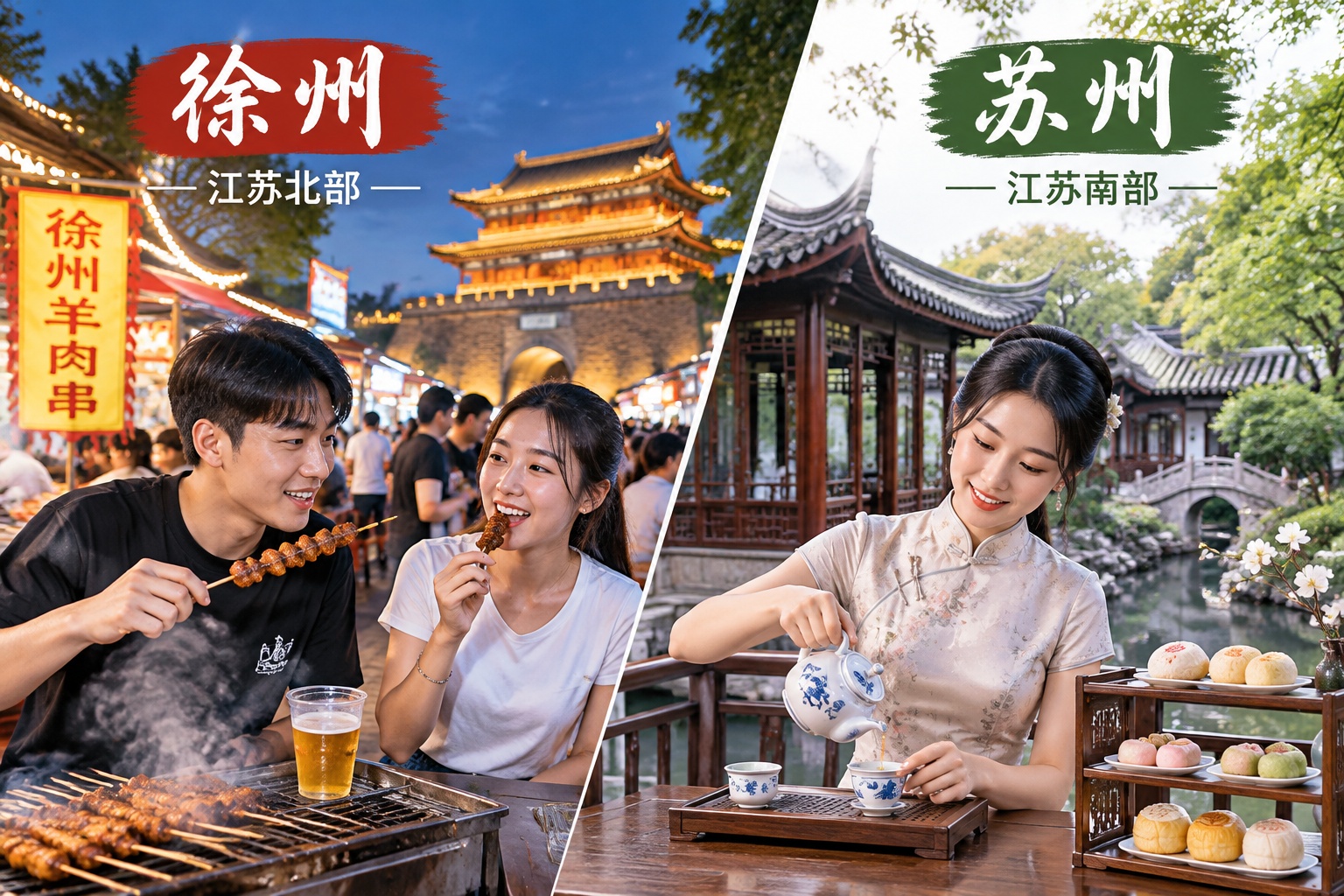
China is not a single block of culture. It is a continent-sized nation with seven distinct climate zones and dialects that can be mutually unintelligible. No better way exists to feel this diversity than by eating your way across the province of Jiangsu.
Just two hours apart by high-speed rail, you can go from the gritty, meat-heavy world of Xuzhou in the north to the delicate, sweet-leaf world of Suzhou in the south. This journey reveals more about Chinese social structure and economic shifts than a hundred policy papers could.
The Morning Rush in Xuzhou: Fire, Charcoal, and Northern Energy
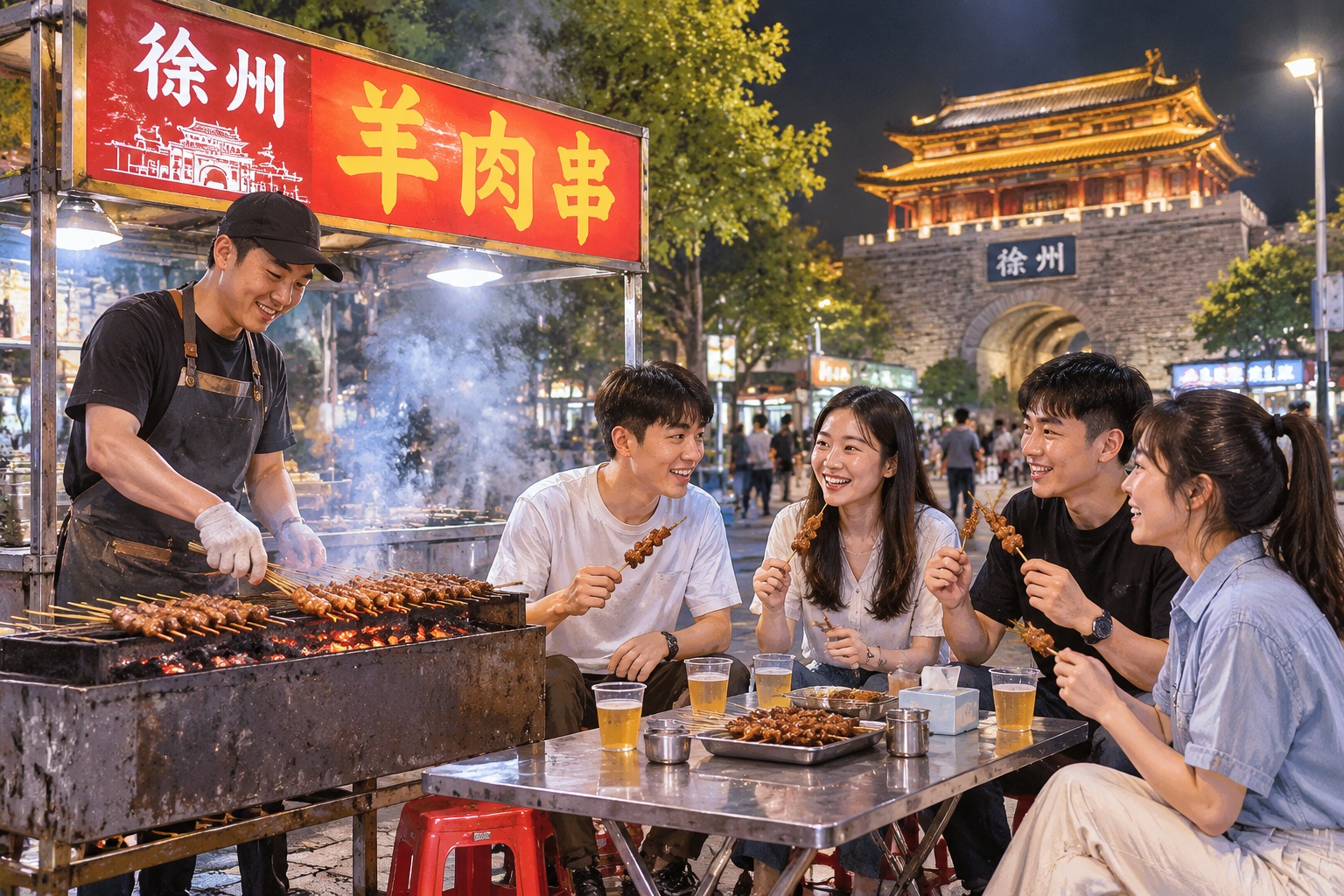
It starts before dawn in Xuzhou. The air is already thick with the scent of sesame oil and roasting lamb. This city, often called the “North Gate of Jiangsu,” feels more like Henan or Shandong than the southern parts of its own province.
The scene is chaotic but organized. Hundreds of people crowd around small metal tables set up on the sidewalk. There are no fancy menus. You order skewers—lamb, beef, and local pork—loaded onto charcoal grills that roar with blue flames. The cook tosses salt, cumin, and chili powder in a rhythmic dance.
For many locals, this is not just dinner; it’s the social glue of the city. In Western cities, late-night dining often happens in quiet bars or expensive steakhouses. In Xuzhou, the energy comes from standing shoulder-to-shoulder with strangers, clinking beer bottles, and shouting over the sizzle of meat.
What you are witnessing is a reflection of the region’s history as a transportation hub. For centuries, Xuzhou has been a crossroads for armies and merchants. This practical, robust culture survives today in its food: heavy on protein, bold on flavor, and built for community survival rather than individual refinement.
A Quiet Afternoon in Suzhou: Silk, Tea, and Time-Honored Craftsmanship
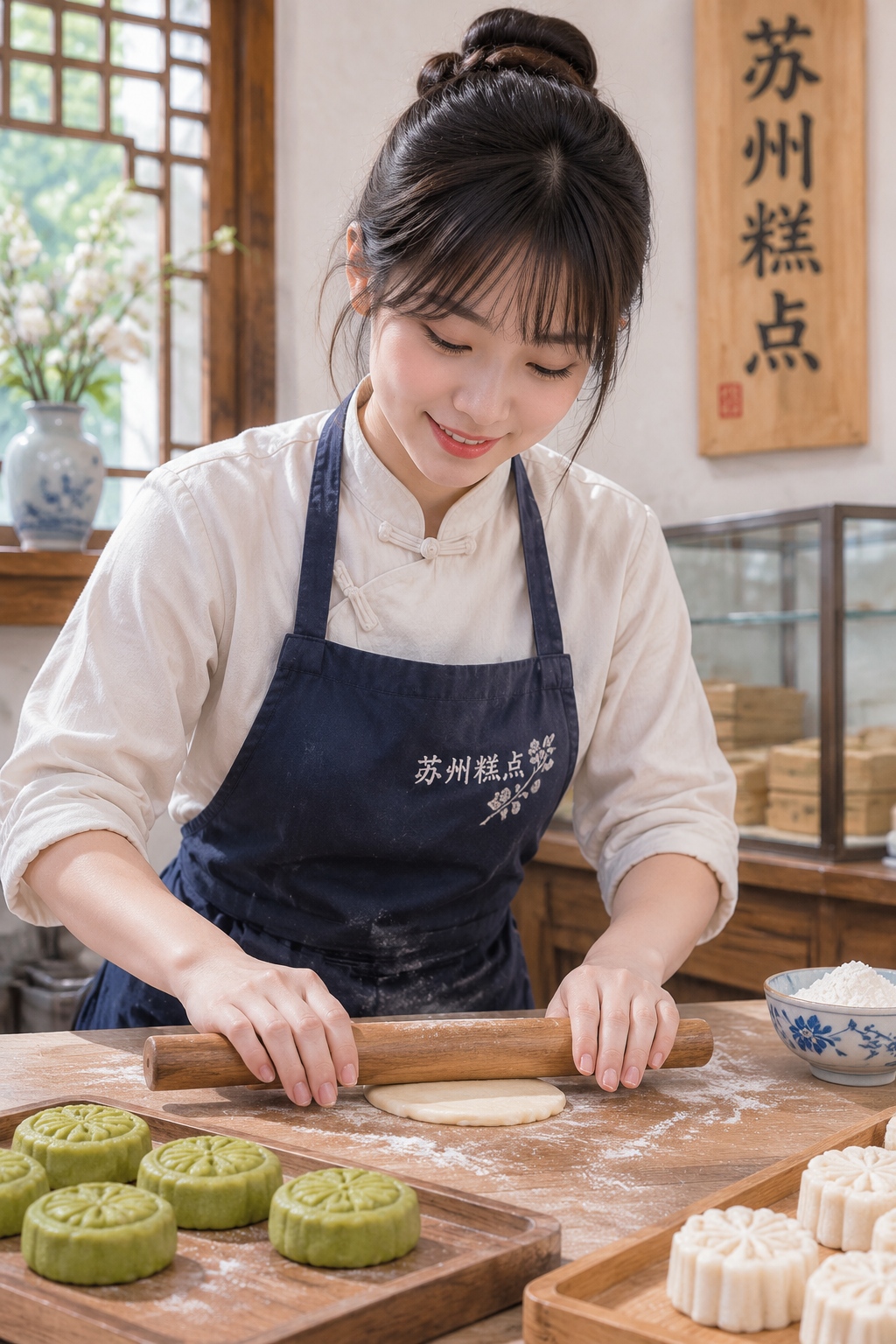
Two hours south, the atmosphere flips. The noise of charcoal grills is replaced by the soft clatter of porcelain and the scent of osmanthus tea. Suzhou, a city famous for its classical gardens and silk industry, operates on a different temporal rhythm.
Here, we are talking about “Suzhou Pastries.” Unlike the grab-and-go nature of street food, these treats require patience. In small workshops tucked away in old alleyways (hutongs), artisans spend hours rolling dough with precision that borders on meditation. They make snowflake cakes and green bean pastries with fillings so sweet they feel like a hug.
For an American visitor, the contrast is startling. In the US, convenience often wins. You grab a coffee and a muffin while walking to work. In Suzhou, there is still a deep cultural value placed on the “slow” preparation of food as an art form. These pastries are not just snacks; they are gifts given during festivals or offerings to ancestors.
This difference isn’t just about taste. It reflects the economic reality of Southern Jiangsu. This area has been a center of trade and craftsmanship for 2,000 years. The wealth here allows for a focus on quality over speed, preserving traditions that might have vanished elsewhere in the rush to modernize.
The Economic Bridge: Logistics vs. Technology
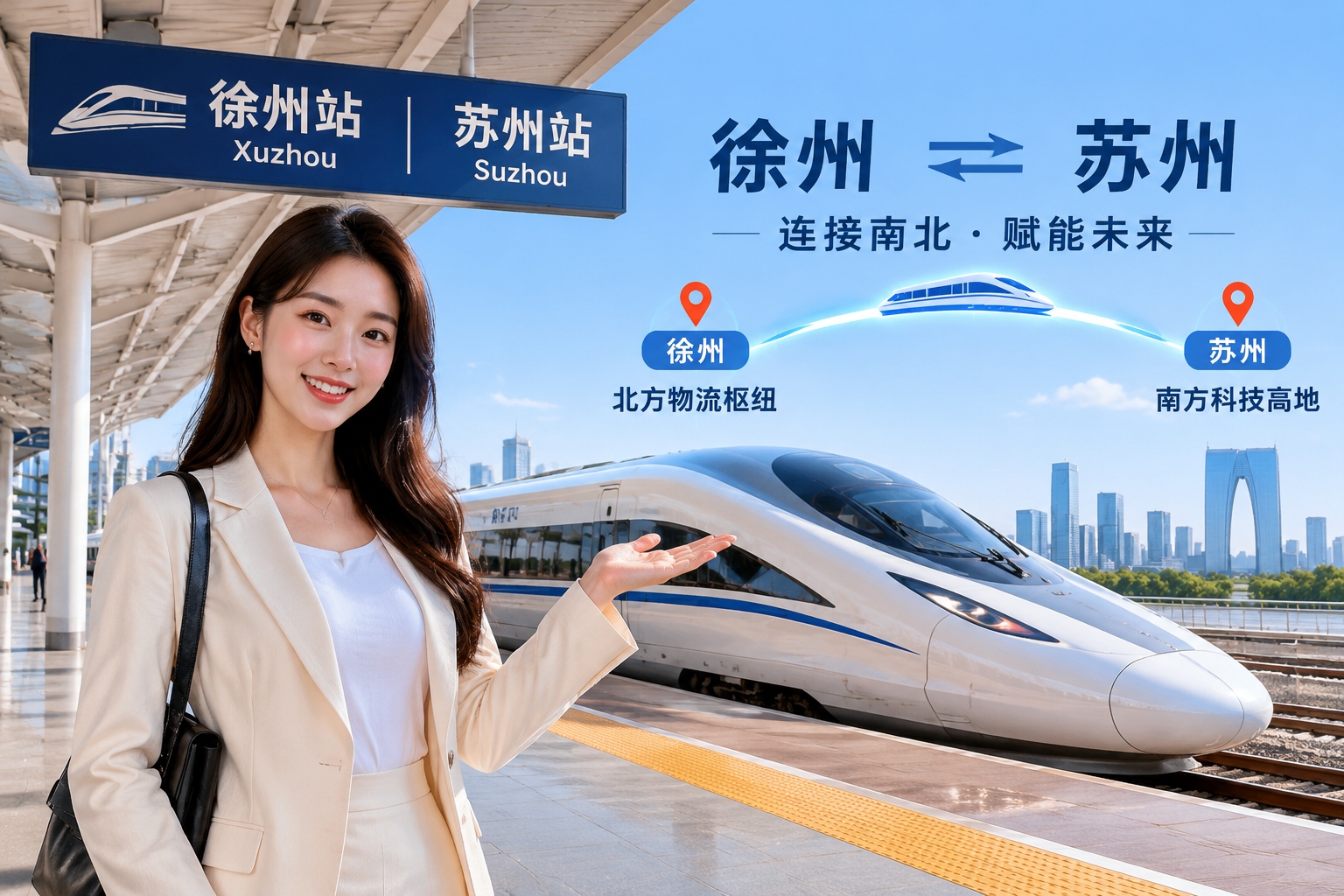
Why do these two cities eat so differently? The answer lies in their economic engines. Xuzhou is a logistics powerhouse. It sits at the intersection of China’s northern and southern railway lines. Its economy has historically been built on moving goods—trucks, trains, and heavy industry. This practical, industrial background favors hearty, filling food that fuels hard labor.
Suzhou, on the other hand, is a global tech and manufacturing hub. It houses massive foreign investment zones and high-end factories producing electronics for the world. The city’s wealth comes from precision engineering and services. Consequently, the culture leans towards refinement, aesthetics, and efficiency in craft.
This isn’t a competition of “who is better.” It is a story of adaptation. Xuzhou adapts to its role as a logistics hub with robust social structures. Suzhou adapts to its role as a tech center by valuing the heritage that distinguishes it globally. Both are pillars of China’s modern economy, just in different ways.
Voices from the Street: Young Locals and Their Hopes
To understand the future, I spoke with young people in both cities. In Xuzhou, I met Li Wei, a delivery rider who turned his passion for BBQ into a small stall. “People work hard here,” he told me, wiping sweat from his brow. “They need food that is hot, spicy, and cheap. We are building our own businesses now, not just waiting for big factories to hire us.”
In Suzhou, I met Sarah Chen, a 24-year-old graphic designer who runs a small online shop selling traditional pastries with modern packaging. “My grandfather taught me the dough recipe,” she said. “But if I only sold old-fashioned boxes, no one would buy them. We need to make tradition cool for Gen Z.”
These stories show that modern China is not just about following orders from the top down. Young people in both cities are blending local traditions with new digital tools and entrepreneurial spirit. They are redefining what it means to be Chinese in a globalized world.
Conclusion: Not Just a Map of Taste, but a Map of Opportunity
If you only watch the news, you might think China is uniform. But stepping off the train in Xuzhou and Suzhou proves otherwise. The smoky BBQ stalls of the north and the quiet tea houses of the south tell two different stories about resilience, history, and ambition.
Understanding these differences helps explain why China moves the way it does. It is a country where massive logistics networks coexist with ancient craft traditions. Where the energy of the north meets the precision of the south. Food is the perfect lens to see this complexity without getting lost in political jargon.
So, next time you think about modern China, don’t just picture skyscrapers. Imagine the clinking beer bottles in a Xuzhou alleyway and the delicate layers of a Suzhou pastry. That is the real texture of the country today.