
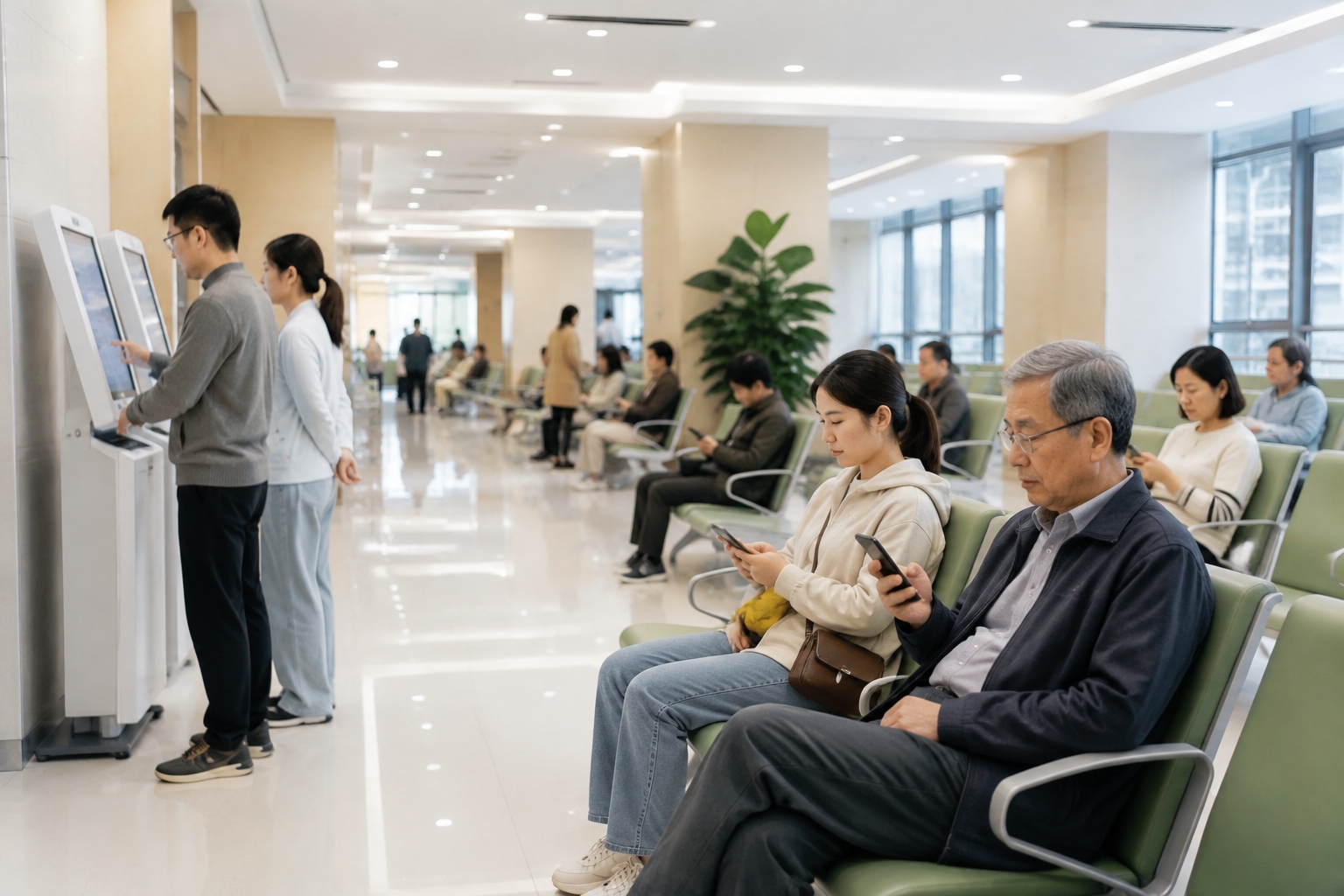

A Morning That Used to Be a Marathon
On a Tuesday morning in Beijing, 34-year-old Li Ting does something her mother would have found unthinkable a decade ago. With her 3-year-old son’s temperature at 38.5°C, she opens a hospital’s official mini-program on her phone, picks a pediatrician from a list of doctors available for video consultations, and waits less than a minute before the doctor’s face appears on the screen.
“He coughed twice during breakfast and threw up his milk,” she tells the doctor, holding the phone so the camera can focus on the boy’s face. After a few questions and a quick look at his throat, the doctor sends an e-prescription to a nearby pharmacy chain. Li pays online, and the medicine arrives by 2 p.m. — no waiting room, no sick kids to sit next to, and no half-day off work.
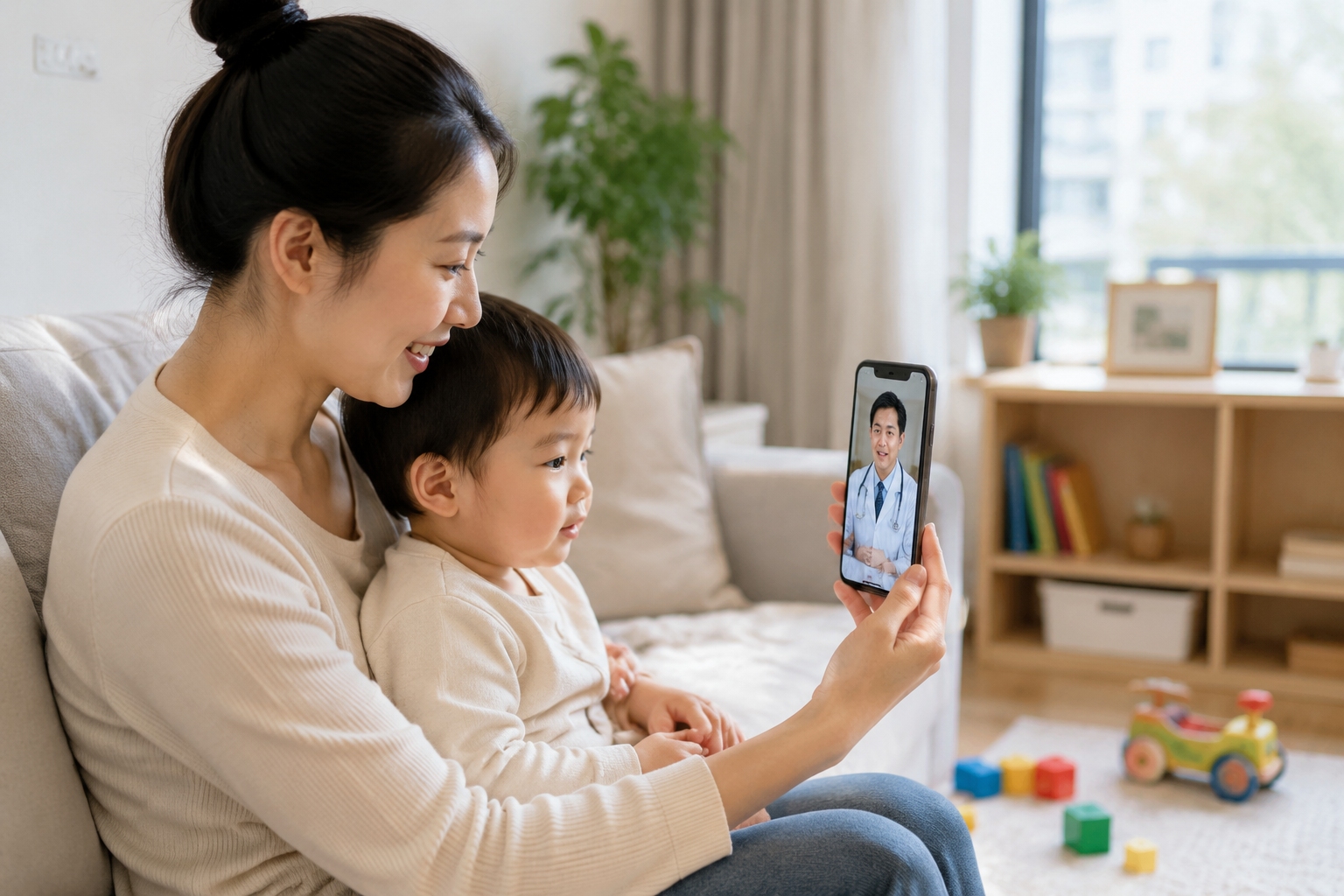
“My mom took me to the hospital when I was his age,” Li says with a smile. “She used to queue up at 4 in the morning just to get a registration number, then wait another two hours to see the doctor.”
This isn’t a scene from a sci-fi movie. It’s the new normal for millions of Chinese patients — and it’s reshaping one of the world’s largest healthcare systems.
Why Waiting Used to Be So Painful
To understand how big this change is, you need to know what seeing a doctor in China used to feel like. Public hospitals handle about 80 percent of all doctor visits in the country. In a population of 1.4 billion, that translates to billions of outpatient visits every year. For decades, demand was so high that patients often arrived before sunrise, armed with blankets and small stools, just to grab one of the limited registration slots.
Even after registration, you’d sit for hours in a hall that smelled of disinfectant, waiting for your number to be called. The consultation itself often lasted less than five minutes. Then came a paper prescription, a separate payment window, and a long pharmacy line. A simple cold could eat up half a day.
Then the internet moved in. Riding on China’s gigantic mobile payment ecosystem, hospitals began shifting key services online. WeChat and Alipay — two apps that nearly everyone in China uses for money — made it possible to register, pay, and check results from a phone. By the mid-2010s, many cities had online appointment systems. But the real leap came in the last five years.
Offline Feels Like the Slow Lane Now
Today, the transformation goes far beyond skipping a line. It’s built a complete digital pipeline for outpatient care.
Video Consultations for Minor Conditions
For common ailments like colds, allergies, or follow-up visits for chronic conditions such as diabetes, millions of patients now choose video or text consultations. They log on to a hospital’s WeChat mini-program or a dedicated health platform like Ping An Good Doctor. These platforms host doctors who also work in real public hospitals, so you’re not being treated by an anonymous AI.
After the consultation, the doctor can issue an e-prescription. This is no simple PDF — it’s a digital order linked directly to registered pharmacies. Patients buy the medicine in the same app, then decide whether to have it delivered or pick it up themselves. In big cities, same-day delivery is standard.

Reports and Records, Just a Tap Away
Gone are the days when you had to go back to the hospital just to collect a paper report. Now, test results and imaging reports typically appear in the hospital’s official app the moment they’re ready. Patients get push notifications. Doctors can view the same records during a follow-up call.
Radiology has also gone digital. X-rays and CT scans are stored in the cloud, so a rural clinic can send a patient’s scan to a specialist in Shanghai for a second opinion. This “remote diagnosis” model is expanding quickly, especially in China’s vast western regions.
AI Lending a Quiet Hand
Hospitals are also using artificial intelligence behind the scenes. Some AI systems pre-read chest X-rays, quickly flagging spots that might indicate nodules or infections. Emergency departments use AI to triage patients based on vital signs. None of this replaces a doctor’s judgment, but it helps stretched staff see more patients without cutting corners.
What It Means for Ordinary People
The biggest win is convenience. For working parents like Li Ting, saving half a day of leave matters. For older patients with high blood pressure, connecting with the same doctor online avoids a painful ride on packed buses. For people in small towns, online platforms open doors to specialists they’d otherwise never reach.
There’s also a quiet shift in behavior. Instead of storming to the hospital at the first sneeze, many Chinese now begin with a quick phone call to a doctor. “It’s like having a family doctor in your pocket,” says one mother in Chengdu.
The numbers reflect this change. According to the China Internet Network Information Center, more than 300 million Chinese have used some form of internet-based medical service. In 2023 alone, public hospitals reported a wide adoption of e-prescription services, and the trend keeps rolling.
But Not Everything Is Solved
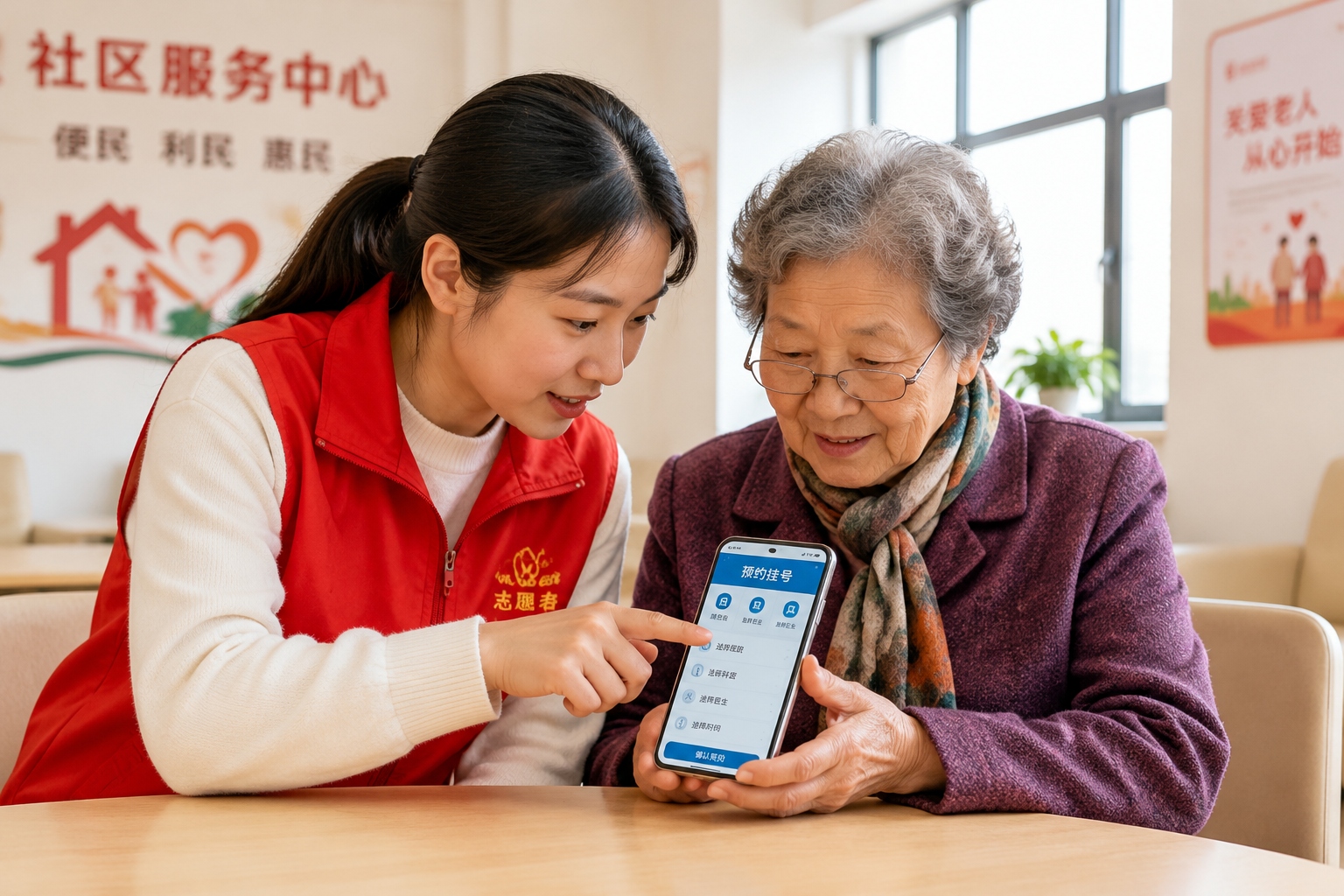
Digital medicine in China has a clear bright side, yet it also has shadows. Elderly people — especially those above 70 — often struggle with small screens and unfamiliar interfaces. Many have never used a hospital mini-program and prefer the known pain of waiting in line. Community workers and family members often step in to help, but the digital divide remains real.
Online consultations are not for emergencies. If someone has chest pain or heavy bleeding, no smart app can replace the emergency room. Online doctors are also careful: anything that looks unusual leads to a suggestion to go in for a physical exam. Medical liability is still a grey area, which is why e-consultations are mostly limited to non-critical care.
Then there are the middle-sized problems. Online consultation fees are rarely covered by public insurance, although some cities have started pilot projects. Privacy is another concern, because health data now lives in apps with varying levels of cybersecurity. And while hospitals are enthusiastic, not every doctor loves being on call after hours.
Where This Is Heading
Digital medicine isn’t a passing fad in China. It’s official policy. The “Internet + Healthcare” initiative, launched in 2018, pushed hospitals to open online services. By 2025, most tertiary hospitals are expected to offer online consultations for follow-up care.
The COVID-19 pandemic gave this trend a massive turbocharge. When lockdowns kept people away from hospitals, online clinics turned into a lifeline. And once people tried it, many kept using it.
The next candidates for digitization are medical insurance and cross-hospital records. Some cities have introduced digital insurance vouchers that allow patients to pay for medicines with a QR code, just like the ones used for mobile payments. The goal is to make health records portable, not stuck in one hospital’s system.
In the end, “digital medicine” in China isn’t about robots replacing doctors. It’s about making a giant, crowded system a little more human. The queue hasn’t disappeared entirely, but it’s a lot shorter. For many people, it no longer starts before sunrise.
Start the discussion at forum.chinacomes.com