

The Night the Fan Stopped
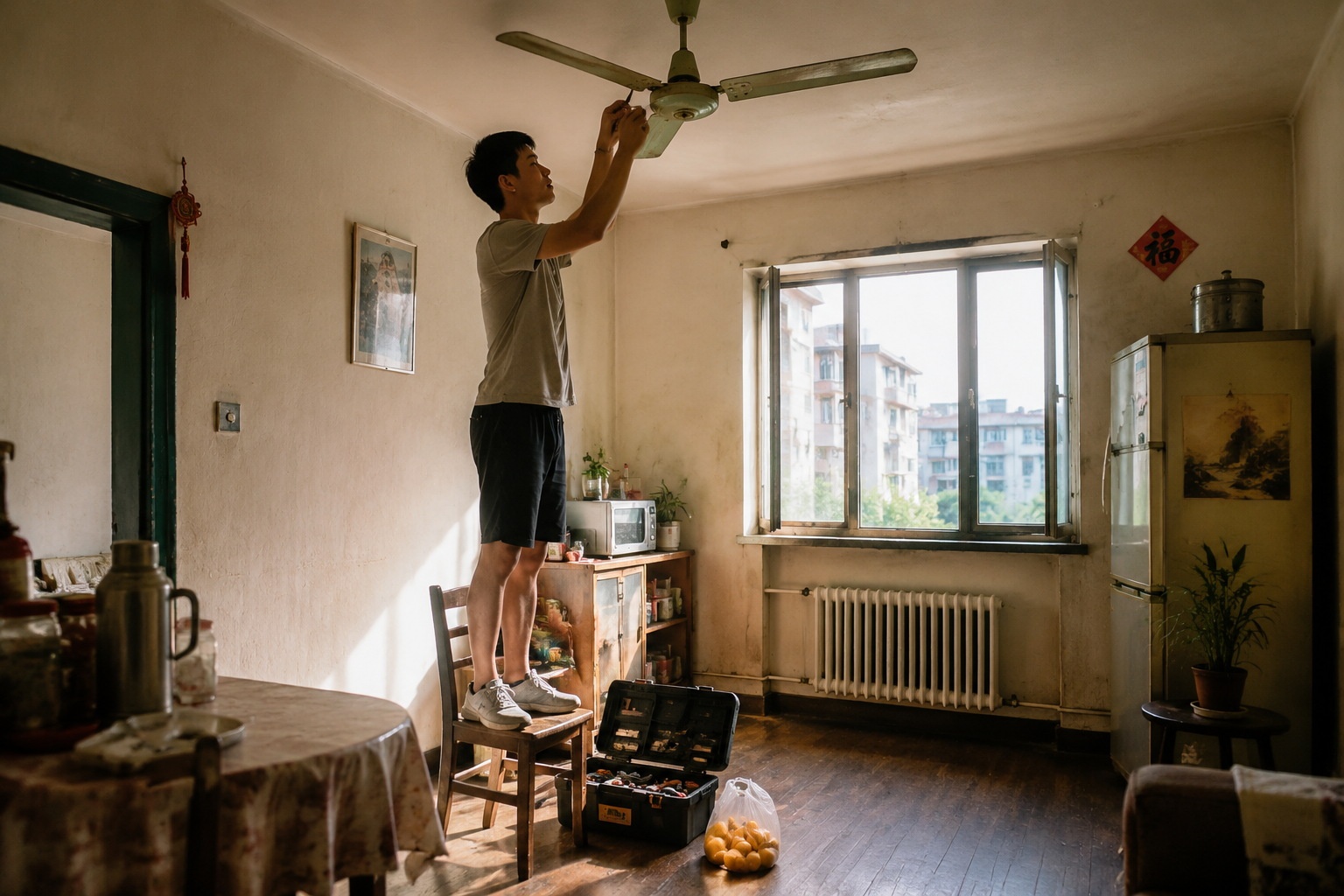
The summer in Shanghai was suffocating. My apartment’s ancient ceiling fan had finally given up, and I was sweating through my third shirt of the day. I texted my friend Li Wei, half-jokingly: “I think I’m going to melt.” Ten minutes later, he knocked on my door, carrying a toolbox and a bag of mangoes. He didn’t say a word about the heat or my complaint. He just pulled a chair, climbed up, and started fiddling with the fan. Thirty minutes later, the blades were spinning again. He handed me a mango, said “Eat, it’s cold,” and left. No “I care about you,” no “I love you.” Just a fixed fan and a piece of fruit.
A Lifetime of Little Acts
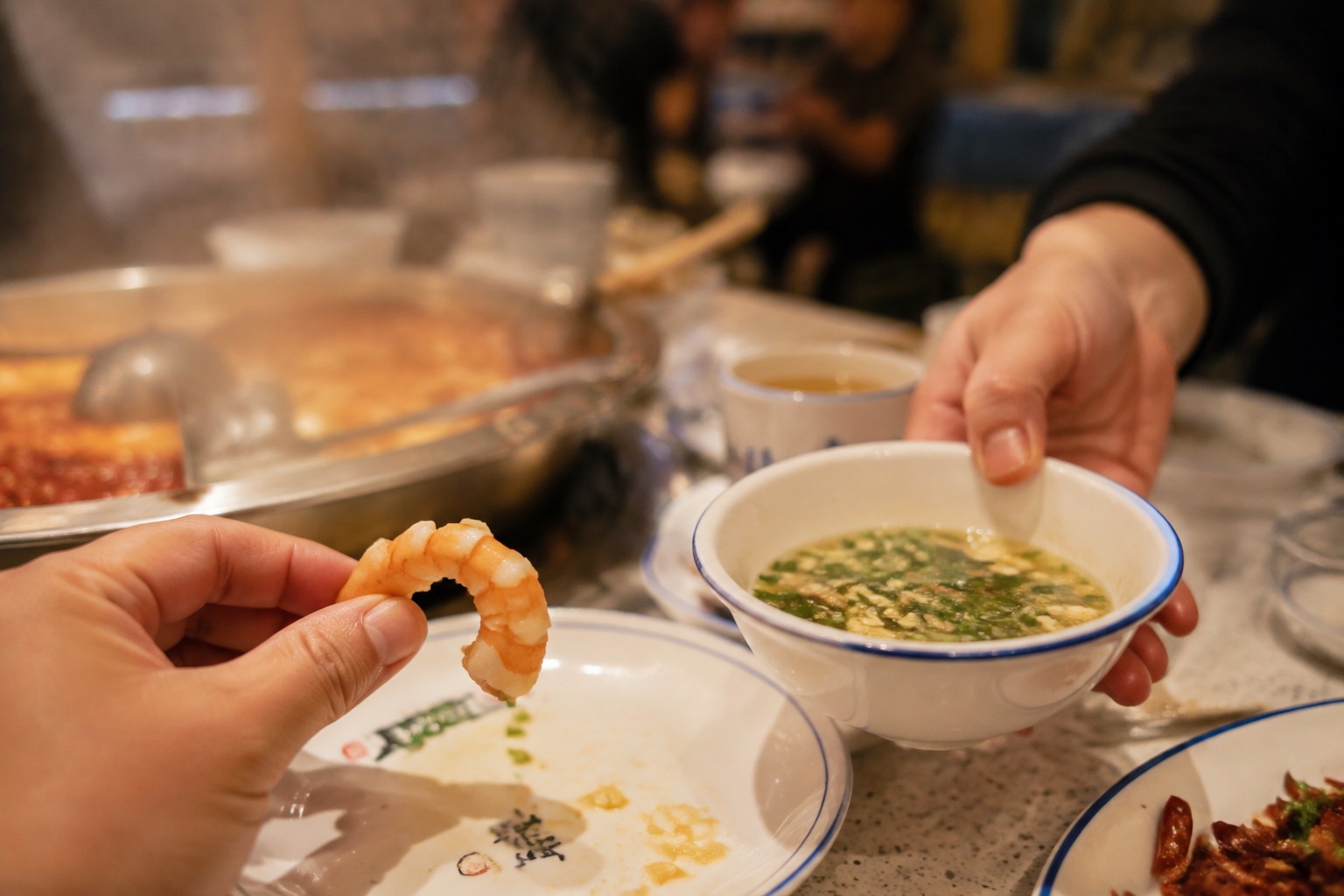
That moment was not an exception. Over the years, Li Wei has shown his care in countless tiny ways. At a hot pot dinner, he quietly peeled all the shrimp and placed them on my plate without being asked. When I mentioned I’d been craving a particular street-side jianbing, he showed up at my office the next morning with one, still warm. Once, after I casually said my phone battery drained too fast, he appeared a week later with a power bank, claiming he had “an extra one.” I knew he didn’t.
This is not just Li Wei. It’s a cultural code shared by many Chinese, especially older generations. In my years living in China, I’ve rarely heard friends say “I love you” to each other or even to family. Instead, they offer actions: cooking a meal, buying groceries, giving a ride, remembering a small preference from months ago. Love is not declared; it is performed.
The Words That Stay Unspoken
Why this reluctance? Partly it’s cultural: Chinese emotional expression tends to be reserved. The word “love” (ài) carries weight—it’s reserved for moments of great intensity, not everyday affection. Saying it too casually can feel awkward, even insincere. There’s also the Confucian tradition of valuing deeds over words; a person’s character is shown through what they do, not what they say. For many, an explicit “I love you” feels like a performance, while an unspoken act of care is genuine.
This might confuse someone from a more expressive culture. I remember my first year here, feeling a bit hurt that friends never said they missed me or valued me. But I gradually learned to read the language of peeled fruit, offered umbrellas, and silently repaired appliances. These are the true currencies of affection.
The Poetry of Ordinary Gestures
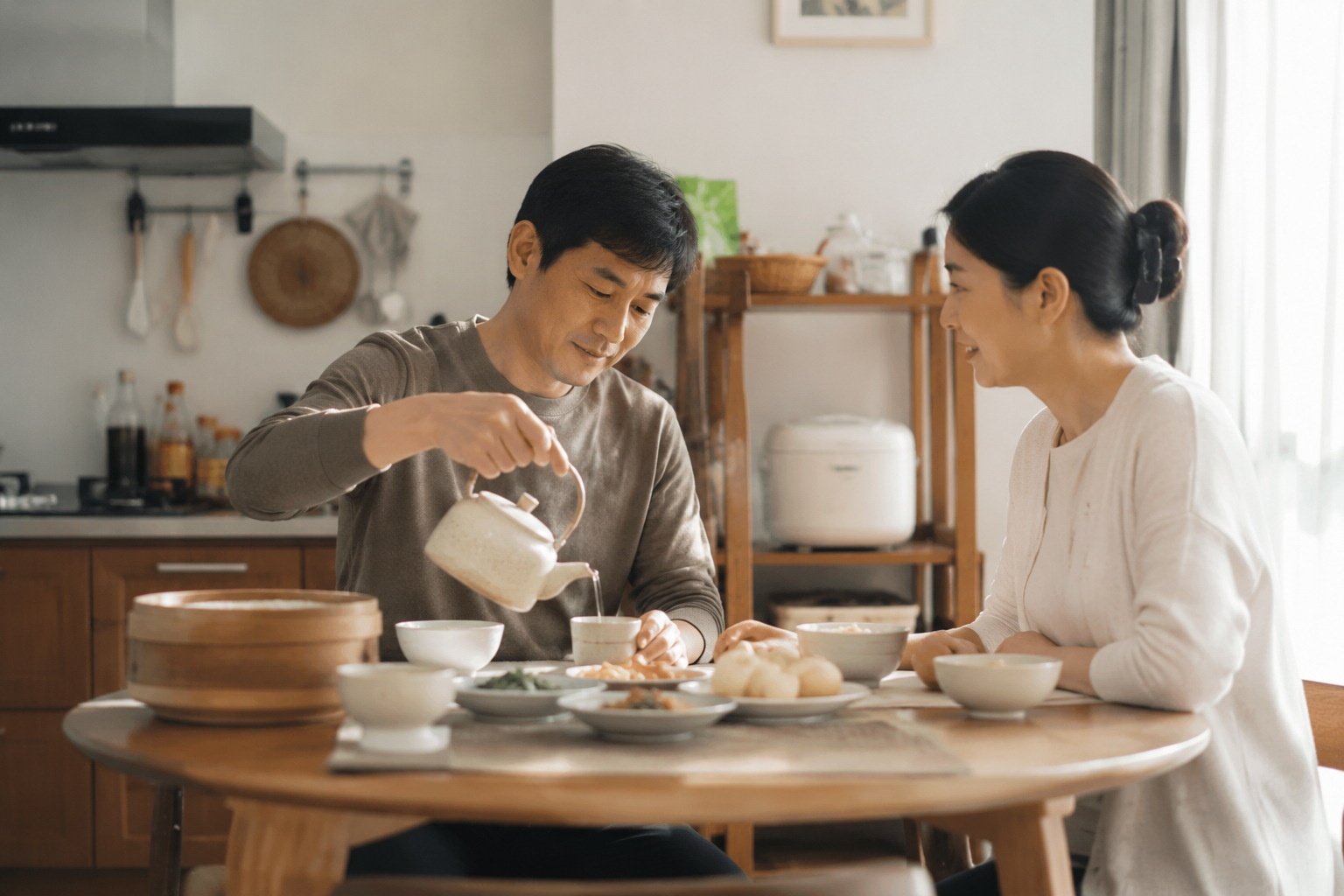
Chinese romance, in particular, embraces this subtlety. A friend once told me about her father: he had never told his wife he loved her in 30 years of marriage. But every morning, he would bring her a cup of tea at the exact temperature she liked. That was his love poem. Similarly, grandparents who babysit grandchildren without complaint, friends who drive two hours to bring homemade pickles—these are not chores; they are love letters written in action.
There is a quiet beauty in this system. It prizes commitment over passion, endurance over effusion. In a world saturated with digital declarations and performative romance, the Chinese way reminds us that love can be a verb expressed through routine, not a word spoken once. It asks for attention to detail, to the other person’s needs, often before they ask.
When Silence Speaks Louder
I think again of Li Wei fixing my fan on that sticky July night. He didn’t have to come. His apartment was far, and it was late. But he did. After he left, I sat under the cool breeze, eating the mango, feeling a warmth that had nothing to do with the temperature. He never said he loved me. But he peeled my shrimp, he fixed my fan, he brought me jianbing. I understood. That is Chinese love: unspoken but undeniable, invisible but everywhere, like the wind from a repaired fan on a hot night.
Perhaps we all need a Li Wei in our lives. Or perhaps we can learn to be one—to say love not with our lips but with our hands, our time, our attention. In the end, the most profound affection might be the one that never needs to say its name.
Start the discussion at forum.chinacomes.com