

Two men, one plant, two worlds
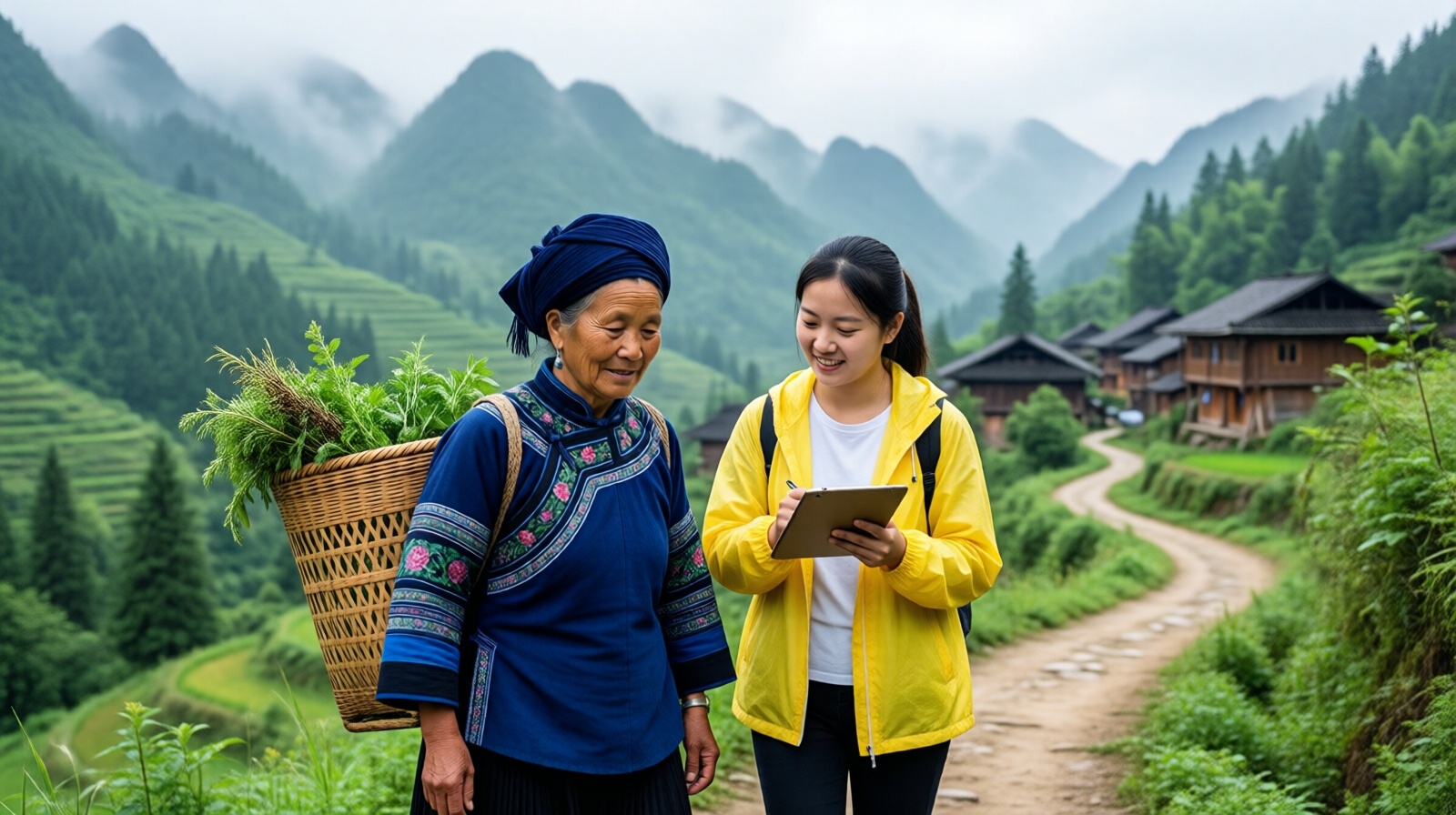
On a misty June morning, Long Guanghai, a 71-year-old Miao healer, stops on a muddy hillside in Guizhou Province and points to a low shrub. “This is gudngud, we use the root for arthritis,” he says. Next to him, 28-year-old pharmacologist Wang Yining kneels down, clips a few branches, and slips them into a plastic bag. “Back in the lab, we’ll extract the compounds and test them on cell lines,” she says. “If we see something promising, we’ll follow that thread.”
This scene, repeated across rural southwest China, is where an ancient tradition meets modern pharmaceutical science. Miao and Dong medicine—the healing systems of the Miao and Dong ethnic minorities—have been used for centuries, but are only now getting serious attention from researchers and drug companies.
A 3,000-year-old herbal tradition
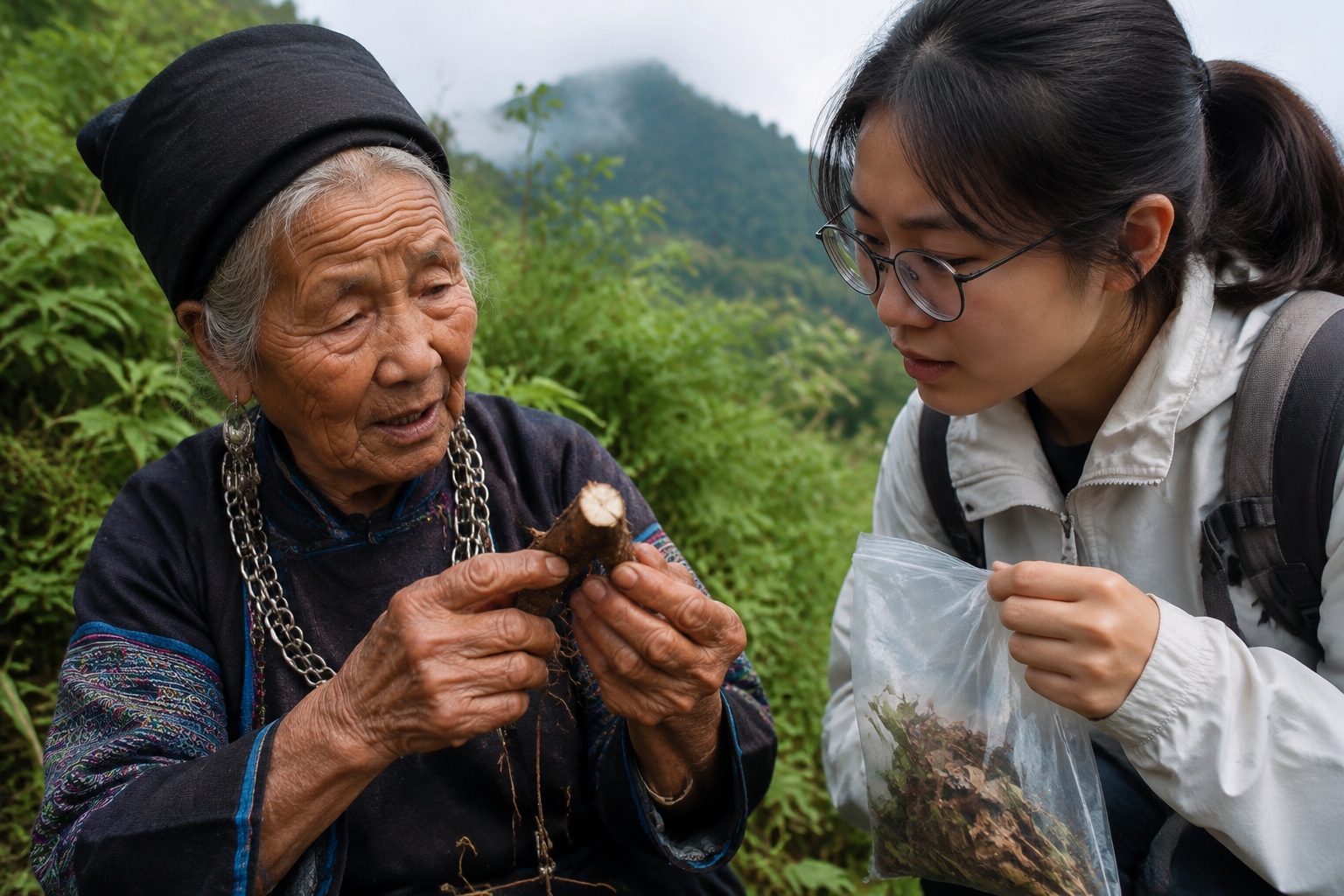
The Miao and Dong peoples live mainly in Guizhou, Hunan, and Guangxi provinces, in an area known for its steep mountains and rich plant life. Their medical systems have been passed down orally, often through shaman-like healers known as xiangshen or dongb. With no written texts until recent decades, remedies were shared through songs and apprenticeships.
Today, over 4,000 plant species are recorded in Miao and Dong pharmacopoeias. Many of these plants are used for similar purposes as mainstream TCM—treating colds, pain, wounds, and digestive issues—but with their own techniques, such as fresh-plant poultices and alcohol-based tinctures.
Miao medicine has its own theory of qi and blood, similar to but distinct from Han Chinese TCM. It also uses a lot of fresh plants, which are believed to be more energetic than dried ones. This creates difficult logistical challenges for professionals used to standardized dried herbs.
From folk remedy to lab trial
Modern researchers aren’t just documenting these plants. They are subjecting them to the same rigorous process as any new drug candidate.
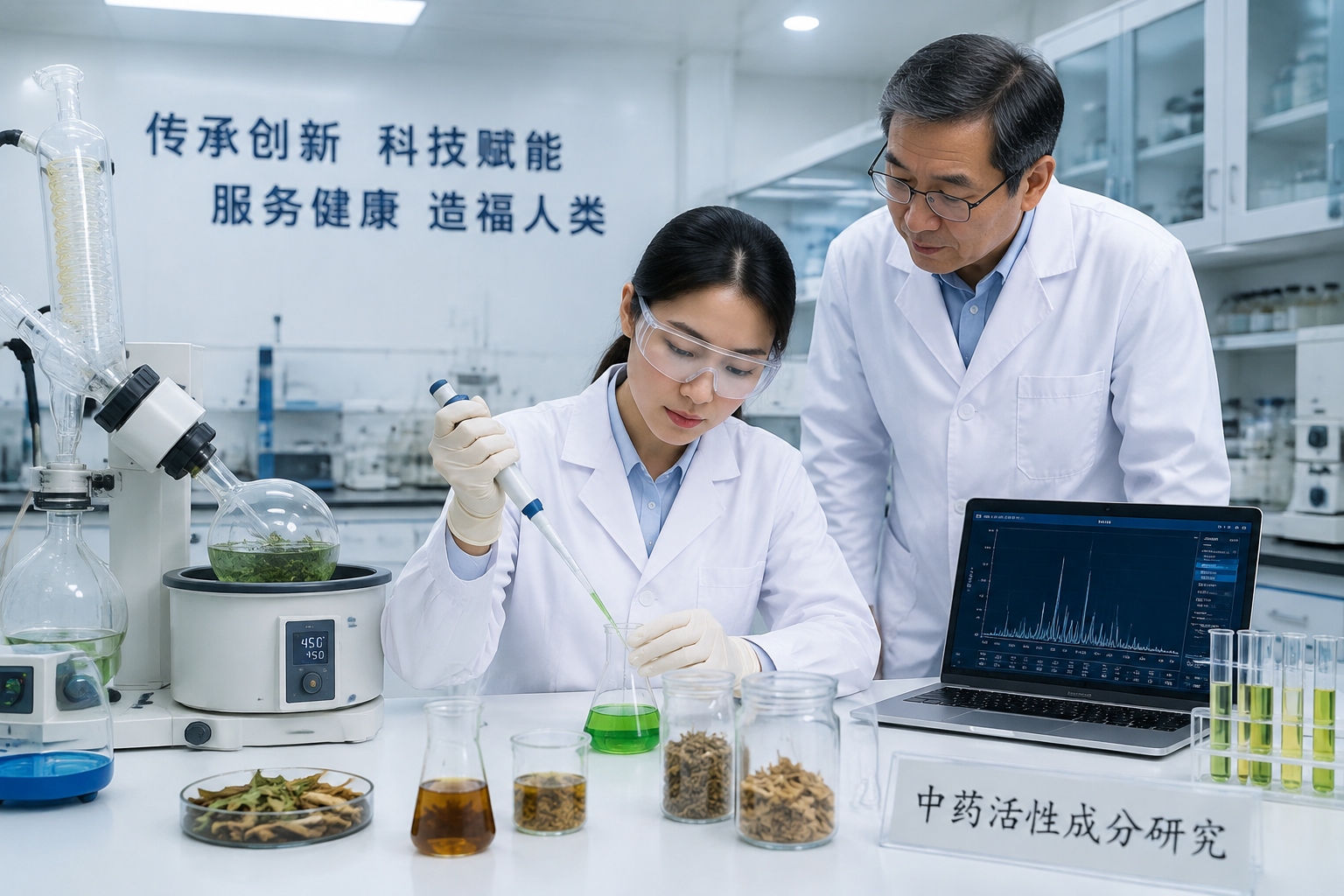
“We use HPLC and mass spectrometry to identify the active molecules,” explains Dr. Chen Wei, a professor at the Guizhou Provincial Key Laboratory of Ethnic Medicine. “Then we run pharmacological tests, first in vitro, then in animals. Only after that would we consider human trials.”
Some progress is already visible. A well-known Miao remedy for coughs, made from the plant Fritillaria, was transformed into a syrup product that now sells over 200 million bottles a year. A tree bark used by Dong healers for jaundice was found to contain a novel compound with hepatoprotective effects, now under patent review.
Another example is Erigeron breviscapus, known as dengzhanhua in Chinese, a small purple flower that Miao healers used after strokes. It is now the source of an injectable drug for cerebral circulation, used in hospitals across the country.
But the road from field to pharmacy is long. “Many plants have multiple active ingredients that work together,” says Wang Yining. “We have to figure out how to measure them and ensure consistency batch to batch.”
Who teaches whom?
It’s not a one-way street. “We often have no idea why a plant works,” says Wang Yining. “The healer’s intuition is like a map. We just find the precise trail.” Healers, in turn, are learning about chemical markers and toxicity.
Long Guanghai remembers the first time a researcher told him his arthritis herb had an anti-inflammatory compound. “I thought, of course it does. But now I know why,” he says with a laugh. “I still use my old method. But if I need to treat a patient with liver problems, I might choose a different plant because the lab tells me this one is metabolized in the liver.”
Not a simple success story
The marriage of ethnic wisdom and modern research is full of friction.
First, there is standardization. Miao medicine often uses complex mixtures, sometimes six to ten plants at once. Unlike a single purified compound, mixtures are hard to turn into a consistent, regulated drug. “We try to create fingerprint chromatograms—like a chemical ID for each batch,” says Dr. Chen. “But it’s expensive and slow.”
Second, sustainability. As demand grows, wild plants are being overharvested. Trichosanthes roots prized by Miao healers are now rare near villages. Some companies have started cultivating them, but that’s a long-term investment.
Then, there’s intellectual property. “Who owns the knowledge?” asks Dr. Chen. “These remedies have been passed down for generations. If a pharmaceutical company patents the active compound, the community may not benefit. We are working on benefit-sharing agreements, but it’s still tricky.”
Regulatory approval is another barrier. Ethnic medicines are classified under broader traditional Chinese medicine rules, but each formula needs rigorous evidence. Many small producers cannot afford large clinical trials, so promising formulas stay local.
In the hospital and village clinic
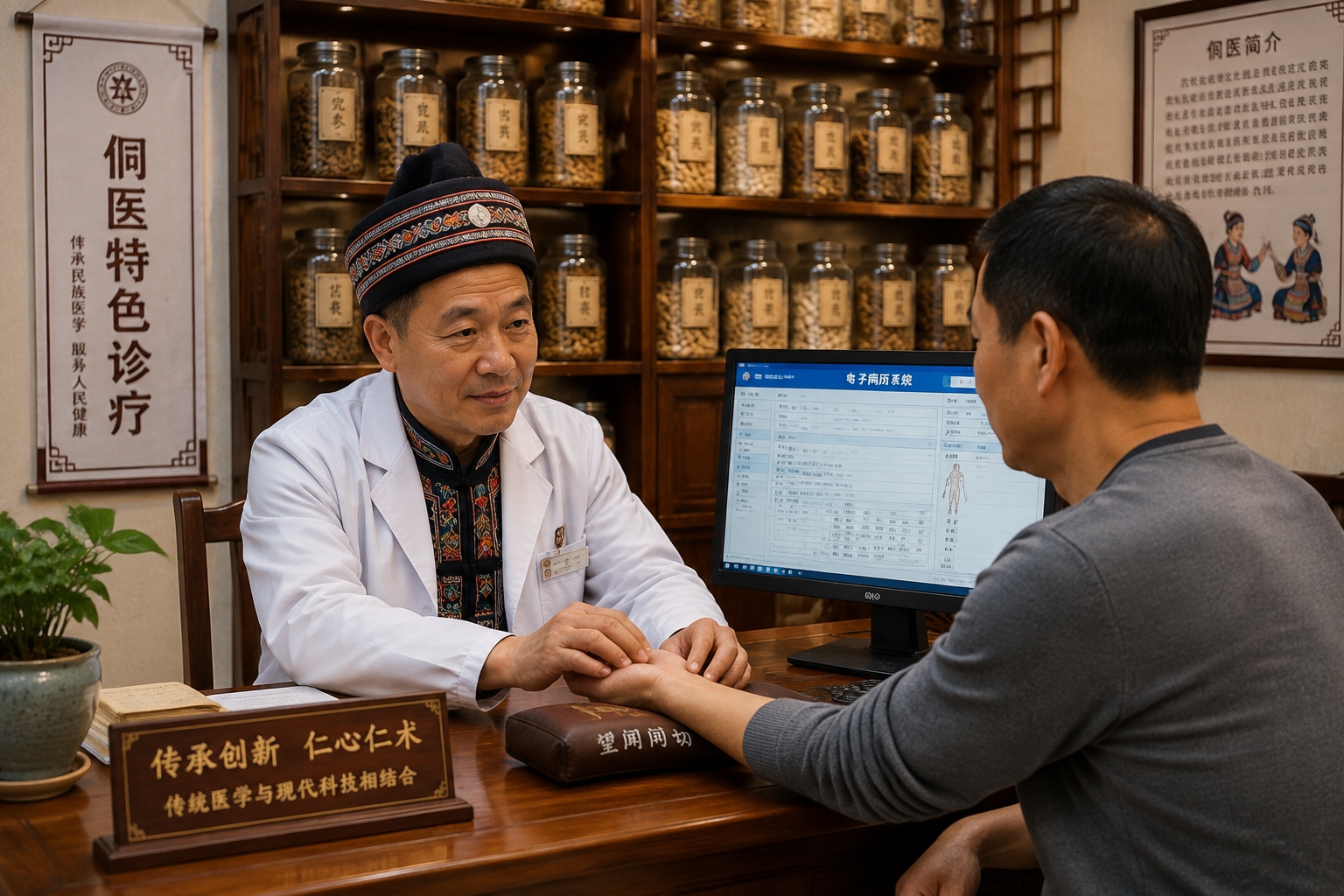
For ordinary patients, the integration often looks practical. In Guizhou’s county hospitals, some doctors are licensed to prescribe both Western drugs and traditional ethnic medicines. A clinic in Kaili, for example, offers a mix of antibiotics and Dong herbal footbaths for diabetic patients.
“I grew up using these herbs,” says 45-year-old Huang Qing, a diabetic on the edge of the Miao Medical Hospital. “The hospital lets me freeze the insect powder I take for my blood sugar. It’s not either/or. It’s whatever works.”
Guizhou province has even issued a list of hospital-prepared ethnic medicines that can be used in public health centers, a move to integrate local knowledge into the mainstream system. Yet many patients still prefer wild-crafted herbs, believing they are stronger than cultivated ones.
The road ahead
Modern science is not here to “fix” Miao or Dong medicine. It is trying to understand it, preserve what is valuable, and make it safer and more useful. Researchers admit there are many gaps. Funding is limited, and many promising plants have not been studied at all. But the door is open.
As Wang Yining puts it: “I don’t see myself as a scientist coming to rescue an old tradition. I’m a student who happens to have better tools. The plants are the teachers. And the healers are the two-way bridge.”
Start the discussion at forum.chinacomes.com