
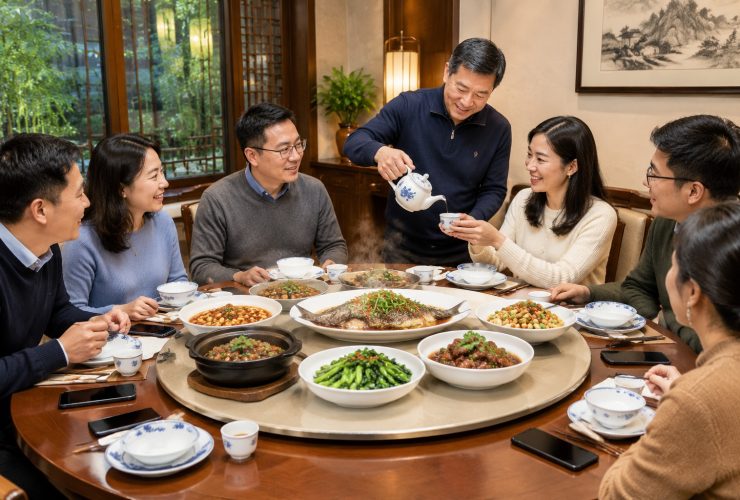
Face and guanxi are usually explained to foreigners as feudal leftovers or polite corruption. In everyday China they work more like a trust system — one ...
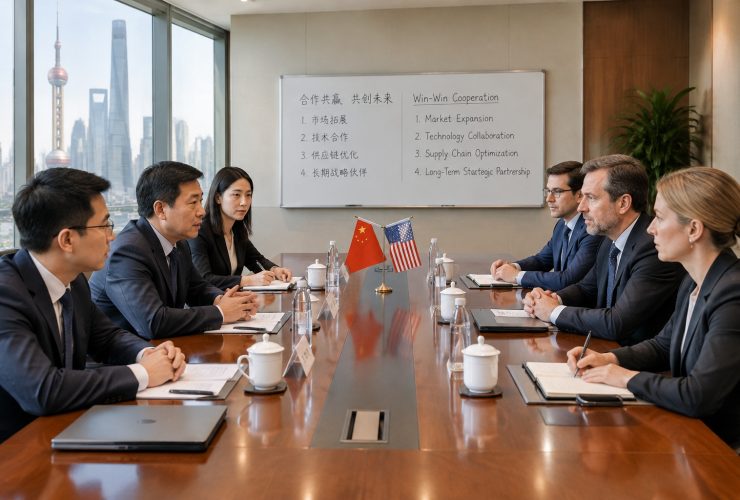
From public criticism to “we'll think about it”—these ten true stories show how cultural misreads quietly kill a China business deal, and what to do instead. ...
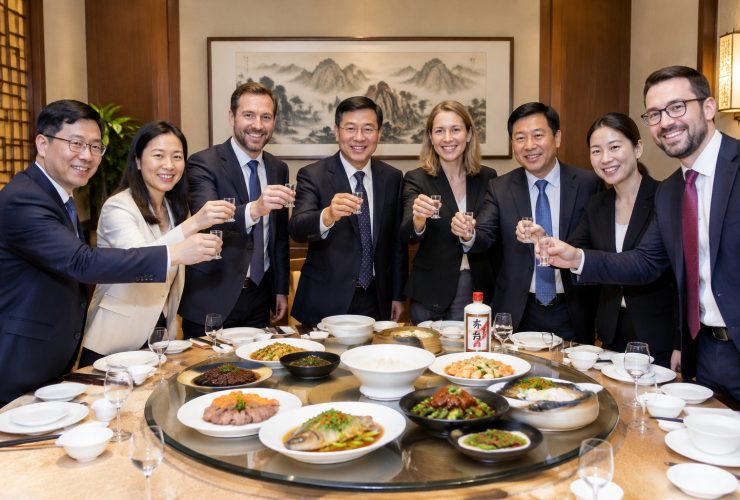
A practical survival guide for foreign executives invited to a Chinese business dinner. Learn the unwritten rules: seating arrangements, toasting etiquette, safe conversation topics, and how ...
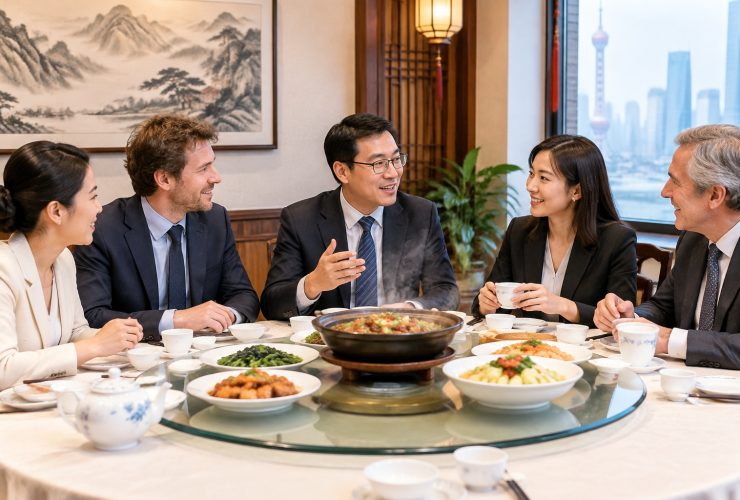
Guanxi is often described as the invisible currency of Chinese business. But what does it really mean, and how do you build it without stumbling? Here’s ...

From waiting for the boss to leave to building guanxi through dinner, Confucius is alive in China's offices. This article explains how ancient rules and modern ...
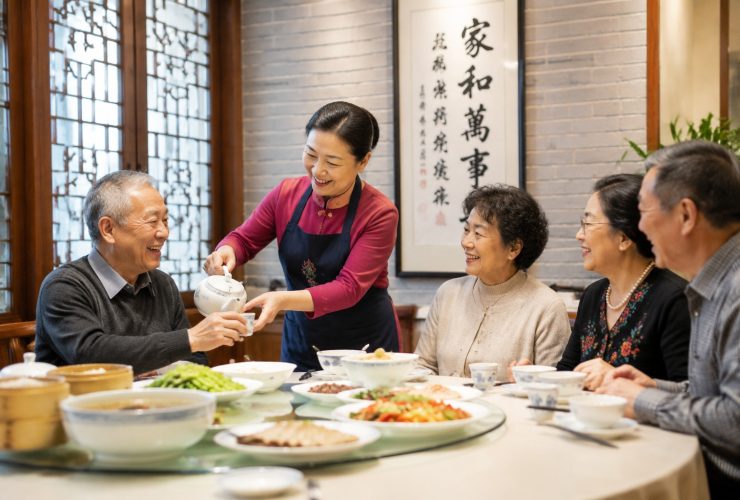
In China, saying 'no' is often seen as rude. Instead, people use indirect refusals, vague promises, and body language to 'give face'—a subtle social code that ...

In China, KTV rooms often host business deals and team-building, not just karaoke. This article explores the social psychology, role dynamics, and real stories behind this ...
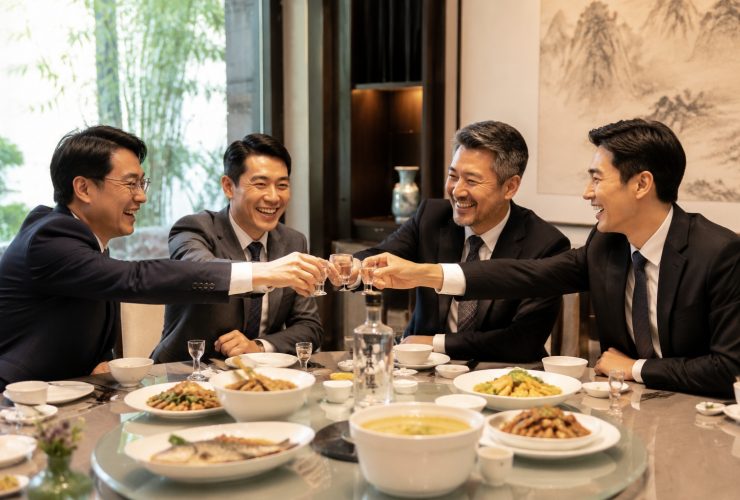
A pragmatic yet nuanced look at baijiu’s role in Chinese business culture—why it matters, how to interpret toasting rituals, and what modern professionals are changing. Learn ...

Through the everyday rituals of the office pantry—group tea orders, shared snacks, and unspoken rules about time off—this article offers a close look at how relationships ...

In China, an EMBA degree is less about academic theory and more about building a high-stakes trust network. Through late-night dinners and alumni associations, business leaders ...