


The Scene: A Tuesday Night in Shenzhen
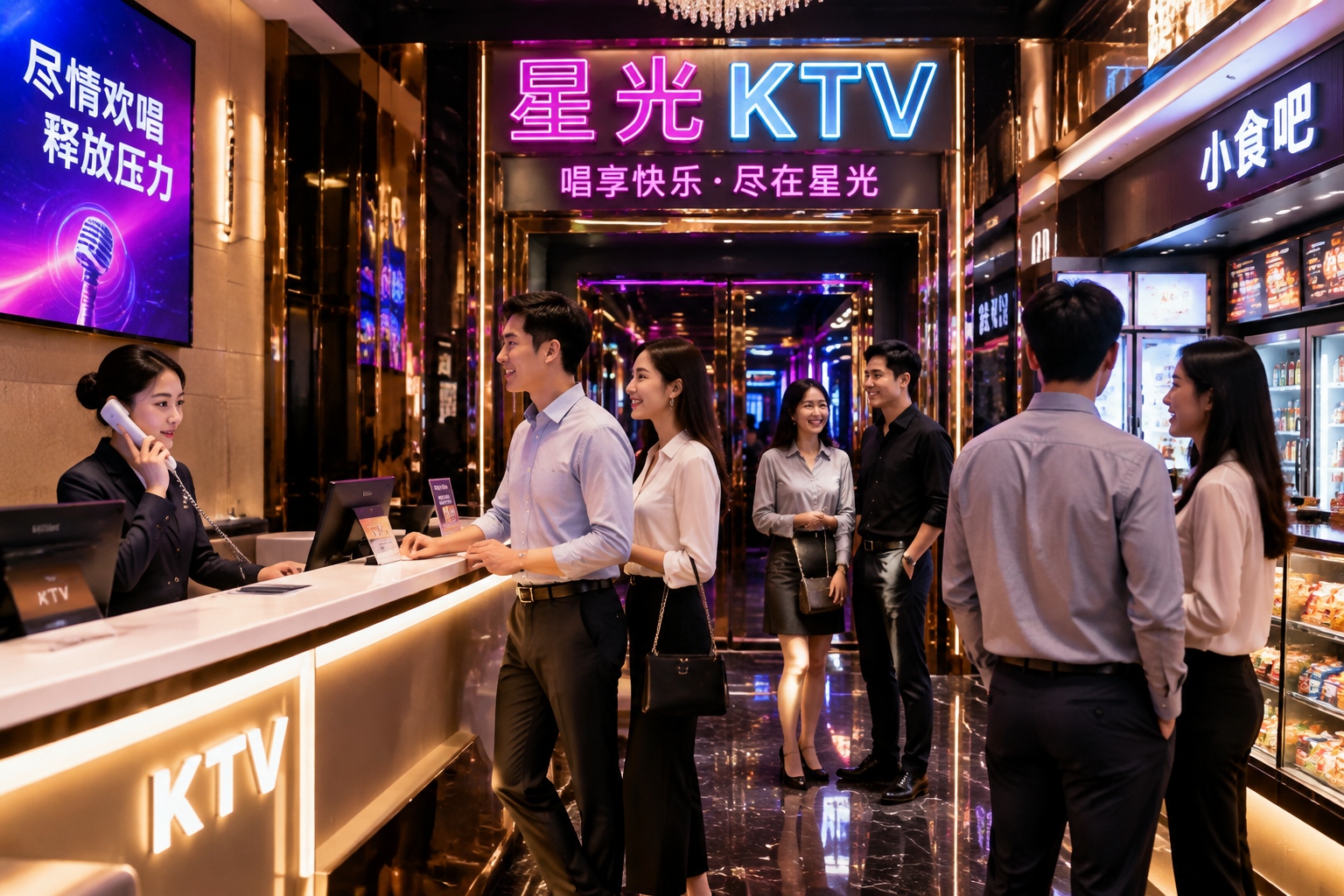
At 8:30 PM on a Tuesday, the KTV lobby in Nanshan District is buzzing. Men in suit jackets loosen their ties while checking their phones. A group of young women in smart casual wear laugh near the snack bar. The receptionist hands out room cards numbered 208, 312, 518 — all booked by corporate accounts.
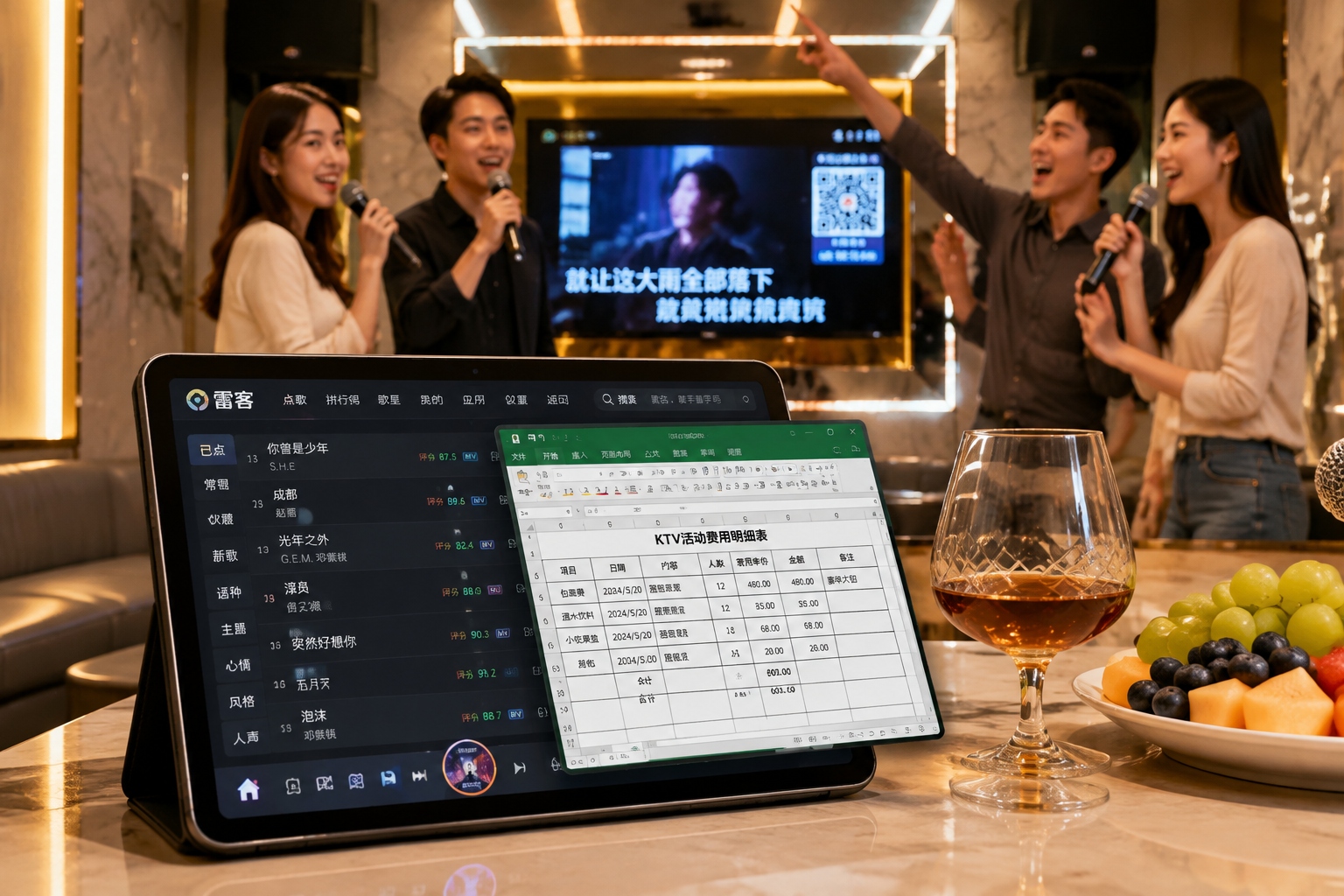
Walk past the soundproof doors, and you catch fragments of songs — a slightly off-key “Yesterday Once More,” a confident Cantopop ballad, the rhythmic beat of a hip-hop track. But in Room 312, the microphone sits idle. Four men are huddled on the leather sofa, a tablet showing an Excel spreadsheet instead of a song list. One of them, Li Wei, a supply chain manager for a electronics firm, is explaining delivery timelines to a potential client. They clink glasses of Rémy Martin, and the deal is almost sealed.
Why KTV? The Psychology of the Private Room
In Western business culture, deals often happen over coffee, lunch, or in a conference room. In China, the karaoke box serves a different purpose. It’s a “safe third place” — neither office nor home — where hierarchy softens. The dim lighting, the alcohol, the act of singing (which makes everyone vulnerable) create what psychologists call “accelerated intimacy.” When your boss or client hears you sing a love ballad badly, the power distance shrinks. Trust builds faster than over a formal dinner.
Moreover, the KTV room is a controlled environment. No outsiders, no eavesdropping. Conversations can be frank. The host can order food and drinks, creating a sense of generosity. The multitasking — singing, eating, drinking, chatting — provides natural breaks in negotiation intensity. A tough point can be followed by a duet, easing tension.
Roles in the Booth: The Organizer, the Singer, the Closer
Every KTV business session has unspoken roles:
- The Organizer (often a junior employee or a salesperson) arrives early, sets up the room, orders snacks, and greets guests warmly. They manage the tablet and keep the atmosphere lively.
- The Entertainer is the one who can sing well. They kick off with crowd-pleasers to break the ice. Their performance is a social lubricant. Not everyone needs to sing; some just tap their feet and enjoy.
- The Closer is usually the senior executive or the decision-maker. They listen, observe, and when the mood is right, they steer the conversation to business points. They might propose a toast — “Ganbei!” — and that seals a handshake.
This division of labor allows each person to contribute without the awkwardness of a formal meeting. Sales teams often practice their KTV repertoire like a skill set. The ability to sing a classic Mandarin song can be as valuable as a well-crafted PowerPoint.
A Real Deal: From Microphone to Contract
Chen Jie, a 32-year-old startup founder in Hangzhou, recalls how a KTV session turned into a long-term partnership. “We had been emailing a potential investor for weeks. He was cold and professional. Then we invited him to KTV after a conference. He sang ‘Moonlight in the City’ — a Suzhou classic. I joined in, and suddenly he was human. We talked about family, about childhood. That night he agreed to invest.” Chen Jie believes the informality of KTV allowed them to connect as people first, not just as business entities. “In China, we say ‘先做朋友,再做生意’ (make friends first, then do business). KTV is the fastest way to make friends.”
Such stories are common. A survey by a Chinese business magazine found that over 60% of executives in manufacturing and tech sectors have closed a deal or built a key partnership at a KTV session. The practice is especially prevalent in second-tier cities and among older generations, but young entrepreneurs also use KTV for team bonding and initial client meetings.
Cultural Insight: The Logic of Guanxi
KTV business culture is a manifestation of guanxi (关系) — the intricate web of personal connections that underpins Chinese commerce. Guanxi relies on reciprocity and trust built beyond formal transactions. A KTV night is an investment in renqing (人情, human feeling). The host spends money, but the guest feels indebted. That obligation later translates into favors, discounts, or faster approvals.
It’s also a way to read character. How a person drinks, how they treat waitstaff, whether they hog the microphone — these small signals help Chinese businesspeople assess reliability. The KTV room becomes a stage where personalities reveal themselves.
However, this practice is not without criticism. Some see it as a waste of time or an excuse for excess. Younger generations, especially in first-tier cities, sometimes prefer more Western-style coffee meetings or co-working spaces. Yet KTV remains resilient, evolving: today’s KTVs offer high-tech rooms with streaming apps, better acoustics, and even meeting room packages.
Conclusion: More Than a Song
Next time you see a group of Chinese professionals entering a KTV, understand they might be signing more than a song. They are building relationships, testing trust, and closing deals — all under the glow of a disco ball. For better or worse, the KTV booth is one of China’s most effective informal business venues.
Start the discussion at forum.chinacomes.com