


The Classroom Ends, The Real Work Begins
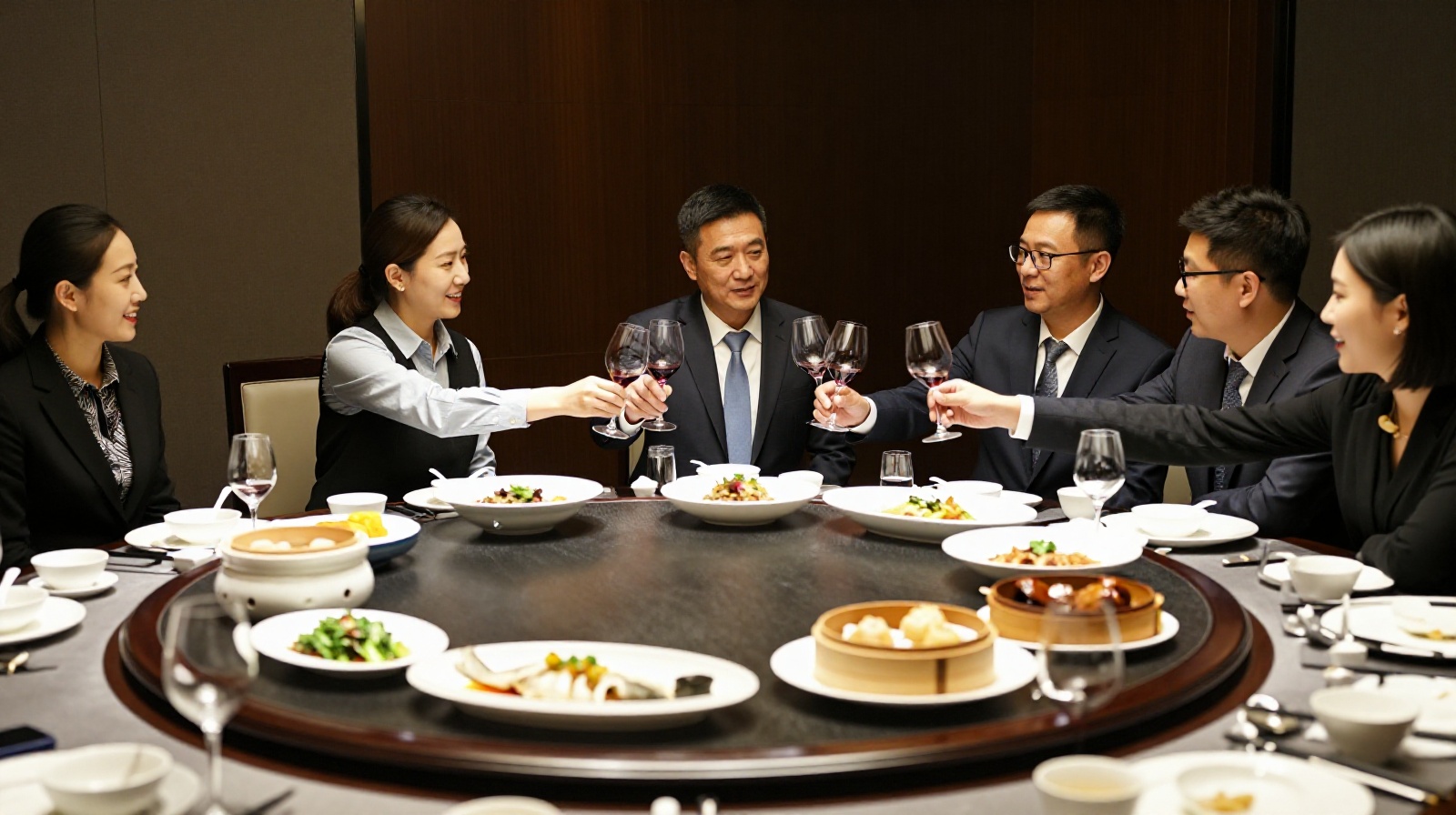
It is 11:30 PM in Shanghai. The lecture hall at a top-tier business school is empty, but the restaurant downstairs is still buzzing. Inside, a group of half a dozen executives in their 40s and 50s are clinking glasses. They just finished a case study on supply chain resilience, but now they are discussing something far more practical: how one of them is navigating new environmental regulations in Guangdong, or where to find reliable capital for a manufacturing expansion.
For Western observers, this might look like informal networking. In China, it is the core mechanism of business life. An Executive MBA (EMBA) in China costs between $80,000 and $150,000. It is not just a degree; it is a filtered entry into a club where trust is the primary currency.
More Than Just a Degree
The EMBA model in China differs significantly from its Western counterpart. While Harvard or INSEAD focus heavily on global frameworks and theoretical rigor, Chinese programs are deeply embedded in the local context. The curriculum often blends international management theory with the unique realities of doing business in China’s regulatory environment.
But the real value lies outside the classroom. The “classmate” (tongxue) label creates a bond that transcends typical professional relationships. In a country where guanxi (personal connections) has always been vital, the EMBA cohort acts as a pre-vetted network. Members are not just peers; they are potential partners, investors, or government liaisons.
A Case of Mutual Survival
Consider the story of Li Wei, a mid-level manager at a tech startup in Shenzhen. In 2022, his company faced a liquidity crunch. Traditional banks were hesitant to lend due to stricter credit policies. Desperate, he reached out to his EMBA alumni network.
It wasn’t a formal pitch. It was a private dinner with three classmates: one who ran a family office, another who worked in regulatory compliance, and a third who managed a logistics firm. Within weeks, the family office provided bridge financing, while the compliance expert helped them restructure their debt to meet new banking requirements. The logistics partner offered to optimize their supply chain to free up cash flow.
Li Wei’s startup survived. More importantly, he now owes a deep debt of gratitude to this group. In China’s business ecosystem, reciprocity is not just polite; it is structural. This is what I call the “hidden infrastructure” of Chinese commerce.
The Power of the Alumni Association
These networks are highly organized. Most top Chinese business schools have powerful alumni associations that host regular events, from weekend golf tournaments to industry-specific forums. These are not mere social gatherings; they are intelligence hubs.
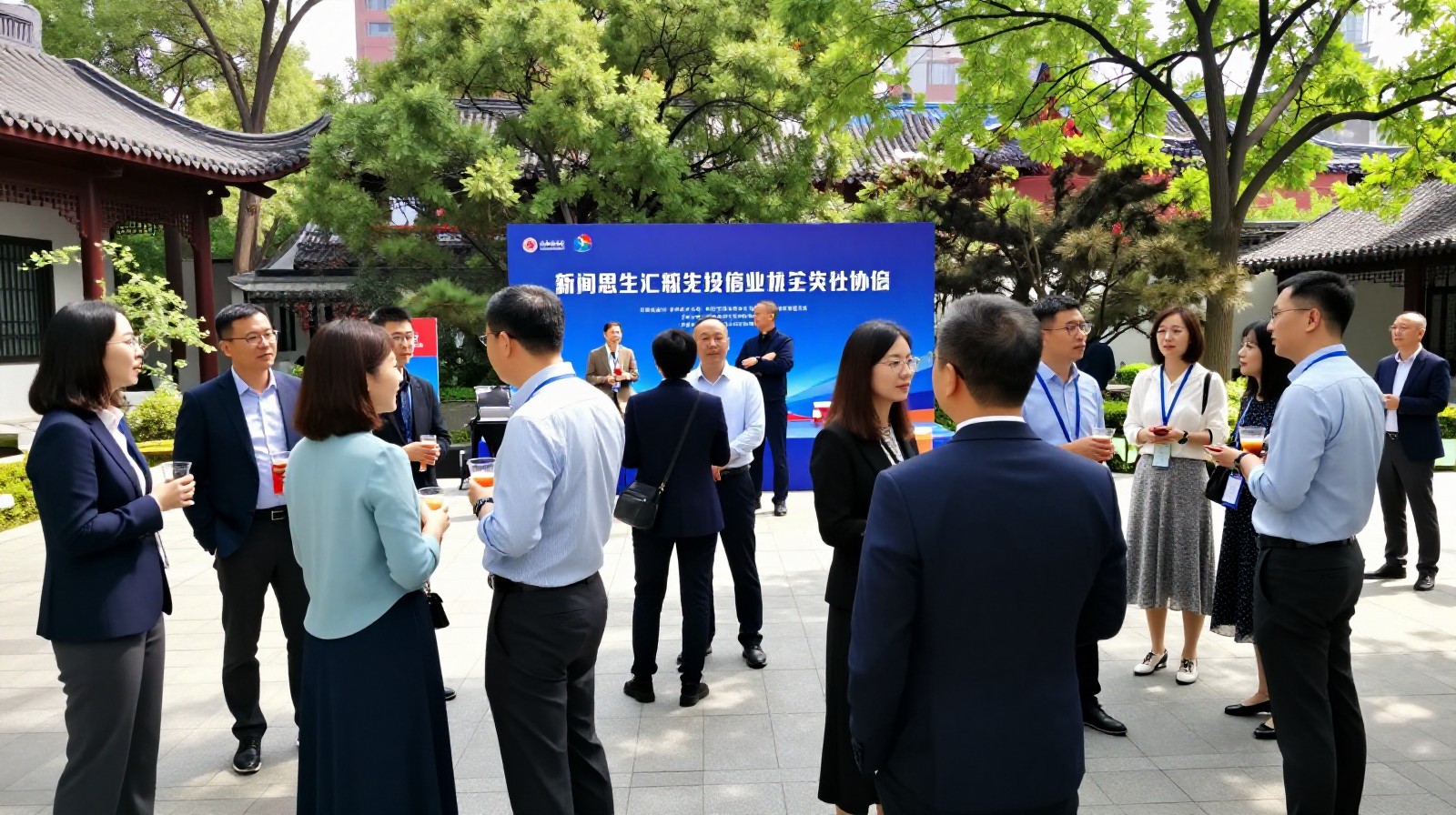
At these events, information flows freely. A graduate working in policy might hint at upcoming changes in the tech sector. A manufacturing executive might share insights on shifting labor costs. This shared knowledge gives members a competitive edge that outsiders simply do not have. It is a form of social capital that is difficult to replicate.
Trust as a Business Asset
For foreign companies trying to understand China, dismissing EMBA as “just a degree” is a mistake. It is a reflection of how business is actually done here. In a market where legal contracts are important but personal trust often seals the deal, the EMBA network provides a layer of security.
The $100,000 price tag buys more than education. It buys access to a community that operates on long-term reciprocity. For those inside, it is a lifeline. For those outside, it is a glimpse into the complex, relationship-driven engine that powers much of China’s economic dynamism.