

A Town Like Any Other, But Faster
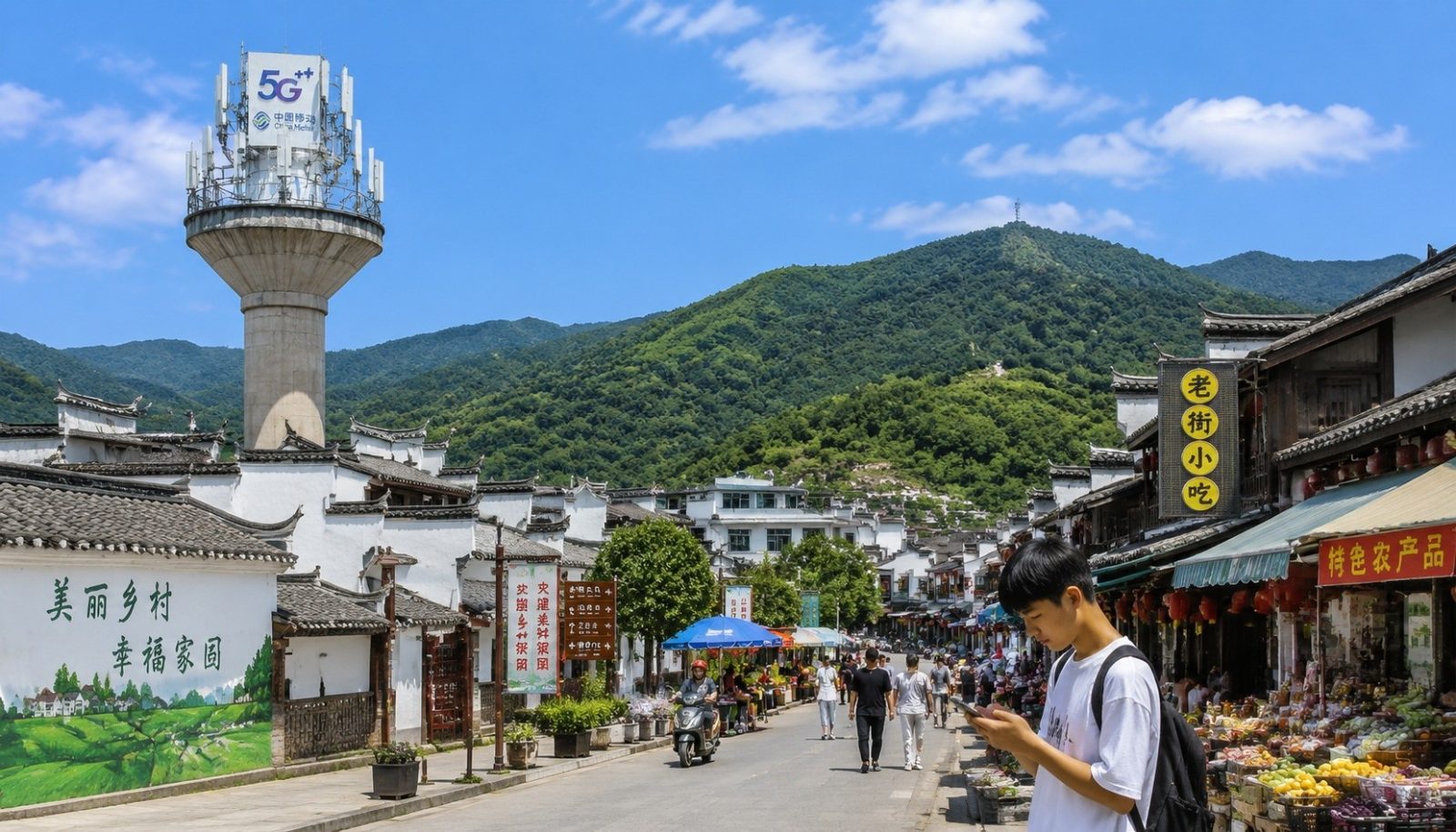
In 2013, Li Wei, a 16-year-old student in the small town of Huanghua, Hunan province, used his family’s shared 3G phone to load a webpage. It took 30 seconds. Today, at 26, he streams 4K video on his 5G phone without a single buffer. Huanghua is not a special town—it’s a typical Chinese county seat with 80,000 residents, surrounded by farmland and hills. Yet its internet journey mirrors a national transformation that has rewired how people live, work, and connect.
Why Start with 3G? A Glimpse Back
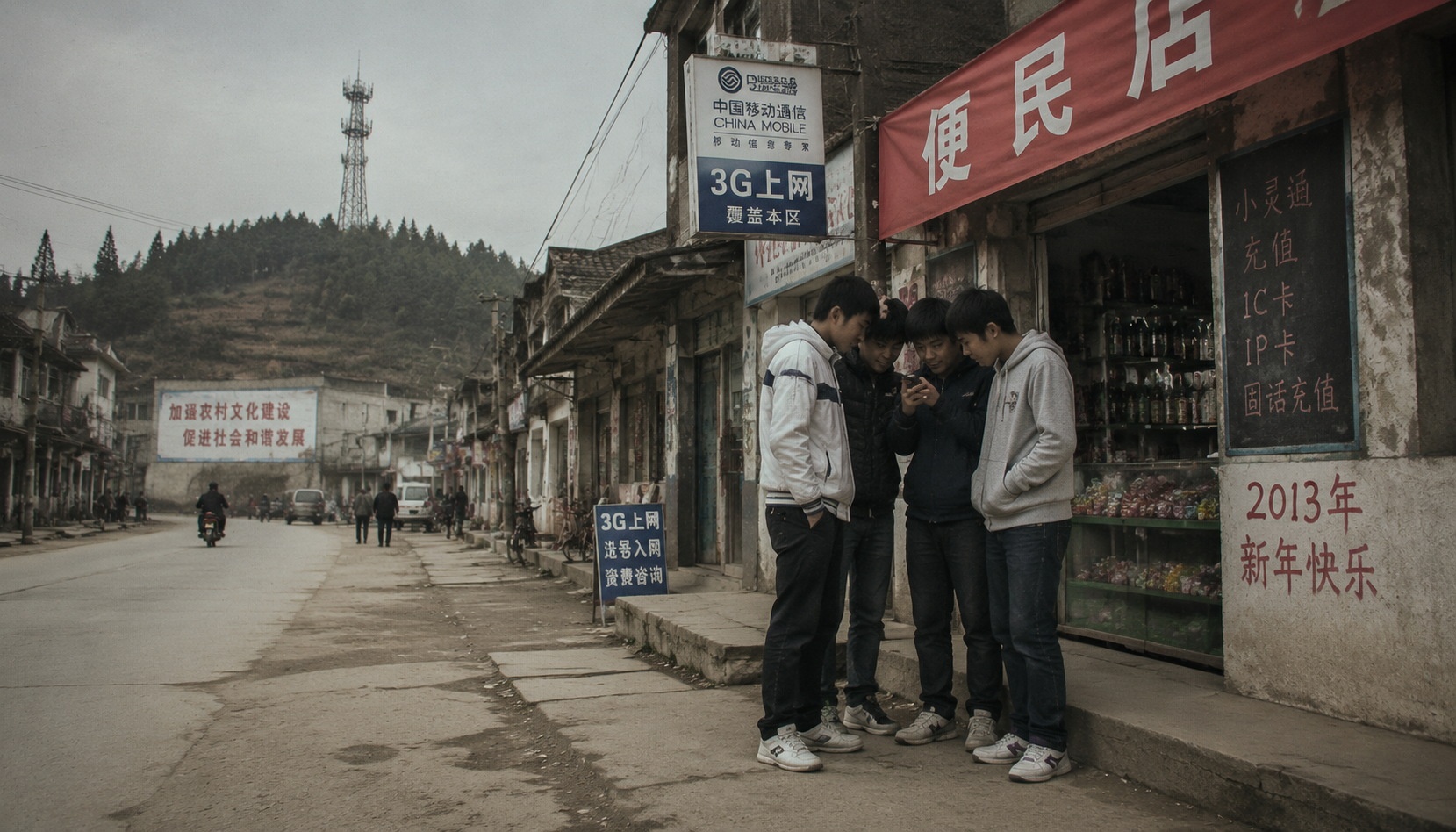
For many in the West, mobile internet felt like a gradual upgrade: EDGE to 3G to 4G, each step taking years. In China’s smaller towns, the leap was more abrupt. In Huanghua, 3G arrived in 2009, but coverage was patchy. Li Wei recalls that in 2012, only the main street had reliable signal. To watch a video, teenagers would gather outside the only McDonald’s (which had free Wi-Fi) or climb to the rooftop of a three-story building for better reception.
This wasn’t unique to Huanghua. Across rural China, 3G towers were often shared by entire villages. A 2013 report by China’s Ministry of Industry and Information Technology noted that only 45% of rural areas had 3G coverage, compared to 95% in cities. The digital divide was real.
4G: The Game Changer
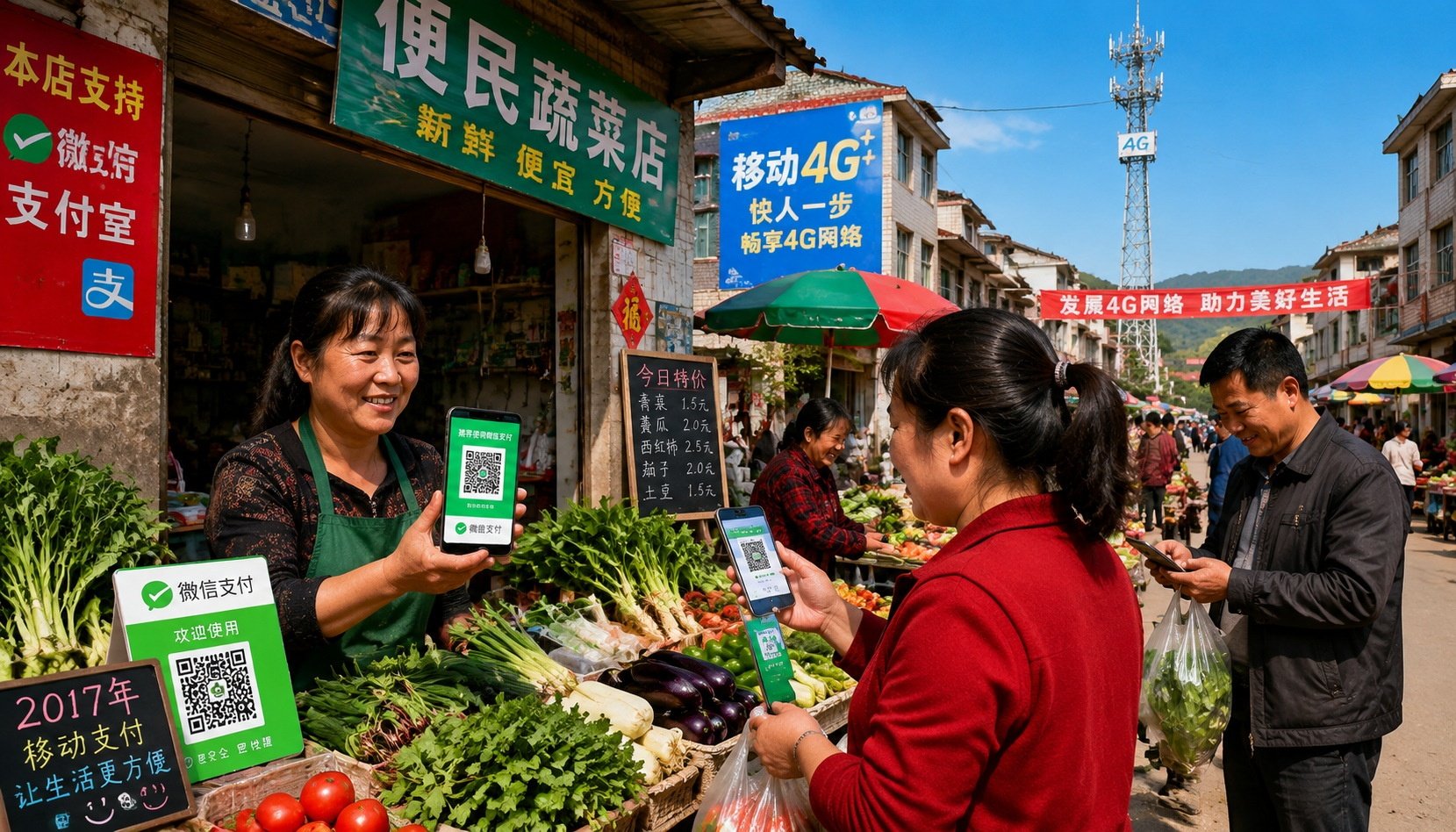
The turning point came in 2014 with the nationwide rollout of 4G. China Mobile, the largest carrier, deployed base stations at an astonishing pace—adding 700,000 in a single year. Huanghua got its first 4G tower in early 2015, and within 18 months, coverage reached every village in the county.
Suddenly, a farmer could watch agricultural training videos on his phone. A high school student could access online courses from top universities for free. Li Wei’s mother, a shopkeeper, began accepting payments via WeChat, transforming her tiny store into a mini e-commerce hub. By 2017, mobile payments in Huanghua had become as common as cash—a shift that took only three years.
5G Arrives Without Fanfare
Contrary to the hype in big cities, 5G arrived in Huanghua quietly. In 2020, local residents noticed faster speeds on their phones, but many didn’t realize it was 5G. The first official 5G base station in Huanghua was installed on a water tower in the town center. By 2023, over 30 base stations covered the entire town and surrounding villages.
Today, a typical 5G speed test in Huanghua shows 400 Mbps download—comparable to many European cities. Li Wei, now a local logistics manager, uses 5G to monitor delivery drones that bring packages to remote mountain villages. The latency is low enough for real-time video calls with suppliers in Shenzhen. For young people, 5G has turned their town into a fully connected node in the national economy.
What This Means for Daily Life
For older residents, the change is more subtle. Grandma Chen, 68, uses her 5G phone to video-call her grandchildren every day—a seamless experience she couldn’t have imagined during the 3G era. She also participates in live-streamed square dancing competitions, a popular pastime for retirees.
Small businesses have thrived. A local bakery owner posts short videos of freshly baked goods on Douyin (TikTok’s Chinese version) and attracts customers from neighboring counties. The 5G network ensures her uploads are instant, even during peak hours.
But the road wasn’t without bumps. In the early 4G days, some villagers complained about monthly data costs. The government responded by subsidizing basic plans for low-income families, and competition among three carriers (China Mobile, China Unicom, China Telecom) drove prices down. Today, a 100GB 5G plan costs about $10 per month—less than a meal out.

Comparing with Towns Abroad
Huanghua’s story contrasts sharply with towns of similar size in, say, rural France or the U.S. Midwest. In many small European towns, 5G coverage remains spotty. A 2023 European Commission report found that only 50% of rural areas in the EU had 5G, compared to 90% in urban areas. In China, the gap is narrower: 5G coverage in rural counties like Huanghua exceeds 95%.
Why the difference? China’s centralized telecom policy and state-owned carriers allow rapid, coordinated expansion. Private companies in Western countries face more regulatory hurdles and profit-driven deployment. Also, China’s dense population in even small towns makes infrastructure investment more viable. Huanghua’s county seat has 80,000 people—equivalent to a small city in Europe—spread over a compact area.
The Future: Beyond Speed
Huanghua is now piloting smart agriculture using 5G sensors to monitor soil moisture and pest levels. Li Wei’s logistics company is testing self-driving delivery vehicles. The next decade will likely see the town adopt technologies that were once exclusive to big cities.
For a young person growing up in Huanghua, the internet is no longer a luxury—it’s a utility as reliable as water and electricity. That is the quiet revolution of China’s network buildout.
Start the discussion at forum.chinacomes.com