

London’s New Quiet Neighbour
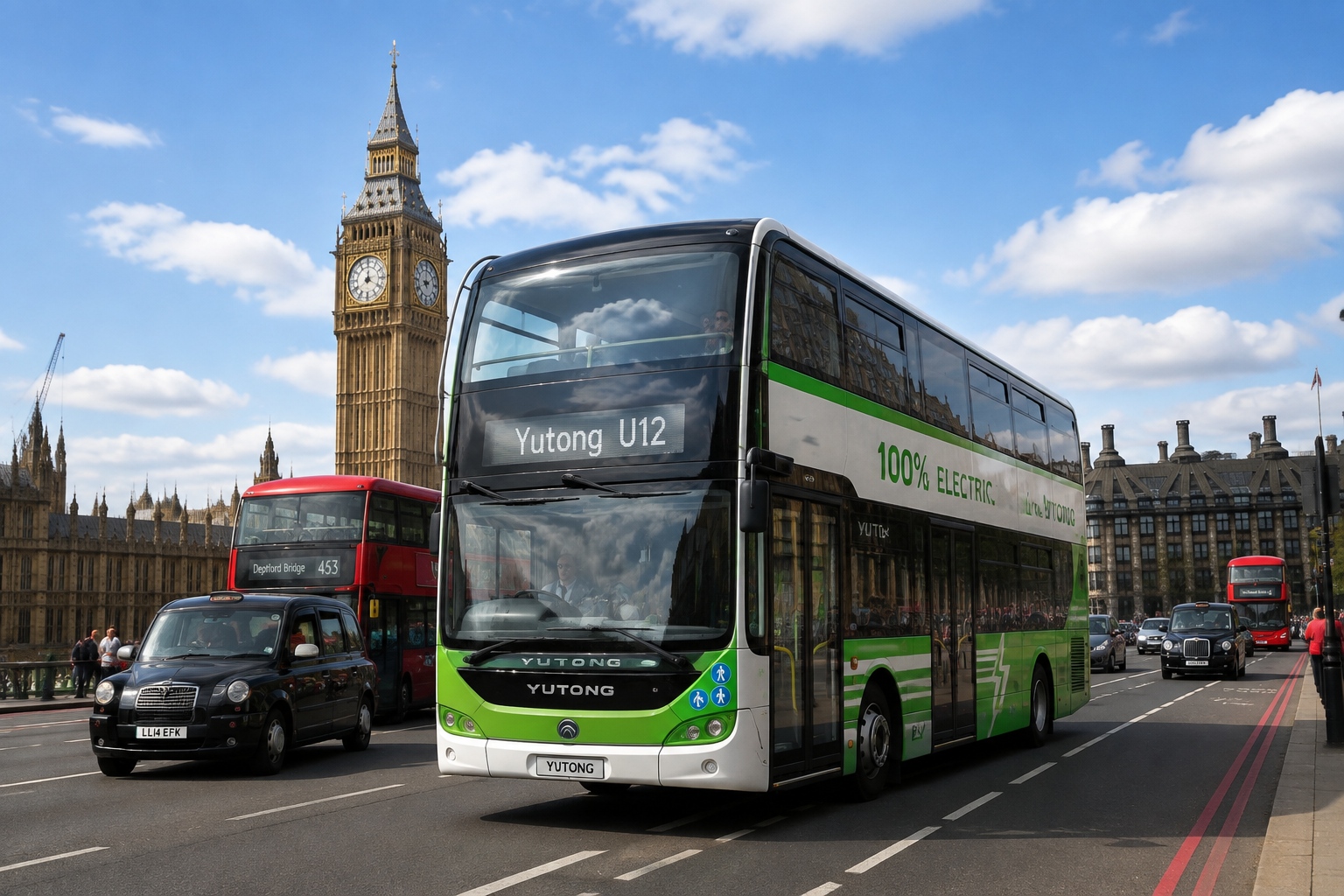
It’s a typical morning in central London. A double-decker bus glides down the street, but it doesn’t make the usual diesel roar. Instead, it hums almost silently. At the next stop, passengers step on and might notice the subtle green and white livery. These are Yutong electric buses, built in Zhengzhou, the capital of Henan province, and they are transforming the way London moves.
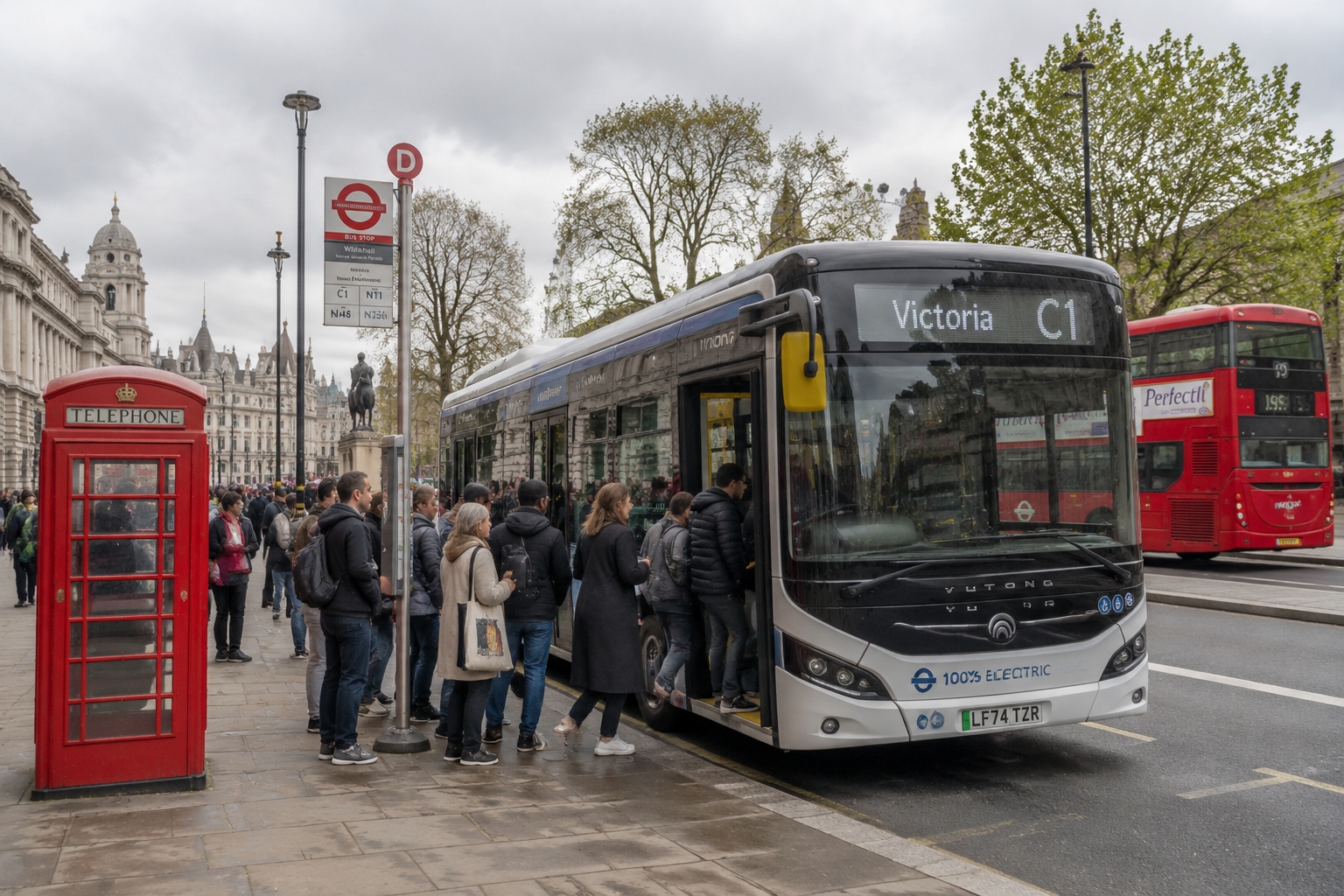
For many Londoners, the idea of a Chinese-made bus would have seemed odd a decade ago. The city’s red Routemaster is a global icon, as British as fish and chips. Yet today, if you ride certain routes, you might find yourself onboard a vehicle that was assembled 5,000 miles away, in a factory surrounded by wheat fields in central China.
Who Is Yutong?
Yutong isn’t a household name in most Western countries, but in China it’s a giant. The company has been around since 1963 and has grown into the world’s largest bus manufacturer by sales. For decades, Yutong buses have carried commuters in Chinese cities, from Beijing to Shanghai. Now they’re crossing borders, and London is one of the most visible markets.
Yutong’s success isn’t a fluke. The Chinese government early on saw electric vehicles as a strategic industry. By pumping money into battery research and charging infrastructure, it created an ecosystem where companies like Yutong could test, refine, and scale up quickly. Today, China has the world’s largest fleet of electric buses, with places like Shenzhen already fully electrified.
Why London Chose Electric Buses—and Why Yutong Won
London’s transport network is under enormous pressure to become zero-emission. The city has pledged to make its entire bus fleet electric by 2030. That means thousands of new buses, and the competition is fierce. Why would a city with so much heritage opt for a Chinese maker?
The answer comes down to three things: technology, reliability, and price. Yutong’s electric buses have a range of up to 200 miles on a single charge, which is plenty for a day of city driving. Their battery management systems are efficient, and the low-floor design makes boarding easy for everyone, including wheelchair users. But perhaps the biggest selling point is total cost of ownership. Electric buses are cheaper to run than diesel, despite the upfront price. Over a 12-year lifespan, the savings on fuel and maintenance are significant.
It also helps that Yutong has been willing to adapt to British requirements. Right-hand drive? No problem. Double-deck? They built one. In fact, some of the first Yutong double-deckers in the UK were customised specifically for London’s streets, with a turning radius that can handle the narrow lanes of Mayfair.
How China Normalized Electric Buses
To understand Yutong’s edge, you need to look at China’s domestic market. In 2010, electric buses were a novelty. By 2020, over 400,000 electric buses were operating in Chinese cities—roughly every second bus in the world’s largest bus market. This massive home base gave Yutong a serious advantage: they could test buses in every climate, from the freezing north to the humid south, and collect millions of miles of real-world data.
European manufacturers, meanwhile, were slower to embrace battery-electric technology. Many had to play catch-up, relying on government grants and small-scale pilots. Chinese companies, by contrast, had the benefit of scale and a state-backed push to reduce urban air pollution. That didn’t just make technology better; it made it cheaper.
On the Road: Comparing London and Chinese Bus Culture
Riding a bus in London is a particular experience. You queue politely, tap your Oyster card, and find a seat on the plush upholstery. In Chinese cities like Shanghai or Beijing, bus travel is faster-paced—more people, shorter stops, and a blaring beep as the doors close. But Yutong has learned to serve both worlds.
For London, they added a softer suspension to handle historic cobblestones and a heating system that warms up the cabin before the bus even moves. For China, they kept the interior simple and durable, with extra handrails for crowded runs. The result is a bus that feels genuinely global—a little like the way Toyota builds different models for America and Asia.
What It’s Like to Ride a Yutong
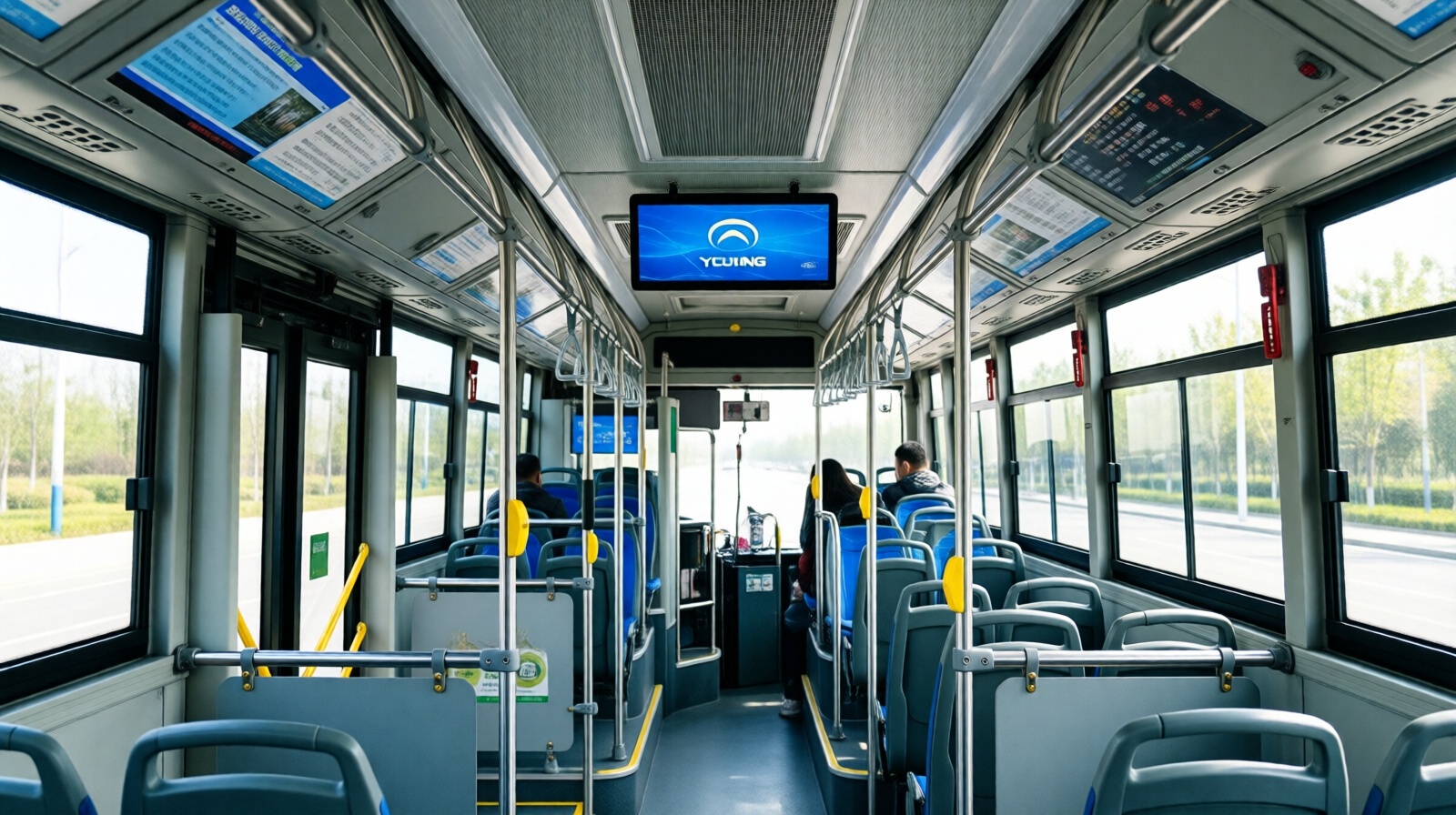
If you’ve been on a Chinese electric bus before, you’ll know what to expect. The ride is smooth and near-silent, with only a faint whirr as the bus pulls away. The interior is light, with digital screens showing the next stop. On a cold morning, the heating kicks in quickly, without the need to wait for a diesel engine to warm up.
For a Londoner, the experience is a revelation. Many comment on how much quieter the streets have become. A bus that used to sound like a roaring lion now passes by like a large cat on soft paws. Environmental groups have cheered the switch, noting that particulate pollution at bus stops has dropped markedly.
From Henan to the World
Yutong’s factory in Zhengzhou is one of the largest bus plants in the world. Every few minutes, a bus rolls off the line—either diesel, hybrid, or fully electric. The facility employs thousands of workers and has its own testing track, including a stretch of cobblestones to check ride quality. Visitors often compare it to an aircraft assembly plant: clean, precise, and vast.
But the company isn’t just building for China. Its buses now operate in Iceland, France, Norway, Qatar, and dozens of other countries. In Iceland, Yutong electric buses handle snowy roads and harsh conditions. In Qatar, they shuttle fans around during the World Cup. London is just the latest stop on a global journey.
This is a far cry from the days when “Made in China” was associated with cheap toys and fiddly electronics. Today, Chinese manufacturers are leading in sectors like electric vehicles, batteries, and solar panels—not by copying, but by iterating faster and investing in scale.
Not Without Challenges
It would be wrong to paint a rosy picture without mentioning the hurdles. Some UK operators have been initially wary of maintenance support. Where do you get spare parts? How fast can a technician come from Zhengzhou? Yutong has addressed this by setting up a European technical centre in Copenhagen and storing parts at local depots.
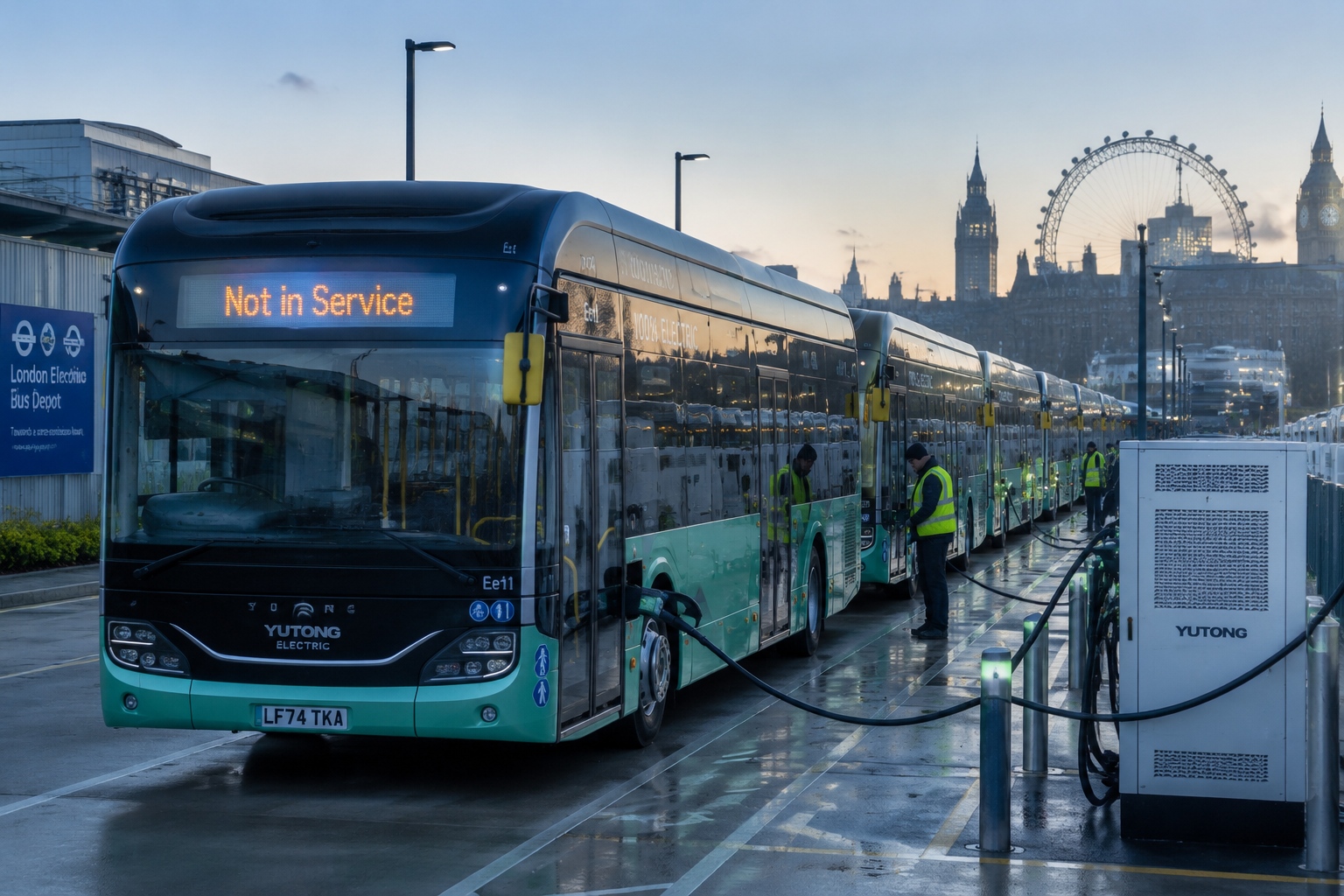
There’s also the issue of charging infrastructure. A depot that used to fill tanks with diesel now needs to manage a fleet of electric buses plugging in overnight. This requires a smart grid and careful scheduling. But these are challenges for any electric bus operator, not just those using a Chinese brand.
What This Means for Travelers
If you’re visiting London and hop on a Yutong bus, you might not even notice a difference. That’s the point. It should feel like any other bus—just cleaner and quieter. But if you look closely at the badge on the front, you’ll see a Chinese character that reads “Yu,” for Yutong. It’s a small reminder that global mobility has a new player.
For Chinese travelers, seeing a familiar brand in London can be a point of pride. It’s a sign that the country’s industrial ambitions have made it to the heart of the West. And for everyone else, it’s a chance to experience a small slice of China’s green transport revolution without leaving the UK.
Conclusion: A Bus That Bridges The Globe
Yutong’s presence in London is more than just a business deal. It’s a story about how China is changing the way the world thinks about transport. The same buses that carry students in Shanghai are now carrying office workers in London. That’s not just globalization—that’s a shared transit experience, delivered with a little help from Henan.
So next time you see an unfamiliar green bus glide past Big Ben, take a moment to appreciate it. It might be built in a factory in China, but it’s also part of London’s future.
Start the discussion at forum.chinacomes.com