


A Quiet Dawn in the Mountains
At 5:30 a.m., the first rooster crows in the village of Dashan. Li Mei, a 28-year-old teacher at the only primary school for miles around, already awake, lights a small kerosene lamp—the electricity often cuts out in the early morning. She slips into her worn sneakers, grabs a flashlight, and steps outside. The dirt path that leads to school is narrow and slick after last night’s rain; a misstep could send her tumbling into the tea terraces below. “I’ve fallen more times than I can count,” she says with a wry smile, “but the kids are waiting.”
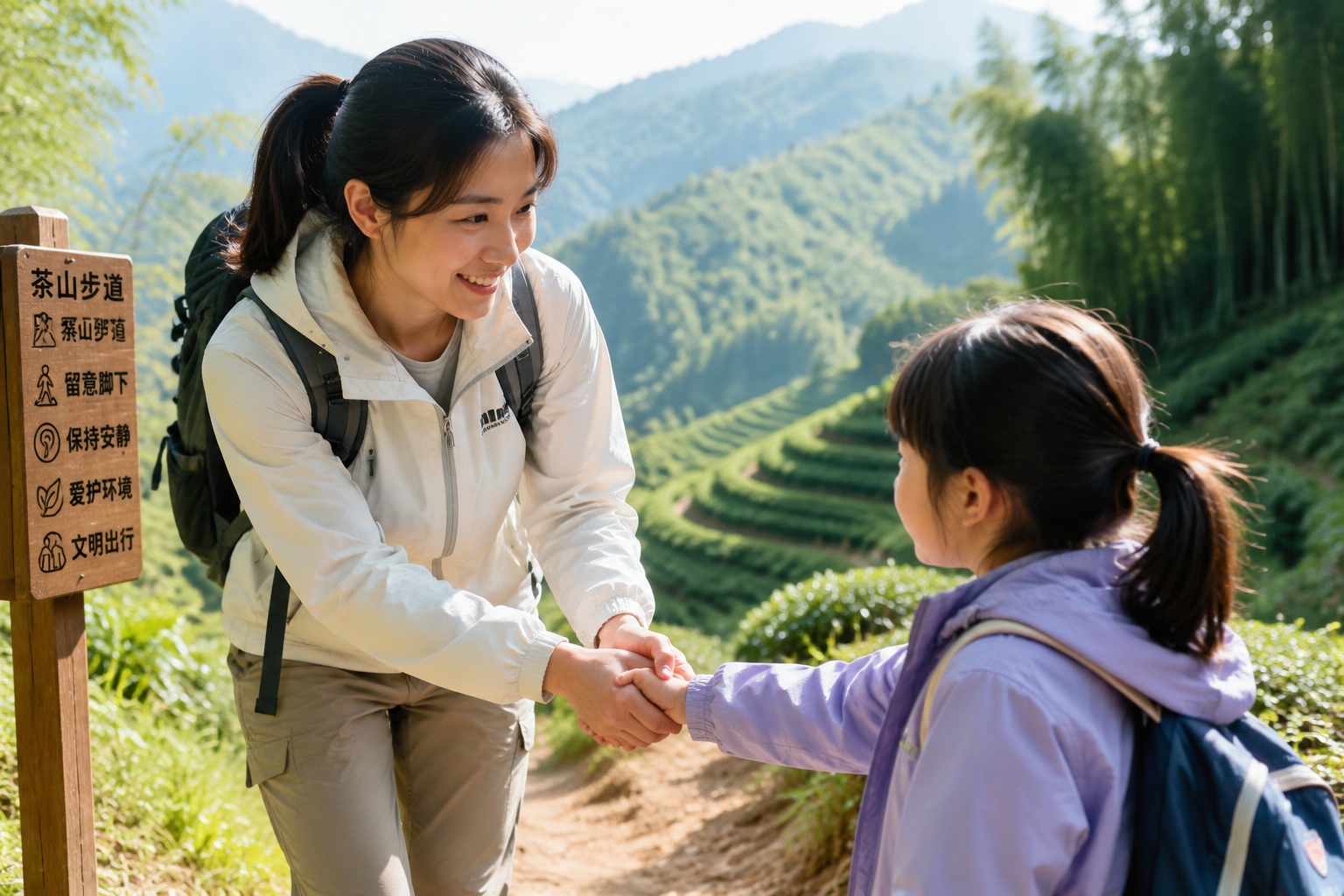
Li Mei’s commute is a two-hour trek over two ridges. She walks past terraced fields, through a bamboo grove, and along a cliffside trail with no guardrail. She carries a backpack stuffed with lesson plans, a thermos of hot water, and a bag of homemade pickled vegetables—lunch for the day. On the way, she picks up six-year-old Xingxing, whose parents work in the city; his grandmother can’t make the steep walk. “It’s always darkest before the dawn,” Li Mei murmurs, guiding the boy by hand.
Inside the Classroom: Where Teaching Meets Life
The schoolhouse is a two-story building with faded green paint. Six grades, only three classrooms; some grades share a room. Li Mei teaches a combined class of third and fourth graders—27 students in total. The morning starts with a recitation of the multiplication table, their voices echoing off the cement walls. “Most of my students have never seen a computer,” Li Mei tells me. “When I show them a video of the ocean on my tablet, their eyes get so wide—it’s like magic.” But the tablet is her only digital tool; the school’s projector broke months ago, and replacement parts are hard to come by.
Challenges go beyond equipment. Several students come to school without breakfast; Li Mei keeps a stash of biscuits and milk in her desk drawer. “A hungry child can’t learn,” she says matter-of-factly. She teaches not only math and Chinese but also basic hygiene—how to brush teeth, wash hands. “Some parents work in factories far away, so grandparents raise the kids. They do their best, but there are gaps.”
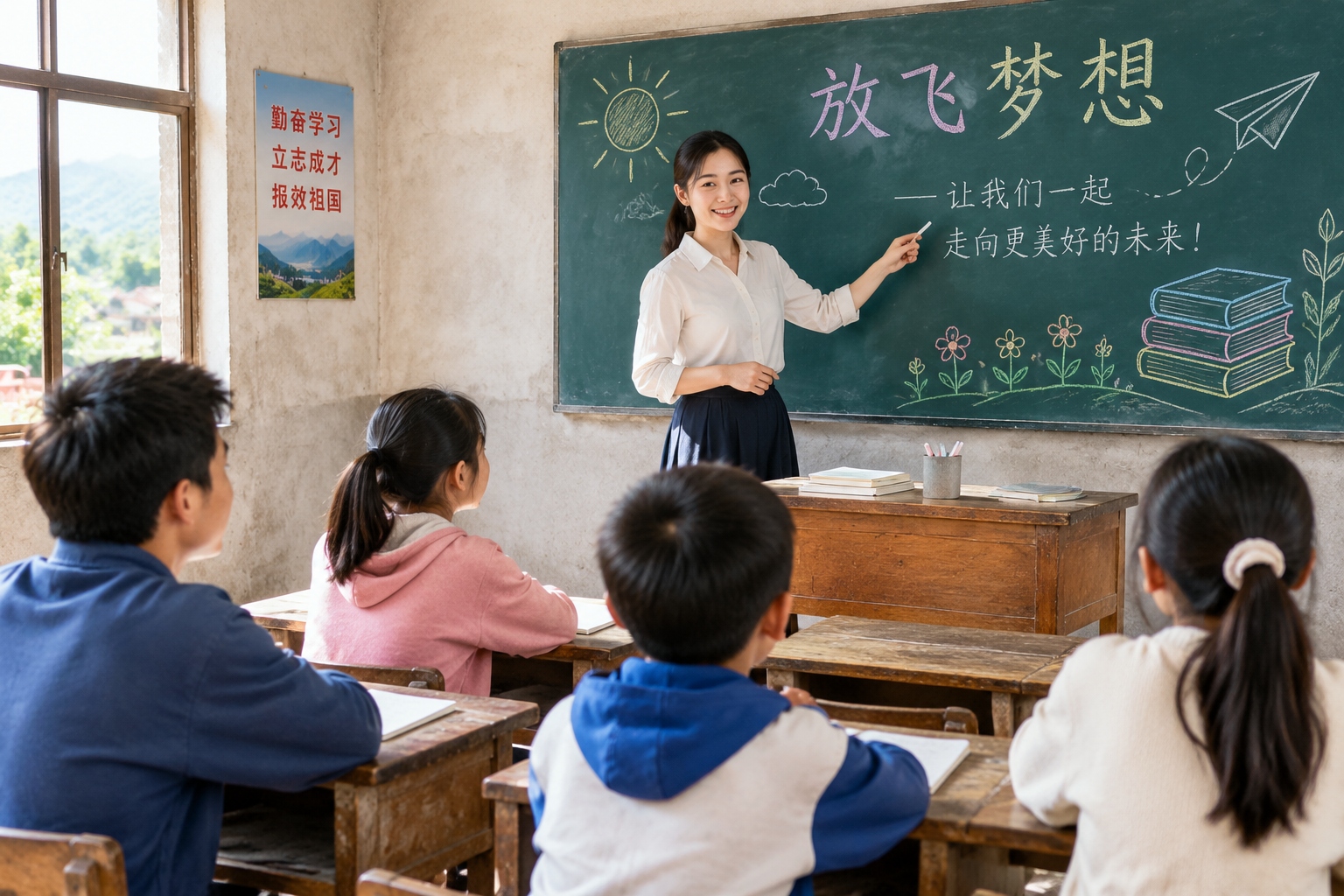
Despite the hardships, laughter fills the room. During a vocabulary game, a boy mispronounces “penguin” as “peng-gui” (meaning “fat ghost” in Chinese), and the class erupts. Li Mei laughs too, then gently corrects him. “Moments like this remind me why I stay,” she says.
The Afternoon: Grading and Home Visits
After lunch, while students nap on small desks, Li Mei grades math homework. She marks each wrong answer with a red pen, adds a tiny star for effort. By 3 p.m., school is over, but her day isn’t. She visits three families today. The first is Xiao Jie’s home—a wooden house with a dirt floor. Grandmother greets her with tea. Li Mei talks about Xiao Jie’s progress and encourages her to attend the supplemental class she holds on Sundays. “Education is the only way out,” she tells the grandmother, who nods silently.
The second home belongs to A-niu, a ten-year-old who has been absent for a week. She finds him helping his father repair a fishing net. A-niu looks down, ashamed. “I want to come,” he whispers, “but the river is too high after the rain, and my rubber boots are broken.” Li Mei collects money from her own salary to buy him new boots the next day.
The third visit is to a mother who recently returned from the city to care for her mother-in-law. “She feels trapped,” Li Mei observes. “I try to connect her with online sewing classes—she can earn a little money from home.” These home visits are unpaid, but Li Mei considers them essential. “A teacher in the mountains is not just a teacher. You’re a social worker, a counselor, sometimes a parent.”
Evening: Planning and Reflection
Back in her small rented room, Li Mei heats water on a gas stove for instant noodles. She opens her laptop—the internet is slow, but it works. She watches a recorded training from a city-based teacher coach, part of a voluntary online mentoring program. “The government has built new roads and improved school infrastructure, but the real change happens when teachers get better support,” she says. She scrolls through a WeChat group of village teachers sharing resources. One has uploaded a digital picture book; another asks about handling trauma in children left behind by migrant parents.
By 10 p.m., the village is quiet. Li Mei writes in her journal: “Another day done. Tired, but I saw Xingxing finally read a whole sentence without stopping. That’s enough.” She blows out the lamp and listens to the distant barking of a dog. Tomorrow will be the same, but different—because every day, in this school tucked away in the mountains, a small seed of hope is planted.

Start the discussion at forum.chinacomes.com