

One Bite Beyond Guilin
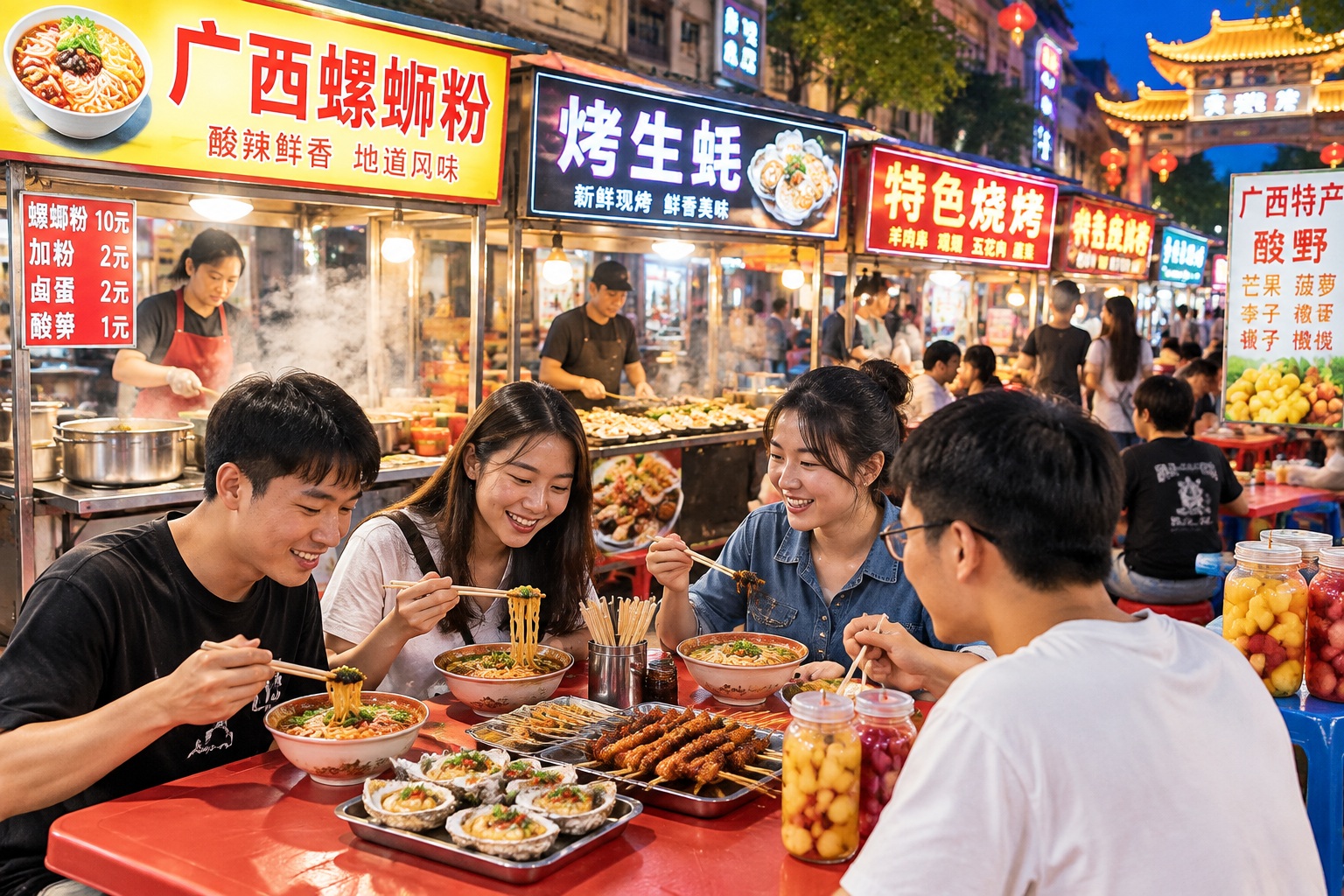
You’re in Guilin, sitting on a plastic stool by the Li River, slurping a bowl of rice noodles topped with crispy pork and pickled beans. It’s amazing. But if you leave Guangxi thinking that’s all it has to offer, you’re missing out on a culinary explosion.
Guangxi is a region of mountains, rivers, and a dozen ethnic minorities. Its food is shaped by tropical heat, rice paddies, and a love for sour and spicy flavors that’s different from Sichuan or Hunan. Here’s a road trip through 30 flavors you probably haven’t tried – and why each one tells a story.
1. Snail Noodles (Liuzhou) – The Stinky King
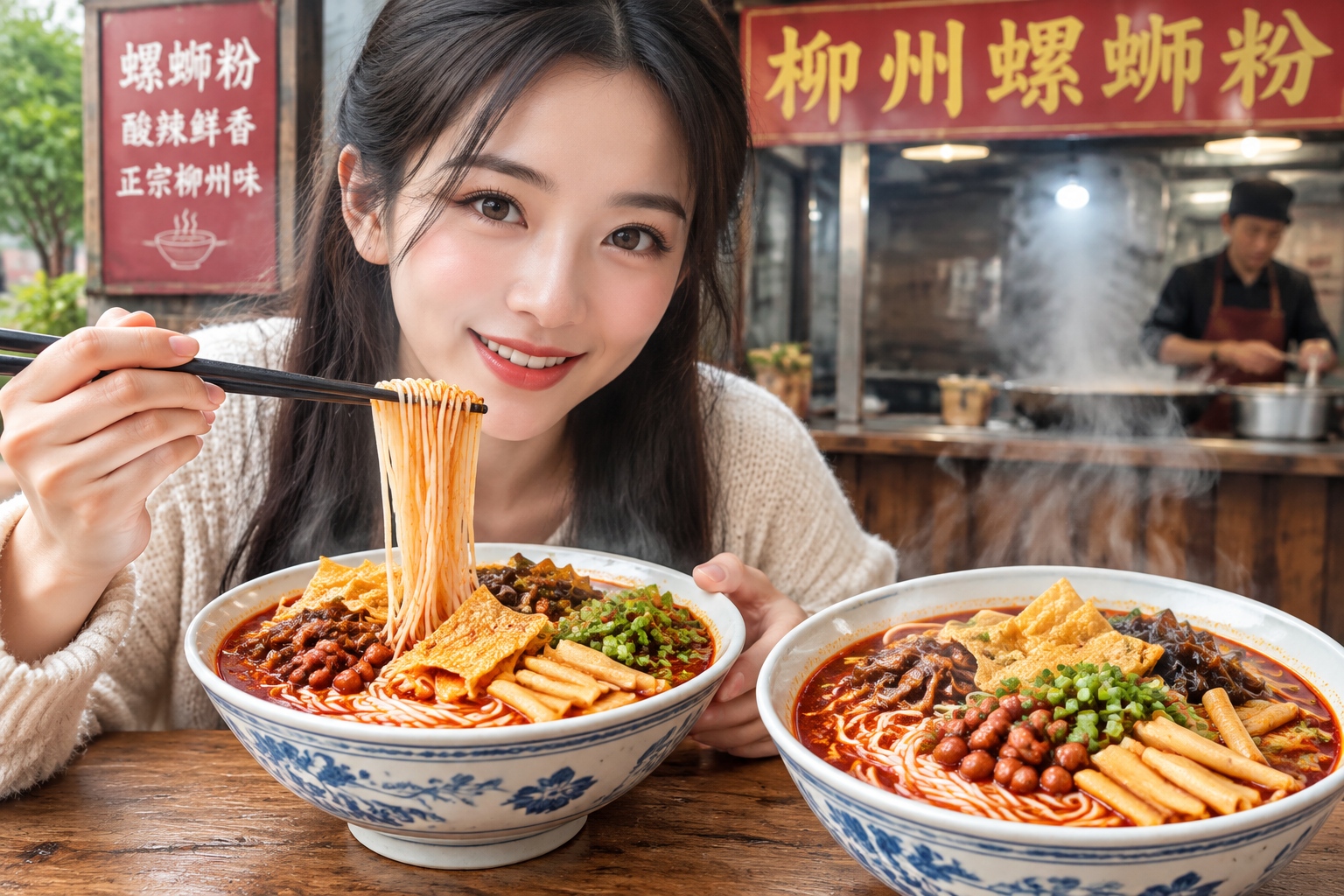
Let’s start with the most controversial: luosifen. This rice noodle soup is cooked with river snails (though the snails are usually removed before serving) and fermented bamboo shoots, giving it a pungent smell that can clear a room. Locals love it. Tourists either run away or become addicts. The broth is sour, spicy, and umami-rich. Try it with pig trotters or fried tofu skins.
2. Old Friend Noodles (Nanning) – Sour & Comforting
In the capital, laoyoufen is the breakfast of choice. The “old friend” story involves a couple reuniting over a bowl of noodles, but the taste is pure comfort: pickled bamboo shoots, minced pork, tomatoes, and a light, sour broth. It’s less pungent than snail noodles and more approachable for first-timers.
3. Sour Fruit Pickles – The Street Snack
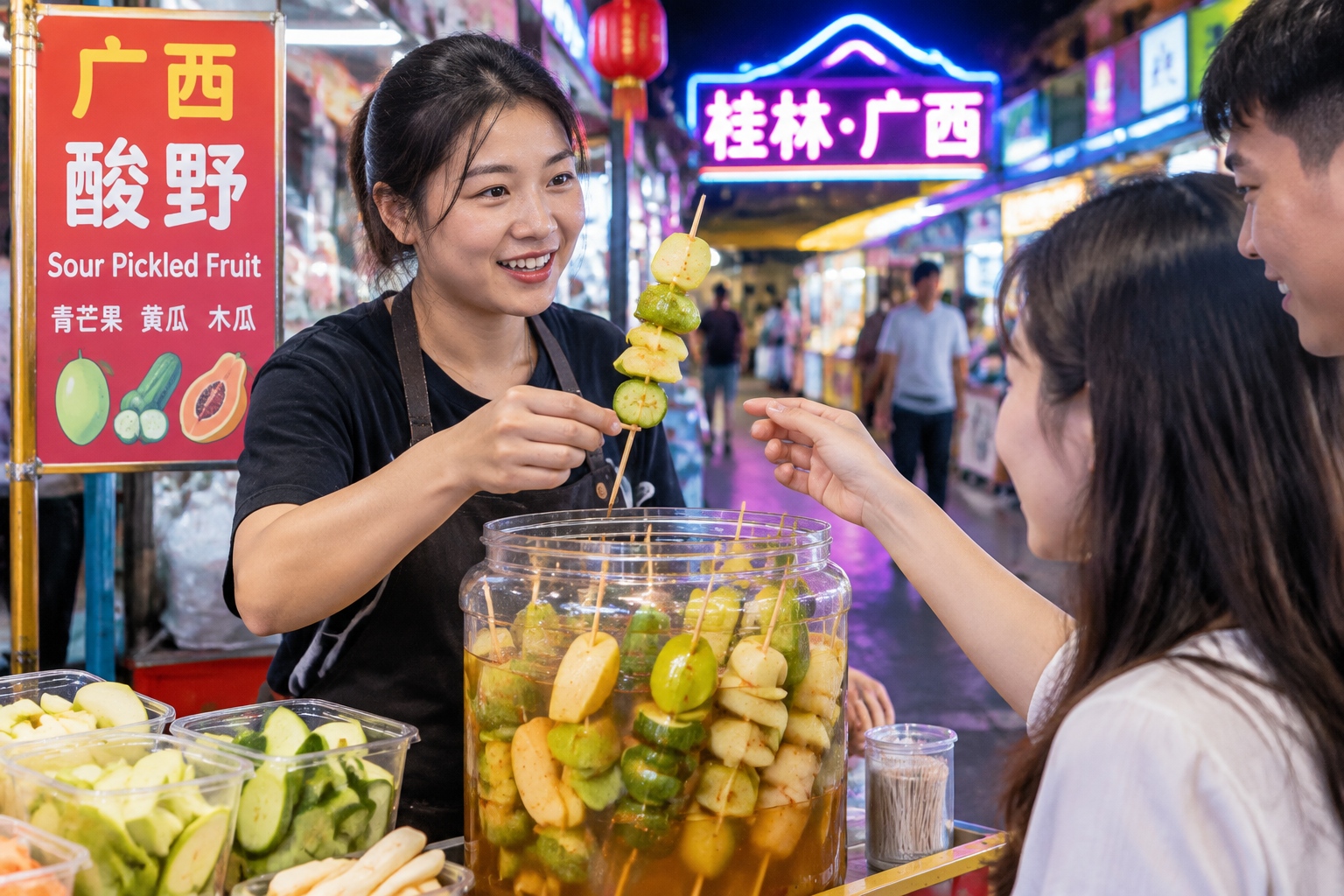
Walk through any Guangxi night market and you’ll see jars of neon-colored fruits soaking in salt, sugar, chili, and vinegar. Green mango, papaya, even cucumber. It’s crunchy, sweet, sour, and spicy – a palate cleanser between heavy meals. Vendors sell them on sticks.
4. Oil Tea (Guilin & Beyond) – Tea Soup with Toppings
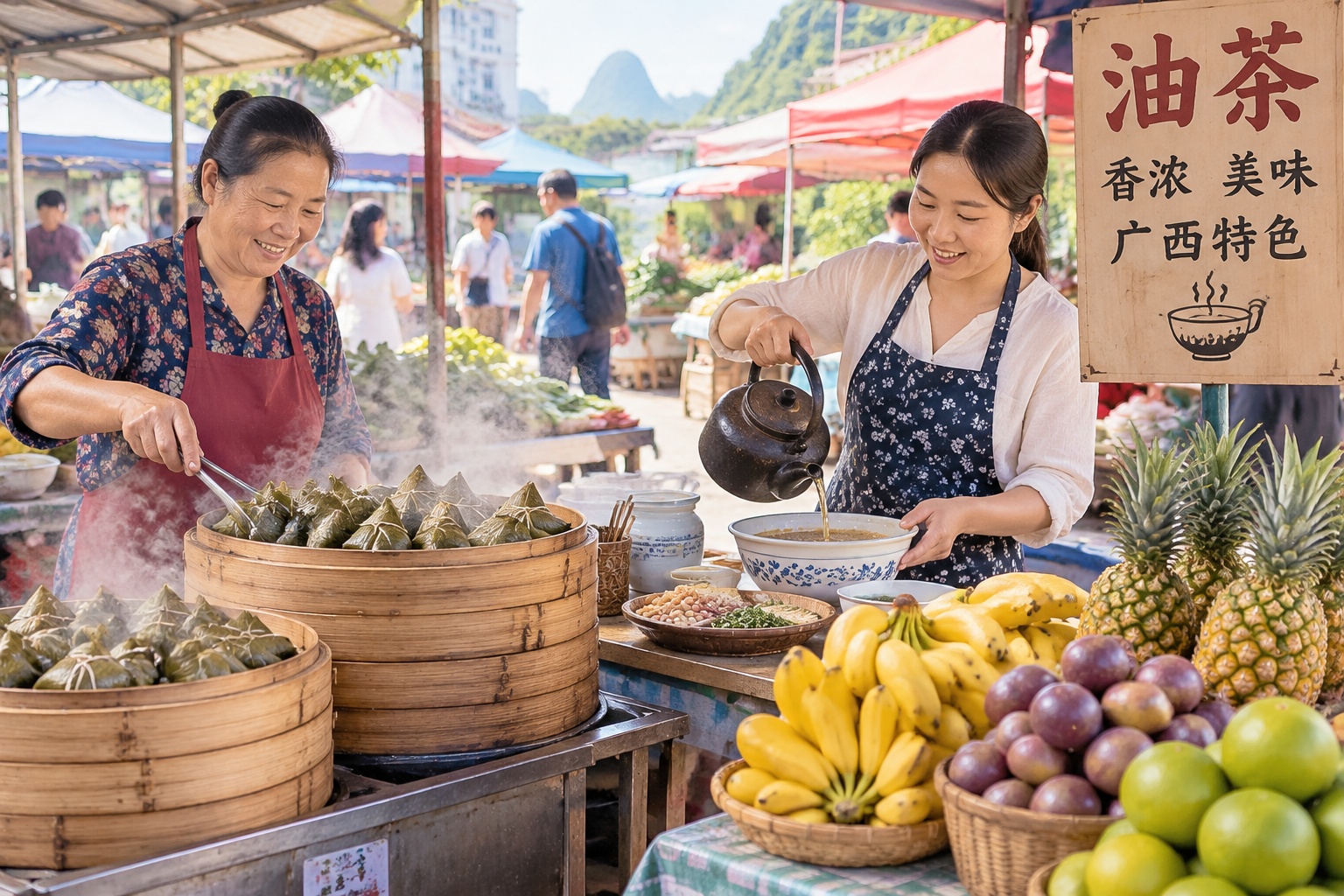
Forget tea bags. Guangxi’s oil tea (youcha) is made by pounding ginger and green tea leaves, then frying them with garlic and lard. Boiling water is added, and you drink it like soup, usually with puffed rice, peanuts, and fried dough sticks. It’s a warming, slightly bitter breakfast in the northern mountains.
5. Stuffed Tofu (Minority Villages) – Pocket Surprise
In Yao and Dong villages, stuffed tofu is a festival food. Soft tofu sheets are wrapped around a filling of minced pork, mushrooms, and sticky rice, then steamed or fried. The texture is soft and the flavor is delicate, often served with a chili dipping sauce.
6. Steamed Chicken with Blood Rice – The Red Feast
Zhuang minority people make a blood rice by mixing glutinous rice with fresh chicken blood and steaming it until dark purple. It’s earthy and rich, served alongside poached chicken. Not for the squeamish, but a true taste of tradition.
7. Grilled Buffalo Hump (Bose) – BBQ Booty
In the city of Bose (also called Baise), street grills offer buffalo hump – a fatty, tender cut that melts in your mouth. It’s seasoned with cumin, chili, and a touch of sugar. Pair it with a cold beer and the humid night air.
8. Seafood Porridge (Beihai) – Ocean Comfort
Beihai, a coastal city on the Gulf of Tonkin, serves a congee (jook) loaded with shrimp, crab, and fish. It’s a favorite among fishermen after a long night at sea. The broth is sweet and the texture silky.
9. Mango with Sour Plum Powder (Bose) – Tropical Twist
Bose is the mango capital of Guangxi. Locals eat green mango slices dipped in a mix of chili powder, salt, and sour plum powder. The result: tart, spicy, and addictive. It’s the perfect summer snack.
10. Thick Rice Noodles (Wuzhou) – Chewy Comfort
Wuzhou’s hefen are wider and thicker than typical rice noodles, served in a clear bone broth with shredded pork and scallions. Simple, but the chewiness is unforgettable.
11. Braised Taro with Pork Belly – Melting Pot
Lipu taro is a local treasure – purple-fleshed, starchy, and fragrant. Braised with layers of pork belly, it absorbs the soy and sugar glaze. Commonly eaten during New Year celebrations.
12. River Snail with Purple Perilla (Hechi) – Herbal Kick
In Hechi, snails are stir-fried with purple perilla leaves, chili, and fermented soybeans. The herb gives it a unique, almost minty freshness. A popular beer snack.
13. Guilin Rice Noodles… Reimagined
Even the iconic dish has variations: dry mixed (banfen) or soup (tangfen), topped with beef brisket, pig’s blood sausage, or fried wontons. Don’t stick to the tourist version – ask a local.
14. Zongzi (Glutinous Rice Dumplings) – Leaf-Wrapped Treasure
Guangxi’s zongzi are often larger than elsewhere, filled with fatty pork and chestnuts. They’re boiled for hours until the rice becomes sticky and dense. Sold at train stations everywhere.
15. Pickled Bamboo Shoots – The Sour Foundation
Fermented bamboo shoots (suan sun) are the backbone of many Guangxi dishes. They’re sour, crunchy, and funky. You can buy them in jars at any market.
16. Ginger Steamed Fish – Hot and Fresh
Freshwater fish from the Li River are steamed with ginger, scallions, and chili. The flesh is tender, the broth is clean. A healthy contrast to the heavy frying.
17. Sweet Potato Leaves – Green Love
Stir-fried with garlic and fermented bean curd, sweet potato leaves (hongshu ye) are a common side dish. They’re slightly slimy but nutritious, loved by locals.
18. Rice Wine with Osmanthus – Gentle Buzz
Guilin is known for its osmanthus flowers. Local rice wine is infused with them, creating a sweet, fragrant drink. Served cold, it’s a great digestive.
19. Grilled Oysters (Beihai) – Night Market Royalty
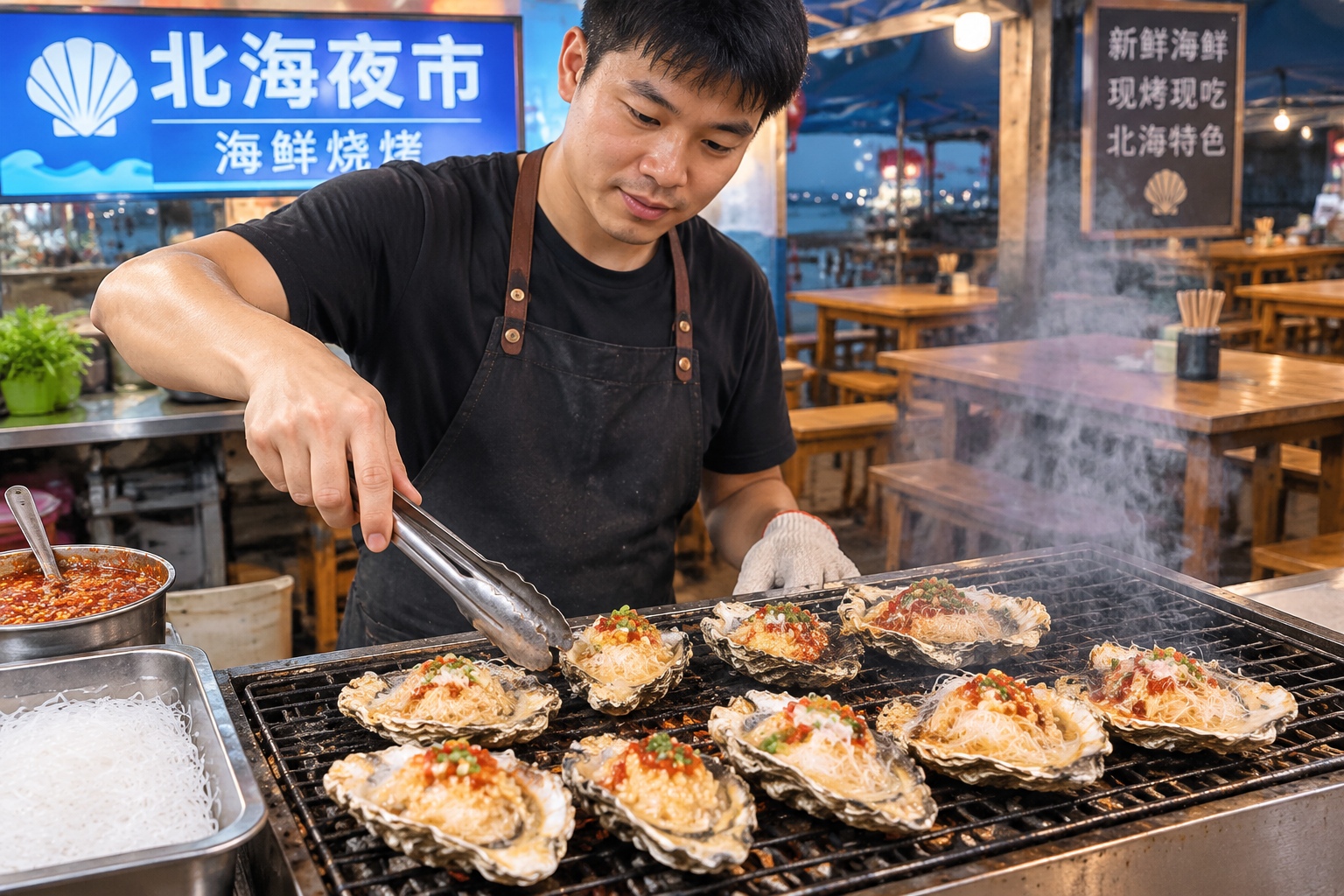
Fresh oysters grilled on the shell with garlic, chili, and vermicelli. A must-try in Beihai’s night bazaars. Juicy, smoky, and cheap.
20. Seven-Herb Porridge (Guilin) – Medicinal Warmth
A porridge made with seven local herbs, believed to cool the body in summer. Lightly bitter but refreshing.
21. Fried Milk (Nanning) – Dessert Surprise
Milk is thickened, chilled, then battered and deep-fried. Crispy on the outside, creamy inside. Drizzled with sweetened condensed milk.
22. Bamboo Rice (Minority Regions) – Aromatherapy
Sticky rice stuffed into bamboo tubes, roasted over fire. The bamboo imparts a floral aroma. Often stuffed with pork or mushrooms.
23. Dog Meat (Yulin) – Controversial Tradition
Yulin’s dog meat festival is controversial, but dog meat is eaten year-round in some towns. It’s considered warming in winter. We mention it for completeness, but many young locals no longer eat it.
24. Stir-Fried Wild Greens – Foraged Flavors
In spring and summer, villagers pick edible wild plants like “horse tooth amaranth” and stir-fry them with garlic. Bitter, earthy, and nutritious.
25. Plum Wine (Zhuang Regions) – Sweet Trap
Green plums are steeped in sugar and liquor for months. The resulting wine is sweet, sour, and dangerously easy to drink.
26. Pig Trotter with Brown Sugar – Sticky Sweet
Braised pig trotters in brown sugar, soy sauce, and star anise until the skin turns gelatinous. Served over rice – pure comfort.
27. Bean Sprouts with Dried Tofu – Crunchy Side
A simple stir-fry that appears on every dinner table. Fresh bean sprouts are tossed with dried tofu strips and chili.
28. Steamed Spare Ribs with Taro – Cantonese Influence
In southern Guangxi close to Guangdong, dim-sum style steamed ribs with taro are popular. The taro soaks up the garlicky sauce.
29. Roast Duck with Plum Sauce – Crisp Skin
Guangxi’s roast duck is similar to Cantonese but often served with a tangy plum sauce made from local sour plums. The skin is shatteringly crispy.
30. The Fried Rice of a Thousand Islands – Mixed Minority Heritage
Fried rice in Guangxi can include sausage, salted fish, pineapple, and even dried shrimp – reflecting the influence of multiple ethnic groups.
How to Eat Like a Local
Don’t just go to the fanciest restaurant. Hit the morning market: order a steaming bowl of noodles, watch old men play chess, listen to the vendors yell. Try everything at least once. Use your hands if needed. And always ask for extra chili if you can handle the heat.
Guangxi is a food universe. Guilin rice noodles are just the entrance.
Start the discussion at forum.chinacomes.com