
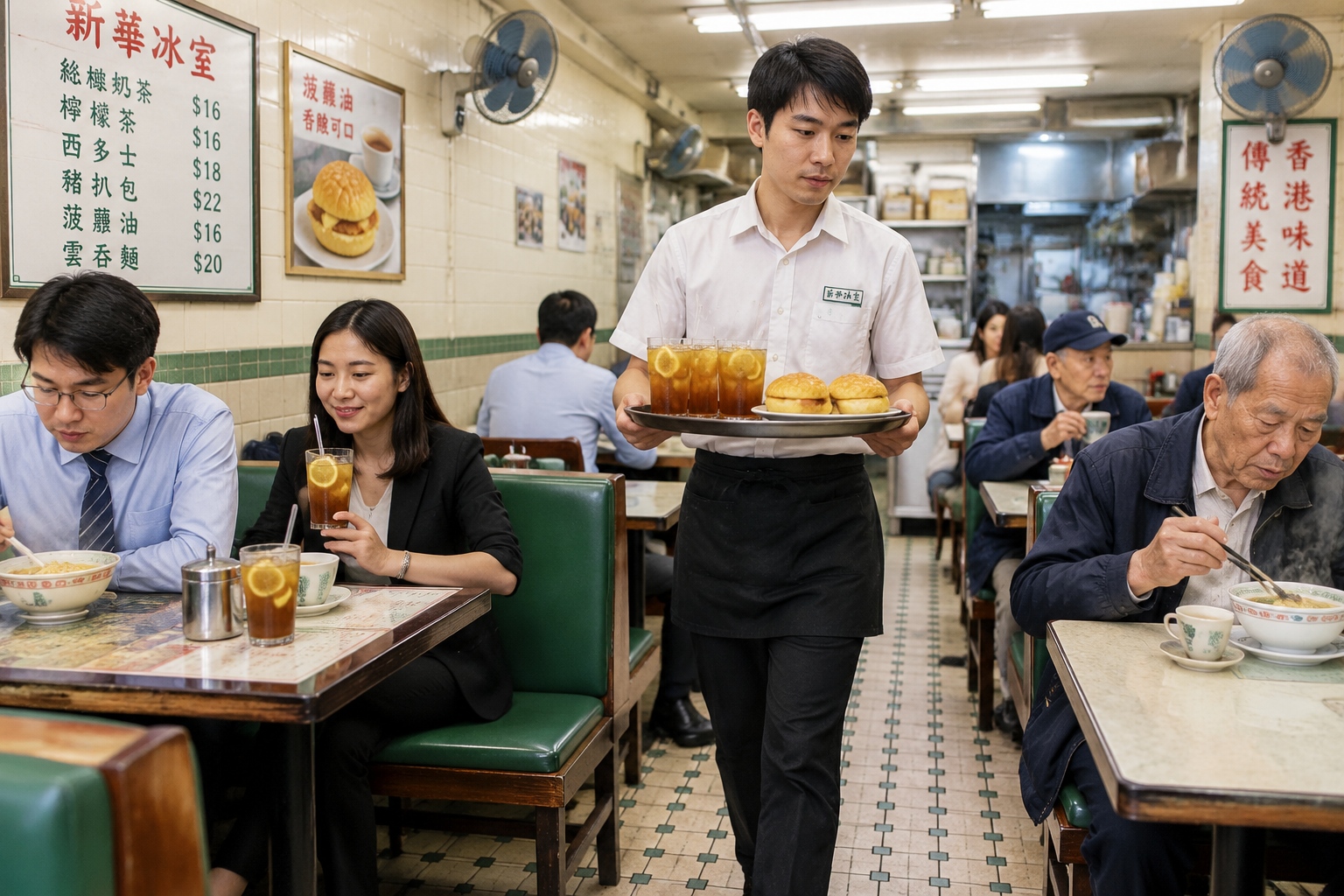

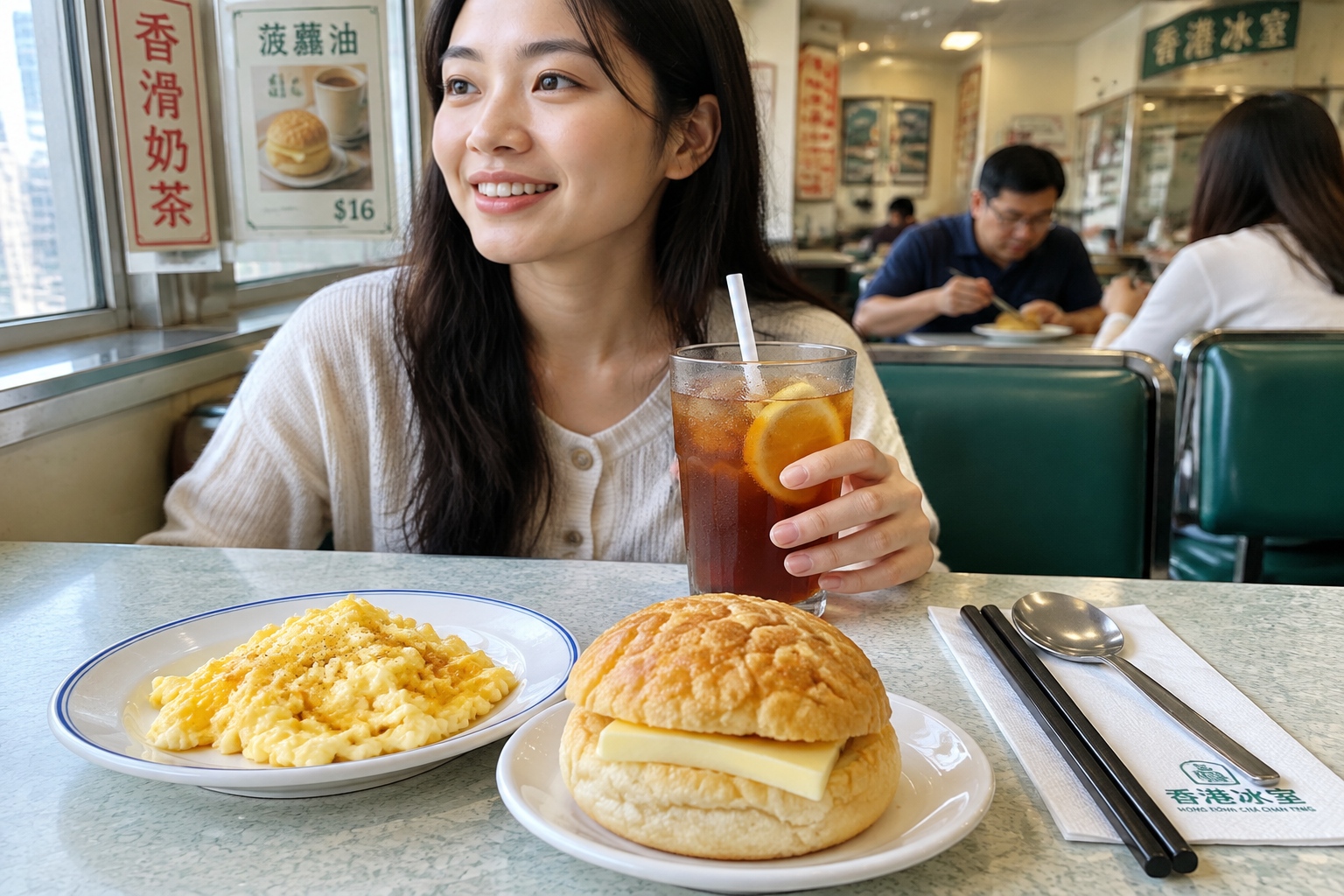
Morning Ritual: Breakfast Set A and Iced Lemon Tea
It’s 7:45 AM in Wan Chai. The cha chaan teng on Lockhart Road is already full—taxi drivers, office workers, and a few elderly men reading newspapers. The air smells of toasted bread, condensed milk, and strong coffee. I slide into a shared booth and order Breakfast Set A without looking at the menu: scrambled eggs, a buttered pineapple bun, and a glass of iced lemon tea. The tea arrives first, condensation dripping down the glass. The first sip is bitter, then sweet, then sharp with lemon. This is not just a drink; it’s a morning anchor for thousands of Hong Kongers.
Cha chaan tengs—literally ‘tea restaurants’—emerged in the 1950s as affordable places for working-class families. Today, they remain one of the few spaces where a CEO and a construction worker might sit elbow-to-elbow. The menus are long, laminated, and stained with years of use. The service is fast, sometimes gruff, but never impersonal. You learn to order quickly, finish quickly, and leave quickly—but for those twenty minutes, you belong.
The Ding Ding Tram: A Slow Ride Through the City’s Spine
After breakfast, I walk to Johnston Road and wait for the tram. The ‘ding ding’ sound arrives before the vehicle itself—a gentle, old-fashioned bell that cuts through traffic noise. I board at the back, climb the narrow winding stairs to the upper deck, and find a window seat. The tram lurches forward, and Hong Kong begins to unspool at a walking pace.
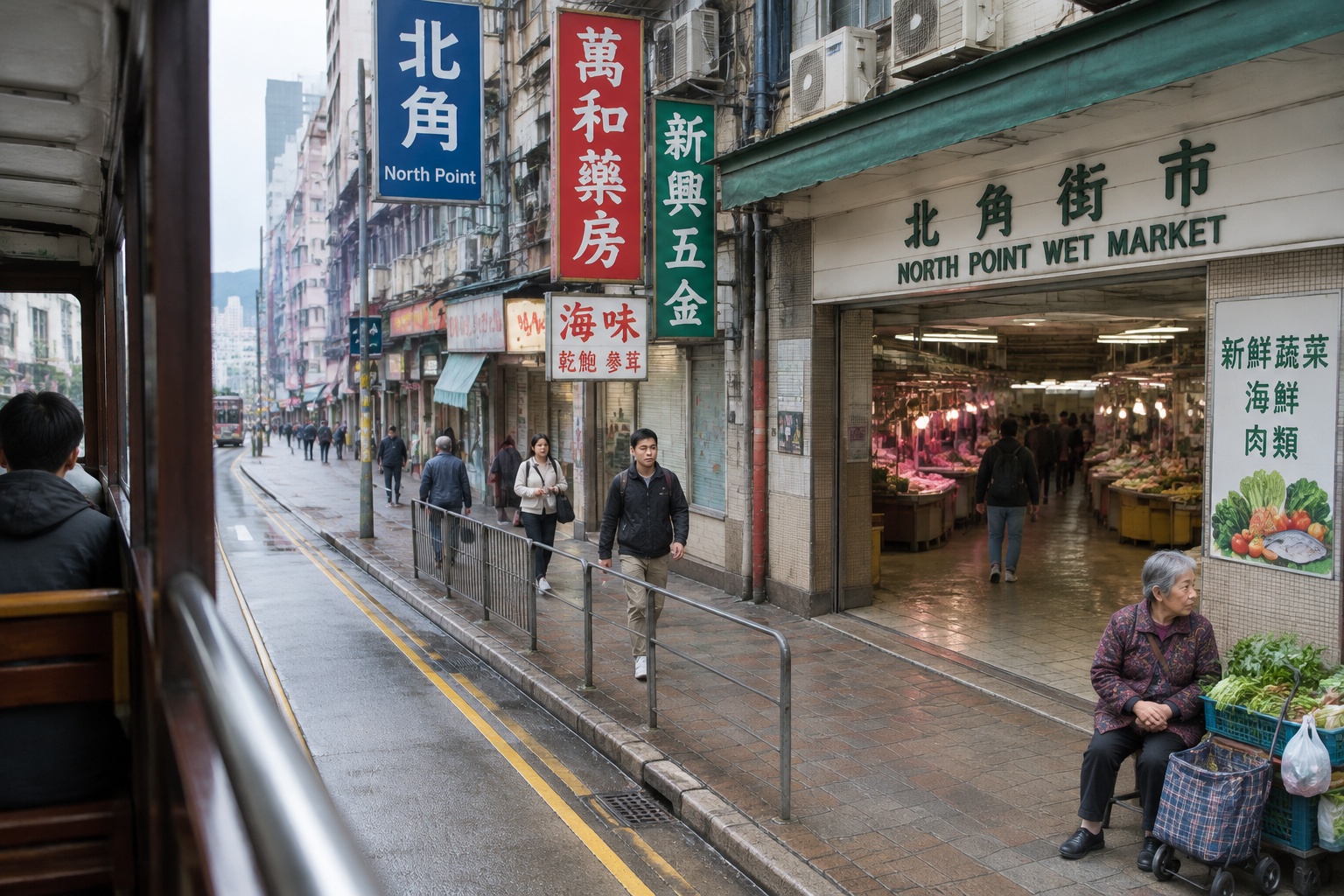
We pass through Wan Chai’s market streets, where vendors sell dried seafood and paper offerings for ancestor worship. Then North Point, where the buildings grow taller and the signs—dental clinics, mahjong parlours, noodle shops—stack vertically like a game of Tetris. An elderly woman sits beside me with a trolley of vegetables. A teenager scrolls TikTok. A tourist takes photos of everything. The tram costs HK$3 (about 40 US cents) regardless of distance. It is the cheapest sightseeing in the world, and it is not designed for tourists at all.
Wet Markets and Dai Pai Dongs: The City’s Beating Heart
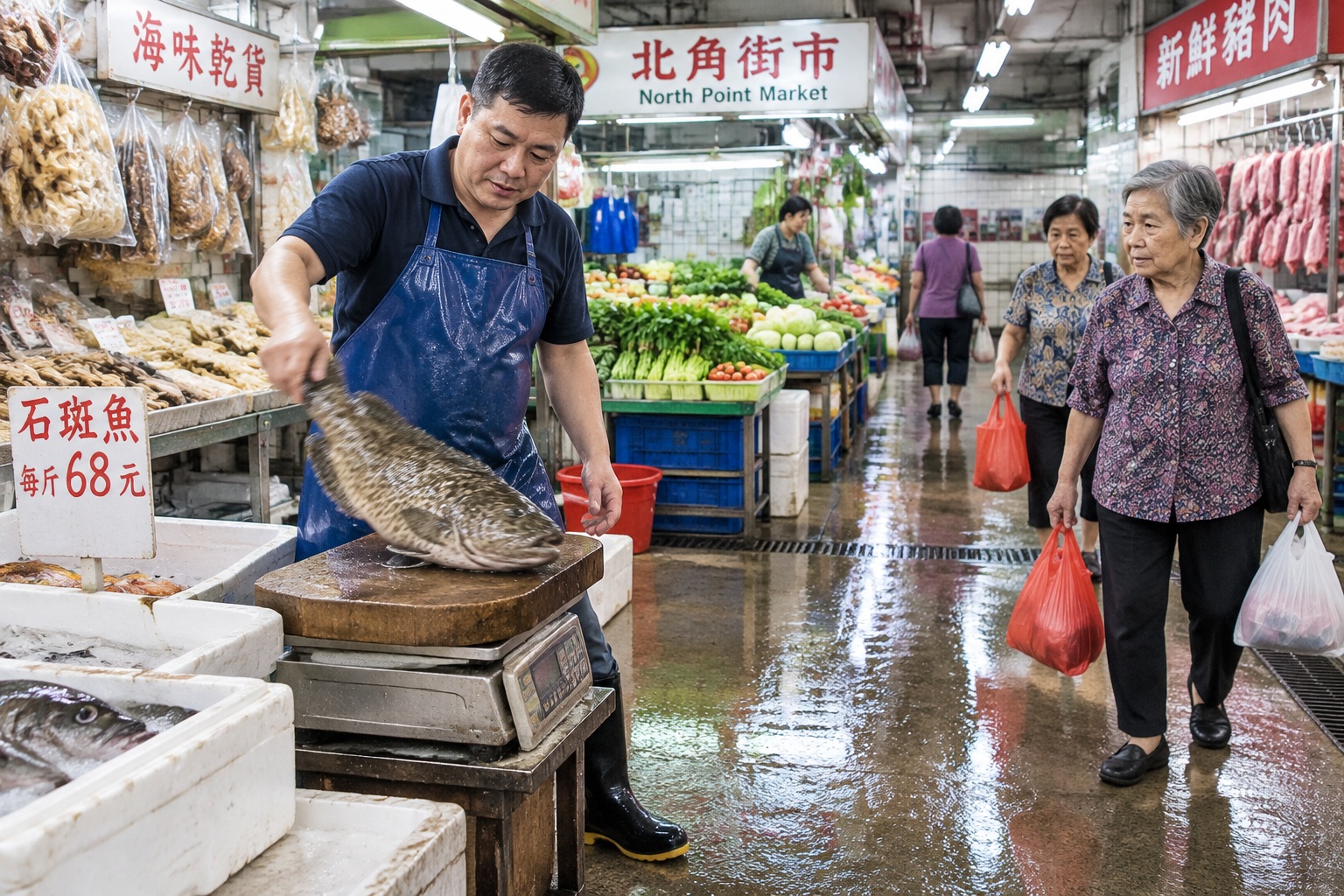
I get off at North Point and walk into the Chun Yeung Street Market. The ground is wet—always wet—from melted ice and rinsed vegetables. Butchers chop pork on wooden blocks. Fishmongers slap fresh groupers onto scales. The smell is intense: salty, metallic, alive. Vendors call out prices in Cantonese, and customers bargain with a practiced rhythm. Nobody is in a hurry, yet everything moves fast.
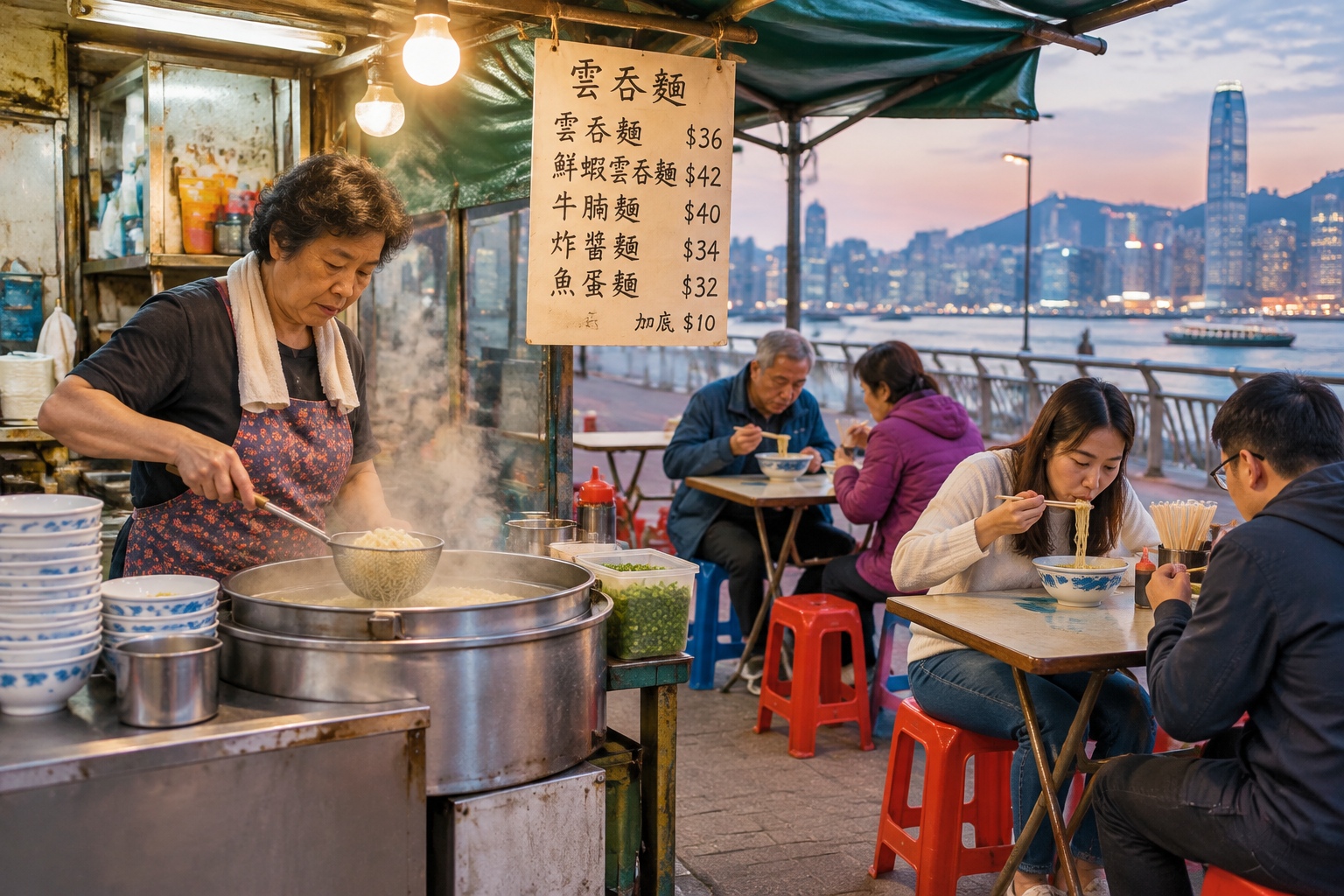
Just around the corner, a dai pai dong—an open-air street stall—serves bowls of wonton noodles for HK$35. I sit on a plastic stool, and the broth is so hot it fogs my glasses. The owner, a woman in her sixties, has been here for thirty years. She tells me her rent has tripled, but she won’t leave. ‘This is my street,’ she says. ‘Where else would I go?’
Commutes and Weekends: Ordinary Lives in Motion
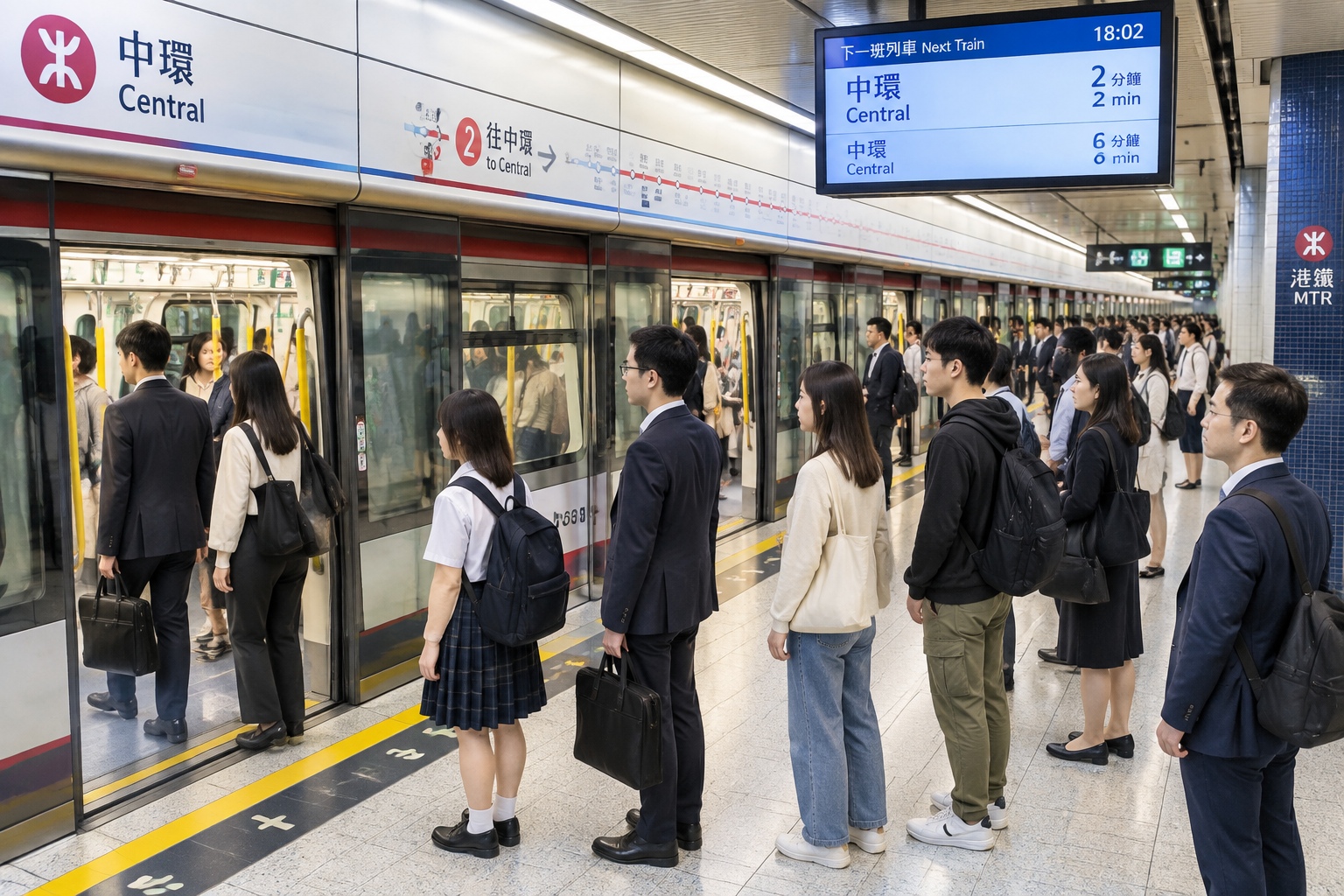
By 6 PM, the MTR is a river of people. Office workers in suits, students in uniforms, domestic helpers carrying groceries. Everyone wears masks—not because of rules, but because it’s habit now. The train arrives every two minutes. The doors open. People pour out, others pour in. No pushing, no shouting. Just a silent, collective understanding of how to move together.
On weekends, the city shifts. Families gather in Victoria Park for picnics. Young people queue for bubble tea in Mong Kok. Elderly men play chess on folded tables under flyovers. The city is dense, loud, and sometimes overwhelming—but it is also deeply communal. You are never truly alone here, even when you want to be.
What Visitors Often Miss
Hong Kong is not just skyline and shopping. It is the cha chaan teng waitress who remembers your order after one visit. It is the tram driver who waits an extra second for a running passenger. It is the wet market auntie who slips an extra spring onion into your bag. These small gestures are the city’s true infrastructure.
If you come, skip the guided tours. Ride the tram from Sheung Wan to Shau Kei Wan. Eat breakfast at a local cha chaan teng. Walk through a wet market, even if you buy nothing. The city will not perform for you—but if you pay attention, it will reveal itself.
Practical Notes
Getting around: The tram costs HK$3; pay with Octopus card or exact change. The MTR is faster but less scenic. Best time: October to December, when humidity drops. Where to eat: Look for cha chaan tengs with plastic stools and laminated menus—they’re usually the best. Etiquette: Don’t linger too long during peak hours. Share tables. Say ‘m goi’ (thank you) when you leave.
Start the discussion at forum.chinacomes.com