

A Livestream on a Misty Mountain
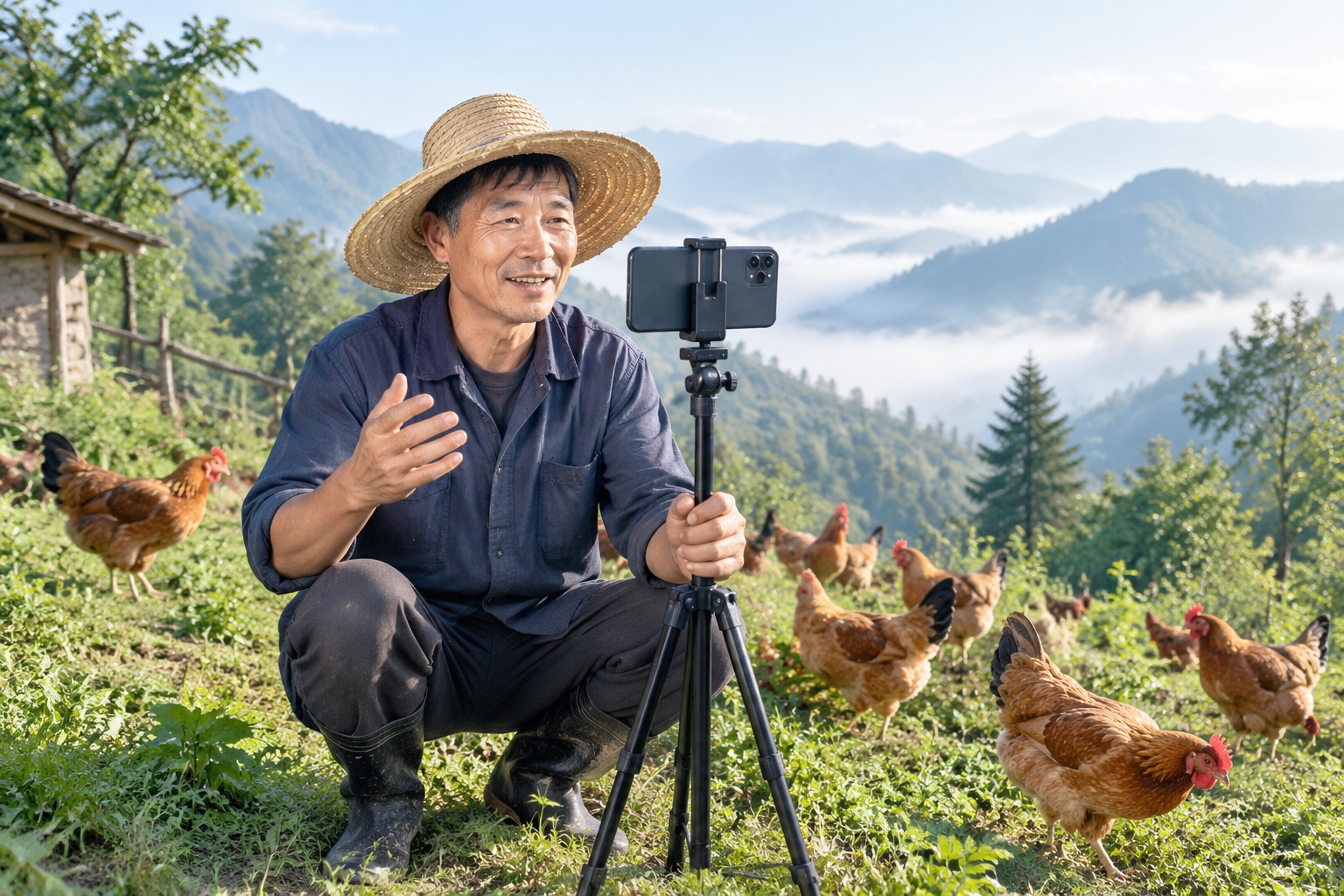
At 6:30 a.m., in the misty hills of the Dabie Mountains in Anhui Province, a 48-year-old farmer named Li Guoping opens his phone to start a livestream. He points the camera at a flock of chickens scrambling up a rocky slope. “Good morning, friends! These birds have been running on this mountain since dawn,” he says. By the time the sun fully rises, he has received orders for more than 80 chickens.
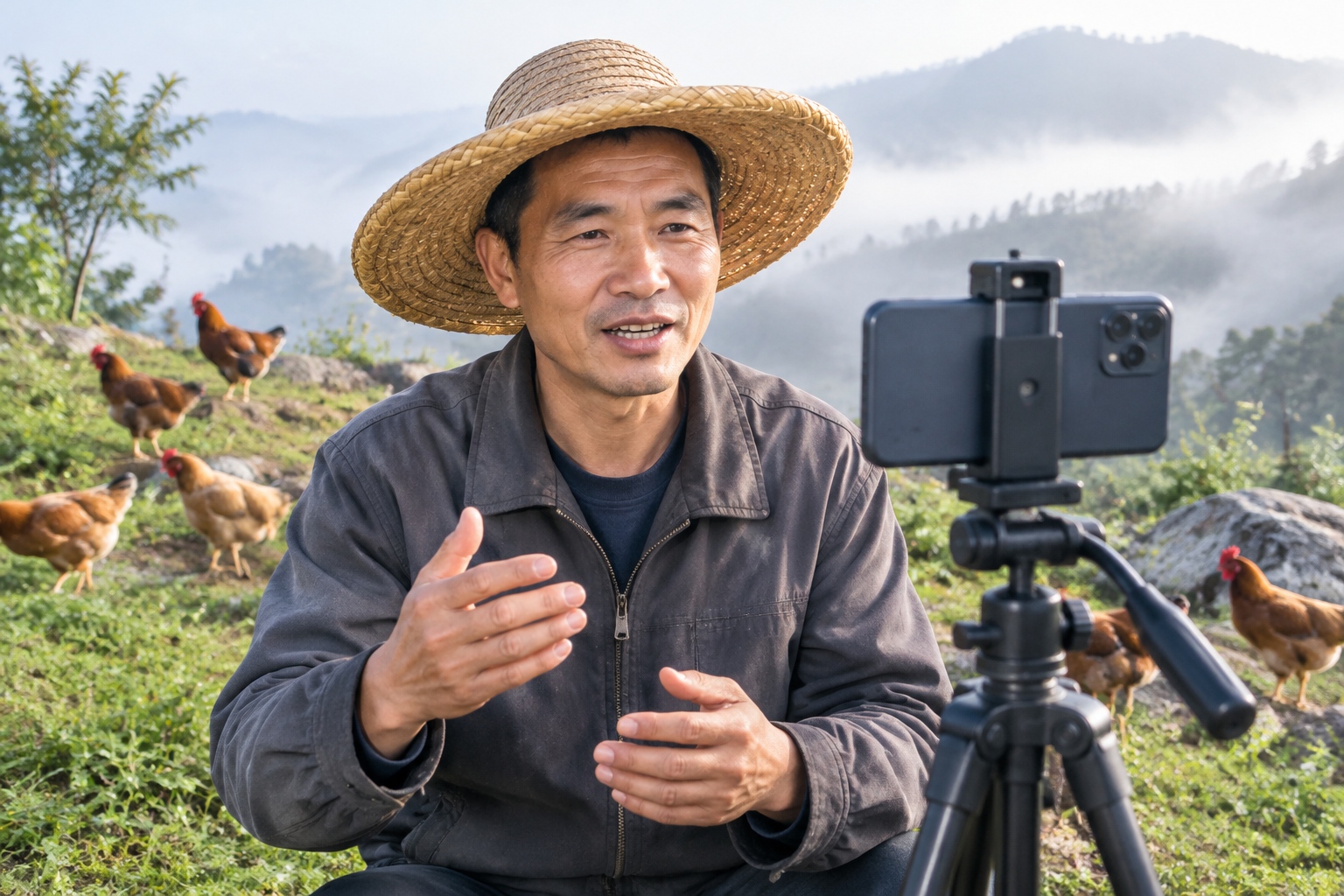
This is not a scene from a futuristic tech documentary. It’s an increasingly common sight in rural China, where small farmers are using live video to sell directly to consumers. In the past, farmers like Li usually sold their chickens through middlemen who set the price and took a big cut. Now, with a smartphone and a bit of practice, they can present their own story to thousands of potential buyers.
What Makes a “Running Chicken” Special?
In Chinese, the chickens are called “pao shan ji” (跑山鸡), which literally means “mountain-running chicken.” Unlike birds raised in crowded indoor sheds, these chickens spend their days outdoors, pecking at grass, insects, and grain. They move constantly, which gives their meat a firmer texture and a deeper, richer flavor compared to factory-raised birds. Many Chinese consumers believe that free-range meat is healthier and tastier, and they are willing to pay a premium for it.
But the term “free-range” can be ambiguous. For buyers, the key question is: how do you know the chicken really ran on a mountain? This is where livestreaming comes in. It offers real-time proof. When you watch a bird darting through bushes on a phone screen, you can see exactly where it lives. That transparency builds trust.
How Live Selling Reaches Customers
Livestream e-commerce works like a mix of a TV home-shopping show and a video call. A farmer (or a host) goes live on a platform such as Taobao Live, Douyin (the Chinese version of TikTok), or Kuaishou. Viewers can ask questions in real time, and the host can show the product from every angle. On the screen, a small shopping cart link allows viewers to place an order without leaving the app.
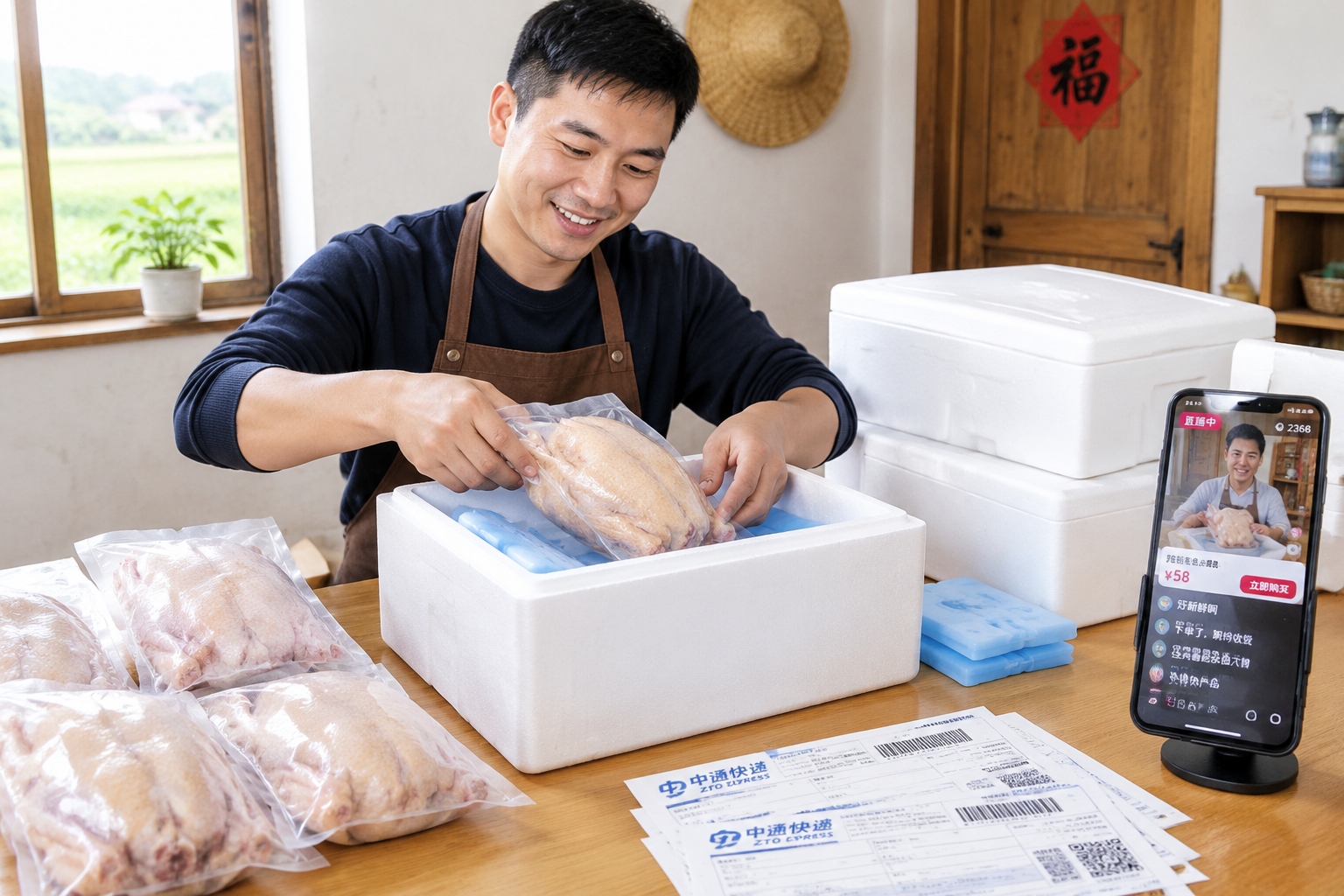
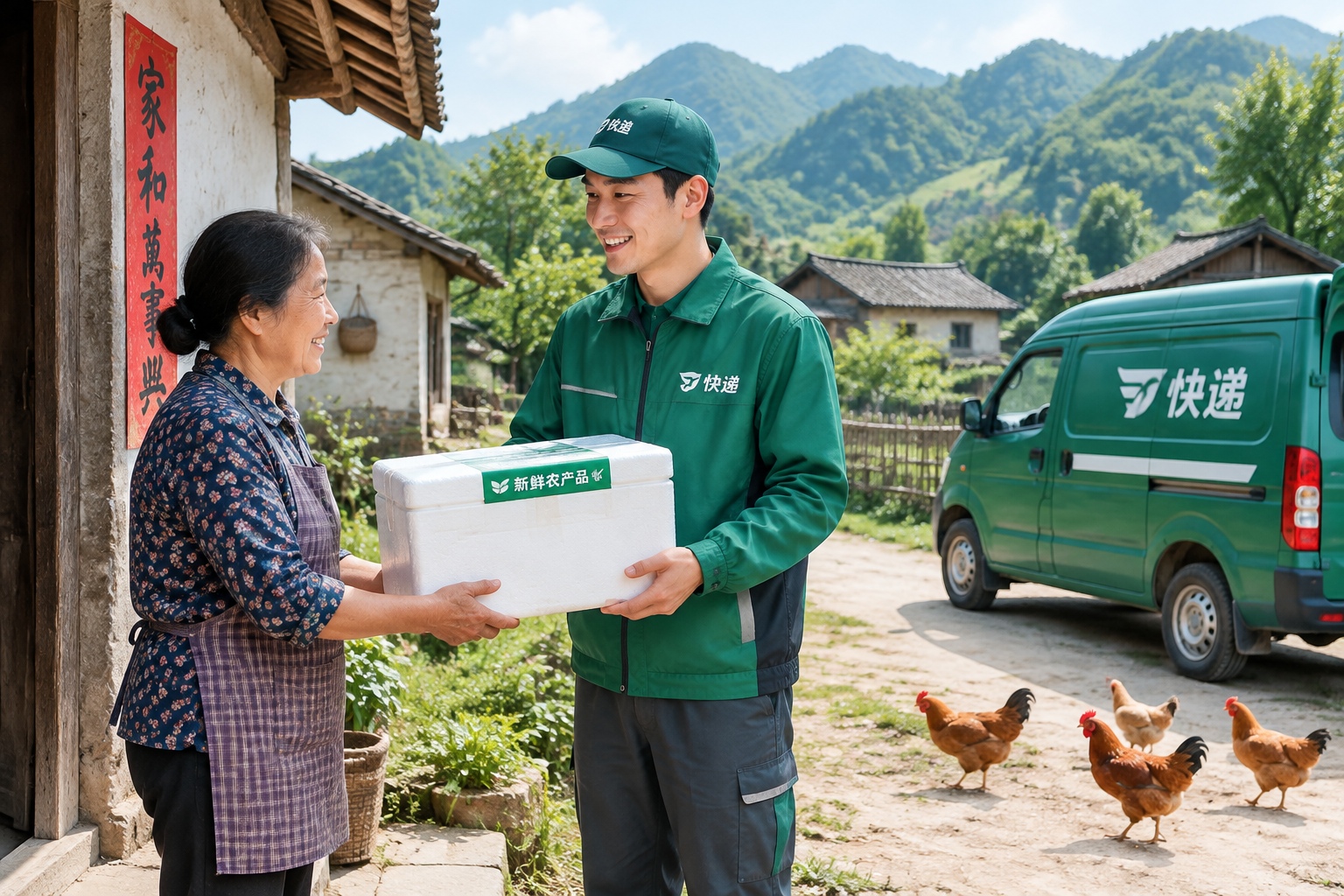
For a product like a live chicken, the flow is simple. The customer orders online, pays, and then the farmer slaughters and cleans the bird (or sends it live, depending on the region and logistics). The chicken is packed with ice packs in an insulated foam box and shipped via express delivery. In China, the network of rural logistics has improved so much that in many areas, packages arrive within one to three days.
The process is fast. Some farmers say that during peak seasons, their live streams can generate several thousand yuan per hour. For a small farm that raises a few thousand birds a year, this can mean a substantial income.
Why This Model Works for Small Farmers
The biggest change is that farmers can bypass middlemen. In the traditional supply chain, a farmer might get 20 yuan ($2.80) for a chicken that later sells for 50 yuan in a city supermarket. With livestreaming, the farmer can charge close to the final market price, keeping the margin for themselves. For Li Guoping, this means his family’s income has increased by roughly 40% since he started broadcasting two years ago.
Livestreaming also lowers the barrier for marketing. You don’t need to rent a shop or buy advertising. The most important asset is a convincing story. Farmers who can talk naturally about their daily life and explain why their chickens are special often do better than slick, professional hosts. Viewers are looking for authenticity.
Another advantage is community building. Regular buyers become familiar with the farmer’s face and the farm’s landscape. They return for more purchases and even tell their friends. Some farmers in Anhui have built a dedicated fan base known as “chicken friends” (鸡友), who tune in every morning just to watch the birds run.
Real Challenges: Logistics, Trust, and Competition
It’s not all easy. The biggest hurdle is logistics. Free-range chickens are live animals. If you sell them alive, shipping becomes complicated. Many regions have regulations about transporting live poultry. In practice, most farmers sell slaughtered and frozen or chilled chickens. That requires access to a processing facility, which might not exist in a remote village. Some farmers invest in a small slaughterhouse themselves, but that takes money and skill.
Cold-chain shipping is another issue. Ice packs and foam boxes add cost. For a single order, the packaging might cost 10 yuan or more. For cheap products, this can eat into the profit. Farmers often need to price their chickens high enough to cover these costs, which makes them less competitive against cheaper, factory-raised birds.
Trust is also fragile. One bad experience can ruin a farmer’s reputation. If a chicken arrives damaged or is not as fresh as expected, the customer may leave a negative review, which hurts the once-good streaming account. Many farmers spend months building up their online credibility, and they rely on strong after-sales service to maintain it.
Competition is growing. As more farmers jump into live selling, standing out becomes harder. Some viewers are tired of the same old stories. Differentiation requires creativity, such as showing the unique landscape, telling stories about the chickens’ diet, or offering special services like custom slaughter and packing.
Tips for Farmers Thinking About Trying It
If you are a small farmer in China (or anywhere in the world) and want to try live selling, here are some practical lessons from Anhui’s chicken farmers.
Start with the Right Platform
Each app has a different audience. Douyin and Kuaishou are great for short videos and live broadcasts, while Taobao Live is more focused on shopping. Some farmers start by posting short videos to build an audience, then announce a live session to sell.
Invest in a Decent Phone and Tripod
A stable image and clear sound make a big difference. You don’t need professional cameras; a mid-range smartphone is enough.
Show Everything
Don’t just point the camera at the chickens. Show the feed they eat, the water source, the space they have. Walk through the farm and explain why this breed is good. Transparency is your biggest advantage.
Be Consistent
Regular broadcasting at a fixed time helps you build an audience. Many farmers stream every morning or evening, so viewers know when to tune in.
Handle Orders and Logistics Carefully
Before you start, figure out how you will process and ship the product. Test a few packages to make sure they arrive safely. Work with local couriers to negotiate better rates.
Prepare for Customer Service
Have a plan for dealing with complaints. Answer messages quickly and be willing to offer refunds or replacements. A small loss can save your reputation.
Tap into Local Support
Many county governments in China have programs to support e-commerce for farmers. They may offer free training, subsidies for equipment, or help with logistics. Look for these resources.
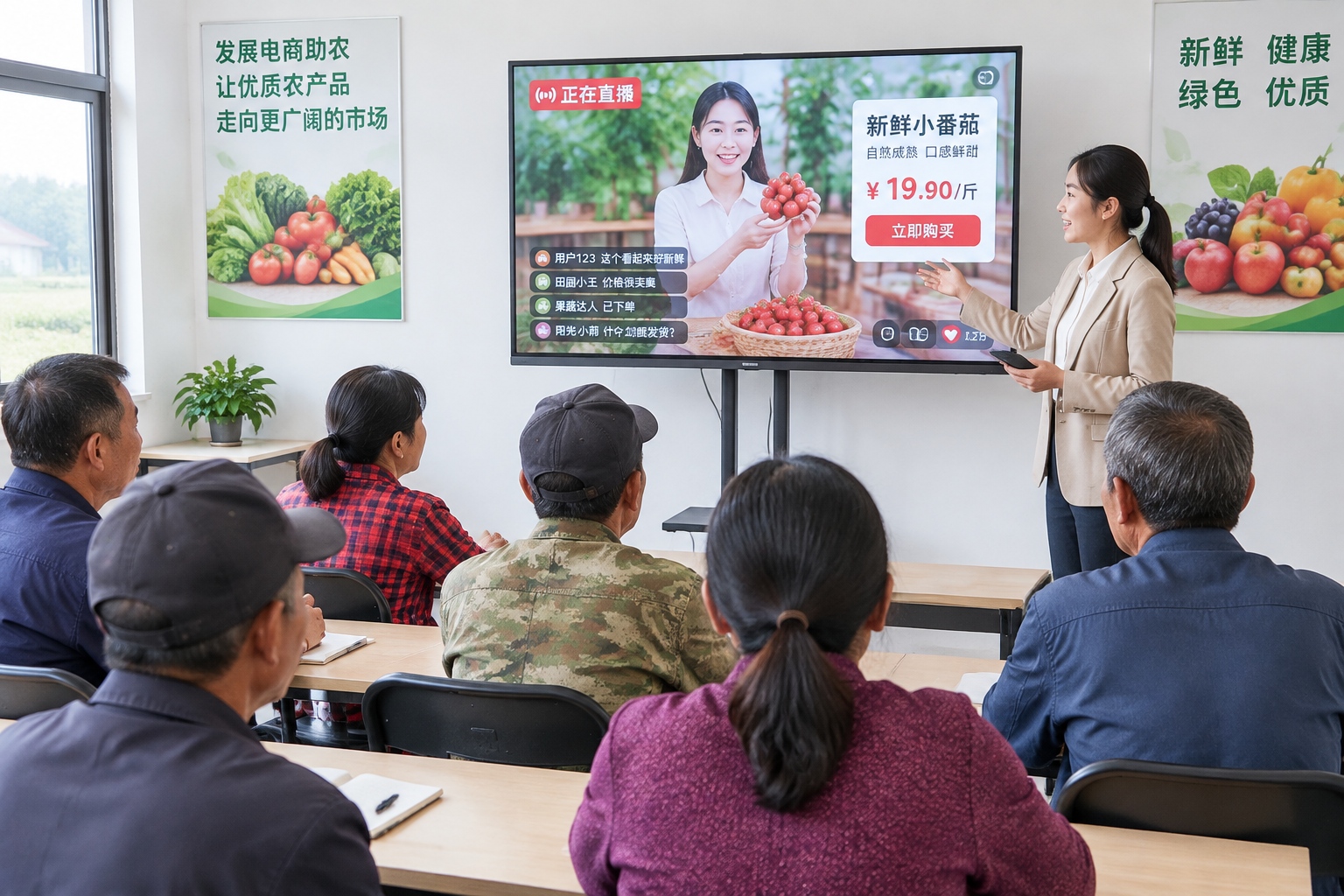
Beyond Anhui: A Larger Rural E-Commerce Movement
Li Guoping is just one of millions of farmers in China who are using livestreams to sell their products. According to the Ministry of Agriculture, rural e-commerce sales exceeded 2 trillion yuan (about $280 billion) in 2022. Livestreaming has become a key tool in China’s “rural revitalization” strategy, which aims to boost incomes in the countryside.
Platforms like Douyin and Taobao have launched special programs to support rural sellers. They offer training, traffic subsidies, and even help with product packaging. Some local governments have set up dedicated “live e-commerce incubators” where farmers can try out the technology with guidance.
But the trend is not limited to food. Farmers also sell flowers, handmade crafts, and cultural experiences through live streams. A mountain village in Anhui might not have a big factory, but it has clean air, clear water, and a way of life that urban buyers find appealing. That is, in a way, a different kind of tourism.
Conclusion
For small farmers in Anhui and beyond, livestream e-commerce is not a magic bullet, but it is a powerful new tool. It hands them a microphone and a camera, letting them tell their own story and connect directly with the people who eat their food. The challenges are real, but so are the opportunities. A farmer can go from a quiet mountain path to a national audience just with a smartphone and a clear morning.
As Li Guoping says, “The chicken runs up the mountain, and I run the livestream. We are both working hard.”
Start the discussion at forum.chinacomes.com