

Yiwu Night Market: Where the World Bargains in Chinese
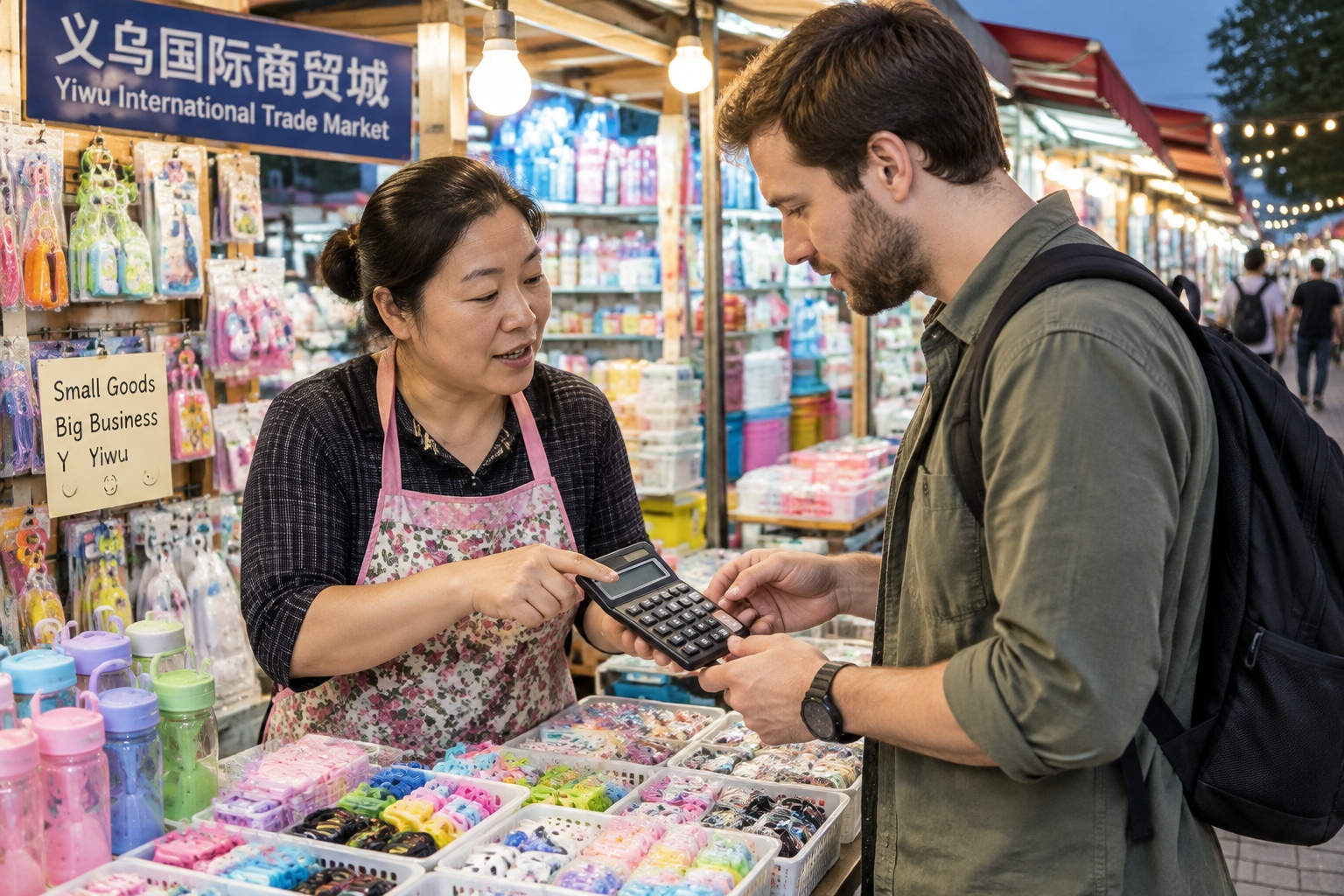
At 8:30 PM, the air in Yiwu’s San Ting Night Market is thick with the smell of grilled squid and diesel from parked scooters. A Somali trader named Ahmed holds up a string of LED fairy lights, squinting at the solder points. “Three yuan? No, two-eight,” he says in broken Mandarin to the vendor, a woman in her fifties wearing a floral apron. She laughs, grabs a calculator, and types 2.5. Ahmed shakes his head, types 2.2. They settle at 2.4. The whole exchange takes forty seconds.
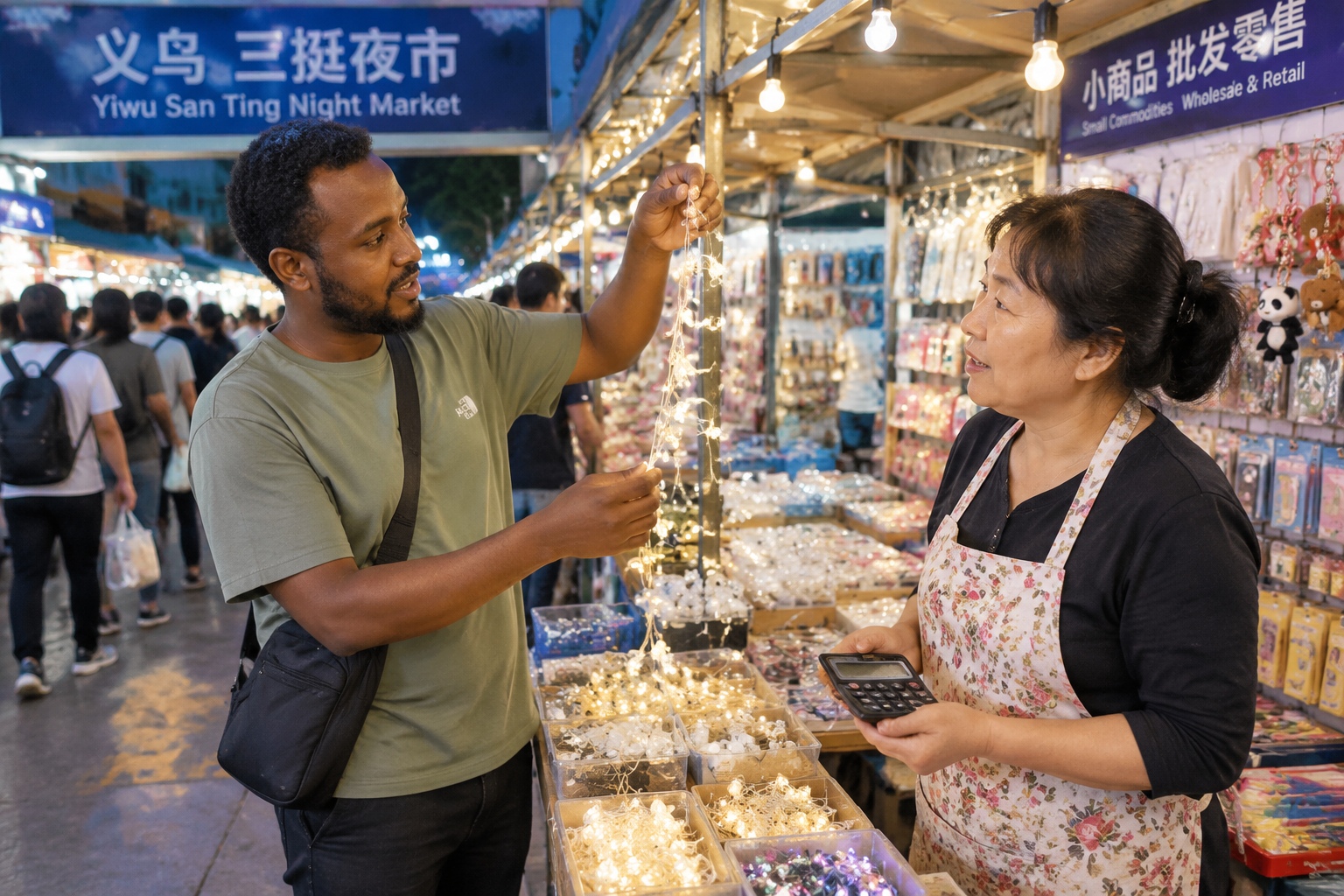
This is the unglamorous engine room of global trade. Yiwu, a city of 1.9 million in central Zhejiang, hosts over 15,000 foreign residents from more than 100 countries. Many come for the night markets, where wholesale prices are negotiable and small orders—the kind that fit in a suitcase—are welcome. The vendors here don’t speak English; they speak the language of margins. A plastic hair clip costs 0.3 yuan to make and sells for 0.5. Multiply by ten thousand, and you have a living.
By 10 PM, the crowd thickens. A group of Egyptian buyers crowds around a stall selling phone cases. The vendor, a young man named Chen, uses a translation app to explain a new matte finish. “This one, scratch-proof,” the app says in robotic Arabic. The Egyptians nod, pull out a wad of yuan, and count out 4,000. Chen doesn’t smile until they leave. “Every night is a negotiation,” he says later. “You learn to read faces, not words.”
Wenzhou at 6 AM: The Family Factory Wakes Up
Four hours north, in Wenzhou’s Ouhai District, the sun hasn’t risen yet. But in a three-story concrete house that doubles as a factory, the lights are on. Lin Guohua, 52, is already at the workbench, sorting tiny metal springs into plastic trays. His wife, Zhang Mei, is boiling water for instant noodles. Their son, Lin Wei, 26, is checking overnight orders on a laptop.
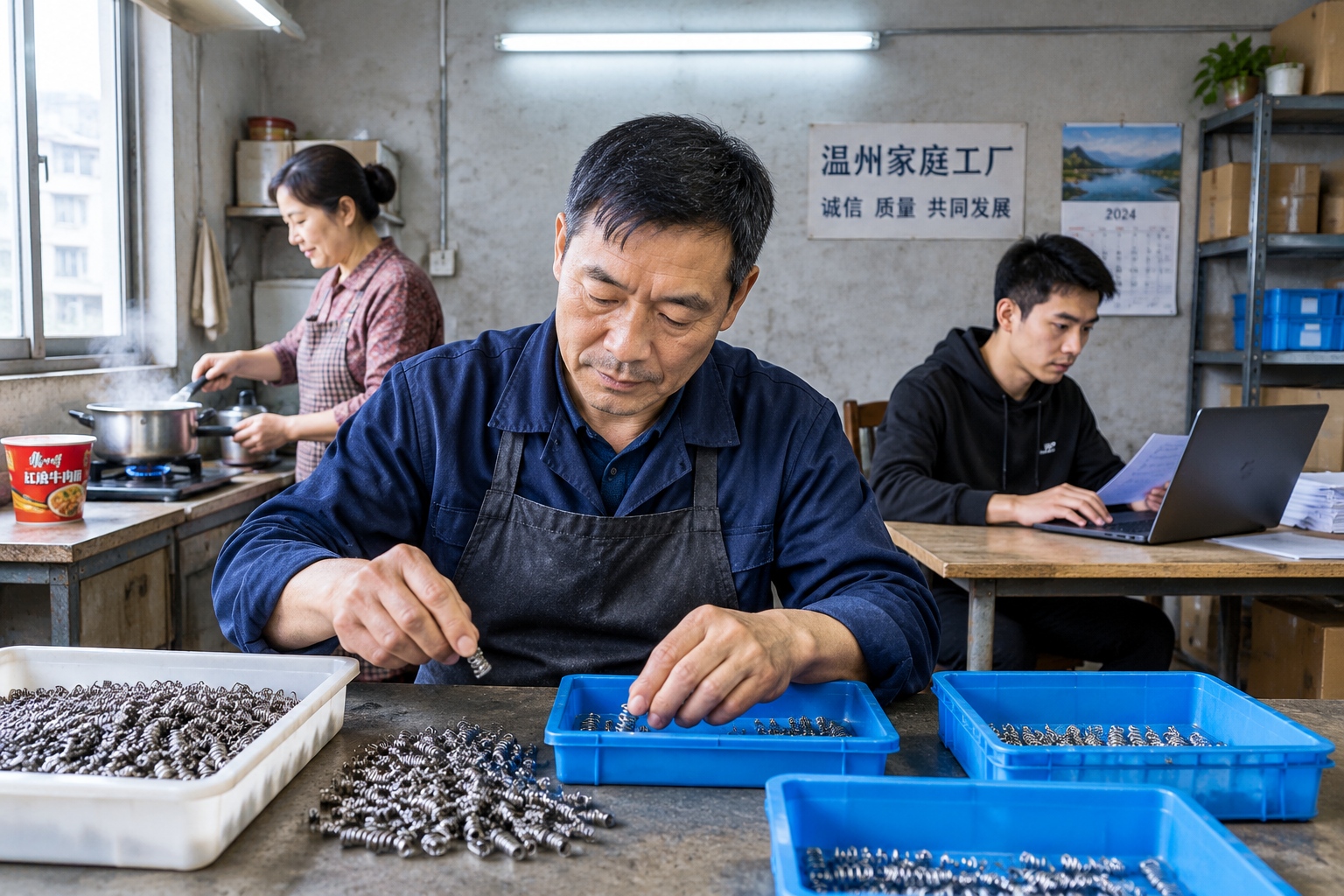
This is a typical Wenzhou family factory: the ground floor is production, the second floor is storage, the third floor is home. They make cigarette lighters—the cheap, refillable kind sold in convenience stores across Africa and Southeast Asia. Last month, they shipped 200,000 units. “Not bad,” Lin Guohua says, “but the profit is thin. Maybe 0.1 yuan per lighter.”
By 7 AM, three workers have arrived. They are not employees in the Western sense; they are neighbors, cousins, and one former classmate of Lin Wei. They sit at long tables, assembling lighters with practiced speed. No one talks much. The radio plays a Cantonese pop song from the 1990s. At 8 AM, a truck pulls up. The driver honks twice. Lin Wei loads boxes into the back. “This goes to Ningbo port,” he says. “Then Mombasa. Then Nairobi.”
The ‘Chicken Feather for Sugar’ Spirit
To understand why Yiwu and Wenzhou work this way, you need a history lesson. In the 1970s, before China’s reforms, Wenzhou was poor and mountainous. Farmers had little land and less cash. So they became traveling peddlers, trading small items—matches, buttons, plastic combs—for scrap metal and old shoes. This was called jimao huantang, or “chicken feathers for sugar.” The chicken feathers were used to make fertilizer; the sugar was a rare treat. The profit was often a few cents.
That peddler spirit never died. Today, Wenzhou has over 600,000 private businesses. Yiwu, once a dusty market town, is now the world’s largest wholesale hub for small commodities. The scale has changed, but the logic hasn’t: find a tiny margin, repeat it a million times, and keep your costs lower than anyone else’s.
Livestreaming Meets the Old Ways
Back in Yiwu, a different kind of negotiation is happening. In a brightly lit studio above the night market, a woman in her twenties named Xiao Yu is livestreaming to an audience of 8,000 on Douyin (China’s TikTok). She holds up a set of kitchen knives. “Look at this edge,” she says, slicing through a tomato. “Three knives for 39.9 yuan. Free shipping.” The comments scroll fast: “How much for 100 sets?” “Can you ship to Brazil?”
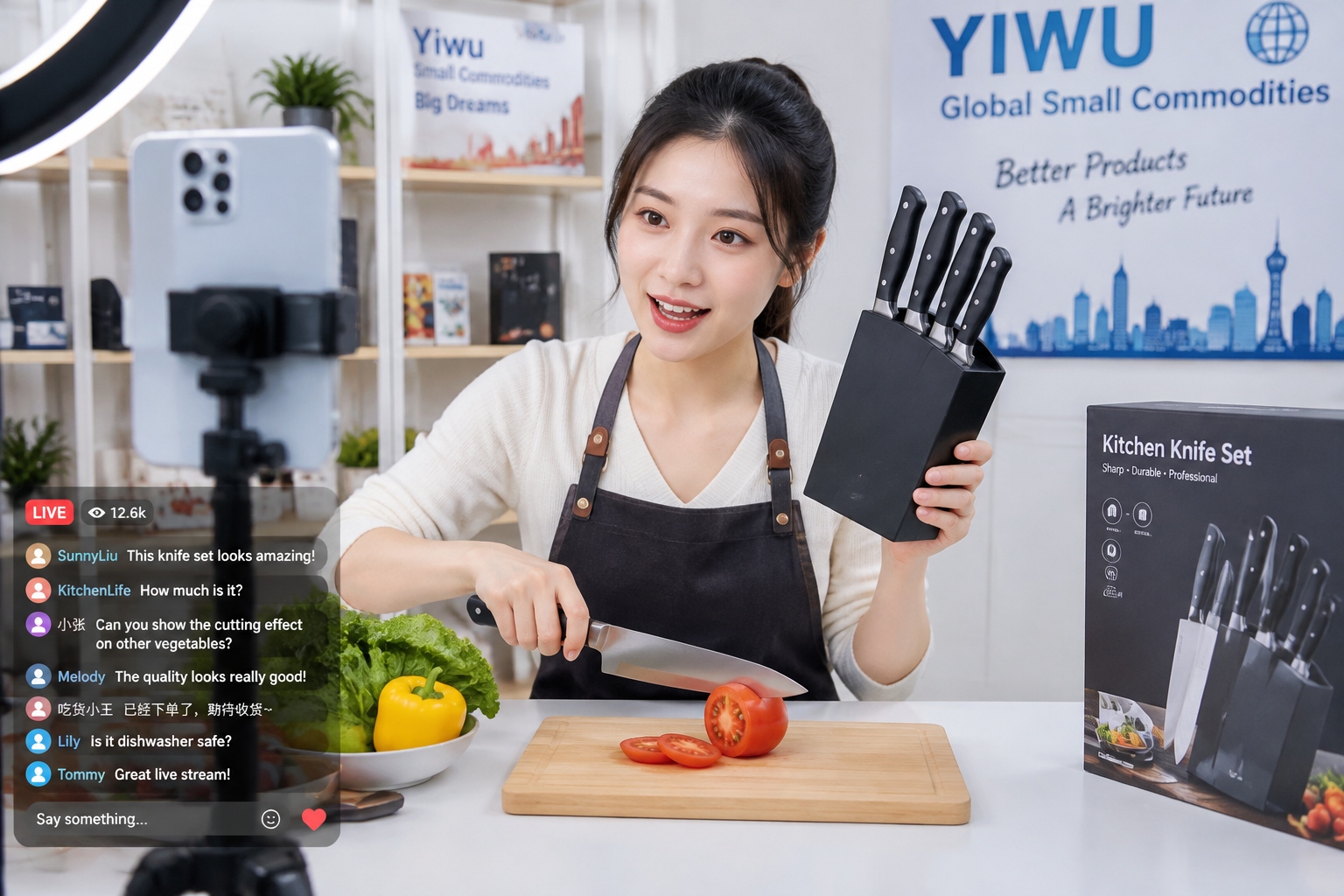
Xiao Yu’s father, who runs a stall in the night market below, doesn’t understand livestreaming. “She talks to a phone all day,” he says, half-joking. But he admits her sales are better than his. Last year, she moved 1.2 million yuan worth of goods. He moved maybe 400,000. “The young ones,” he says, “they don’t need to wait for customers to come. They go find them.”
This is the new fusion: the old wholesale markets provide the products; the new digital platforms provide the reach. Xiao Yu still buys from the same suppliers her father uses. She still haggles. But her storefront is a smartphone, and her closing time is whenever she stops talking.
A Day in the Life of a Wenzhou Small Boss
Lin Wei, the lighter factory son, is what locals call a xiao laoban—a small boss. He wakes at 5:30 AM, checks WeChat messages from suppliers, and rides a scooter to a nearby parts market by 6:30. He buys screws, plastic pellets, and gas valves. He negotiates in a clipped Wenzhou dialect that even other Chinese find hard to understand. By 9 AM, he’s back at the factory, helping his parents pack orders.
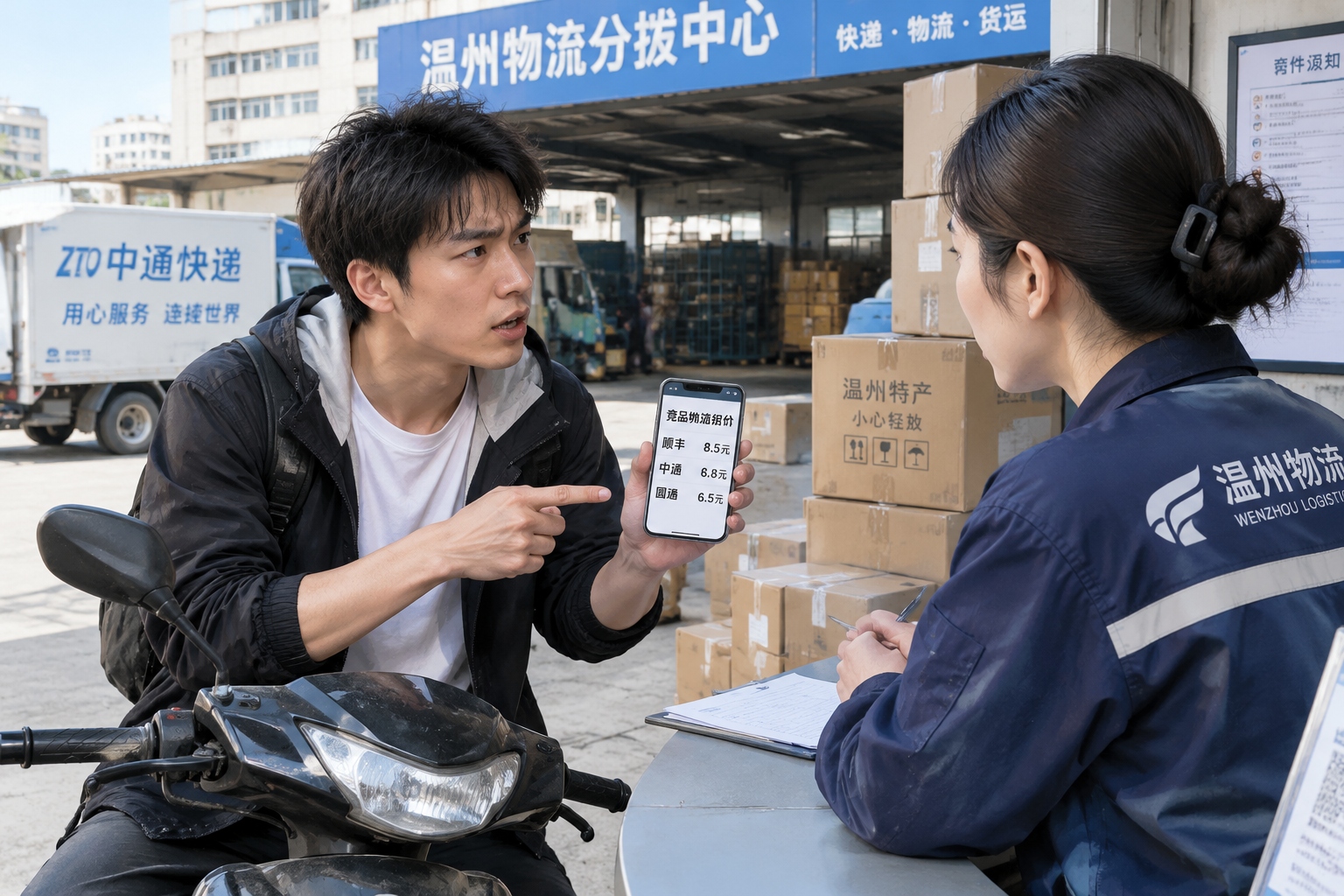
In the afternoon, he drives to a logistics depot to argue about shipping rates. “Last week it was 12 yuan per kilo to Lagos,” he tells the clerk. “Why 14 now?” The clerk shrugs. Lin Wei pulls out his phone, shows a competitor’s quote. They settle at 13. He doesn’t celebrate. He just gets back in the van and returns to the factory. There are more orders to fill.
What This Means for the Rest of Us
If you’ve ever bought a phone charger, a pair of socks, or a LED keychain from a discount store, there’s a good chance it passed through Yiwu or Wenzhou. The system is not glamorous. The margins are tiny. The hours are long. But it works—and it has lifted millions out of poverty.
For foreign readers, the lesson isn’t that China is magical. It’s that China’s private economy is relentlessly practical. It adapts. It haggles. It ships. And it never stops moving.
At 11 PM in Yiwu, Ahmed finally buys the LED lights—5,000 strands at 2.3 yuan each. He shakes hands with the vendor. She gives him a free sample of a new product: a solar-powered garden stake. “Next time,” she says in Mandarin, “you buy more.” He laughs. “Next time,” he says, “you give better price.” They both know this is how it works.
Start the discussion at forum.chinacomes.com