

A ‘Global’ Dinner Table in Winter
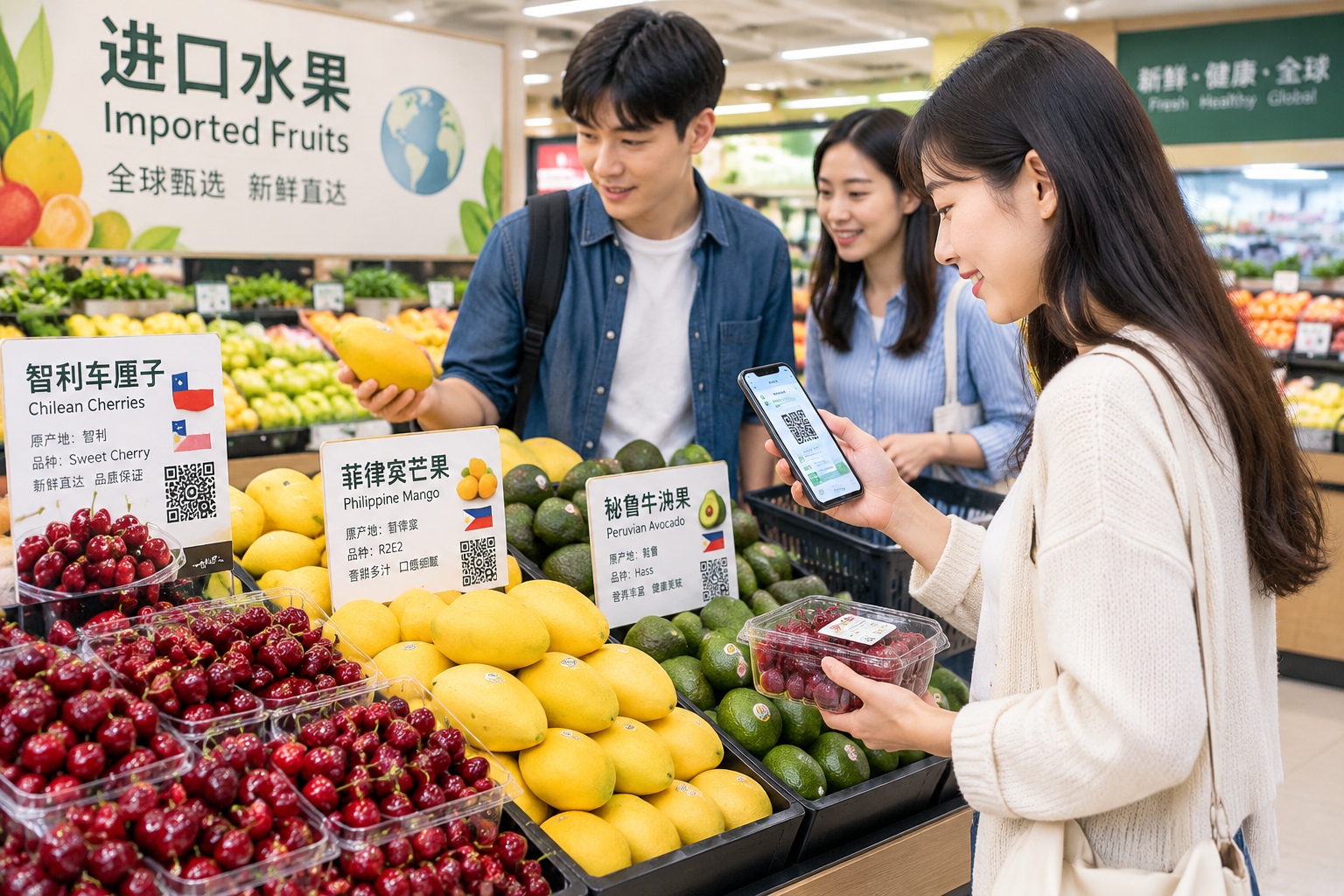
The kitchen light is warm against the cold December air. On the dining table, a basket of bright red Chilean cherries sits next to a half-peeled Thai mango. For Lin, a teacher in Chengdu, this scene is as ordinary as it gets. Ten years ago, these fruits would have been reserved for special holidays or expensive business gifts, their prices prohibitive for an average monthly salary. Today, they are just another snack after dinner.
Lin’s casual enjoyment of South American and Southeast Asian produce highlights a quiet miracle in modern China. The question is not just can Chinese consumers afford these fruits, but how they arrive so fresh, so quickly, and at such accessible prices. This accessibility is not merely a result of rising incomes; it is the outcome of a sophisticated logistics network and technological infrastructure that has compressed time and distance.

From Luxury Item to Daily Staple
To understand the present, one must look at the past. In the early 2010s, importing fresh fruit was a niche business dominated by high-end supermarkets in tier-one cities like Shanghai and Beijing. Cherries were sold in small, expensive boxes, priced like jewelry. They were symbols of status, not food.
Today, the landscape has shifted dramatically. The price of cherries, particularly from Chile, has plummeted due to economies of scale and improved supply chains. What was once a luxury is now a common winter treat for families across the country, including those in smaller cities. Blueberries, once imported at premium prices, are now cultivated domestically and imported simultaneously, creating a year-round abundance that drives prices down further.
This shift reflects a broader change in Chinese consumption. The average household is no longer just buying calories; they are buying quality, variety, and health. The ability to buy fresh strawberries from Japan or avocados from Peru in a local supermarket in a tier-three city indicates a substantial rise in living standards. It suggests that the Chinese middle class is not just wealthier, but more discerning.
The Invisible Cold Chain: Shrinking the World
Behind every fresh fruit on a Chinese shelf is an invisible network of cold storage and refrigerated transport. Fresh produce is fragile. Without precise temperature control, quality degrades rapidly during transit. China has invested heavily in what is known as the “cold chain”—a continuous refrigerated supply chain from farm to fork.
This system relies on three key technologies: pre-cooling, constant-temperature transport, and smart warehousing. Pre-cooling removes field heat from fruits immediately after harvest, slowing down ripening. Refrigerated containers maintain specific temperatures for different fruits; cherries need near-freezing conditions, while bananas require warmer environments to avoid chilling injury.
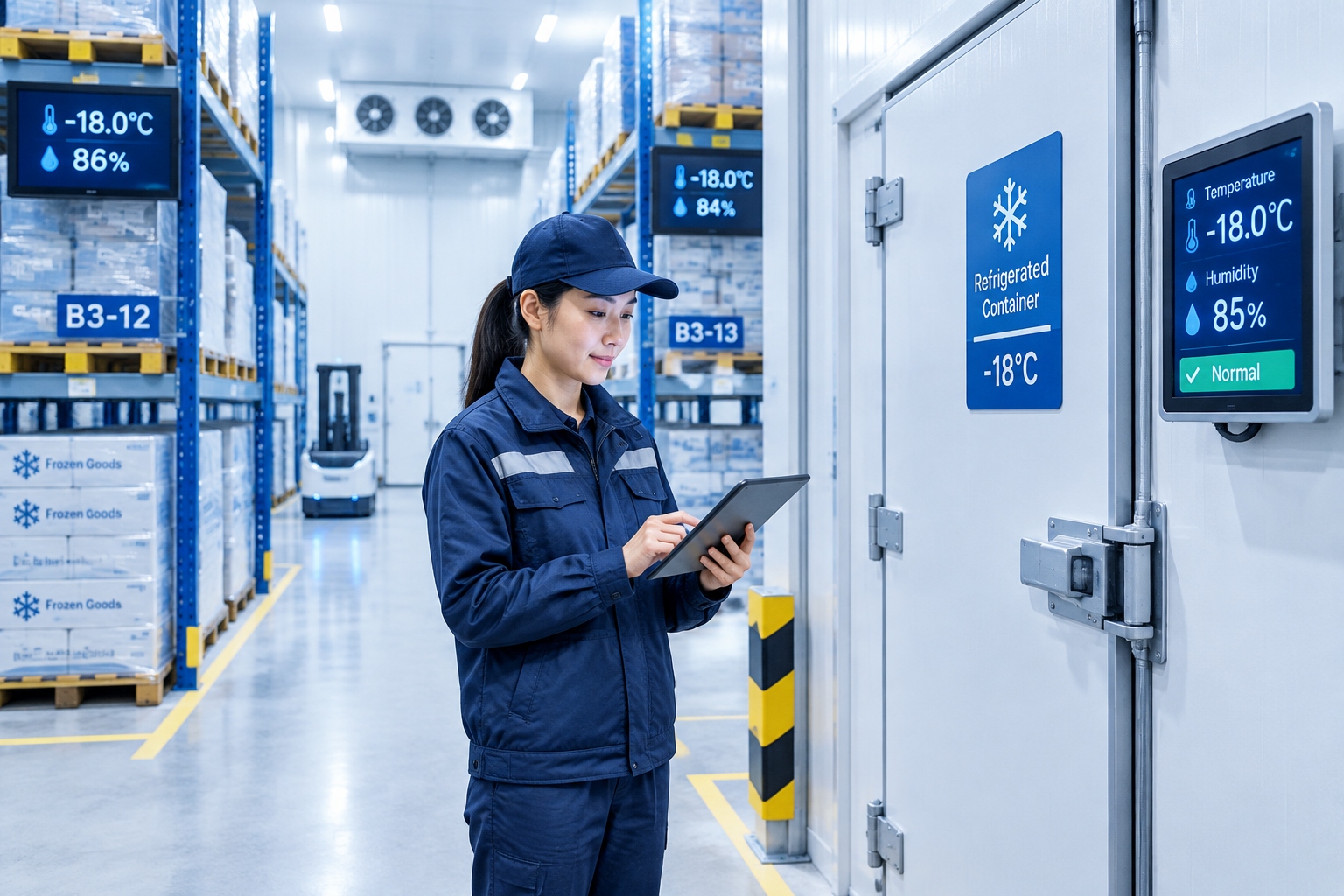
Consider the journey of a box of cherries from a farm in Chile to a market in Shanghai. The process begins with rapid pre-cooling at the source. The fruit is then packed in insulated containers and shipped via cold-chain vessels. Upon arrival, it moves directly into automated warehouses where sensors monitor humidity and temperature in real-time. Big data algorithms predict demand, ensuring that inventory is distributed efficiently to avoid waste. This entire journey, covering thousands of miles, often takes less than 72 hours from harvest to shelf. The result is fruit that retains its crispness and sweetness, indistinguishable from local varieties.
A Two-Way Street: Reshaping Global Agriculture
China’s appetite for fresh fruit is not a one-sided transaction; it is reshaping agriculture worldwide. The massive Chinese market has incentivized farmers in Southeast Asia, South America, and even Africa to expand their plantations and upgrade their standards.
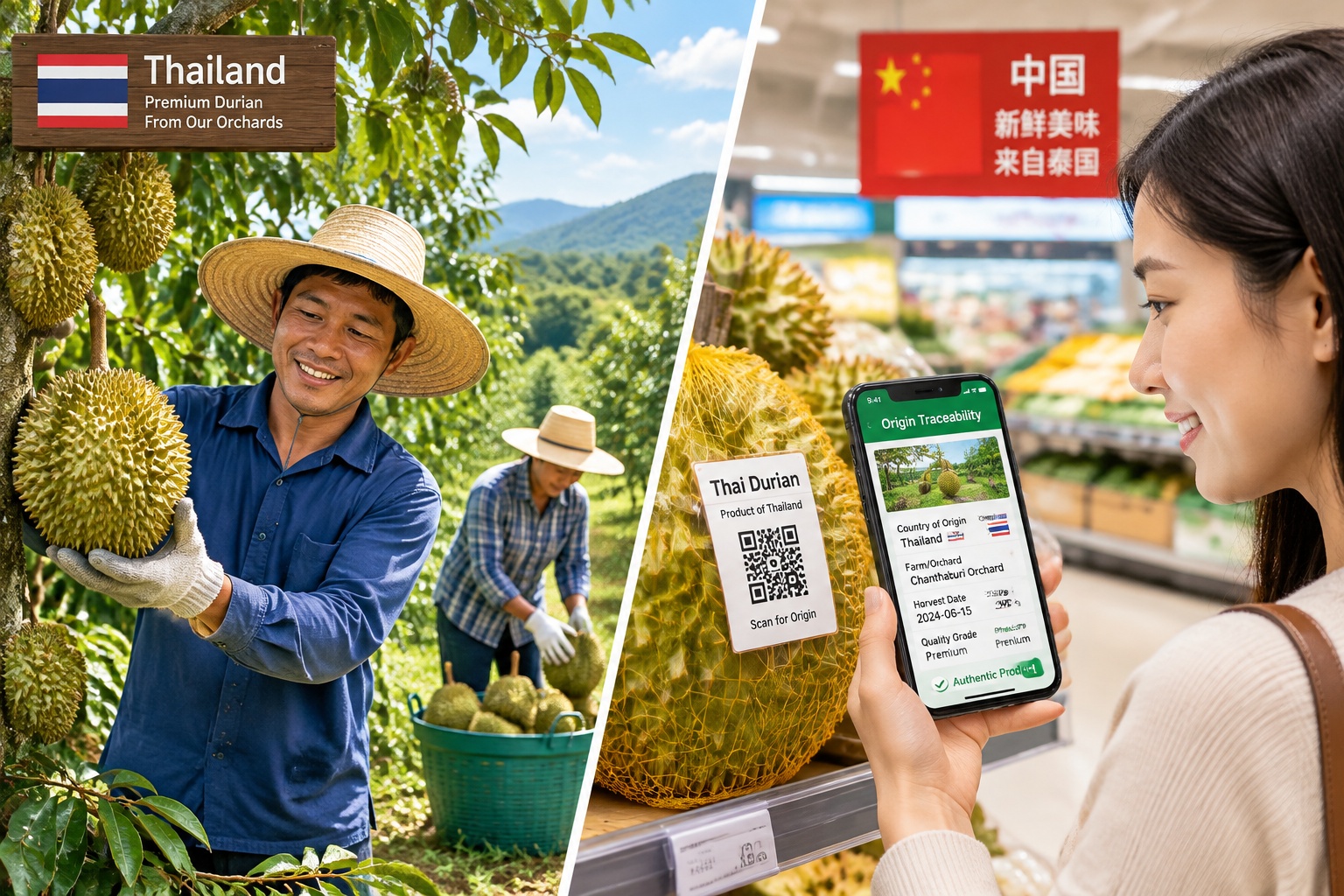
For example, the demand for durian from Thailand and Vietnam has led to significant investments in orchard management and harvesting techniques to meet Chinese inspection requirements. Similarly, Chilean cherry growers have increased acreage specifically for the Chinese New Year market. This is not just about selling more; it is about growing better. Chinese consumers’ preference for sweet, visually appealing, and consistent quality forces global suppliers to adopt higher agricultural standards.
Initiatives like the Mekong-Lancang Cooperation (MLC) have further integrated regional supply chains, facilitating smoother cross-border trade. This mutual benefit extends beyond economics. It creates a interdependence where Chinese consumers get better fruit, and foreign farmers gain access to the world’s largest consumer market. It is a practical example of globalization working at a grassroots level.
Realities and Challenges
However, this convenience comes with complexities. The environmental cost of long-distance food transport, or “food miles,” is a growing concern. Carbon footprints from air freight and refrigerated shipping are significant. Additionally, the pressure to meet strict phytosanitary regulations can be challenging for smaller farmers in developing countries.
Food safety remains a top priority. Chinese regulators have implemented rigorous tracking systems, requiring digital certificates for every batch of imported fruit. This ensures that if there is a problem, the source can be traced instantly. Yet, issues such as excessive packaging waste and the disparity in access between urban elites and rural populations remain areas for improvement.
Favor Without Borders
As geopolitical tensions rise and globalization faces headwinds, the story of fresh fruit offers a different perspective. It shows how deeply connected we are through everyday needs. A cherry eaten in Beijing is linked to a farmer in Santiago, a logistics manager in Shanghai, and a retailer in Chengdu.
This connection is resilient. It is driven by human desire for variety, quality, and taste. In a world often divided by politics, the global fruit trade reminds us that we share a common table. The next time you bite into a fresh mango or a sweet cherry, remember that it is not just a piece of fruit; it is a testament to modern logistics, technological innovation, and the enduring power of human connection across borders.
Start the discussion at forum.chinacomes.com