

The Sound of Silence
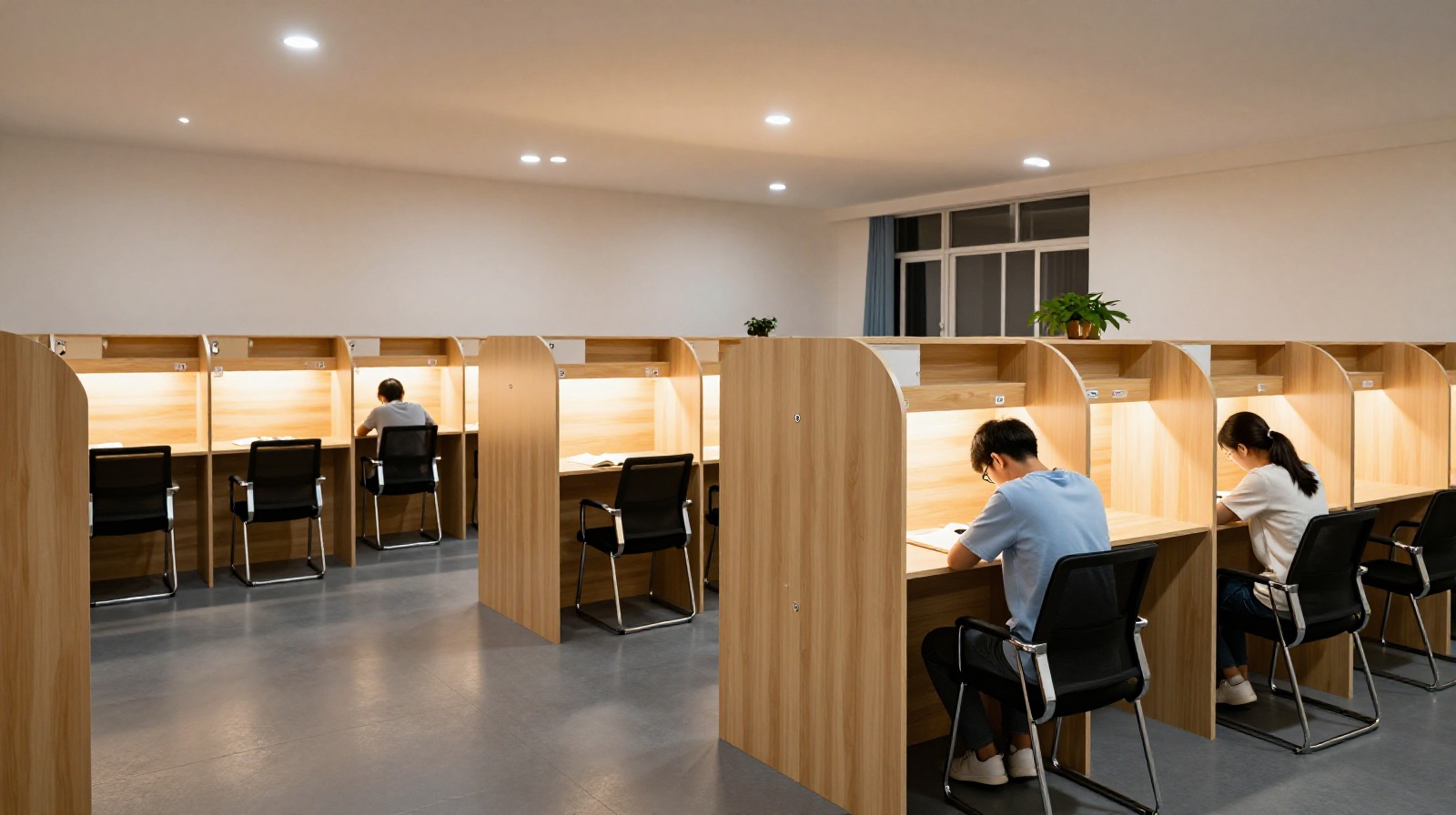
7:15 PM. The air in the “Quiet Zone” smells faintly of coffee and disinfectant. No phones ring. No keyboards clack loudly. Only the soft hum of an air purifier and the occasional turn of a page break the silence. This is not a library, nor a cafe with free Wi-Fi. It is a paid study room in Beijing’s Haidian District, where Li Wei has rented a desk for eight hours.
Li pays 15 yuan (about $2 USD) per hour. For that price, he gets a soundproof booth, a high-lumen lamp that reduces eye strain, and a locker for his backpack. His apartment in the same city is only twenty minutes away, but it comes with roommates snoring, parents arguing over dinner, and neighbors renovating their floors at odd hours.

A Market Born of Pressure
China’s “paid study rooms” (fù fèi zì xí shì) have exploded from a niche concept to a nationwide phenomenon. In 2024, industry analysts estimate there are over 50,000 such spaces across China, many clustered near universities and job centers.
The demand is driven by two massive tides: the post-pandemic economic slowdown and the fierce competition for higher education. Last year alone, more than 4.7 million students took the national postgraduate entrance exam—a record high that translates to roughly a 30% acceptance rate in top cities like Beijing and Shanghai.
For young people like Li, the home environment has become too unstable. A small apartment in a tier-2 city might lack a desk entirely. In tier-1 cities, renting a larger space is financially impossible for many graduates still living with parents or roommates.
The Psychology of Paying to Focus
Why pay when free libraries exist? The answer lies in the “loneliness economy” and the need for psychological containment. Public libraries often have strict closing times, limited seating, and unpredictable noise levels from other patrons.
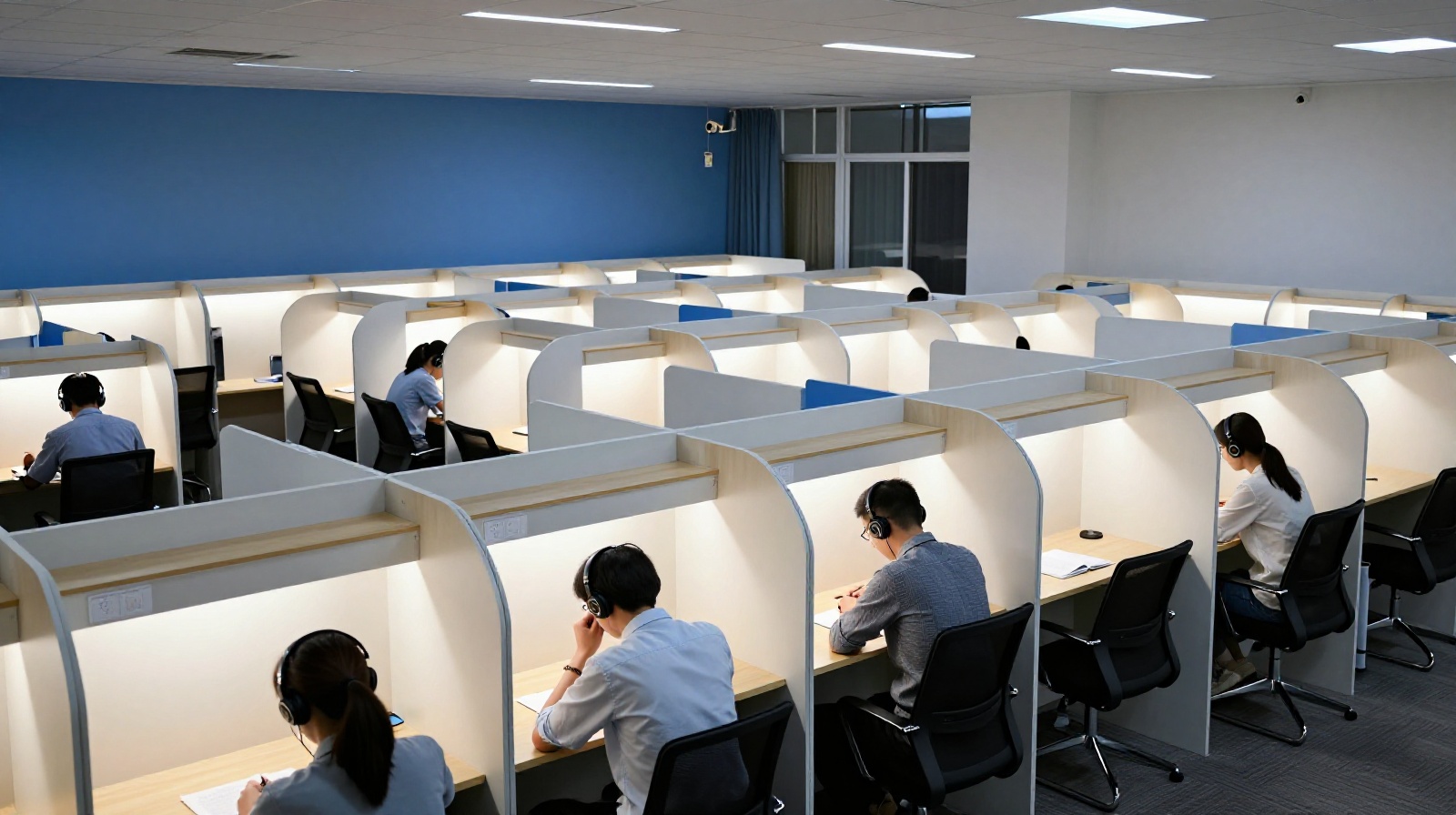
Paid study rooms offer a different contract: silence is guaranteed. Many facilities use “silent mode” entry systems where members must wear headphones to communicate or leave their phones on silent. Some even employ staff who gently remind users of the rules without confrontation.
This environment creates a powerful psychological cue. When you enter a space designed solely for work, your brain switches gears. It is not about the furniture; it is about the social signal that says, “This time is for me and my goals only.”
From Beijing to Chengdu: A National Trend
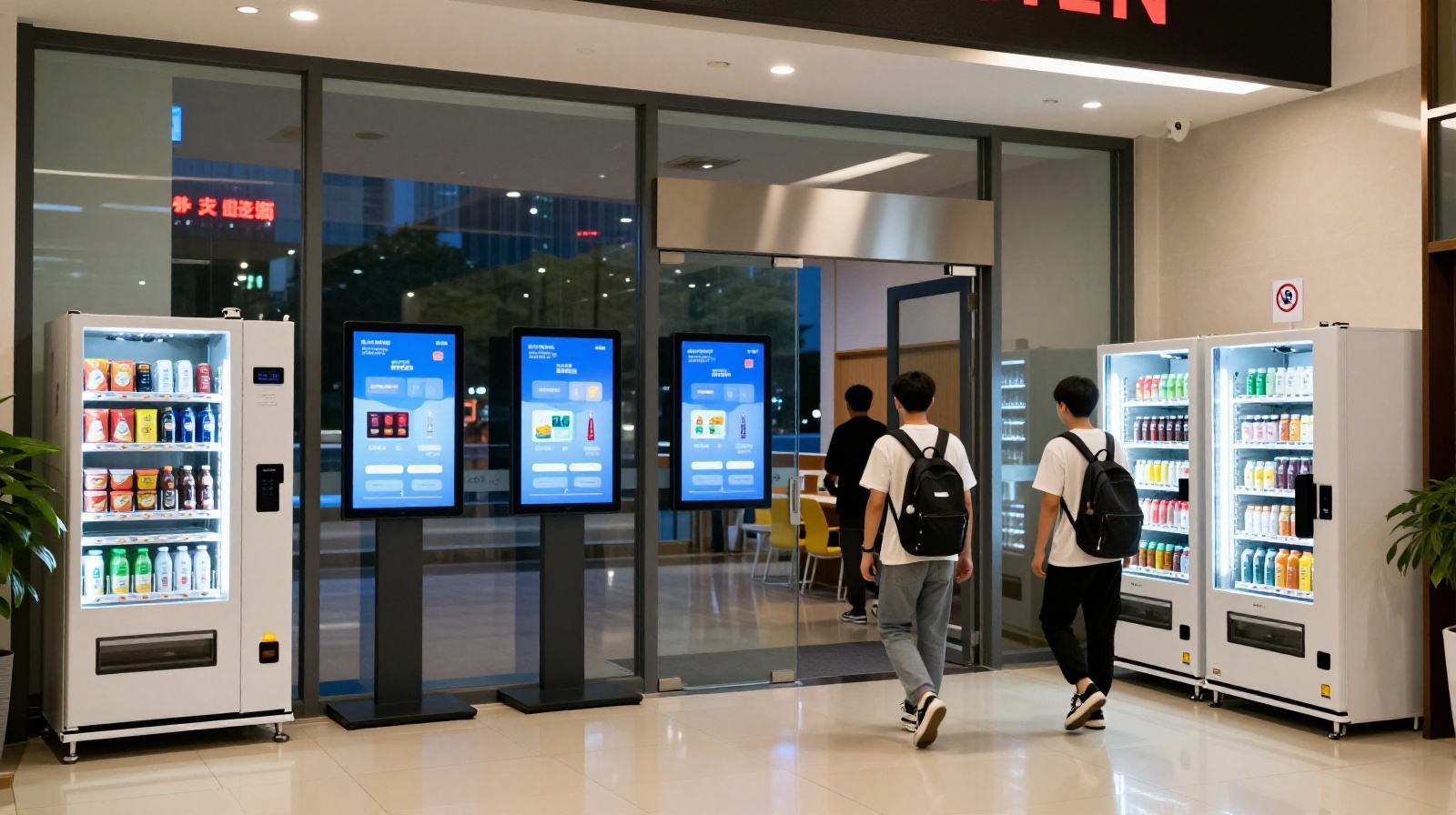
The model varies by city but shares a core DNA. In Shanghai, study rooms often feature modern, minimalist decor with 24-hour access for night owls preparing for civil service exams. In Chengdu, the vibe is more relaxed, with tea corners and co-working areas where freelancers mix with students.
Data from major chains shows that peak hours are not just mornings or evenings, but extend into the late night and early morning (2 AM to 6 AM). This suggests a shift in how young people organize their lives: sleep is often sacrificed for study time.
In smaller towns, these rooms sometimes double as community centers for rural youth returning from cities, offering a place to regroup before starting small businesses or taking local government exams.
The Future of Quiet
As the economy continues to recover slowly, the demand for these spaces is unlikely to vanish. They represent more than just desks; they are infrastructure for social mobility in an era where opportunity is fiercely contested.
However, questions remain about sustainability. Can young people afford this long-term? What happens if the market becomes saturated with too many low-quality operators? For now, places like Li’s study room in Beijing remain a beacon of hope—a quiet corner in a loud world where focus is the most valuable currency.