

The Secret Knock on the Fifth Floor
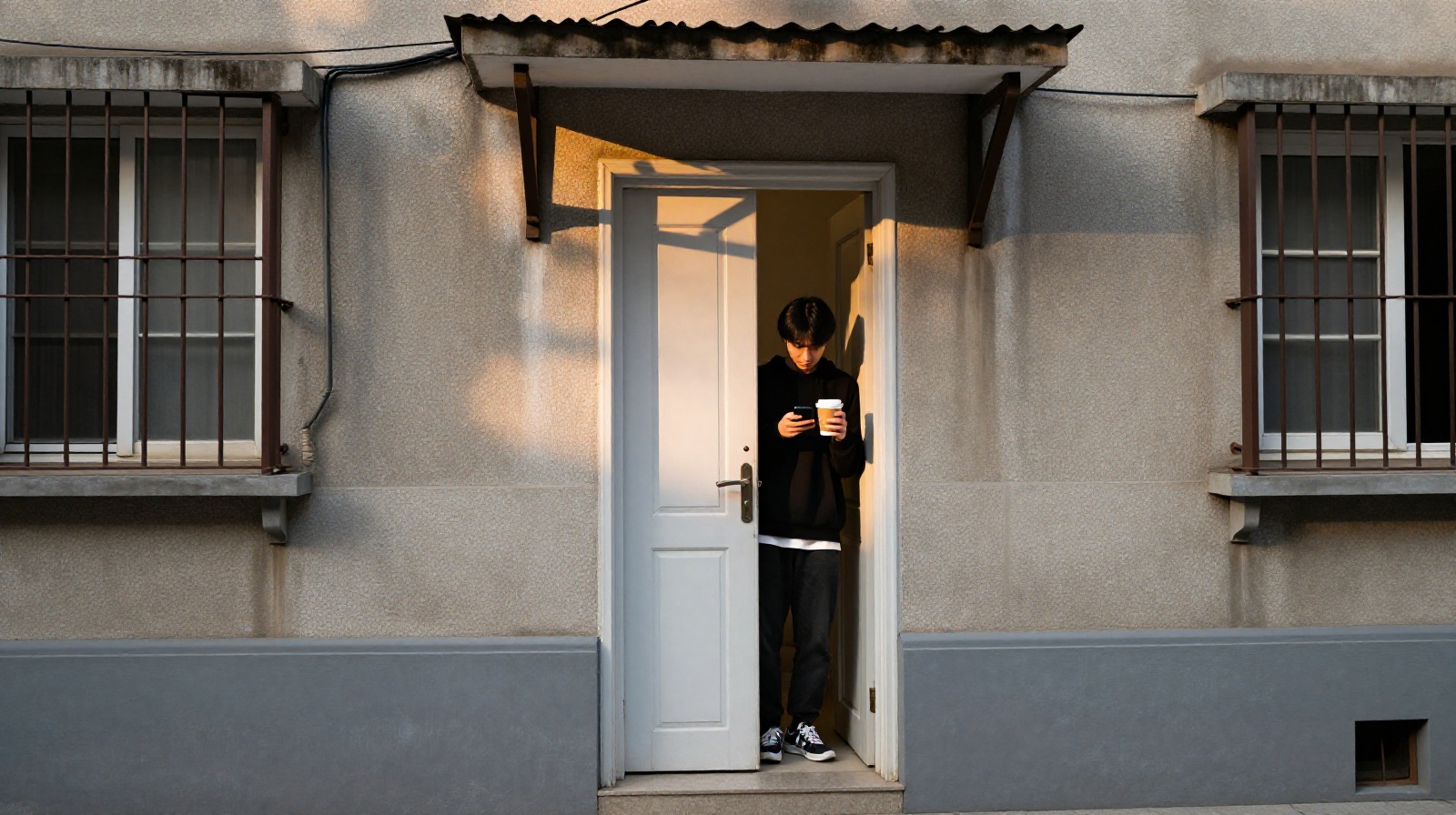
It’s 10:30 a.m. on a Tuesday in Chengdu. You stand before a nondescript, white door on the fifth floor of an apartment building that smells faintly of garlic and fried dough from the kitchen downstairs. There is no sign, no neon light, and certainly no line out the front door. A young woman sits behind a small desk near the entrance, checking her phone. She looks up, scans your face for a split second, nods, and unlocks the heavy steel door with a digital keypad click.
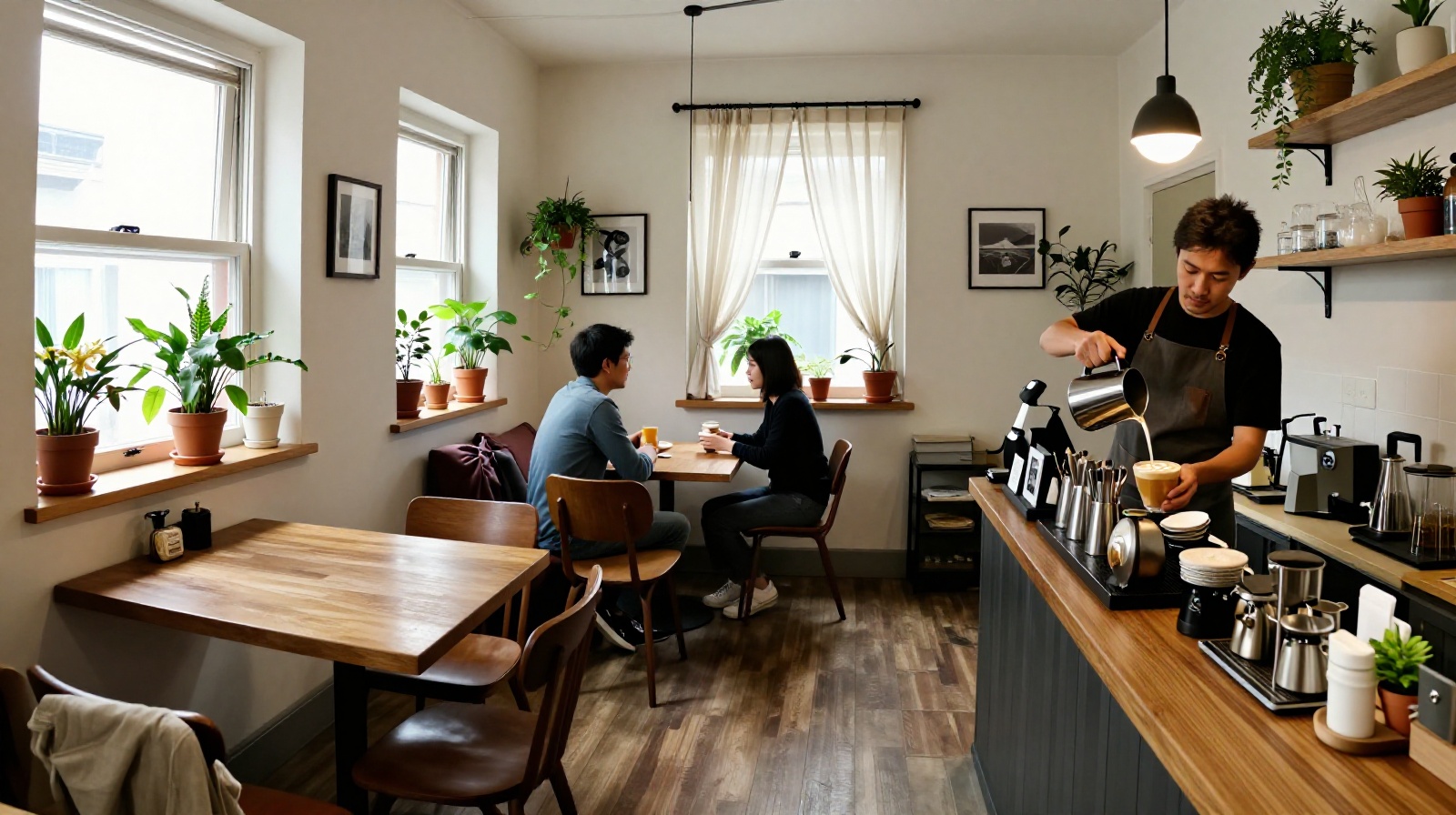
Inside, it’s quiet. The air smells of roasted beans and wet earth from a few potted plants in the corner. Four tables are occupied by students typing on laptops, an elderly man reading a newspaper, and two friends whispering over ceramic mugs. This is Lou Xia, one of Chengdu’s most talked-about coffee spots, hidden inside a residential complex.
For visitors coming from New York, London, or Tokyo, where cafes are defined by their street-facing windows and bustling sidewalks, this setup feels like a contradiction. Why hide the best coffee in China? The answer lies not in secrecy for its own sake, but in a fundamental shift in how urban life is organized here.
The Economics of “Off-Grid” Spaces
For years, commercial rent in Chinese city centers has skyrocketed. A storefront on the ground floor of a prime location can cost 50 times more than an apartment unit upstairs. For independent cafe owners who don’t have millions in venture capital backing them, the math is simple: they cannot survive paying street-level prices.
By moving into residential units (often converted from living rooms or bedrooms), these shopkeepers slash their overhead costs by 60 to 80 percent. This allows them to pay baristas a fair wage, source high-quality beans directly from Yunnan growers, and keep the price of a latte at about 25 yuan ($3.50) — half the cost of similar specialty coffee in Western metropolises.
But this isn’t just a survival tactic; it’s a creative solution to a crowded market. In a city like Shanghai or Hangzhou, where every street corner has a Starbucks or Luckin Coffee, standing out on a main road is nearly impossible for a small brand. Hiding in plain sight allows these cafes to operate with lower pressure and higher creativity.
The “Secret Base” Social Experience
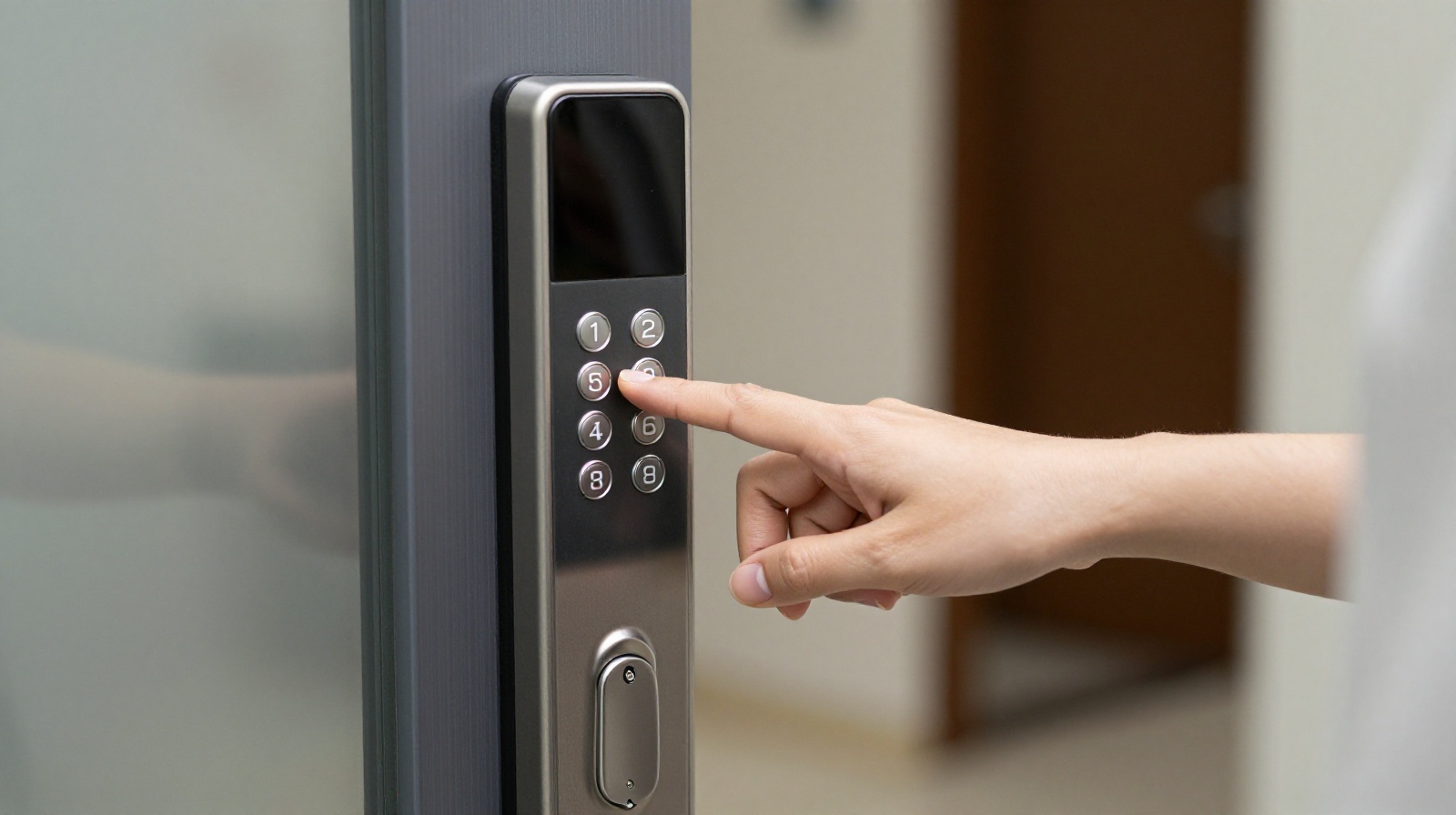
There is a specific ritual to entering these hidden cafes that you won’t find at a chain store. You don’t just walk in. You might need to text the owner beforehand, ask a local resident for directions, or solve a small riddle posted on Instagram or WeChat.
This process creates a unique psychological effect: a sense of belonging to an exclusive club. When you finally step inside, the barrier between the chaotic city street and your table disappears. You aren’t just a customer; you are a guest in someone’s home. This explains why these spaces often feel more like living rooms than commercial establishments.
The social distance is also carefully managed. In traditional cafes, you are surrounded by strangers on high-speed Wi-Fi. Here, the owner might know your name, ask how your job is going, or introduce you to a regular customer who shares your hobby. It’s a return to the village square vibe, but with espresso machines.
Urban Exploration as a Hobby
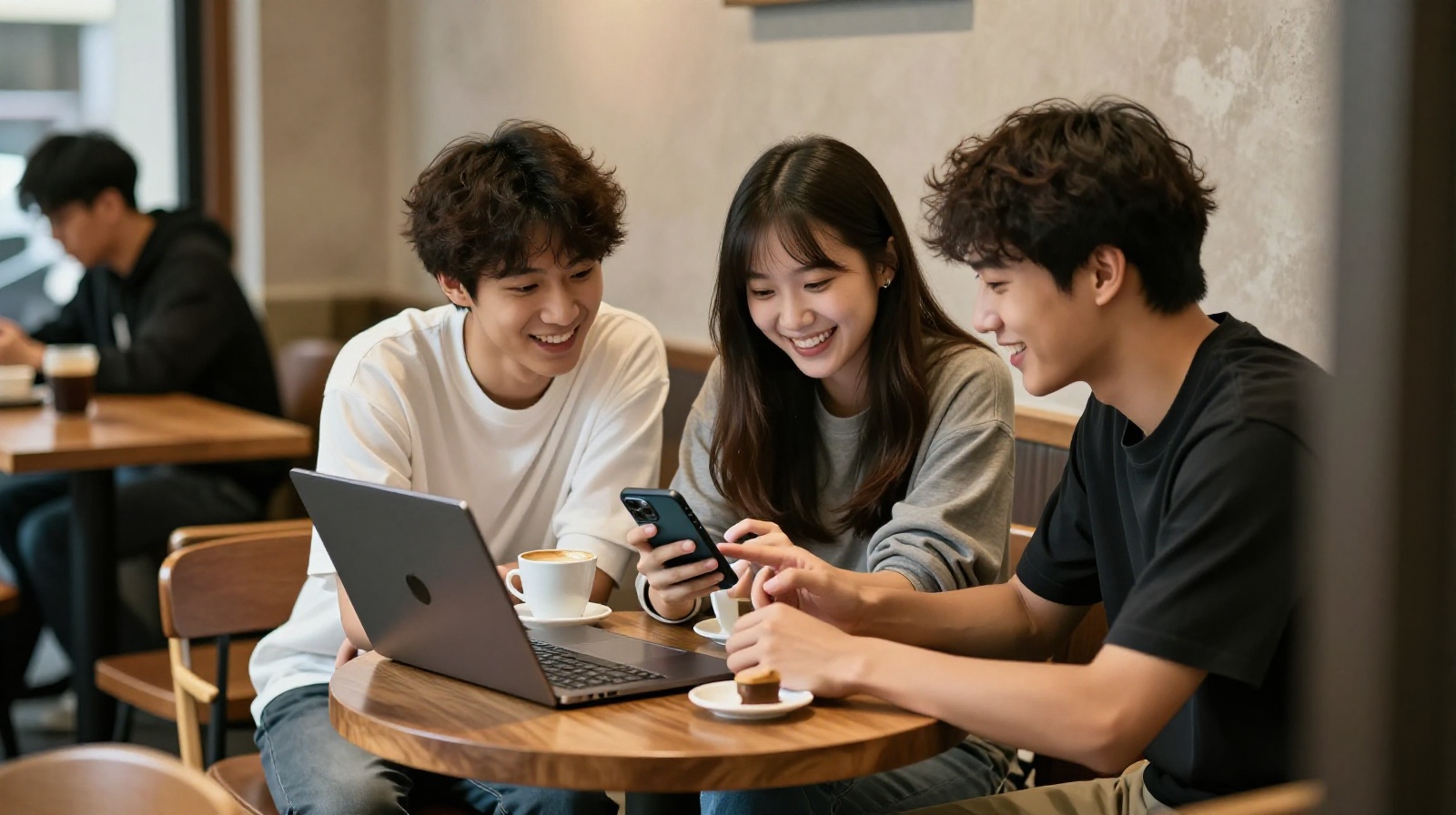
For Gen Z in China, finding these hidden cafes has become a popular form of urban exploration. Social media platforms like Xiaohongshu (Little Red Book) are filled with posts titled “The most secret cafe in Beijing” or “Don’t tell anyone about this spot in Shanghai.” These aren’t just advertisements; they are invitations to play.
Young people treat the hunt as a game. They share clues, coordinate meetups near specific subway exits, and take turns guiding each other up the stairs of random apartment buildings. The reward isn’t just the coffee (though it is often excellent); it’s the story you can tell later: “I found this place by mistake, but now I’m part of its community.”
A New Kind of Neighborhood
This trend highlights a broader change in Chinese urban culture. As cities become more dense and digital life grows louder, people crave spaces that feel grounded and human-scale. The “hidden cafe” is the antithesis of the polished, algorithm-driven mall experience.
It forces a slowdown. You have to slow down to find it, walk up the stairs, and wait for the door to open. Once inside, the pace matches the rhythm of a quiet afternoon more than the rush hour commute. For many young professionals in China, these residential cafes are no longer just places to drink coffee; they are their second living rooms, their offices when working from home, and their community hubs.
So, if you ever find yourself wandering through an old neighborhood in Guangzhou or Nanjing, keep your eyes open. You might spot a door with no sign. Don’t knock unless you’re ready to be invited inside. That’s where the real coffee culture of China is happening today.