
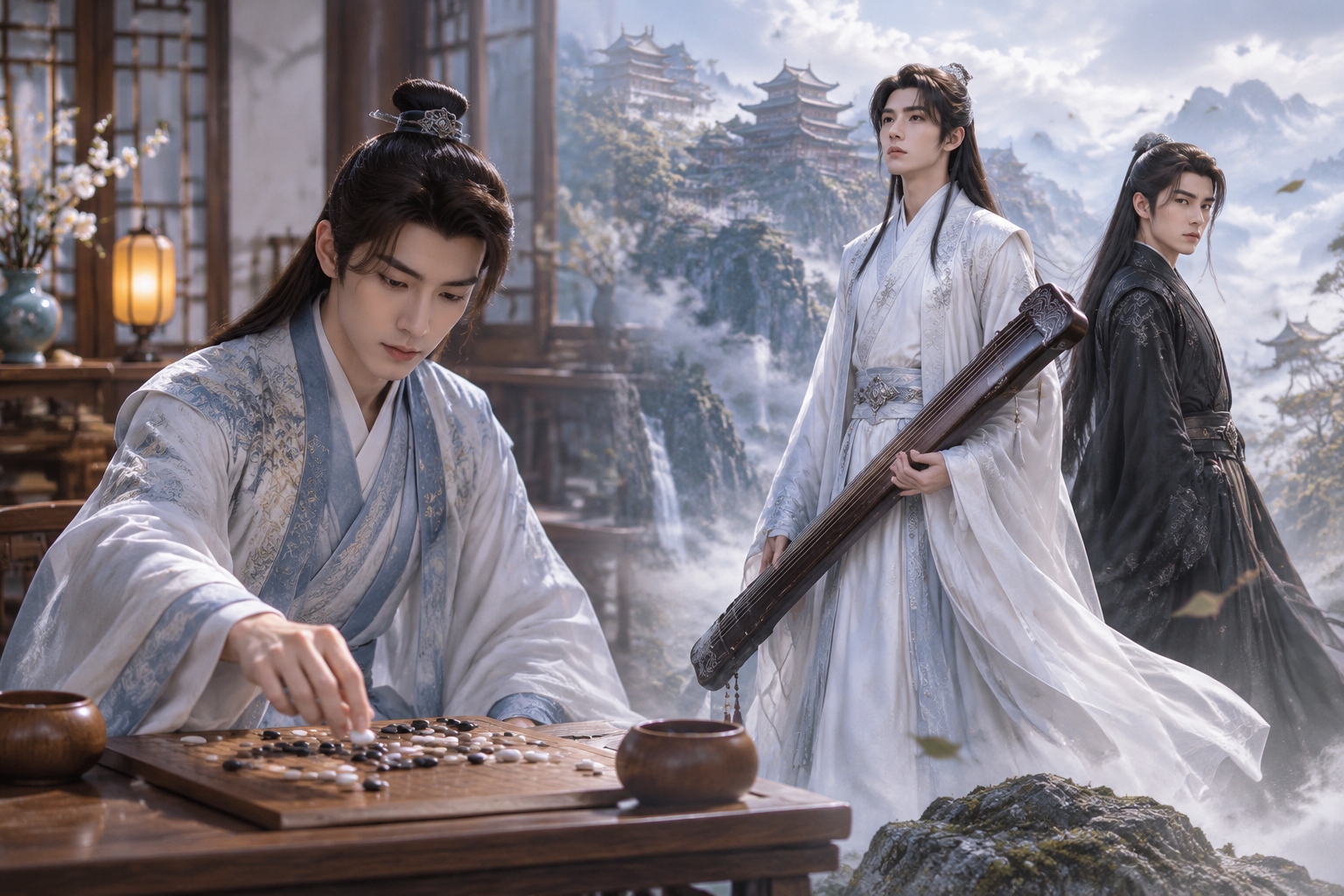

Imagine walking into a library where every book is written in a different historical era, mixed with fantasy magic systems that don’t exist in Western literature. That is often the feeling international viewers get when they first stumble upon Chinese wuxia (martial hero) or xianxia (immortal hero) dramas.
You see characters flying on swords, fighting with invisible energy blasts, and referring to complex clan hierarchies. It’s visually stunning, but the narrative logic can feel like a puzzle missing half its pieces. If you’re curious about this genre but don’t know where to start, you’re not alone. The sheer volume of content is overwhelming.
Here is a straightforward guide to navigating this landscape, starting with two shows that have successfully crossed cultural borders: The Untamed and Nirvana in Fire.
Why Start With These Two?
If you ask experienced fans for recommendations, you will likely hear two names repeatedly: The Untamed (2019) and Nirvana in Fire (2015). They are not just popular; they are accessible entry points.
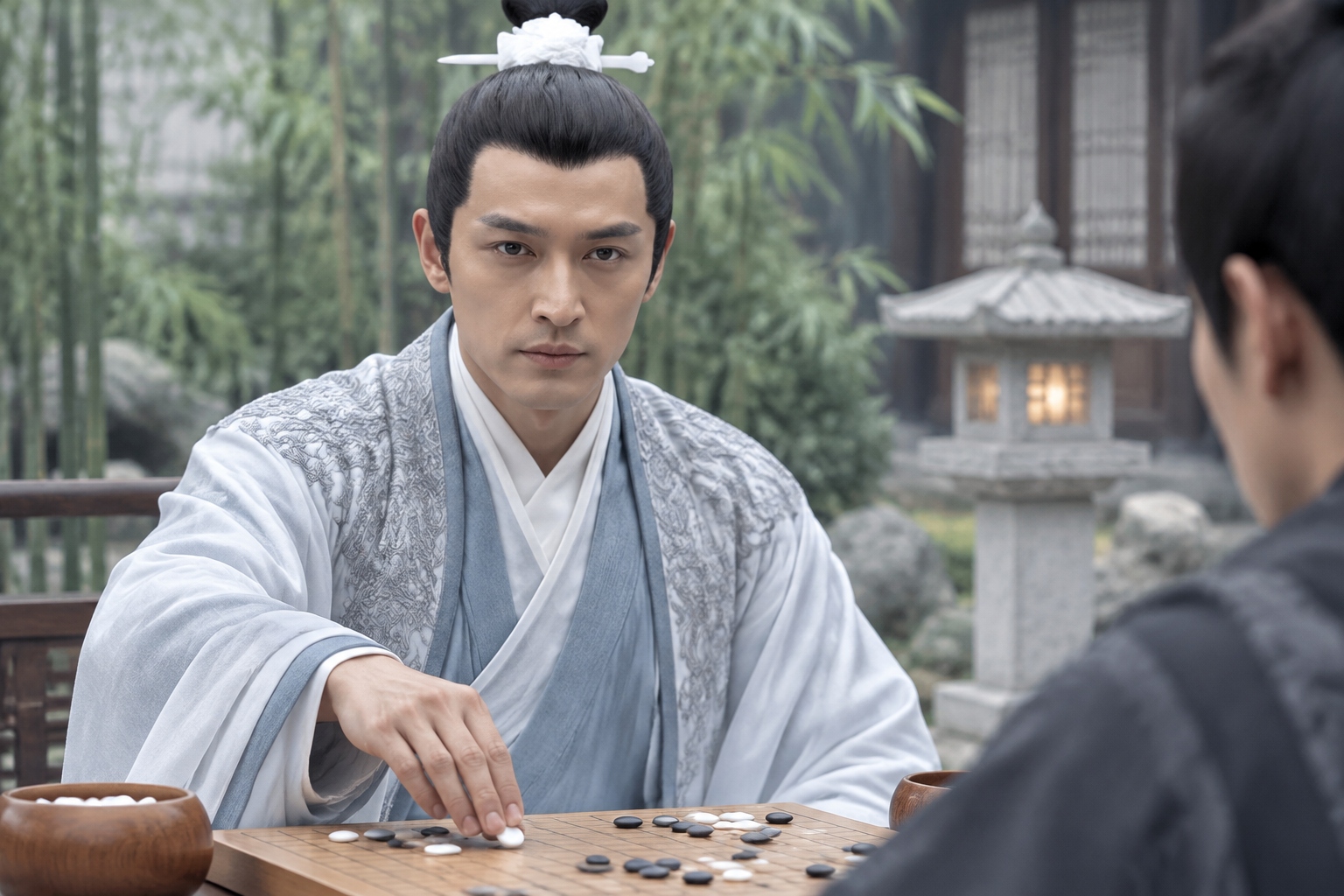
Nirvana in Fire is often described as the “Game of Thrones” of Chinese dramas, though that comparison is imperfect. It lacks dragons and magic. Instead, it focuses on political intrigue, military strategy, and deep loyalty between friends. The protagonist, Mei Changsu, is a brilliant strategist disguised as a frail scholar seeking justice for his wrongly executed clan.
For viewers who enjoy plot-heavy dramas with minimal fantasy elements, this is the perfect starting point. It teaches you the basics of Chinese historical aesthetics—robe styles, court etiquette, and the concept of jianghu (the martial arts world)—without confusing you with magic systems.
The Untamed is different. It leans heavily into fantasy. Based on a popular novel, it features cultivation sects, spiritual energy, and monsters. But at its heart, it’s a mystery story about two young men uncovering dark secrets within their martial arts schools.
Why recommend it if it’s so magical? Because the emotional core is universal. The bond between the protagonists, Wei Wuxian and Lan Wangji, resonates with global audiences regardless of cultural background. It also introduces you to the “cultivation” trope—where characters meditate to gain power—which is central to many other popular shows.
The Subtitle Challenge: Viki vs. Netflix
One of the biggest barriers for international viewers is terminology. How do you translate qi (life energy), dantian (energy center in the body), or sect leader?
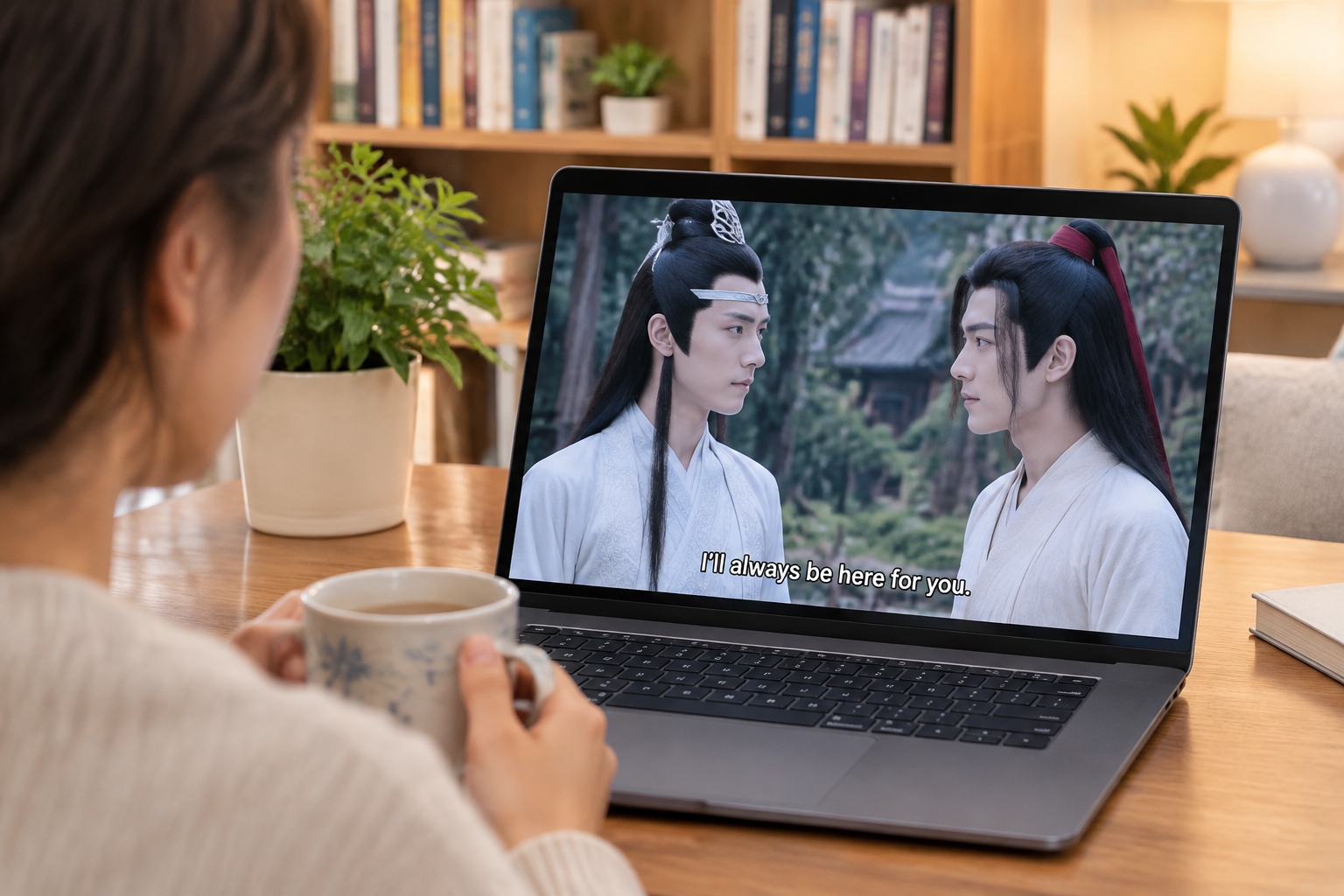
You will often encounter two types of subtitles: professional ones on platforms like Netflix or Viki, and fan-made community subtitles.
Professional Subtitles
Platforms like Netflix tend to localize aggressively. They might change “cultivation” to “training” or simplify complex clan names to make them easier to pronounce for English speakers. This helps with flow but can lose specific cultural nuances. For example, the difference between a “sect” and a “clan” might be blurred.
Community Subtitles (Viki)
Viki is unique because it relies on volunteer subtitles. Fans often keep original terms like xian (immortal) or qi, sometimes adding footnotes to explain them. For serious viewers, Viki’s community subs are often more accurate for understanding the lore. However, they can be inconsistent in style and grammar.
Decoding the Genre: What Are You Actually Watching?
To enjoy these dramas, you need to understand two distinct sub-genres that often get mixed up.
Wuxia (Martial Hero)
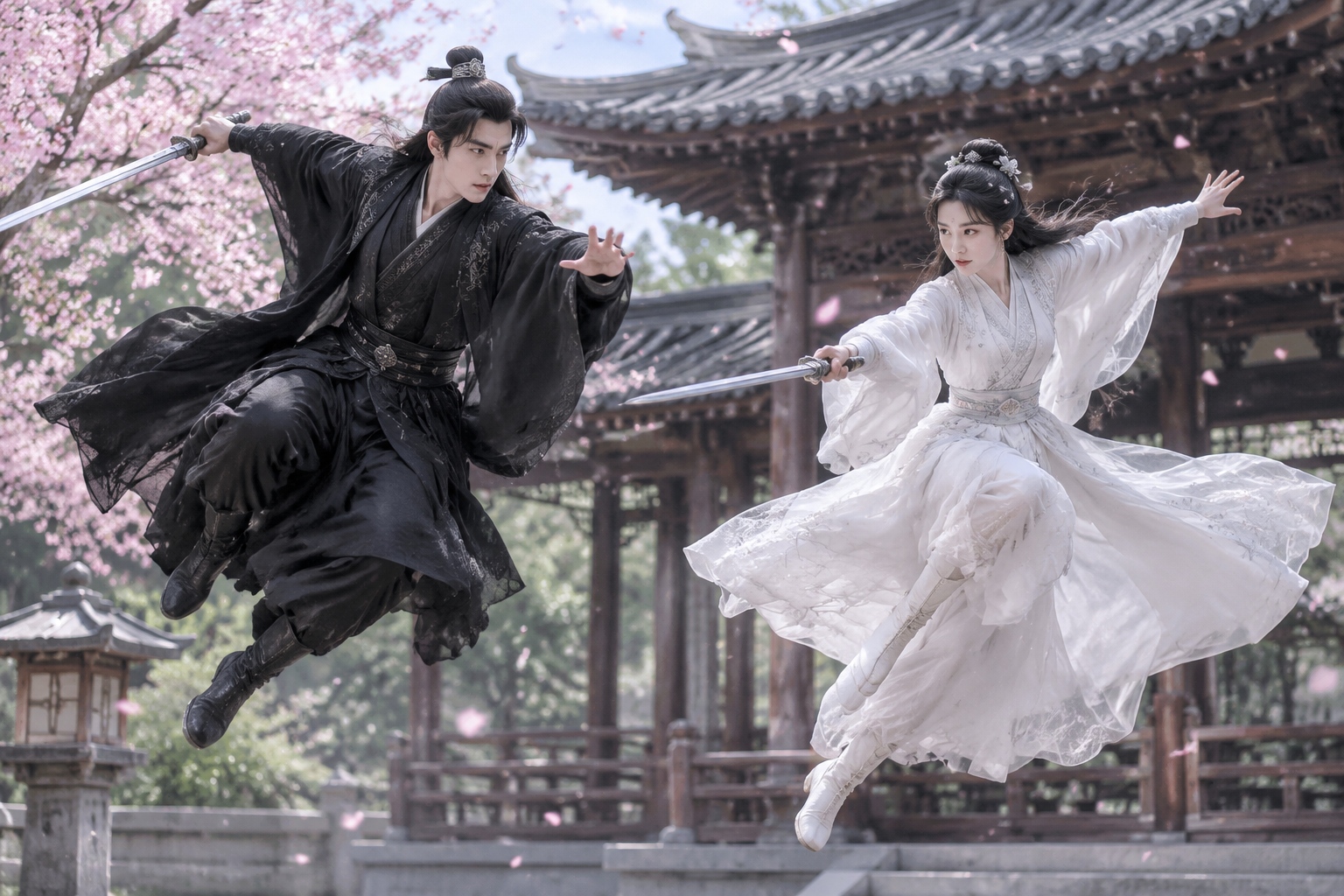
This is grounded in historical realism, albeit with exaggerated martial arts. Think of it as “kung fu” stories set in ancient China. Characters can jump high and fight with swords, but they are human. They age, they bleed, and they die.
Nirvana in Fire fits here. The focus is on human relationships, politics, and martial arts skills that are physically demanding.
Xianxia (Immortal Hero)
This is high fantasy. Characters can fly, shoot lightning from their hands, and live for centuries. They cultivate spiritual energy to ascend to heaven. The Untamed and Ashes of Love fall into this category.
When you start watching, ask yourself: “Are these people using magic or just really good kung fu?” This simple question helps you calibrate your expectations.
Practical Viewing Strategies for Newcomers
Don’t let the cultural context paralyze you. Here are three tips to make the experience smoother.
1. Accept the “Face-Swap” Trope
In many Chinese dramas, actors play multiple roles (e.g., a character in the past and their descendant in the present). This is a narrative device, not a continuity error. It helps connect family lineages without introducing new characters.
2. Focus on Relationships, Not Power Levels
In xianxia dramas, you might hear terms like “Golden Core stage” or “Nascent Soul.” Don’t stress about memorizing these levels. Instead, focus on who is protecting whom. The emotional stakes are usually clearer than the power mechanics.
3. Use Visual Cues for Status
In historical dramas, clothing color and fabric indicate status. White often signifies purity or mourning; purple might indicate nobility or high cultivation rank. Pay attention to who bows to whom. It tells you the hierarchy faster than any dialogue.
Where to Go Next?
Once you’ve finished Nirvana in Fire and The Untamed, you’ll have a solid foundation. Here are two more recommendations based on your preference:
- If you liked the political intrigue of Nirvana in Fire: Try Magnificent Dynasty. It’s a classic historical drama with less fantasy and more complex character dynamics.
- If you liked the bromance and mystery of The Untamed: Watch Word of Honor (2021). It’s a wuxia drama (less magic, more martial arts) that deals with similar themes of loyalty and hidden identities.
Chinese dramas are vast. You don’t need to understand every historical reference or magical rule to enjoy them. Start with the stories that hook you emotionally, and let the cultural details unfold naturally.