
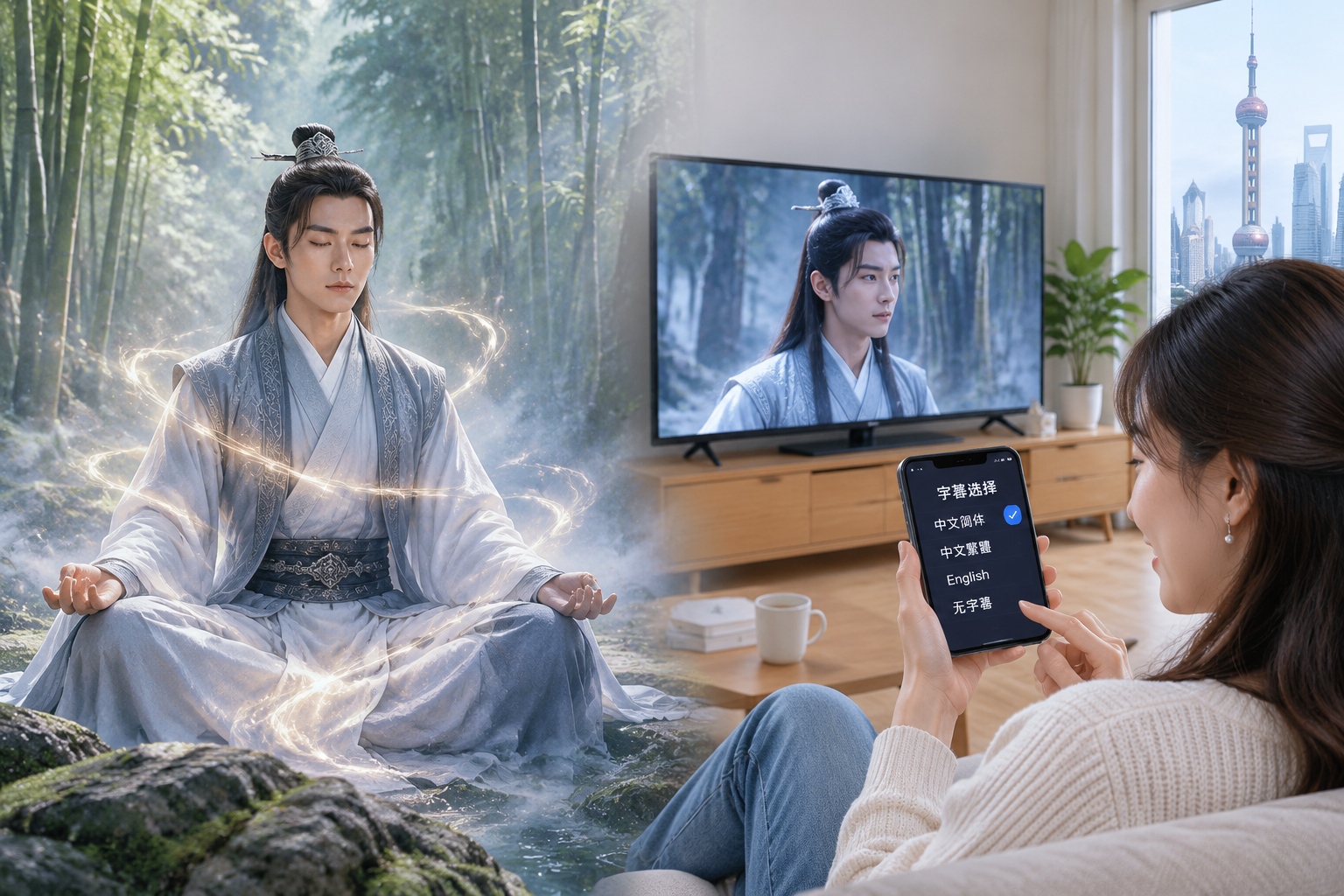

The Moment the Sword Lost Its Weight
Imagine watching a scene in a Chinese wuxia drama. Two masters stand on a bamboo forest, leaves swirling around them. One raises a hand, and an invisible force blasts his opponent back ten meters. The subtitle reads: “He uses magic.”
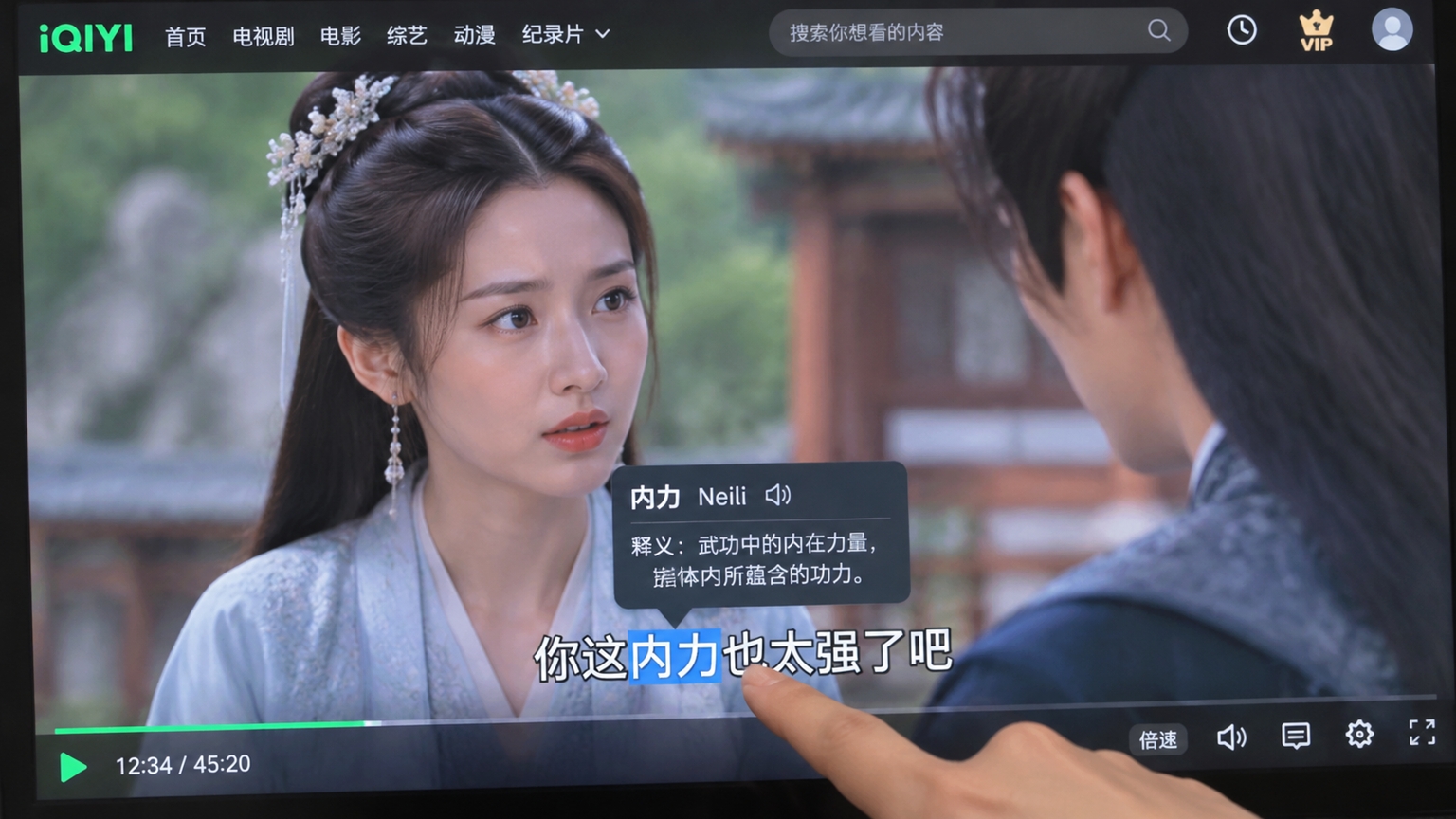
To a Western viewer familiar with fantasy genres like Harry Potter or Dungeons & Dragons, this makes sense. Magic is supernatural. But for millions of viewers in China and East Asia, this translation feels wrong. It’s not magic; it’s Neili (internal force). The difference isn’t just semantic—it’s philosophical. When we translate Neili as magic, we lose the entire system of self-cultivation, discipline, and physical logic that defines wuxia.
This is a common friction point in cross-cultural entertainment. As Chinese dramas like The Untamed or Nirvana in Fire gain global audiences, the quality of subtitles has become a battleground for cultural understanding. Are we translating words, or are we translating worldviews?
Neili vs. Magic: More Than Just Vocabulary
To understand why “Magic” is a poor substitute for “Neili,” you have to look at how wuxia works internally. In Western fantasy, magic is often an external resource or an innate gift. You are born with it, or you learn spells from a book. It separates the user from the natural world.
In wuxia, Neili is internal. It is cultivated through years of meditation, breathing exercises, and physical training. It is essentially a hyper-extended version of Qi (vital energy) theory found in Traditional Chinese Medicine. A master doesn’t cast a spell; they focus their life force to manipulate their own body or external objects. The logic is cause-and-effect rooted in the human body, not divine intervention.
When subtitles say “Magic,” they suggest randomness and supernatural exemption from physics. When they say “Internal Force” or keep the term Neili, they hint at effort, accumulation, and a specific cultural framework. For Gen Z viewers in China, who often watch these shows on platforms like Bilibili alongside foreign fans, this distinction matters. It’s part of their identity as consumers of a distinct genre.
The Streaming Platform Strategy: Simplicity Over Nuance
Why do major streaming services like Netflix often default to “Magic” or generic terms? The answer lies in localization strategy. Platforms aim for the lowest common denominator of comprehension. For a casual viewer in Ohio who has never heard of wuxia, “Magic” is instantly understandable. “Neili” requires a footnote.
However, this convenience comes at a cost. It flattens the hierarchy of martial arts skills. In wuxia, there are distinct levels: basic breathing techniques, advanced internal cultivation, and legendary states like “Golden Bell Shield.” Translating all of these as “Magic” or “Power” makes the progression system opaque. Viewers lose track of why a character suddenly becomes stronger. Is it a power-up? A cheat code? Or years of hard work?
Compare this to how Japanese anime subtitles have evolved. Terms like Nen (in Hunter x Hunter) or Ki are often kept in Romaji with brief explanations, or translated as “Aura” or “Energy.” This preserves the specific cultural flavor while making it accessible. Chinese dramas are slowly learning this lesson, but the mainstream path still leans toward simplification.
Fan Translators: The Guardians of Jianghu
While official subtitles often simplify, fan communities on platforms like Viki, WeTV, and Reddit have taken matters into their own hands. On Viki, for example, fan translators often create “community subtitles” that are more precise than the official ones.
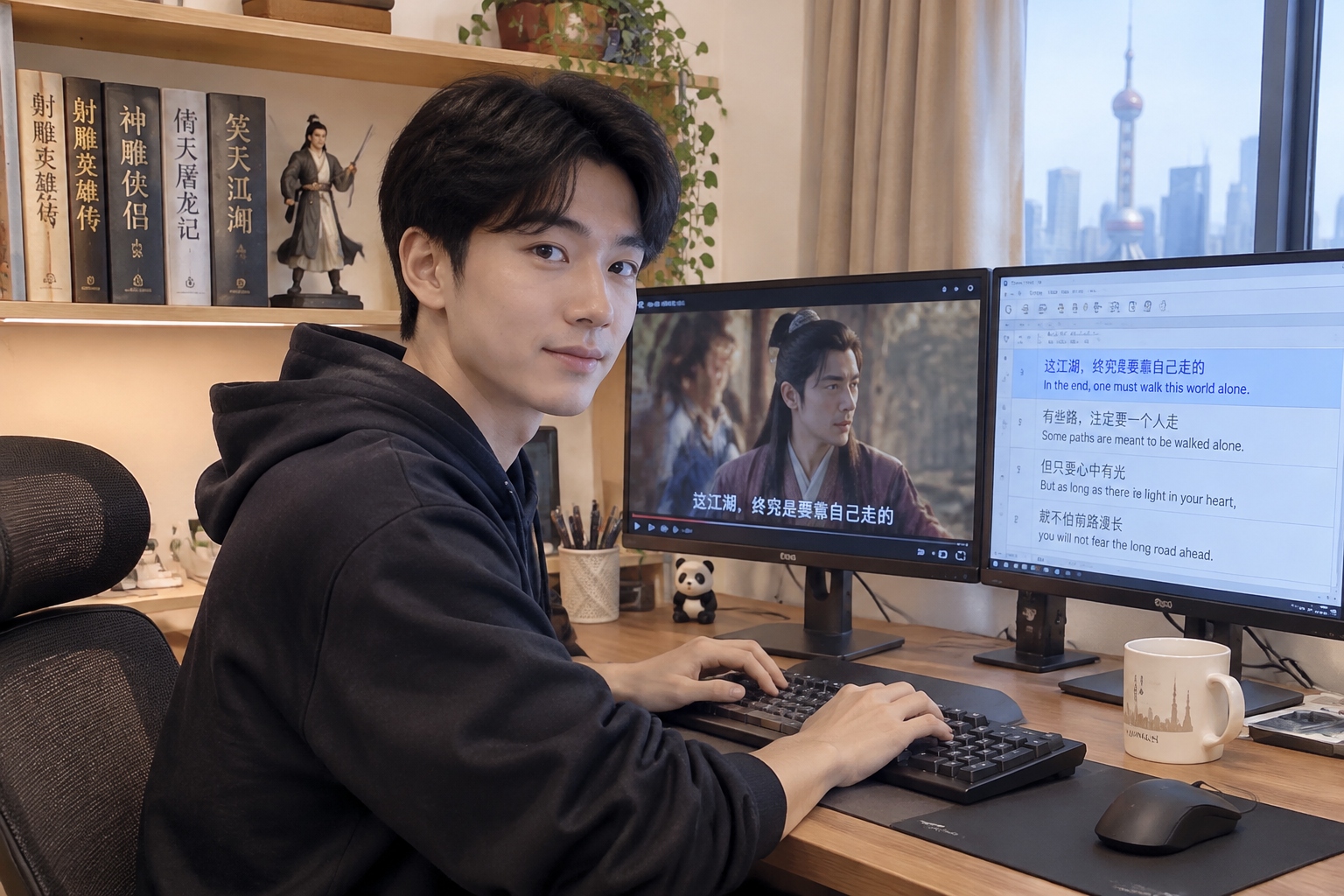
A common practice among these translators is to keep terms like Qinggong (lightness skill) or Neili in Pinyin, followed by a brief contextual clue. For instance, instead of saying “He used magic to fly,” they might write, “He uses Qinggong to leap across the water.” This forces the viewer to engage with the concept rather than passively consuming a familiar trope.
I recently spoke with Li Wei, a 24-year-old student in Shanghai who contributes to subtitle groups for Chinese dramas watched internationally. “When we translate ‘Neili’ as ‘Magic,’ my foreign friends ask why the characters don’t just use magic all the time,” Li explains. “But if we explain that Neili is like stamina combined with focus, they understand why the character gets tired or needs to meditate. It changes how they view the story.”
The Cultural Cost of Flattening
Language shapes perception. If you call wuxia “Chinese Magic,” it invites comparisons to Western fantasy, where the rules are different. In Western fantasy, wizards often study in towers. In wuxia, masters wander the Jianghu (rivers and lakes), a metaphor for society outside official control.
The concept of Jianghu itself is another victim of poor translation. It’s rarely translated literally because it makes no sense in English. Instead, it’s often rendered as “the martial world” or “underworld.” But Jianghu implies a specific social contract: honor, loyalty, and freedom from bureaucracy. Reducing it to “underworld” evokes mafia movies, which is culturally inaccurate.
This isn’t just about pedantry. It’s about respect for the source material. Wuxia is not a lesser genre of fantasy; it’s a distinct literary tradition with roots in history, philosophy, and medicine. When we simplify its language, we inadvertently suggest that its logic is less rigorous or interesting than Western equivalents.
Can We Find a Middle Ground?
So, what should the solution be? Abandoning subtitles for foreign viewers isn’t practical. But there are ways to bridge the gap without dumbing down the content.
First, consistency matters. If a platform decides to use “Internal Energy” for Neili, it should stick to that term throughout the series. Second, glossaries can help. Many streaming platforms now offer pop-up definitions or linked glossaries. Imagine clicking on “Neili” and seeing a 30-second video explaining Qi cultivation.
Finally, we need to trust the audience. Global viewers are increasingly savvy. They binge-watch Korean dramas and learn words like Oppa or Ajussi. They watch anime and understand Ninja or Samurai. Chinese drama fans are ready for terms like Jianghu, Xia (chivalry), and Wuxia. Keeping these terms in their original form, with context clues, doesn’t alienate viewers—it educates them.

Beyond Translation: Understanding the Logic of Wuxia
The debate over “Neili” vs. “Magic” is ultimately about how we consume culture. Do we want a smooth, frictionless experience where everything feels familiar? Or do we want to encounter something different, and make the effort to understand it?
For Chinese creators and translators, the challenge is to export not just stories, but systems of thought. Wuxia offers a worldview where human potential is limitless through discipline. This is a powerful message that transcends language.
Next time you watch a wuxia drama, pay attention to the subtitles. If you see “Magic,” pause and think about what was lost. If you see “Neili” or “Internal Force,” appreciate the effort to preserve the texture of Jianghu. The true martial arts aren’t just in the sword fights; they’re in the words we choose to describe them.