

Where the Neon Ends and the Smoke Begins
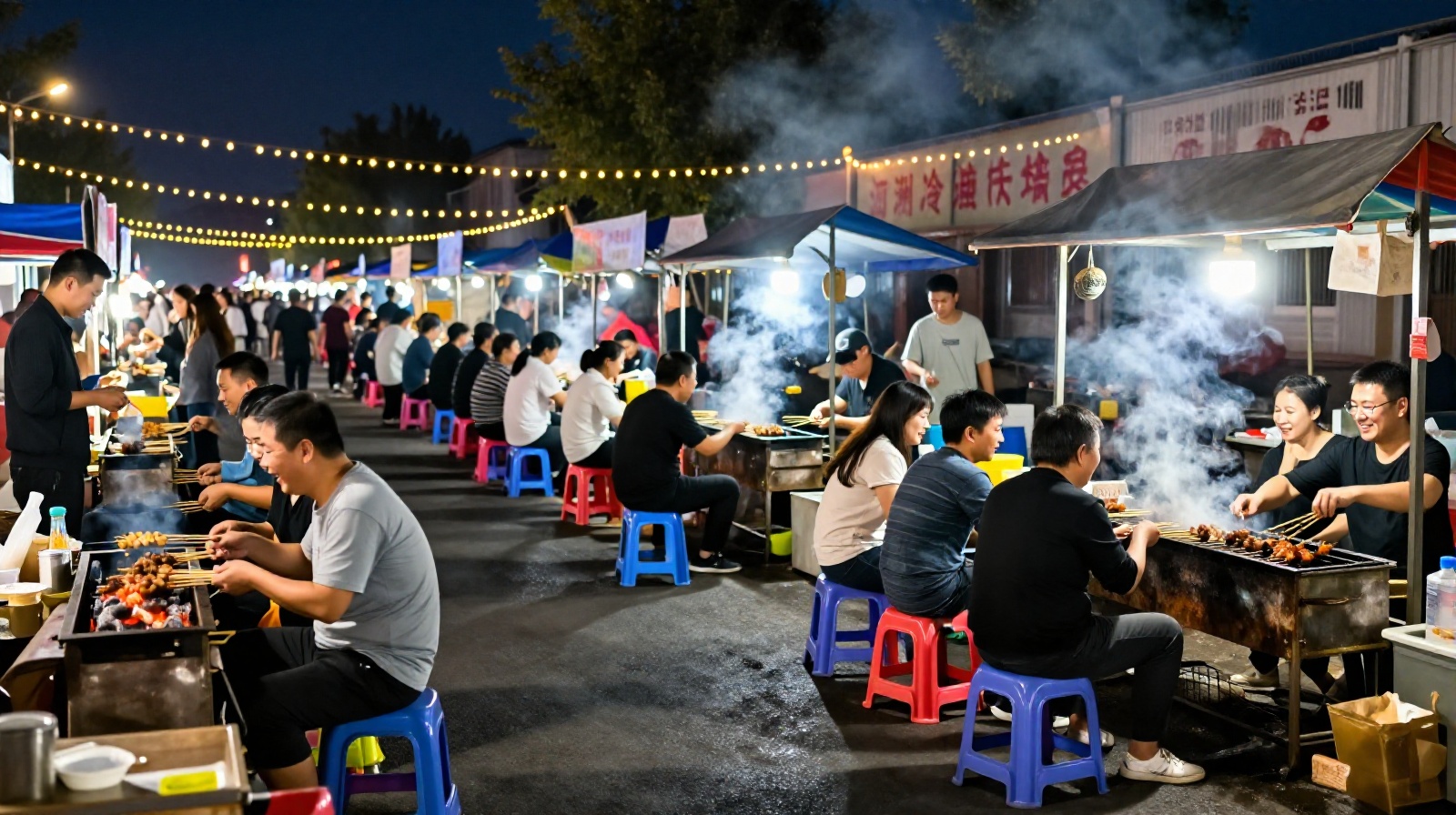
If you ask someone outside China to imagine its nightlife, they might picture a futuristic metropolis of holograms or a silent, high-speed train. But step into Jinzhou in Liaoning province on a summer evening, and the first thing you notice is the smell.
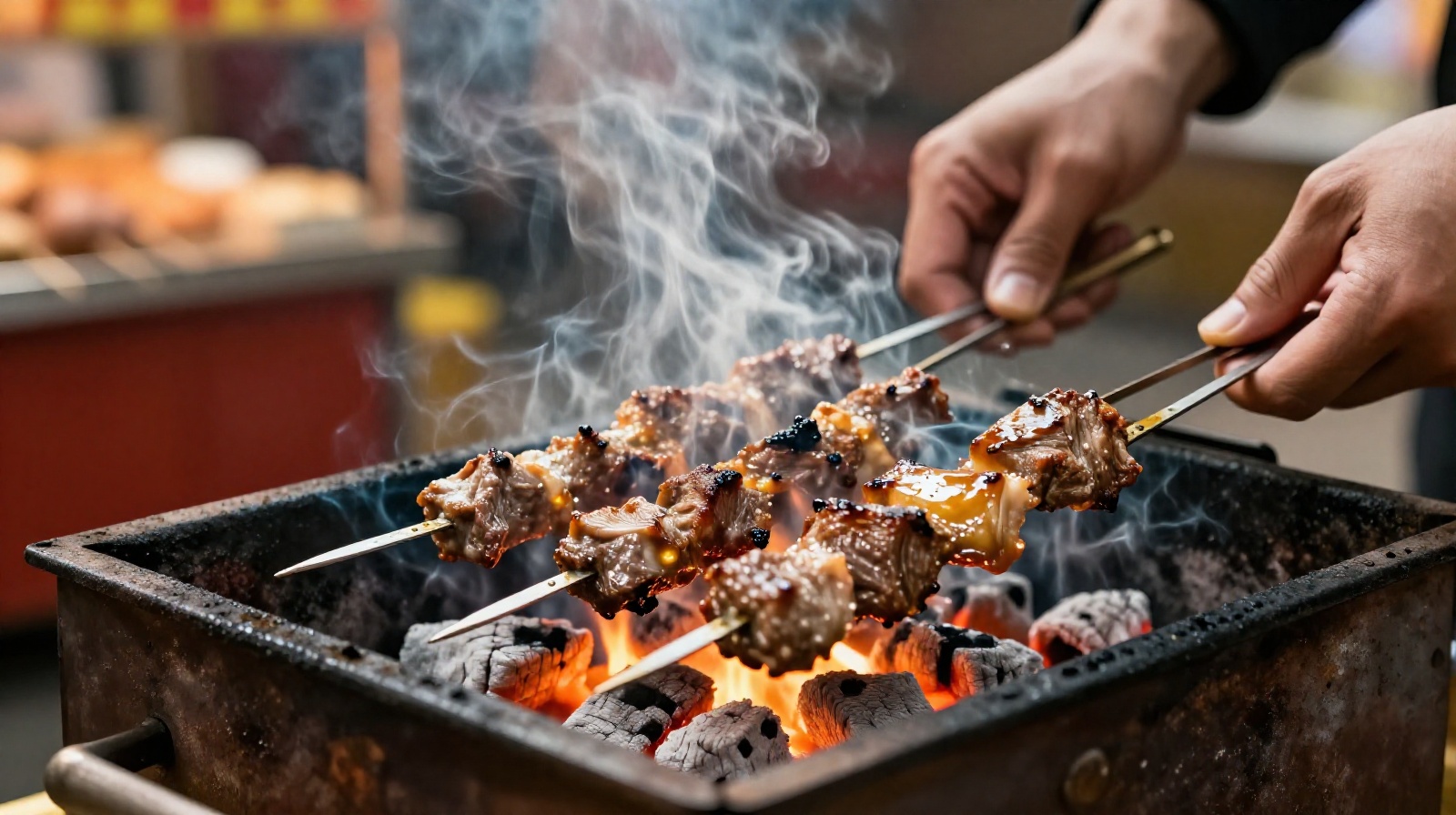
It’s a thick, aromatic haze of charcoal smoke mixed with cumin, chili powder, and garlic. This isn’t just dinner; it’s a daily ritual that has turned this northern city into an unofficial food capital. I remember my first night there: sitting on plastic stools under string lights, watching neighbors in casual t-shirts and locals from the nearby factories laughing as they tear apart lamb skewers.
The Art of ‘Yan’: When Night Becomes Social
In Northeast China, dinner doesn’t end at 7 PM. There is a local term called ‘Yan’ (eating late), which transforms the night into a vibrant social stage. For many workers in this industrial region, the day’s labor ends with a shift change, not a commute home.
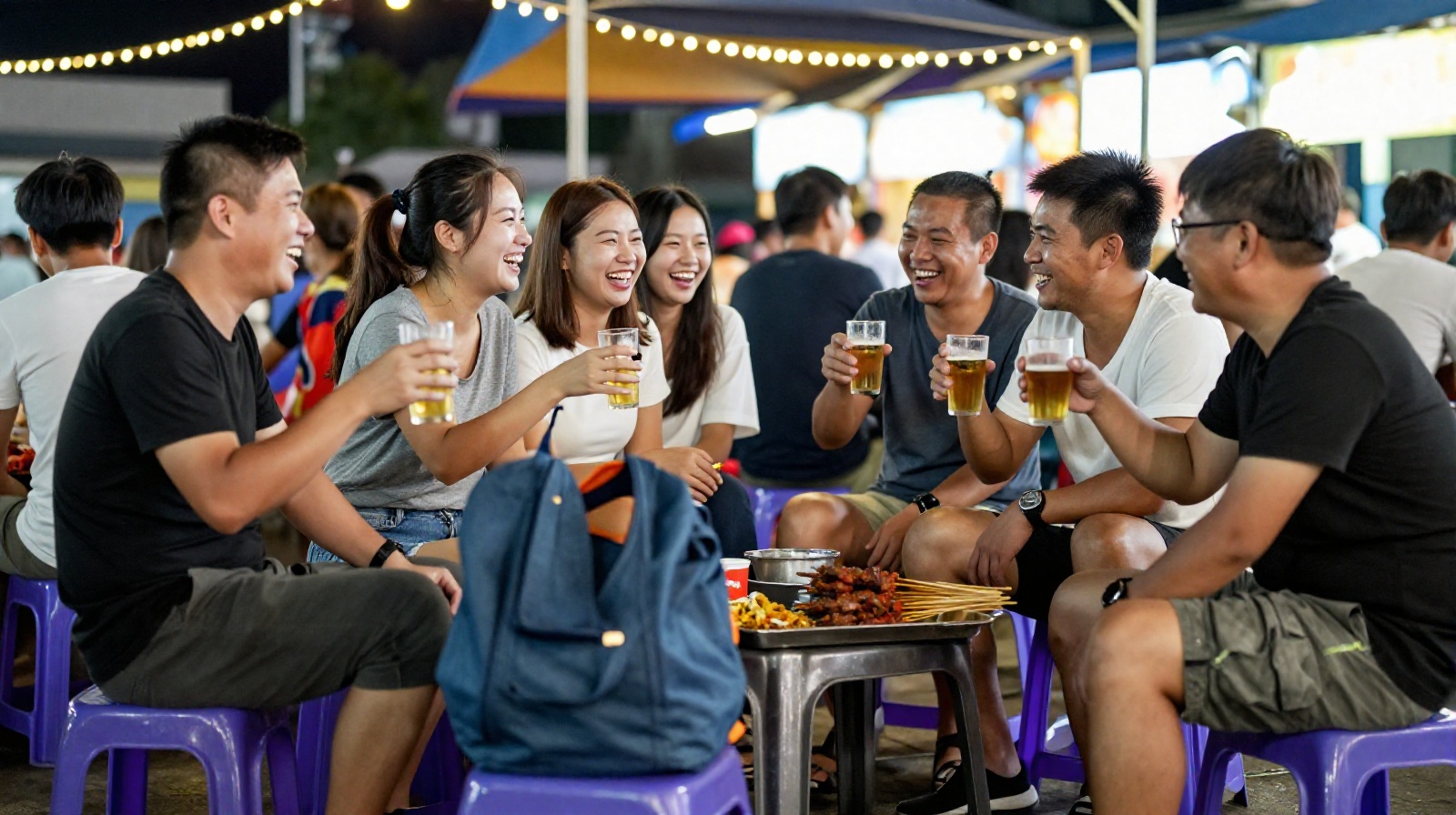
The skewer stall becomes the living room of the street. People don’t just eat here; they settle in for hours. You’ll see groups of friends debating local politics, families celebrating a child’s promotion, or business partners sealing deals over glasses of ‘Snow’ beer. The loud laughter and clinking bottles are not signs of rowdiness, but of comfort.
In this culture, food is the ultimate icebreaker. A stranger sitting at your table isn’t an intrusion; they are often invited to share a plate if there’s room on the grill. It is a rare form of hospitality in the modern world where privacy is prized above all else.
The Resilience of the Grassroots Economy
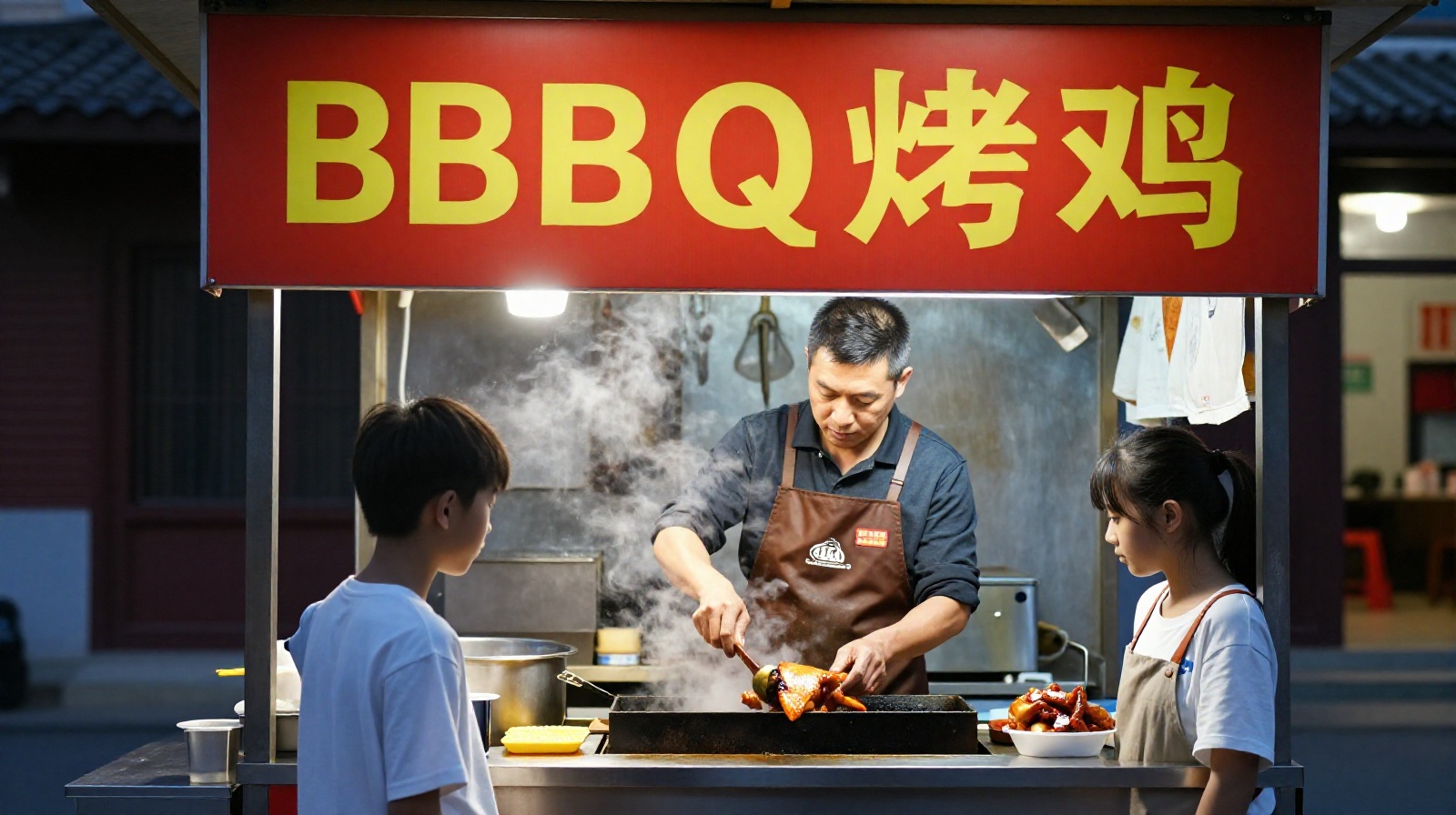
Walking through Jinzhou’s night markets, you see more than just food vendors; you see the backbone of local consumption. These aren’t faceless chains with uniform uniforms. They are family-run stalls where a father teaches his son how to season meat, and neighbors know exactly which stall makes the best ‘bacon-wrapped dates’.
Despite global economic headlines about slow growth, the energy here is palpable. The economy of these night markets relies on high turnover and low margins, a model that has kept small businesses alive for decades. In Jinzhou, you can find a full meal of grilled lamb, vegetables, and beer for less than $10.
This affordability drives a unique social dynamic. It allows students, laborers, and office workers to gather at the same table without financial stress. The ‘street food economy’ here isn’t just about survival; it’s about accessibility and community cohesion.
Decoding the Northern Hospitality
For foreign visitors, the biggest shock is often not the taste of the food, but the intensity of the interaction. Northeasterners are famous for their warmth and directness. In a Jinzhou BBQ joint, you might be asked to drink with the stranger next to you before even knowing their name.
The pouring ritual is specific: hold your glass slightly lower than theirs as a sign of respect, but fill it to the brim because an empty cup is seen as unfriendly. The conversation flows freely—about work struggles, family dramas, or the weather. There are no hidden agendas in these late-night exchanges.
This openness breaks down the barriers that often separate people in other cultures. It’s a reminder that beneath the rapid urbanization and digital transformation, the human need for connection remains unchanged.

Tradition Meets Modernity
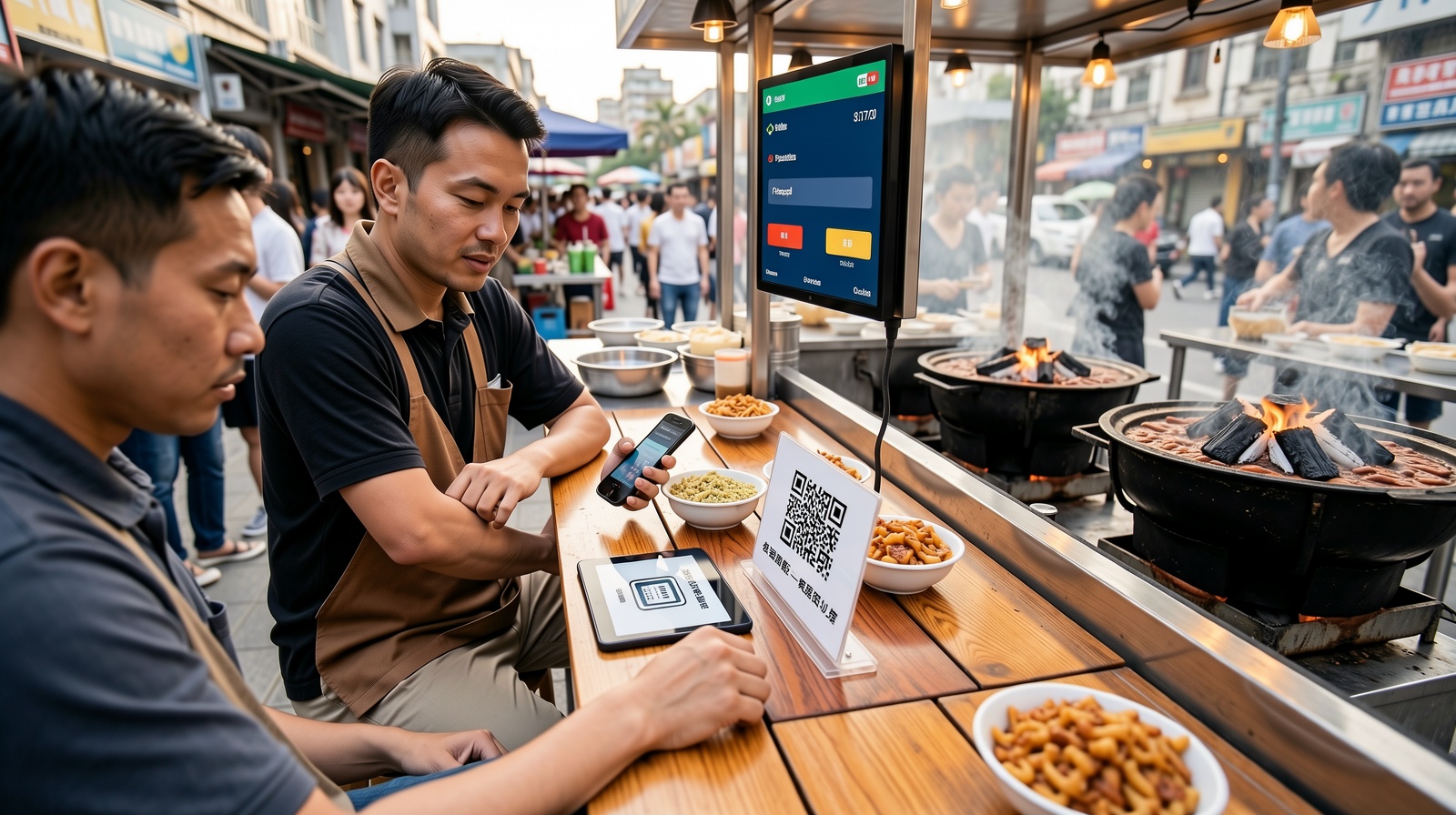
Don’t think this is a frozen moment in time. The traditional charcoal grills are evolving. While purists insist on real coal for flavor, many stalls now use electric smokeless ovens to comply with strict city environmental regulations.
Yet, the core experience remains. You’ll see customers scanning QR codes on the table to order and pay instantly via WeChat or Alipay, replacing the old paper receipts. The transition from cash to digital is seamless here; a grandmother selling vegetables next to a stall might take a smartphone payment as easily as she accepts coins.
The Real Pulse of China
When you leave Jinzhou and look back at the night, it’s clear that this city offers a window into what daily life is really like for millions of Chinese people. It’s not about grand statistics or policy papers.
It’s about the smoke rising from a charcoal pit, the clink of beer glasses, and the genuine warmth between neighbors who have known each other for years. In these humble settings, you find the true social code of Northeast China: a belief that life is better shared over a hot meal with friends.