

The Silence Before the Storm
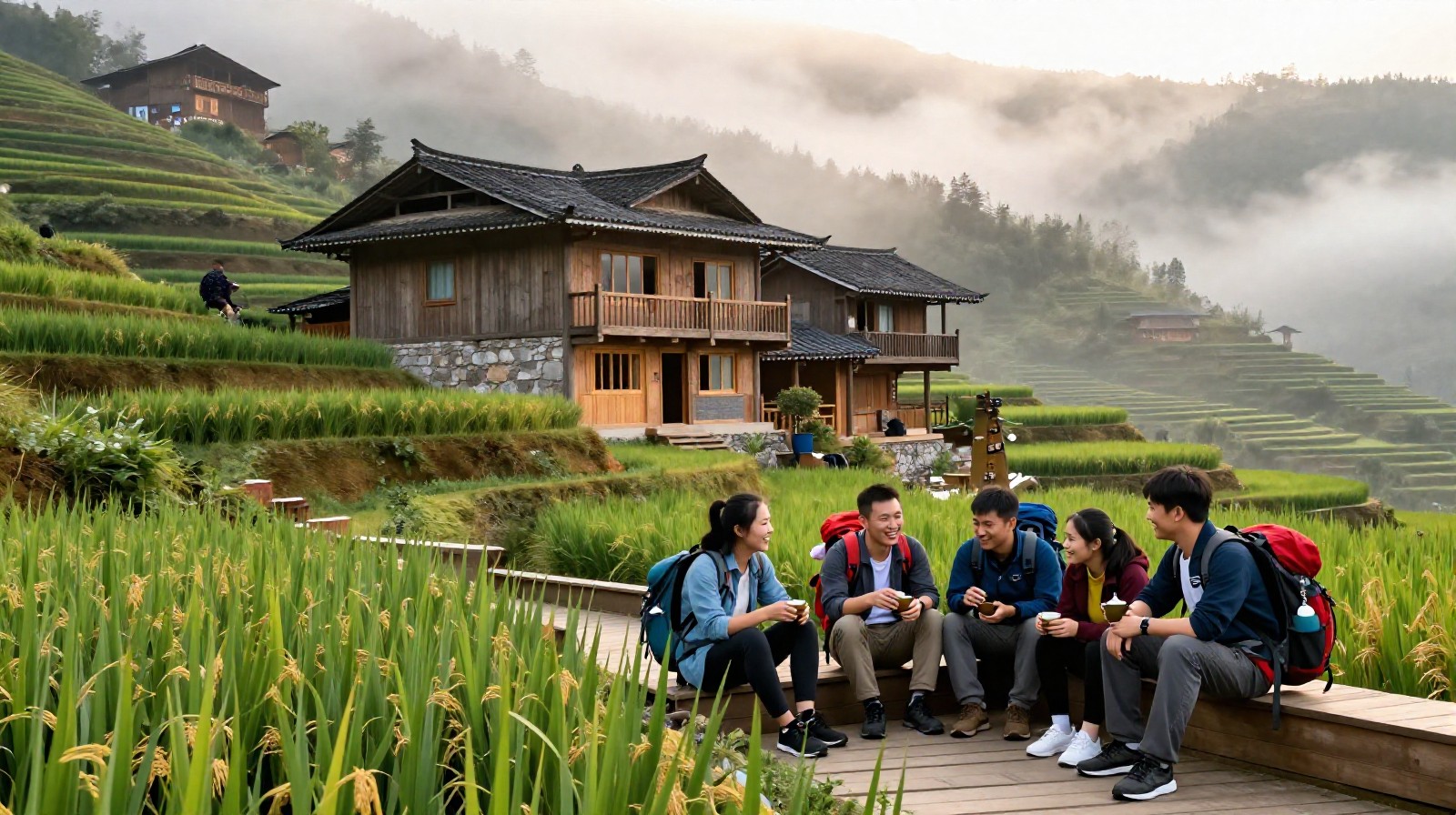
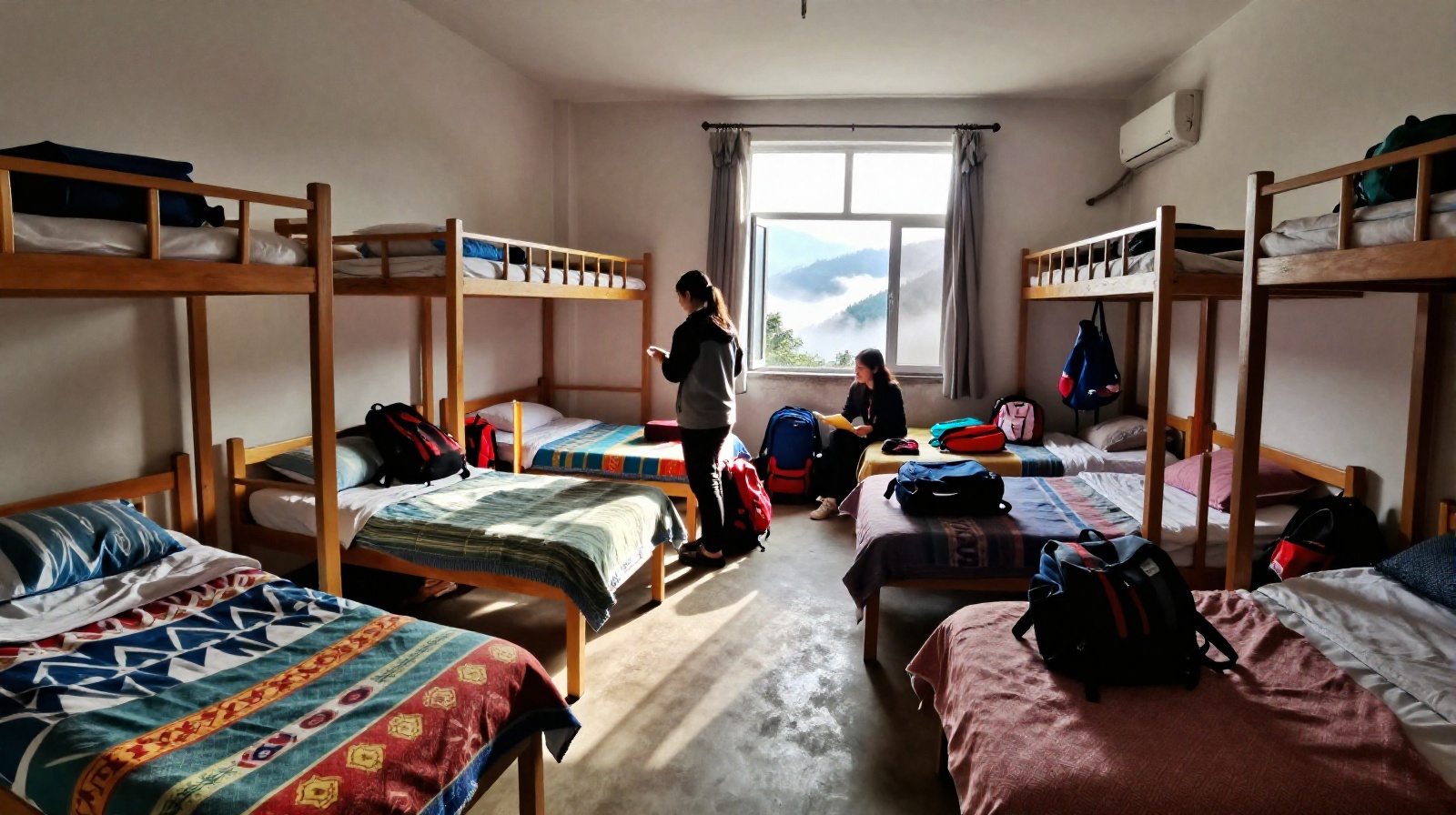
It was 6:00 AM in a village called Gouxi, nestled in the Hani梯田 terraces of Yunnan province. The air smelled of damp earth and woodsmoke. My youth hostel wasn’t a sleek building; it was a two-story wooden structure perched on a steep hillside, creaking under the weight of heavy rain from the night before. Outside, mist clung to the rice paddies, turning the landscape into a wash of greens and grays. Inside, the dormitory was already buzzing.
There were no tour guides here. No souvenir shops selling plastic trinkets. Just eight beds in one room, filled with young people who had traveled hundreds of kilometers on buses and hitchhiking rides to get off the beaten path. They weren’t looking for luxury; they were looking for something else—a break from the rigid schedules of city life.
The Mix of Strangers
By 8:00 AM, the kitchen area was transformed into a communal dining hall. The smell of instant noodles mixed with the aroma of locally fried potatoes and garlic. I sat next to Li Wei, a 24-year-old graphic designer from Chengdu who had quit his job three months ago. He wasn’t on vacation; he was on an “extended break” funded by savings.
“I needed to get out,” Li said, stirring his noodles. “In the office, we are just numbers in a spreadsheet. Here, I am just another person who can cook a pot of water.”
Next to him sat Sarah and Mark, a couple from Shanghai traveling on a budget. They had been counting their coins for three weeks, sleeping on trains when necessary, and booking the cheapest hostels available. Their conversation wasn’t about investment portfolios or property prices in Pudong; it was about how to fix a broken zipper with a safety pin and where to find the best street-side tea.
The group was diverse: students from Beijing, factory workers from Guangdong, and teachers from Sichuan. They spoke different dialects but understood each other perfectly. The language barrier that often exists in international hostels was gone. Instead of awkward small talk, there was immediate camaraderie. They shared food, borrowed chargers, and swapped advice on which villages had the best waterfalls.

Travel Without the Filter
In major tourist cities like Xi’an or Shanghai, you often see people posing for photos with their phones held high, chasing the perfect shot for social media. Here in Gouxi, the dynamic was different. Yes, they took photos, but mostly of each other, laughing at a joke, or capturing the steam rising from a pot of soup.
I noticed something interesting: their consumption habits were practical and experiential. They weren’t buying expensive branded souvenirs. Instead, they spent money on local experiences—hiking guides who knew the secret paths, homemade rice wine in small village shops, or a night’s stay in a homestay run by an elderly couple.
“We don’t need to show everyone we were here,” said Xiao Ming, a college student from Wuhan. “I took five photos today, but I only posted one on WeChat Moments. The rest are for my own memory.”
This shift reflects a broader trend among China’s Gen Z. After years of rapid urbanization and the digital saturation of city life, young people are seeking authenticity. They want to disconnect from the constant noise of algorithms and notifications. They are willing to endure discomfort—cold showers, long bus rides, basic food—to feel more connected to the real world.

The Quiet Revolution of Travel
As the week progressed, I realized that this remote hostel was a microcosm of a changing China. It wasn’t just about tourism; it was about how young people are redefining success and happiness.
Their stories were not grand adventures of conquering mountains, but quiet moments of finding peace. They talked about the pressure to get married at 30, the stress of corporate culture, and the feeling of being trapped in a rat race. For them, this trip was an act of rebellion—a way to reclaim their time.
One evening, we sat around a small fire pit outside the hostel. The temperature dropped quickly as the sun set. Someone started playing a guitar, and soon, everyone was singing along. It wasn’t a professional performance; it was raw and imperfect. But in that moment, surrounded by mountains and strangers who had become friends, there was a profound sense of belonging.
Leaving Gouxi after seven days felt like waking up from a long dream. The city waiting for me would be loud, fast, and demanding. But I carried something with me: the realization that the pulse of China’s youth isn’t just in its skyscrapers or tech hubs. It’s also here, in these quiet corners, where young people are finding themselves.