
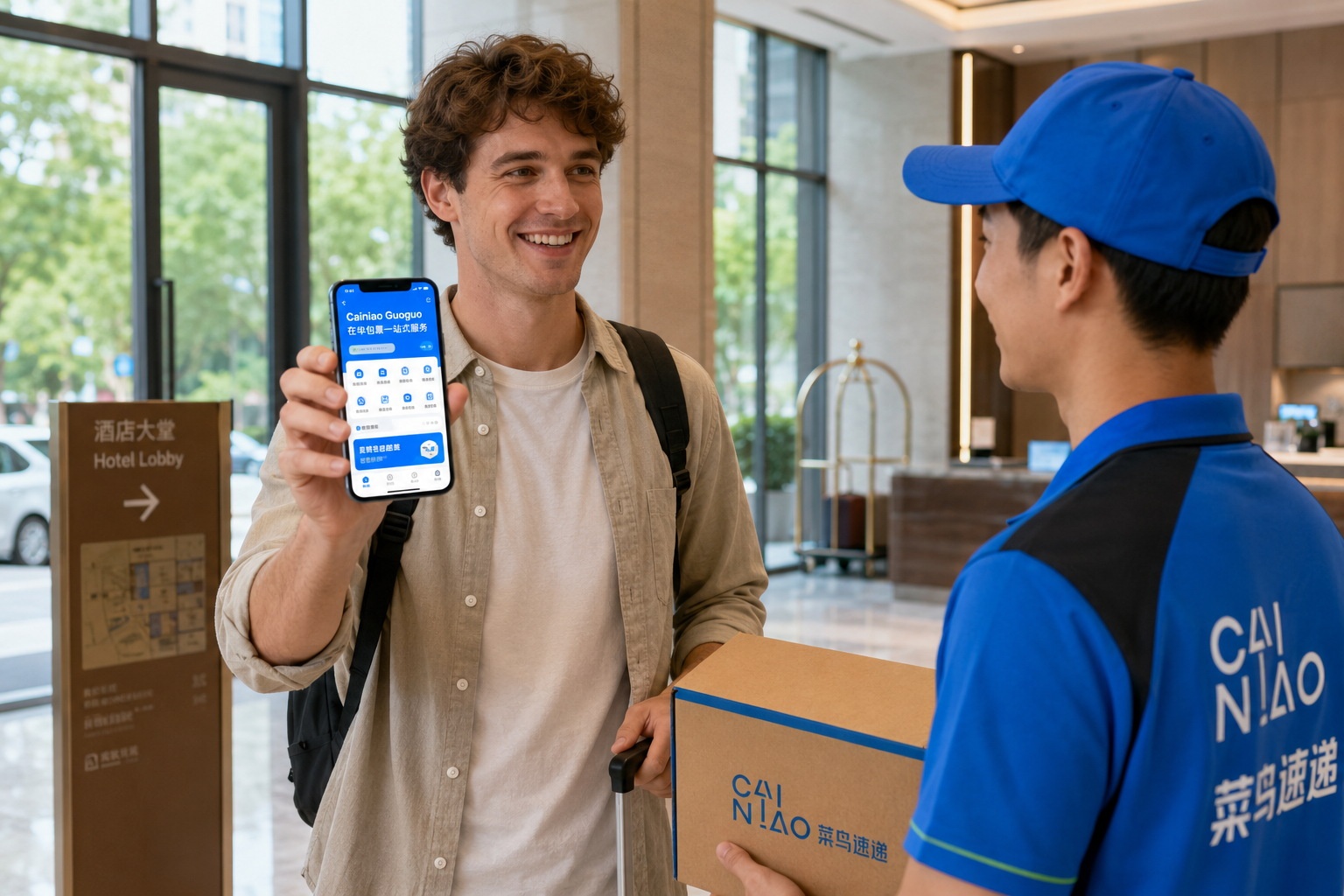

The Convenience of Chinese Logistics
If you have ever traveled through China, you likely noticed something peculiar: almost nobody uses traditional post boxes. Instead, the postal system here is digital-first and incredibly agile. Whether it’s a pair of shoes bought online or documents sent between offices, items move with a speed that often feels like magic to outsiders.
For foreigners living in or visiting China, this efficiency can initially be intimidating. The sheer volume of apps and the language barrier can make simple tasks feel complex. However, one app has emerged as the universal key to this ecosystem: Cainiao Guoguo (often just called “Cainiao”). Owned by Alibaba, it is not just for shopping returns; it is a comprehensive logistics tool that allows you to ship almost anything from your hotel room or home.
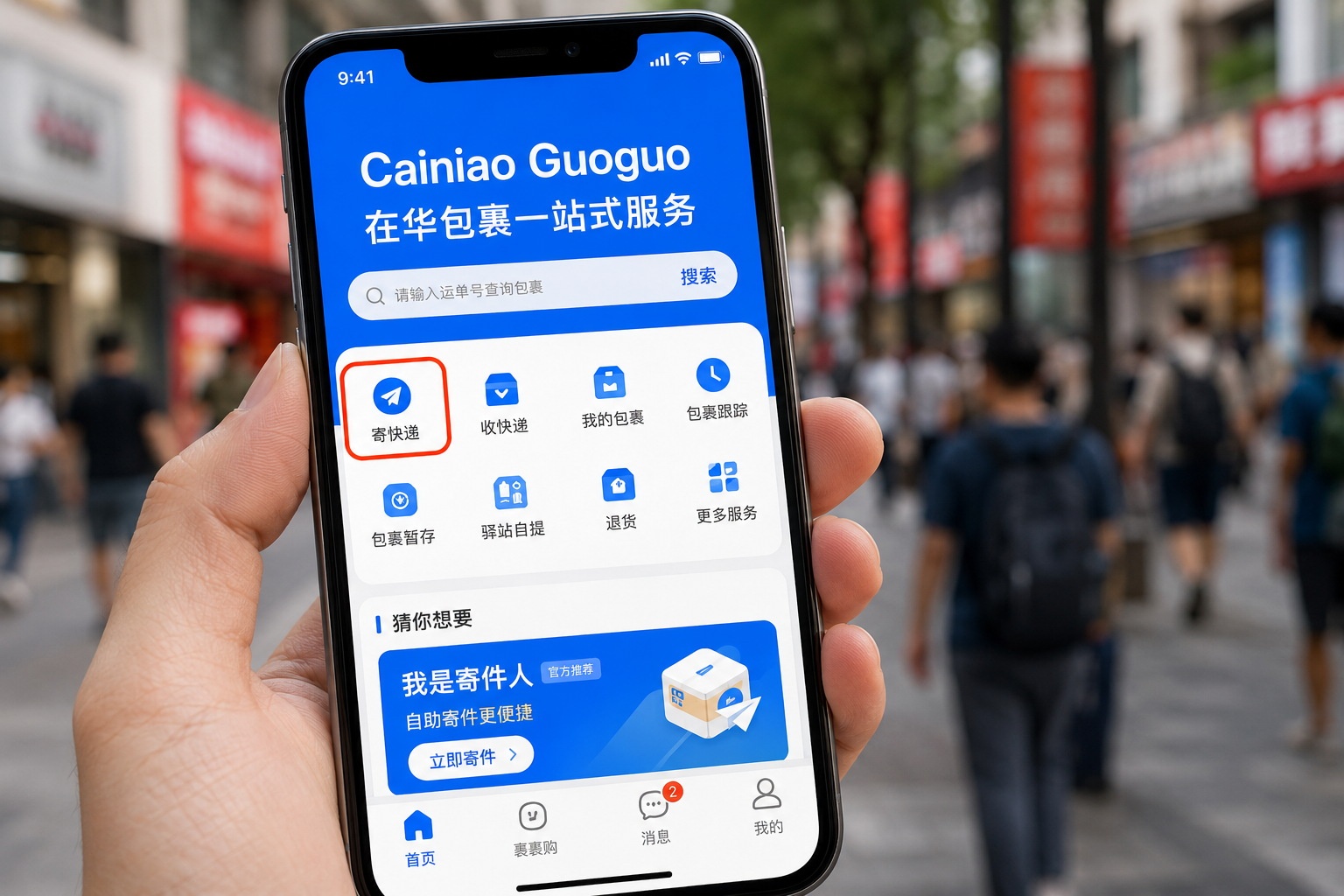
What Is Cainiao Guoguo?
Cainiao Guoguo is essentially a “ride-hailing” service for packages. Just as you use Didi or Uber to summon a car, you use this app to summon a courier who will come to your door to pick up your item.
The interface is primarily in Chinese, which can be a hurdle. However, the logic is universal. You don’t need to print labels, write addresses by hand, or even wrap your items perfectly—the courier handles most of that on arrival. This “door-to-door” service is standard across China, turning what used to be a chore into a matter of tapping a few buttons.
Step-by-Step: How to Ship
Using the app requires minimal Chinese knowledge if you know where to look. Here is how to navigate the process:
- Download and Register: Download Cainiao Guoguo from your app store. You will need a Chinese phone number to register, as SMS verification is mandatory.
- Select “Send Package”: On the home screen, look for the button labeled “寄快递” (Jì Kuàidì). This translates to “Send Express.” If you struggle with the characters, use your phone’s translation camera feature to highlight it.
- Enter Details: You will need to input the recipient’s name, phone number, and address. For the sender, simply enter your current location (hotel or home). The app can automatically detect your GPS location, saving you from typing complex Chinese characters for street names.
- Choose Courier Service: Cainiao aggregates multiple logistics companies, including SF Express, YTO, and ZTO. For most users, the default “Economy” option is sufficient and affordable. If you need speed, select “Next Morning Delivery” or similar premium options.
Real-Life Scenario: Returning a Taobao Purchase
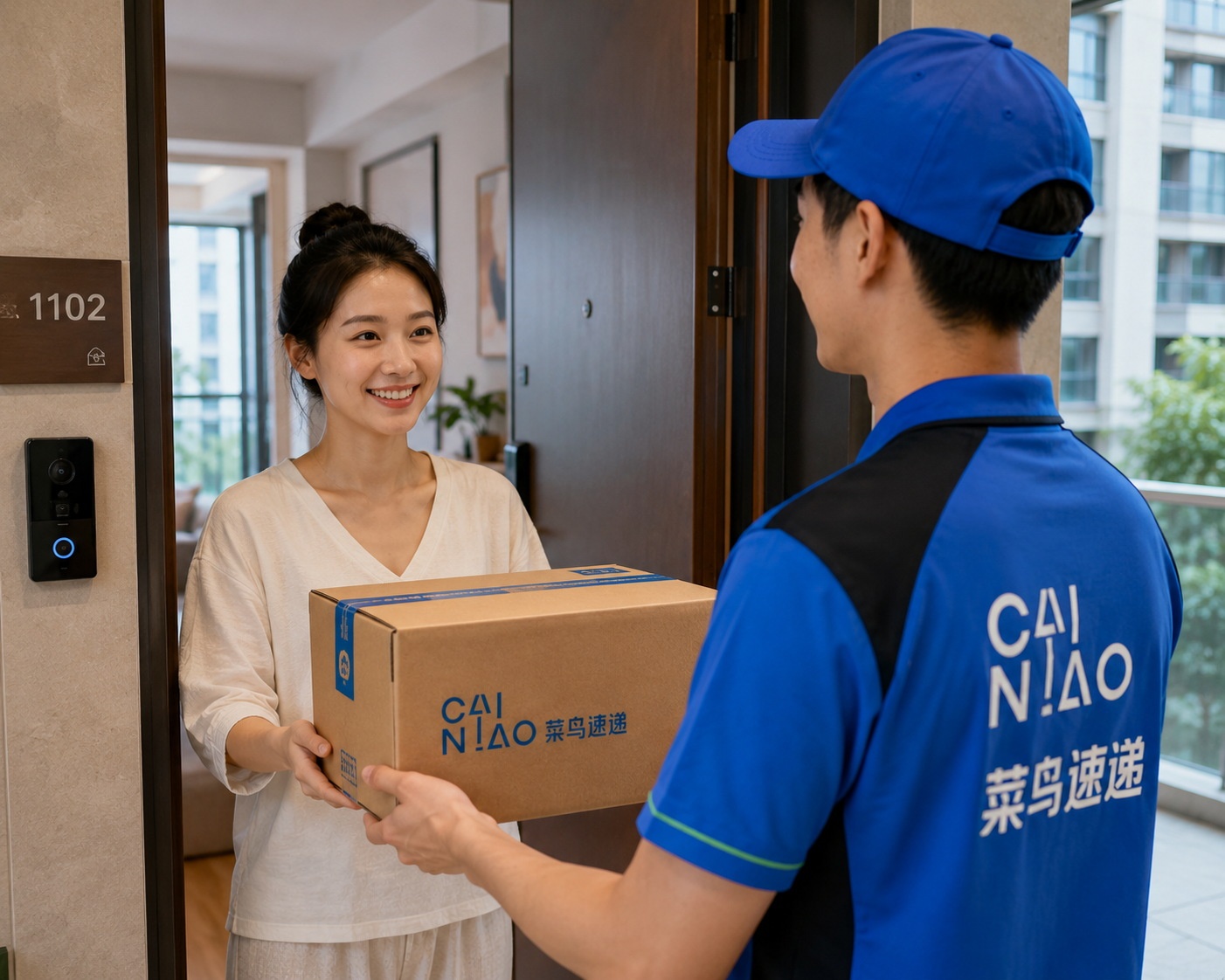
The most common use case for foreigners is returning an item bought on Taobao or Tmall. This process has been streamlined to almost zero effort:
- Open the Cainiao app and select “Return Package” (退货).
- Link your e-commerce account. The app will automatically pull up your order details.
- Schedule a pickup time. A courier will arrive at your door, often with pre-printed labels.
- You simply hand over the item. The courier packs it, and you are done. No trips to post offices required.
Real-Life Scenario: Sending Luggage Home
Sometimes, you buy too much during a trip or need to send heavy luggage ahead of your flight. Cainiao handles this too. You can schedule a pickup for large items like suitcases. Be aware that weight is calculated strictly, so avoid over-packing boxes if possible.
Costs and Hidden Traps
Pricing in China’s logistics market is transparent but variable. Standard domestic shipping within the same province or neighboring cities is very cheap—often between 8 to 12 RMB (approx. $1.10–$1.65 USD) for the first kilogram.
However, keep these factors in mind:
- Distant Regions: Shipping to remote areas like Xinjiang or Tibet costs significantly more due to logistical complexity.
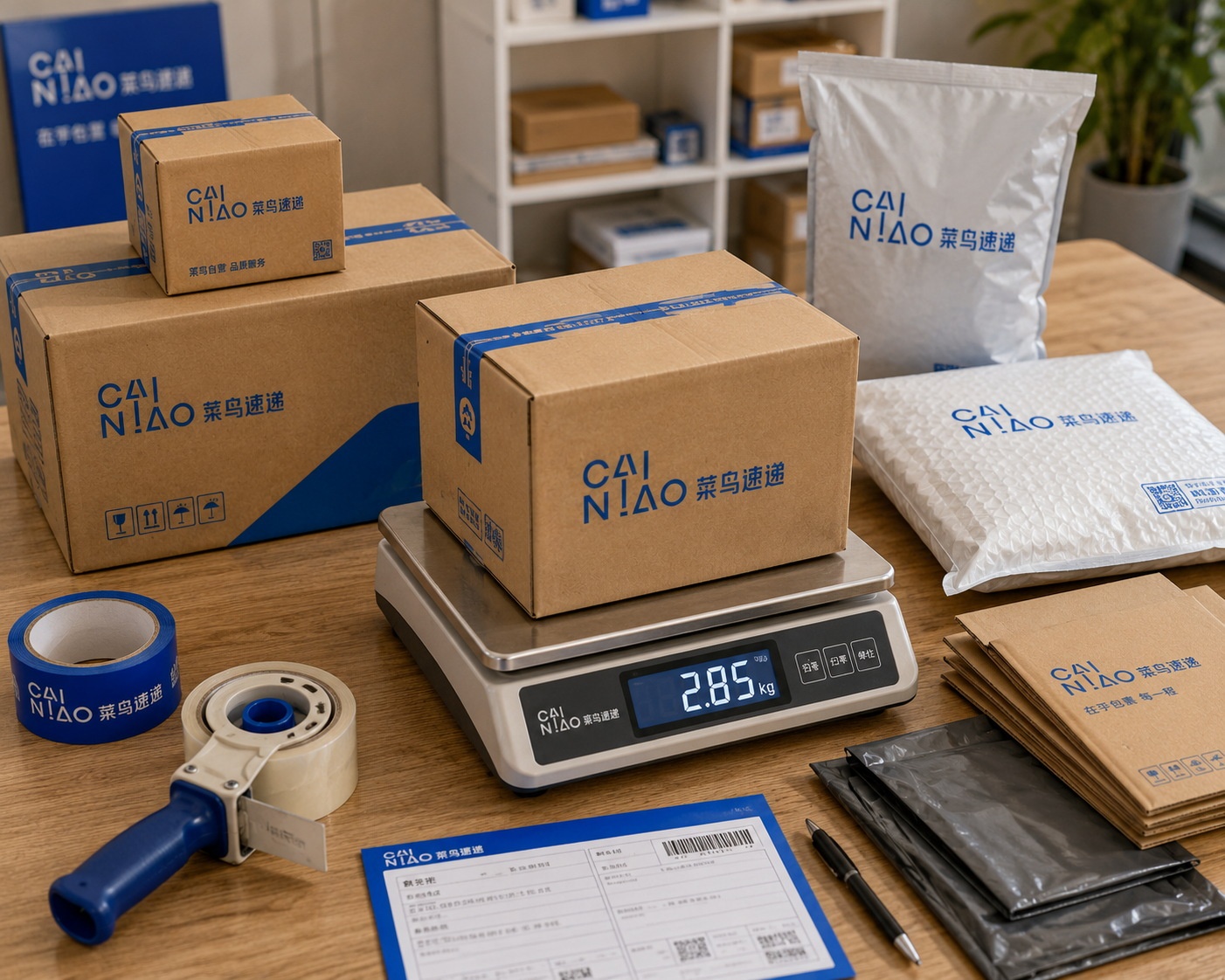
- Weight Limits: The price covers the first kilogram (1kg). Every additional kilogram incurs a surcharge. If you are shipping heavy electronics or books, expect the cost to rise quickly.
- Insurance: For valuable items like jewelry or high-end cameras, always opt for “Insured Delivery” (保价). It costs a small percentage of the item’s value but provides peace of mind.
Tips for a Smooth Experience
While the app is user-friendly, a few local tips can save you trouble:
- Courier Communication: Most couriers communicate via the in-app chat or WeChat. If you have specific instructions (e.g., “leave at the front desk”), type them clearly or use voice-to-text translation.
- Packing: While couriers bring boxes, it helps to keep items secure. Fragile items should be wrapped in clothes or bubble wrap if available.
- Timing: Pickups are usually scheduled within a 2-hour window. Be ready during that time, as couriers often have tight routes and cannot wait long for delays.
In summary, Cainiao Guoguo is more than just an app; it is a reflection of how daily life in China has adapted to digital efficiency. By removing the friction of logistics, it allows you to focus on what matters—whether that’s enjoying your travels or managing your business operations.