

When Breakfast Feels Like a Power Nap
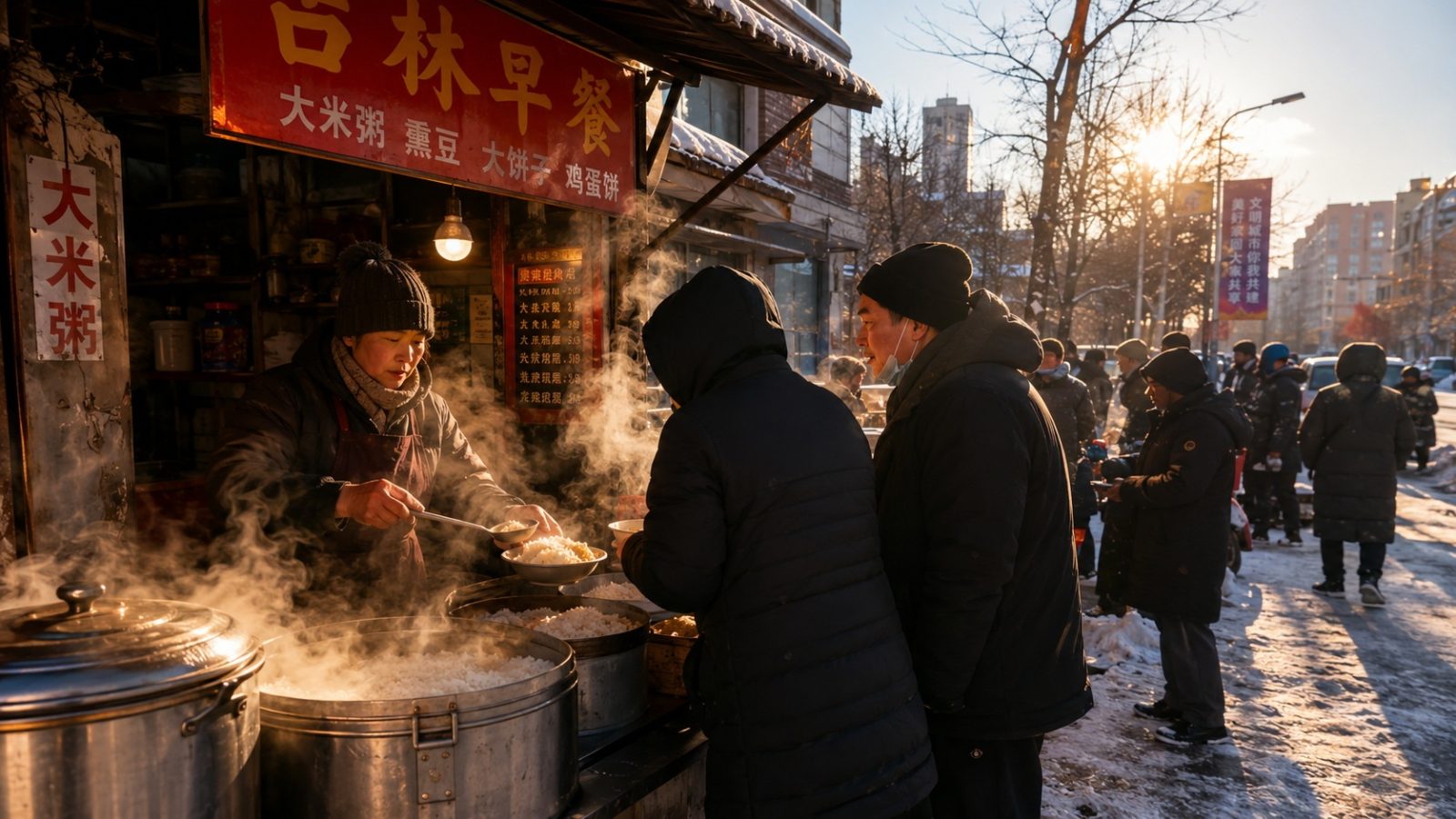
If you walk into a breakfast stall in Jilin on a January morning, the first thing that hits you isn’t the noise—it’s the steam. Thick, white clouds of vapor rise from giant steel pots, carrying the scent of boiled eggs, fermented cabbage, and freshly cooked grains.
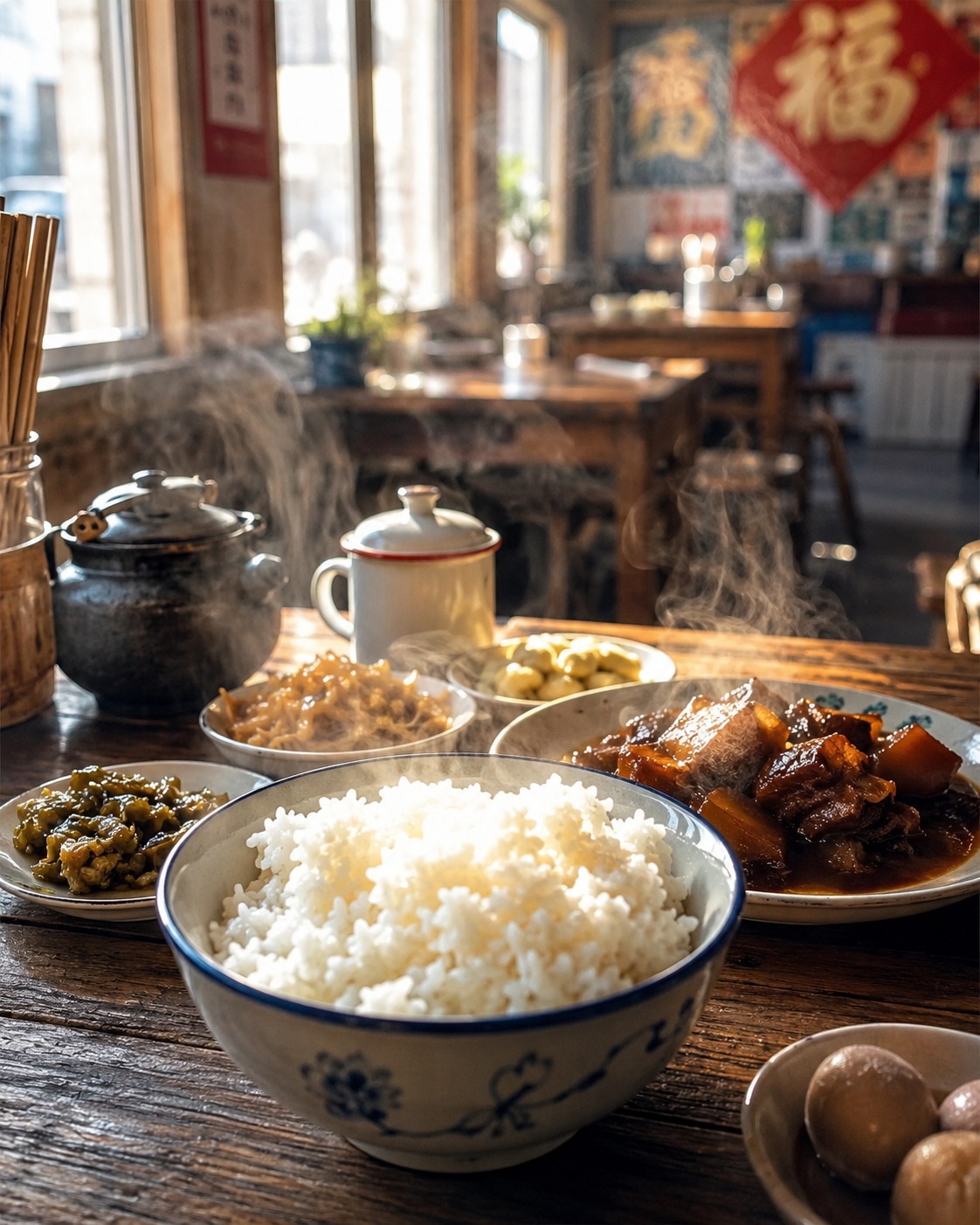
For visitors from warmer climates, the sheer volume of food can be alarming. You order a simple breakfast, and within minutes, you’re staring at a mountain of rice or a bowl of noodles so large it looks like it could sustain a small village.
The Fuel for Sub-Zero Days
Here’s the context: Jilin Province experiences some of the coldest winters in China. Temperatures regularly drop below -20°C (-4°F). In such an environment, your body isn’t just trying to maintain a comfortable temperature; it’s fighting a constant battle against the cold.
Carbohydrates are the most efficient fuel for this battle. A heavy bowl of rice or noodles provides immediate energy and keeps the core body warm for hours. It’s not about gluttony; it’s about thermodynamics. When you’re waiting for a bus in -25°C weather, that extra portion of sticky rice isn’t a luxury—it’s insurance.
This “carb philosophy” is deeply rooted in the region’s agricultural history. Jilin sits on the “Golden Corn Belt,” one of the world’s most fertile soil zones. For generations, families have grown high-yield crops like corn, soybeans, and rice. The local diet evolved to maximize the calories from what the land provides. It’s a practical relationship between the earth and the eater.
More Than Just Calories: The Social Glue
In Jilin, food is rarely eaten alone. The dining culture here is communal, loud, and intensely social. Tables are often crowded with large plates of braised pork, pickled vegetables, and steaming buns.
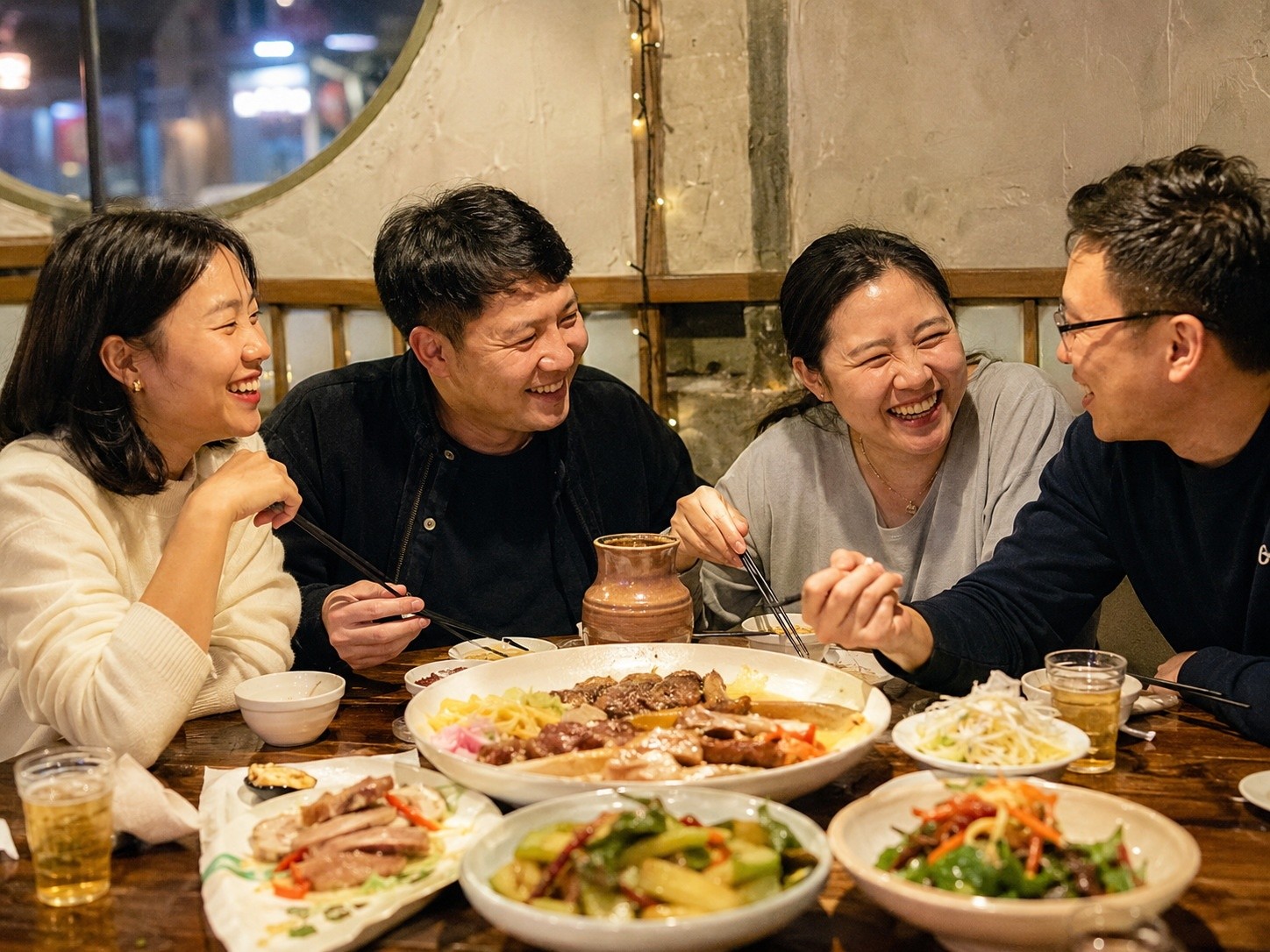
There’s a specific type of warmth that comes from sharing these heavy dishes. In a region known for its hospitality, offering someone more food is the primary language of care. If you finish your plate too quickly, you might be gently scolded by your host for not eating enough. It’s a humorous but genuine expression of affection.
This communal style fosters a sense of equality and closeness. Whether it’s a family dinner or a business lunch, the act of breaking bread together—especially bread that requires effort to digest—creates a bond that lighter meals often miss. The “heaviness” of the food mirrors the “heaviness” of the relationships: solid, reliable, and enduring.
The Modern Shift: Fitness Meets Tradition
But is this old-school diet still dominant? Yes, but with a twist. In cities like Changchun, the capital of Jilin, you’ll see a fascinating clash between tradition and modernity.
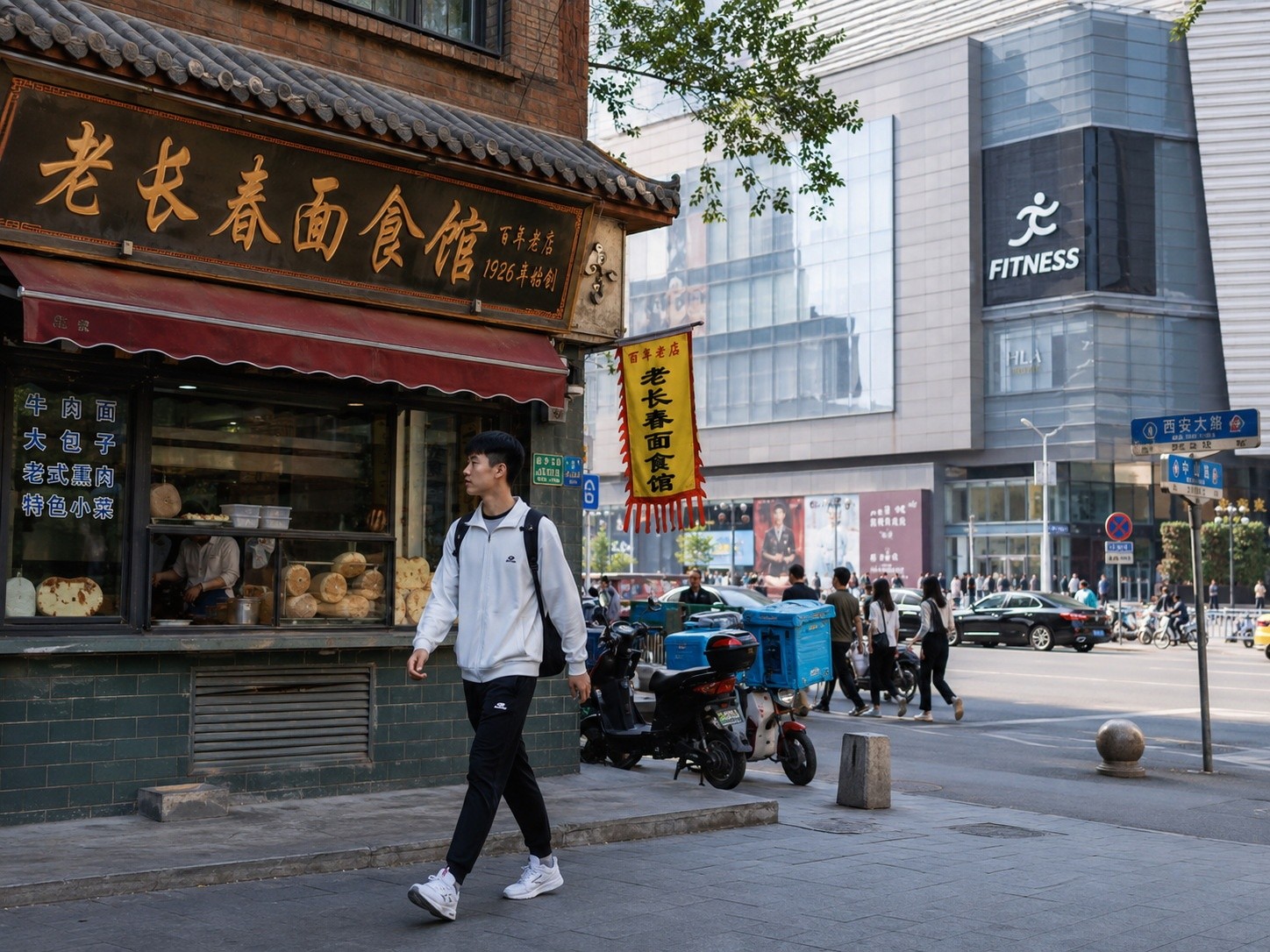
Young professionals in their 20s and 30s are increasingly health-conscious. Gyms are popping up in every shopping mall, and salad bars are becoming common in office cafeterias. Yet, the craving for traditional flavors remains strong.
The result is a new kind of balance. You might see a young person enjoying a light salad at lunch but saving room for a hearty bowl of rice noodles at dinner. Or, they might order the same traditional dishes but ask for less oil and more vegetables. It’s not about rejecting their heritage; it’s about adapting it to a faster, more sedentary lifestyle.
This adaptation shows a resilience in Jilin’s food culture. It’s not static. It’s learning to coexist with modern wellness trends while keeping its soul intact. The “carb philosophy” is evolving, but the core principle—food as energy and connection—remains unchanged.
Why You Shouldn’t Fear the Rice
If you visit Jilin, don’t be intimidated by the size of the portions or the richness of the flavors. This isn’t a place where food is merely fuel; it’s a place where food is life.
The “heaviness” of the cuisine reflects the character of its people: straightforward, generous, and unpretentious. When you sit down to a meal in Jilin, you’re not just eating. You’re participating in a ritual that has sustained families through harsh winters and built communities through shared warmth.
So, go ahead and order that second bowl of rice. Your body might need it, but your spirit will definitely appreciate it.