

Step Into the Living Room of the City
If you want to understand a Chinese city, do not start at the museum or the skyscraper. Start at the wet market. For many Western visitors, the idea of a “wet market” sounds chaotic and perhaps a bit primitive—a stark contrast to the sterile, climate-controlled supermarkets they are used to. But walking into one in Beijing, Shanghai, or Chengdu is like stepping into the living room of the city. It is where the pulse of daily life beats loudest.
I remember my first visit to a neighborhood market in Hangzhou. I expected silence and orderly aisles. Instead, I was hit by a wall of sound: the rhythmic thud of cleavers, the shouting of vendors, and the squelch of rubber boots on wet concrete. It was overwhelming, yes, but it was also undeniably alive.
A Sensory Overload That Makes Sense
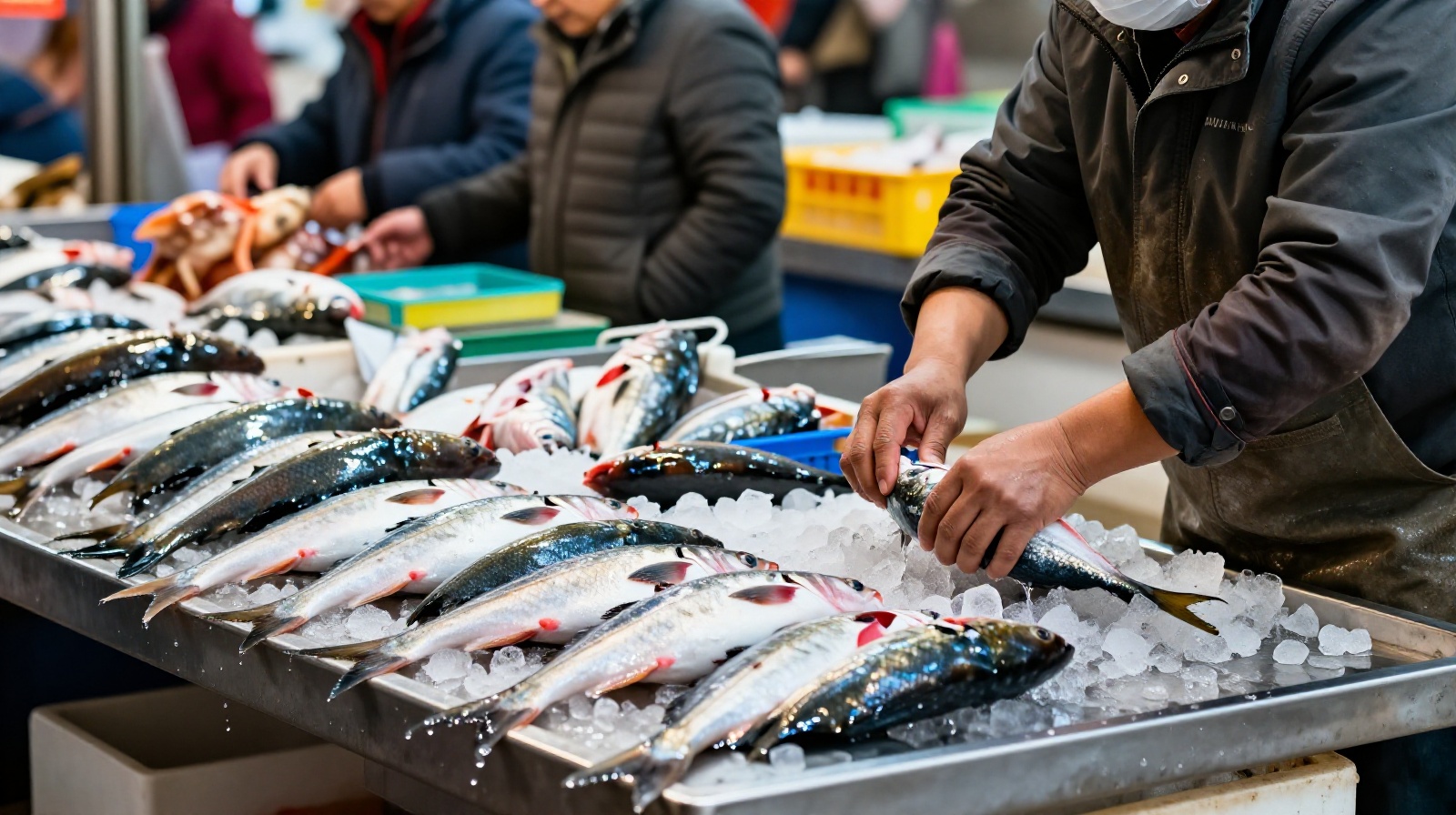
The chaos is not random; it is a highly efficient ecosystem. In the West, we often buy pre-packaged, vacuum-sealed meat from behind glass. Here, you see the source. You watch the fishmonger scale a carp with practiced speed. You smell the pungent cumin and dried chilies before you even see the lamb skewers grilling nearby.
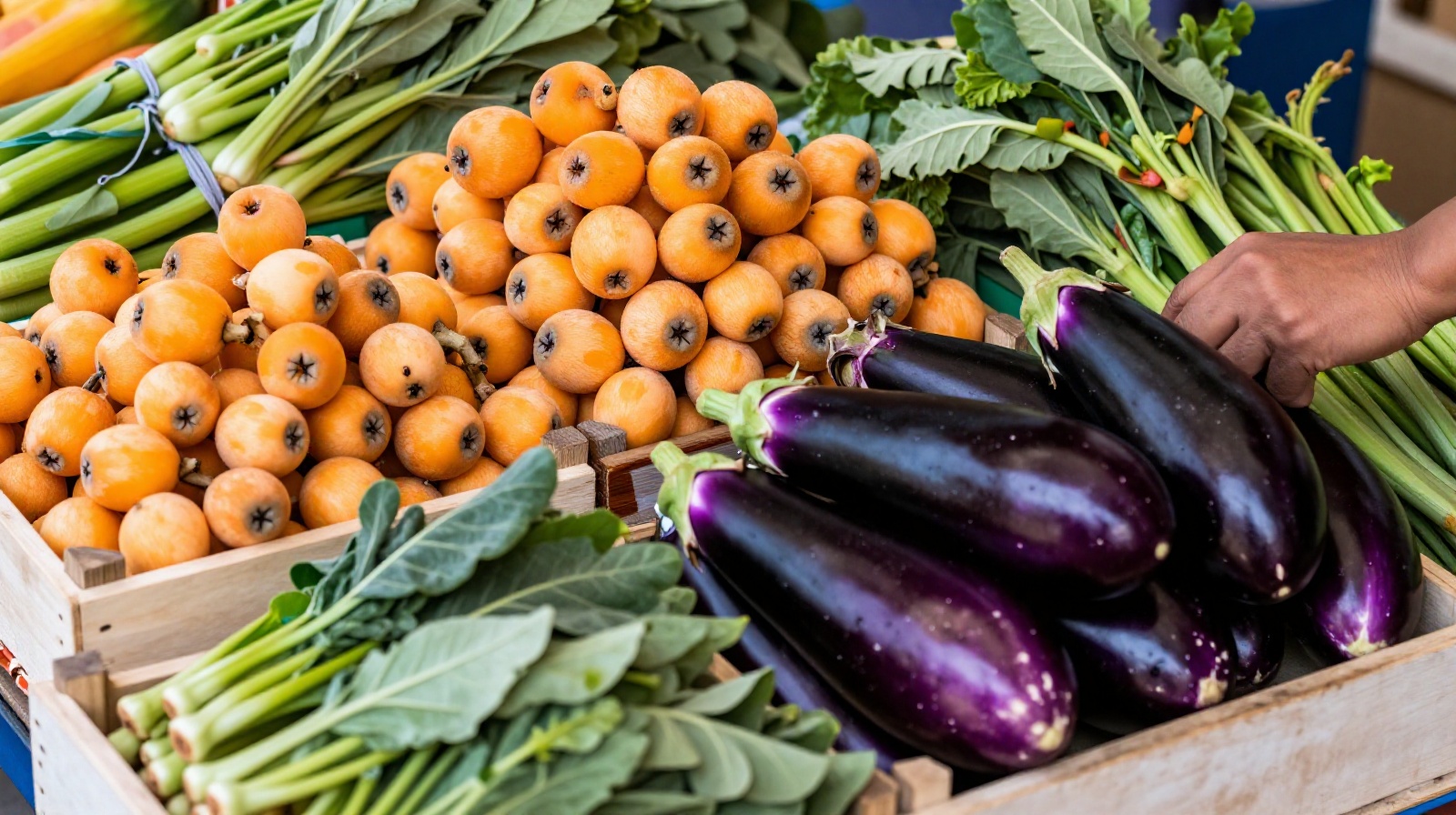
For a foreigner, the visual variety is staggering. I saw mountains of bright orange loquats next to dark purple eggplants. There were piles of leafy greens so green they looked artificial, and exotic fruits like rambutan and longan that I had only seen in documentaries. The key difference? Everything is loose. You point, you ask the price, and you get exactly what you want—no more, no less. This direct interaction creates a level of freshness that packaged goods simply cannot match.
When Tradition Meets Digital Speed
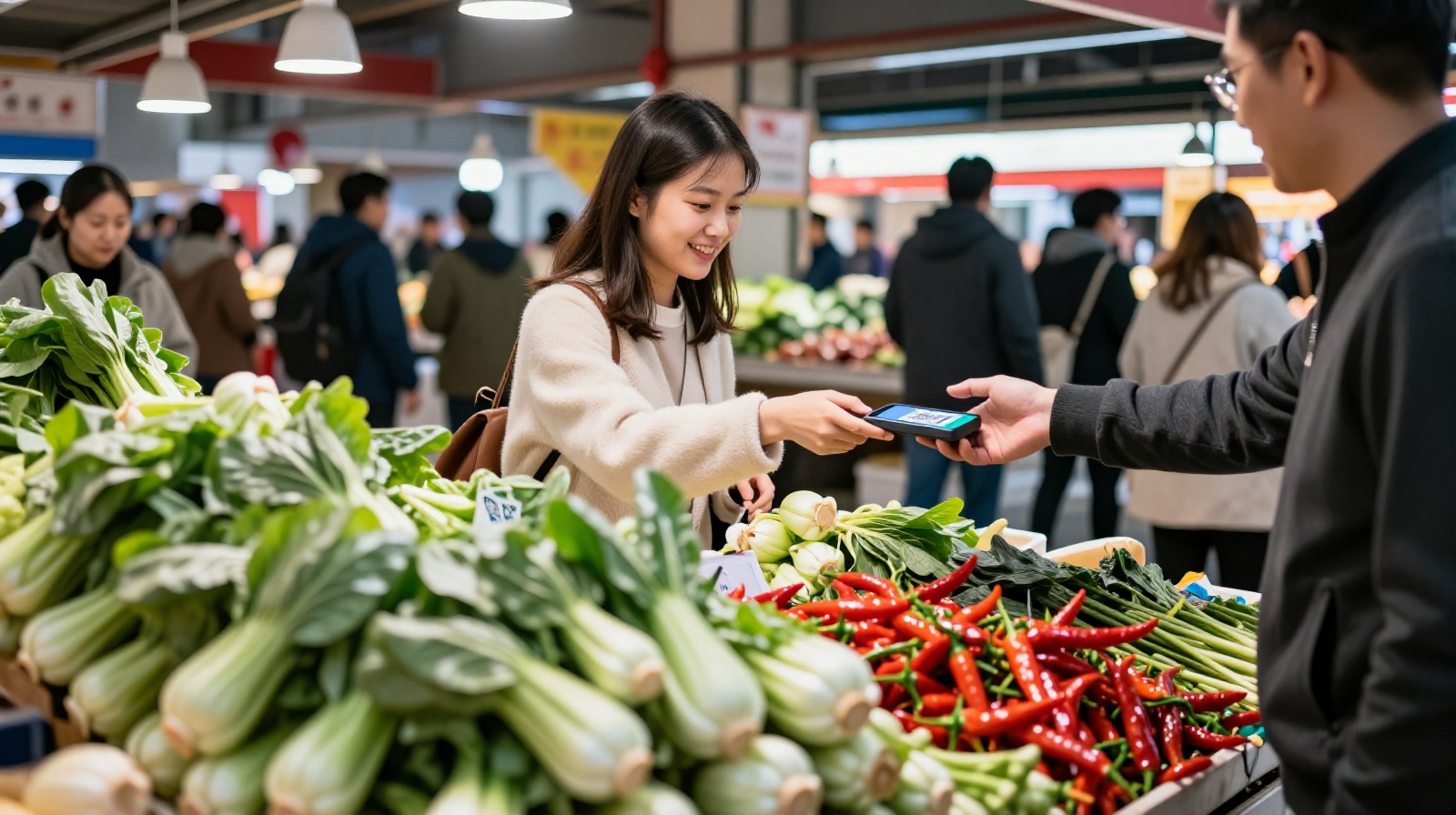
Perhaps the most jarring experience for a tourist is realizing that this ancient trading model runs on cutting-edge technology. In a Western supermarket, you swipe a card or insert a chip. Here, I watched a grandmother buying vegetables using her face, and a young student paying with a QR code scanned by a small handheld device.
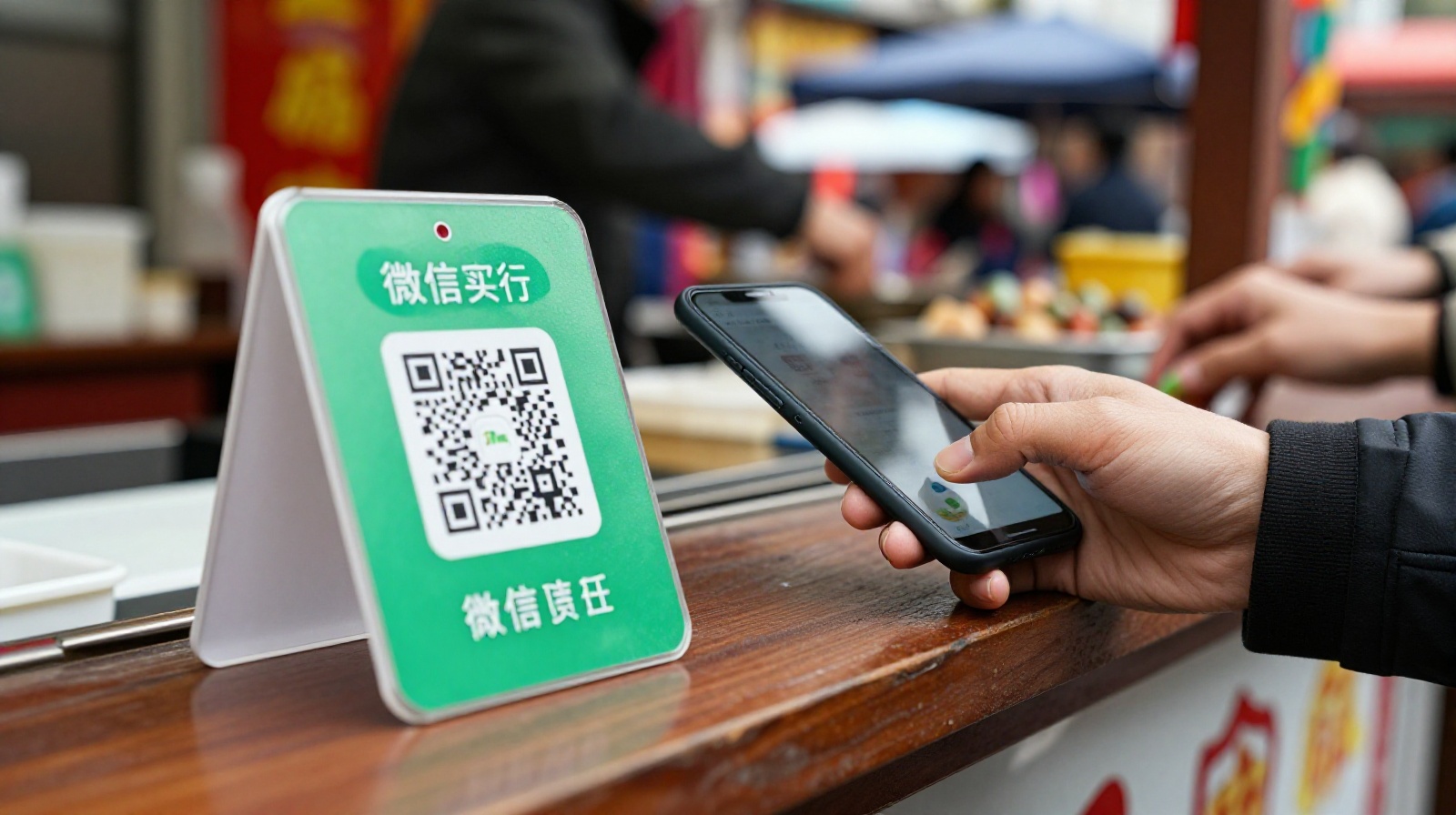
WeChat Pay and Alipay have turned every stall into a digital hub. Vendors display large, laminated QR codes on their counters. The transaction takes seconds. But it goes further than payment. I saw vendors live-streaming their sales to thousands of online followers, showcasing fresh catch in real-time. It is a fascinating blend: the smell of the ocean meets the cloud. This digital integration explains how China can maintain such low food costs while keeping supply chains incredibly responsive.
Freshness, Safety, and the Trust Factor
Many overseas readers worry about food safety in China. It is a fair question given past scandals. However, visiting a wet market reveals a different reality. While hygiene standards vary by region, there is a strong cultural emphasis on “freshness” as a proxy for safety. If it was swimming an hour ago, it is likely safe today.
Moreover, modern wet markets are increasingly integrated into digital traceability systems. You can often scan a code on the vegetable packaging to see where it came from. The shift towards organized, clean markets in new urban developments shows that China is modernizing its food infrastructure without losing the soul of traditional commerce. The water on the floor? That’s just for keeping produce crisp, not a sign of neglect.
The Social Fabric of the Market
Beyond food, the wet market is a social hub. It is one of the few places in modern China where people still bargain—not aggressively, but as a form of social dance. “A bit cheaper for an old customer,” a vendor might say, creating a moment of connection.
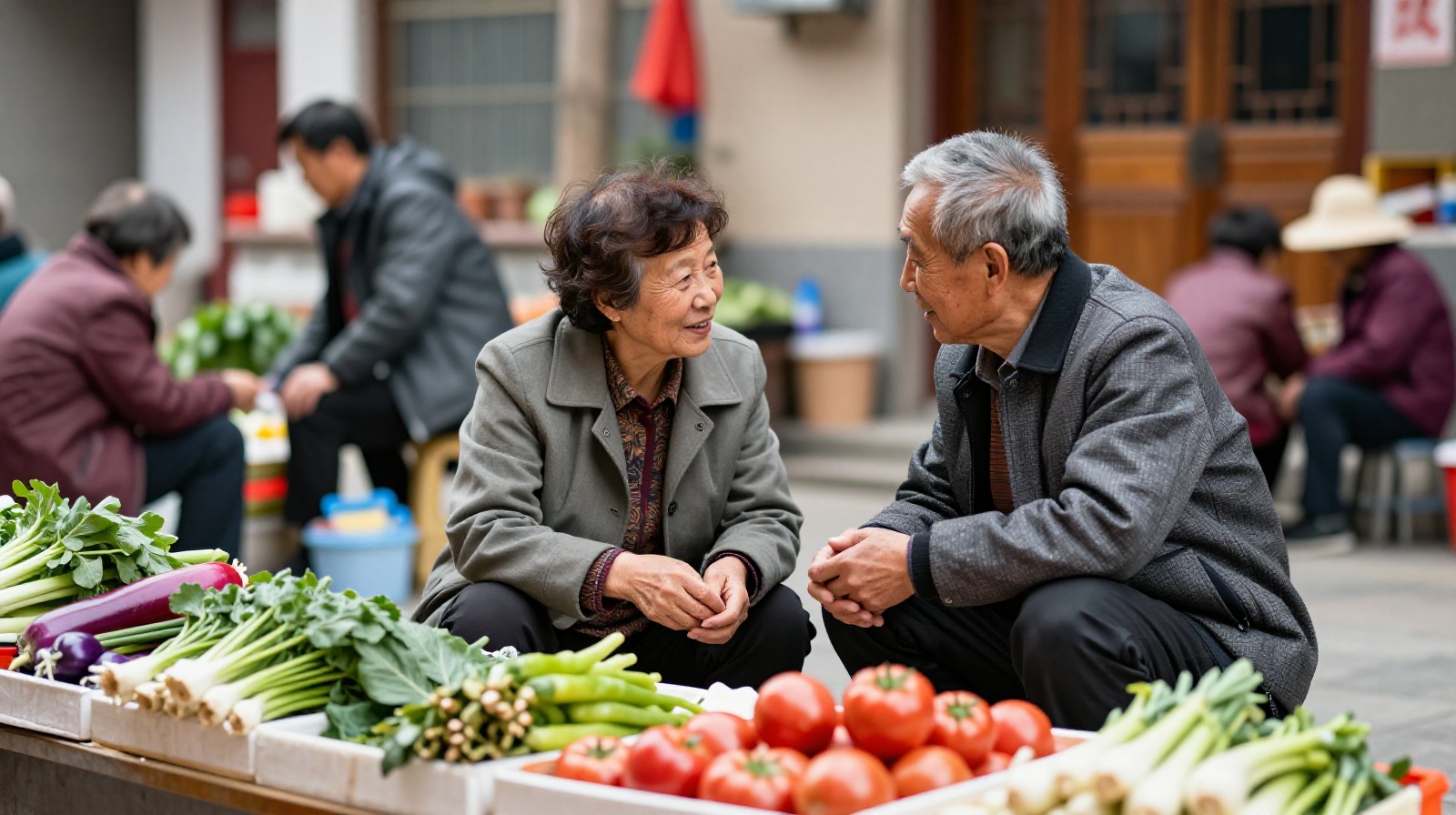
I watched elderly residents gathering to chat while buying tofu, and young professionals grabbing quick lunches from the prepared food stalls. The market is inclusive. It serves the retired couple looking for the best seasonal fruit and the busy mom who needs dinner ingredients in ten minutes. This accessibility is why wet markets remain resilient against the rise of large supermarkets.
Why You Should Visit
If you are planning a trip to China, skip the gift shop. Go to the wet market. It is the best place to see the intersection of tradition and technology, of community and commerce. You will leave with a full stomach, a few strange fruits in your bag, and a much clearer understanding of how ordinary Chinese people live, eat, and connect every day.