

The 10 PM Ritual
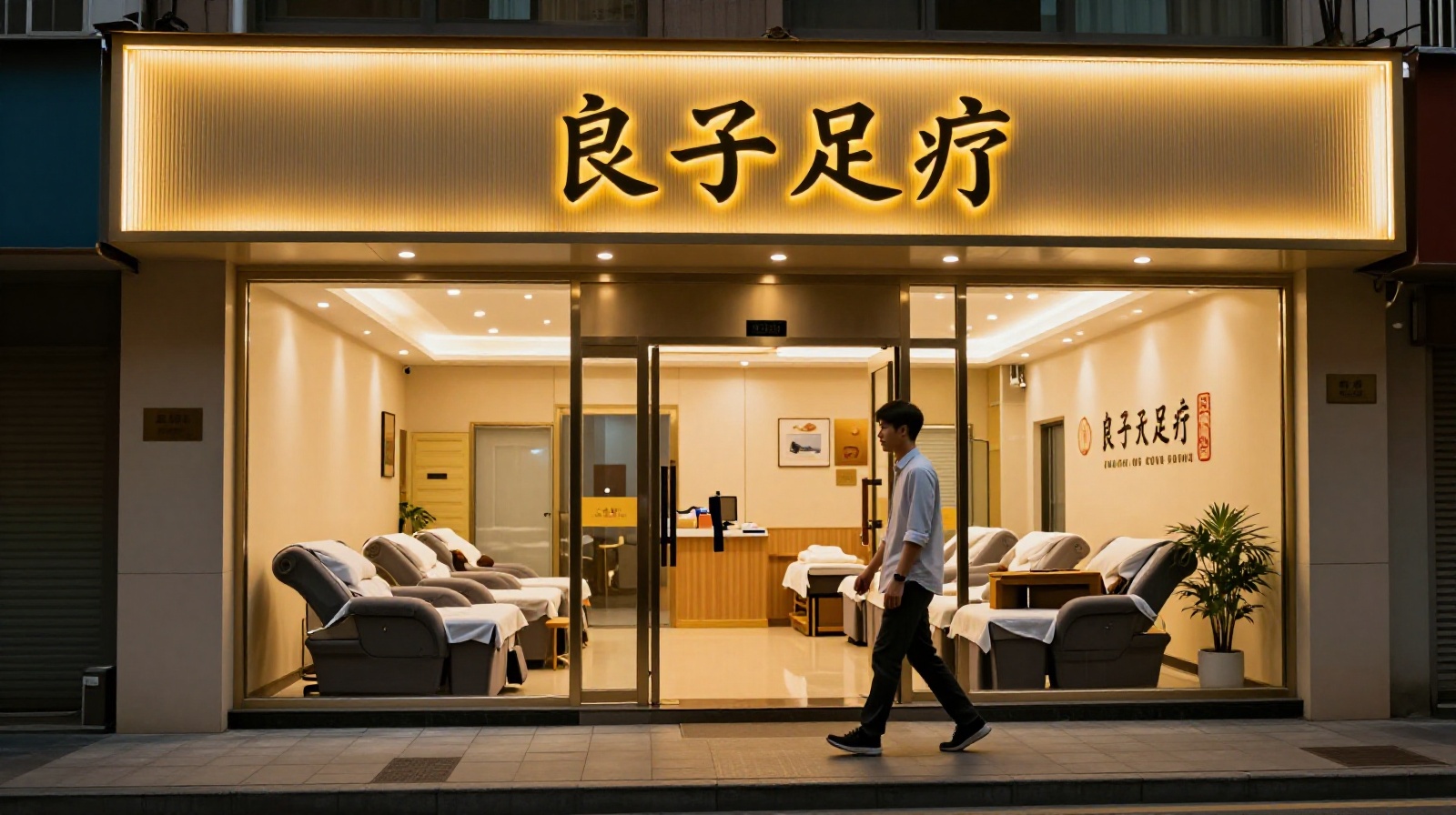
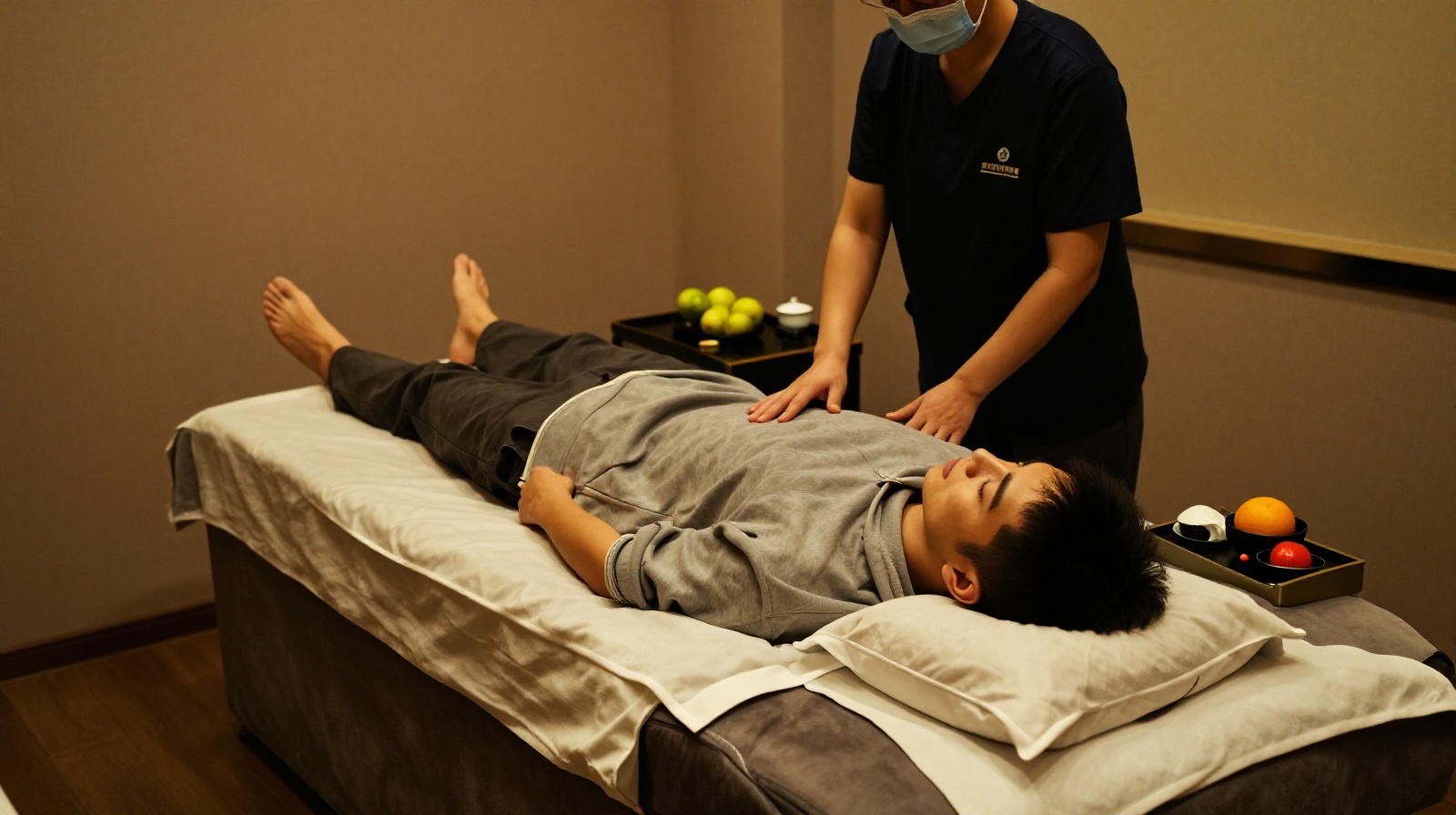
At 10:00 PM, the neon lights of Shenzhen’s Nanshan district begin to dim, but inside “Cloud Relaxation Center,” the air is still warm and smells faintly of herbal plasters and tangerine tea. On the third floor, rows of private suites are filled with young men in company-issued hoodies, their eyes no longer glued to monitors but closed in quiet repose. This is not a nightclub. It is a foot massage parlor.
For many software engineers here, this is the standard end to their workday. After staring at code for twelve hours, sitting in an ergonomic chair that still fails to save their lower backs, they come here to swap their mechanical keyboards for therapeutic pressure and their Slack notifications for silence.
More Than Just a Massage
To the outside observer, the business model might seem puzzling. Why would a tech worker pay for a foot massage instead of going to a bar or hitting the gym? The answer lies in the specific physical and mental toll of the “996” work culture—working from 9 AM to 9 PM, six days a week—which has gradually evolved into a more sustainable but still intense “965” rhythm.
Modern foot massage parlors in China have transformed into comprehensive wellness hubs. They are clean, well-lit, and offer far more than just therapeutic rubbing. Most chains provide complimentary dinners, which are surprisingly high-quality. A typical meal might include spicy beef noodles, fried rice, or fresh dim sum, all served buffet-style. For exhausted programmers, this solves two problems: dinner is taken care of, and the social pressure to “eat out” with colleagues vanishes.

The Digital Detox Zone
The most valuable commodity in these suites is not the massage itself, but the permission to disconnect. In many centers, employees are encouraged—or subtly reminded—to leave their phones at the reception desk. If they bring them in, the environment is designed to discourage usage. The lighting is dimmed, soft traditional Chinese music plays in the background, and the pace of life slows down instantly.
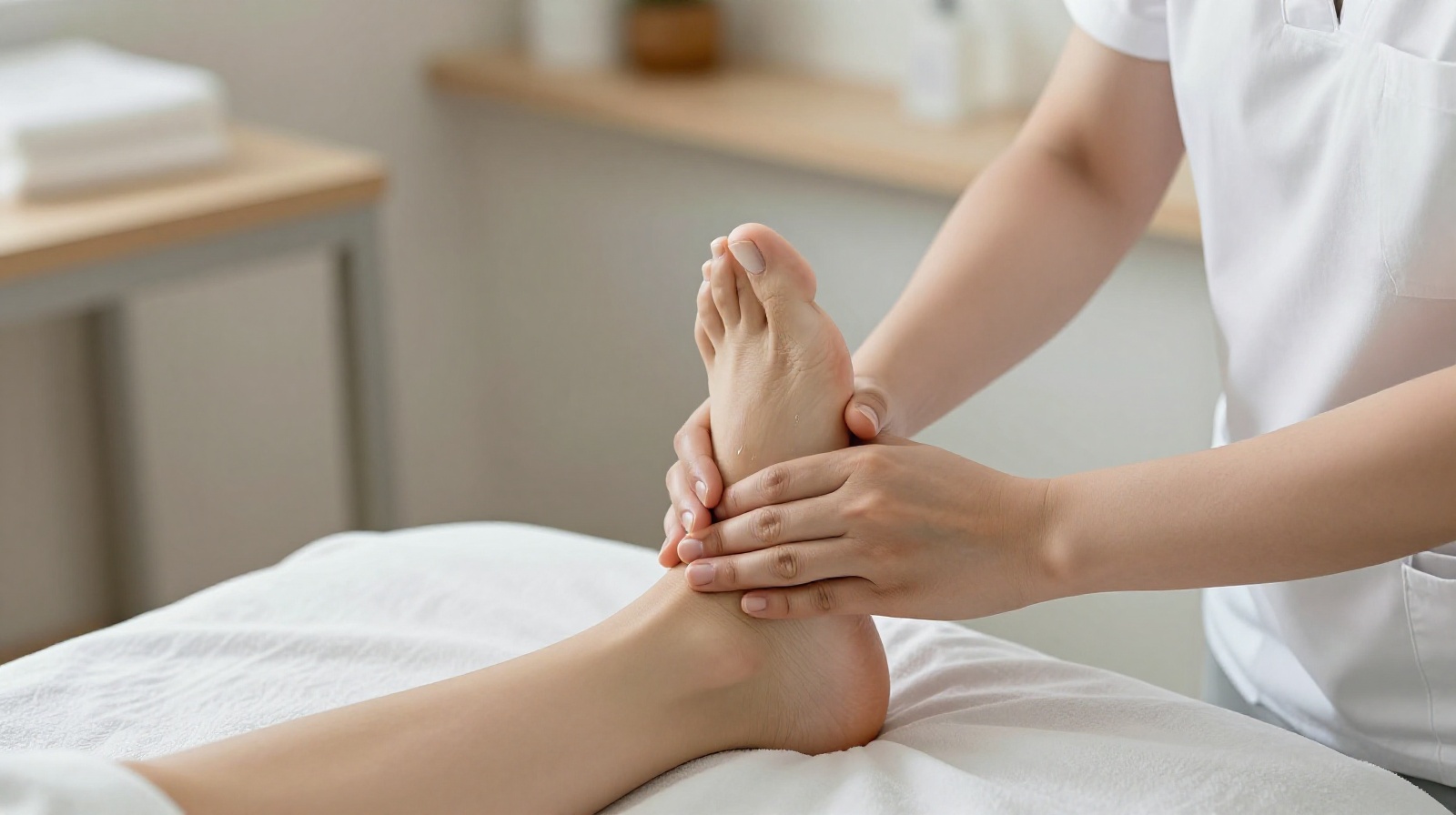
“In my office, if I stop typing for five minutes, I feel guilty,” says Lin, a 28-year-old backend developer from a major social media platform. “Here, while the therapist works on my achilles tendon, I can actually sleep. For the first time in months, my brain stops running algorithms.”
This is what locals call “new Chinese wellness.” It is not about ancient remedies or mystical energy flows. It is about tangible relief for chronic fatigue, lower back pain, and digital eye strain. It is a pragmatic approach to self-care that has been fully commercialized and normalized among young urban professionals.
A Space for the Lonely
There is also a social dimension to this trend. Many tech workers in tier-one cities like Beijing, Shanghai, and Shenzhen live far from their families. They may have moved here alone, renting small apartments in distant suburbs. The foot massage parlor becomes a rare space of low-stakes interaction. It is not the loud, performative socializing of a bar, nor the competitive atmosphere of a gym.
It is a place of parallel solitude. You are next to someone else, but you are both alone in your own way. The interaction with the therapist is polite, brief, and professional. For people who spend all day communicating through screens—via code reviews, Jira tickets, and video calls—this face-to-face, non-digital human touch is deeply grounding.
The Cost of Connectivity
Yet, this ritual highlights a deeper contradiction in China’s tech industry. The same hands that build the apps connecting billions of people are often the first to suffer from repetitive strain injuries and cardiovascular stress. The availability of such affordable, accessible self-care services is a response to a workforce that is increasingly aware of its physical limits.
As companies push for efficiency and innovation, the body often pays the price. The foot massage parlor, therefore, is not just a leisure spot; it is an emergency repair station for the human machine. It is where the disconnect between digital productivity and physical well-being is temporarily bridged.
Conclusion
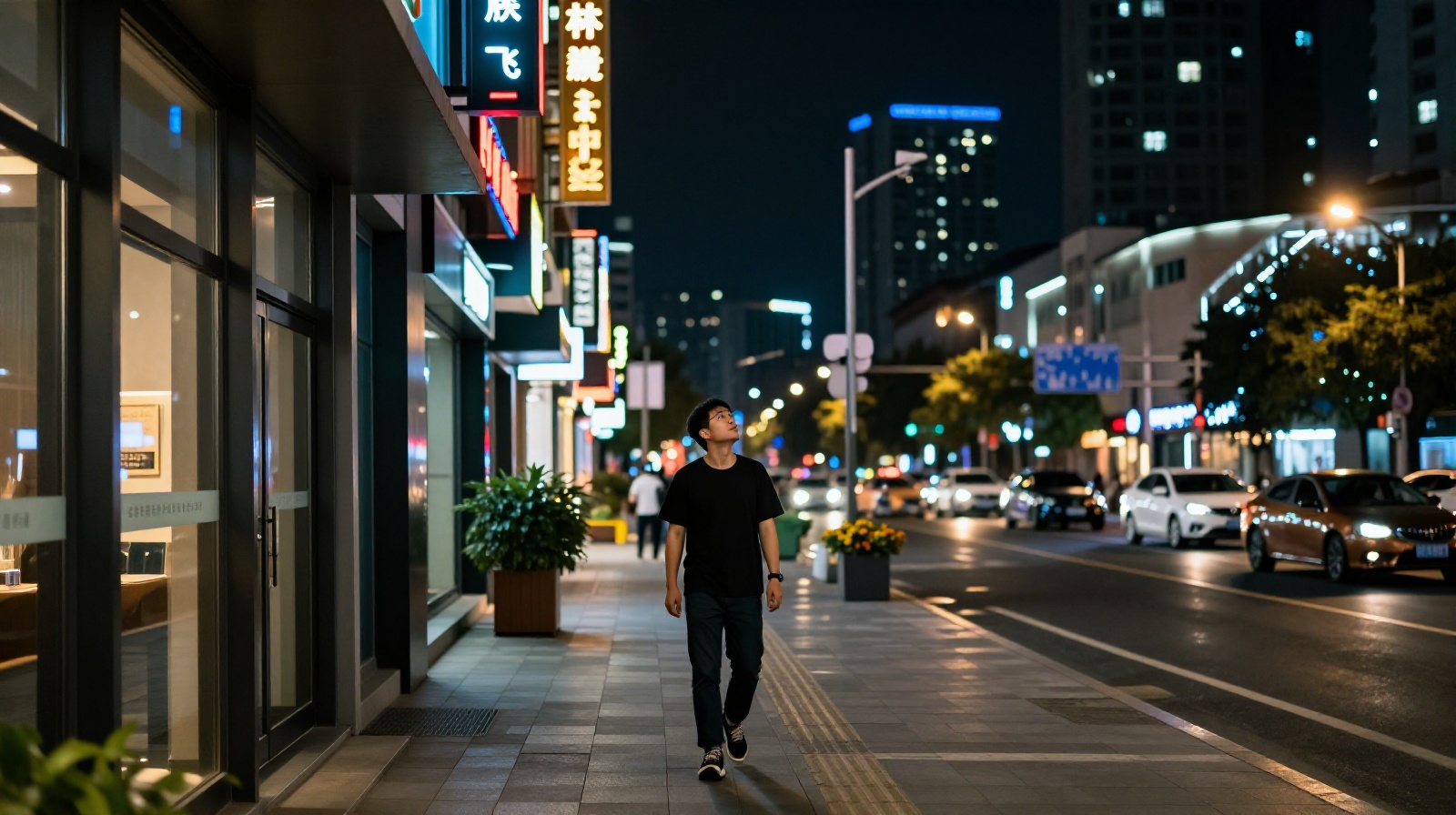
When you leave the parlor at midnight, the air outside is cool. You feel physically lighter, your back slightly looser, and your stomach full. But the code is still waiting. The KPIs are unchanged. However, for those few hours of peace, you have recovered enough to face the next day. In the high-speed rhythm of modern China, this quiet, herbal-scented sanctuary is not an escape from reality, but a necessary preparation for it.