
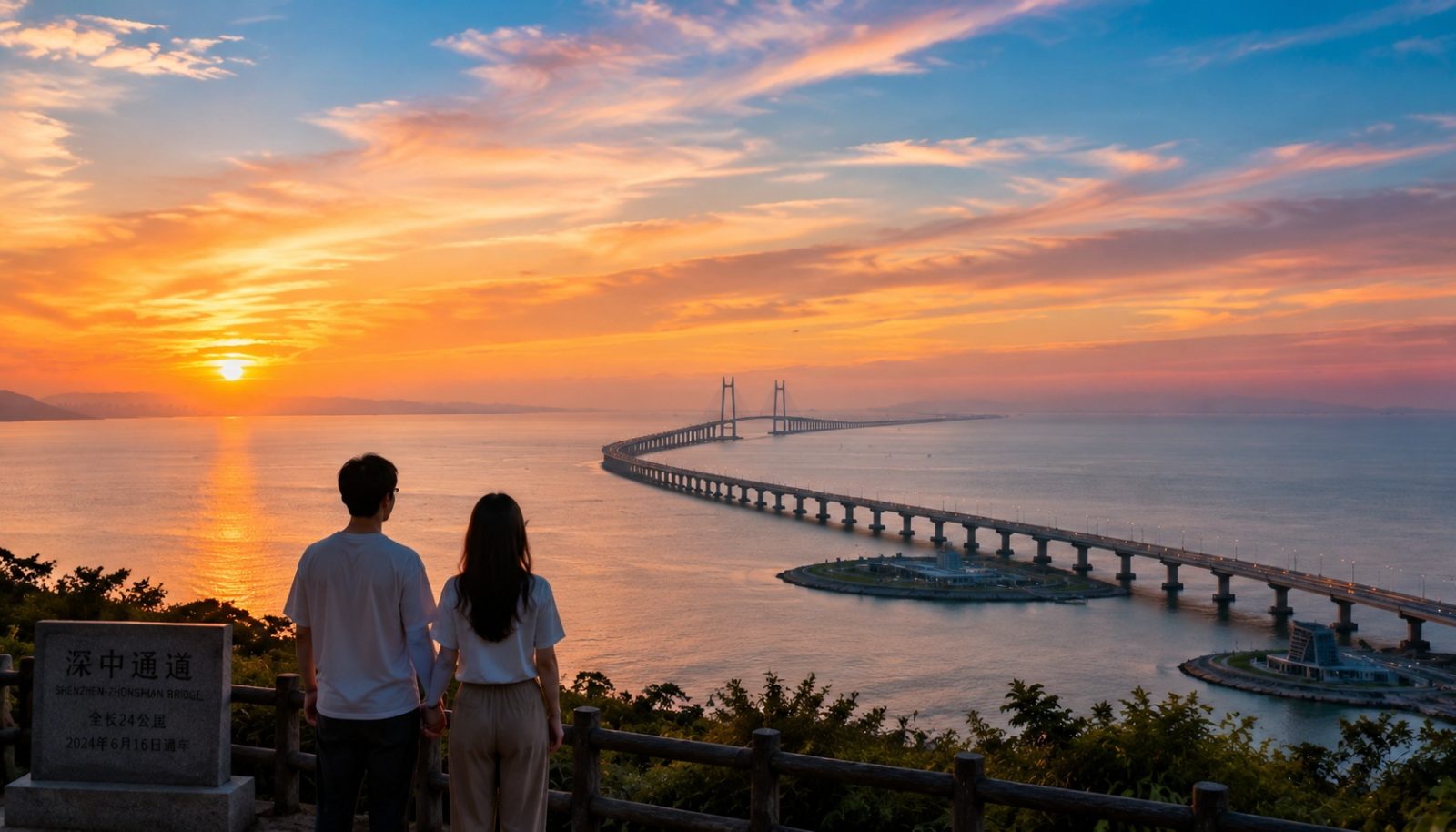

Introduction: The Bridge That Saved Their Weekends
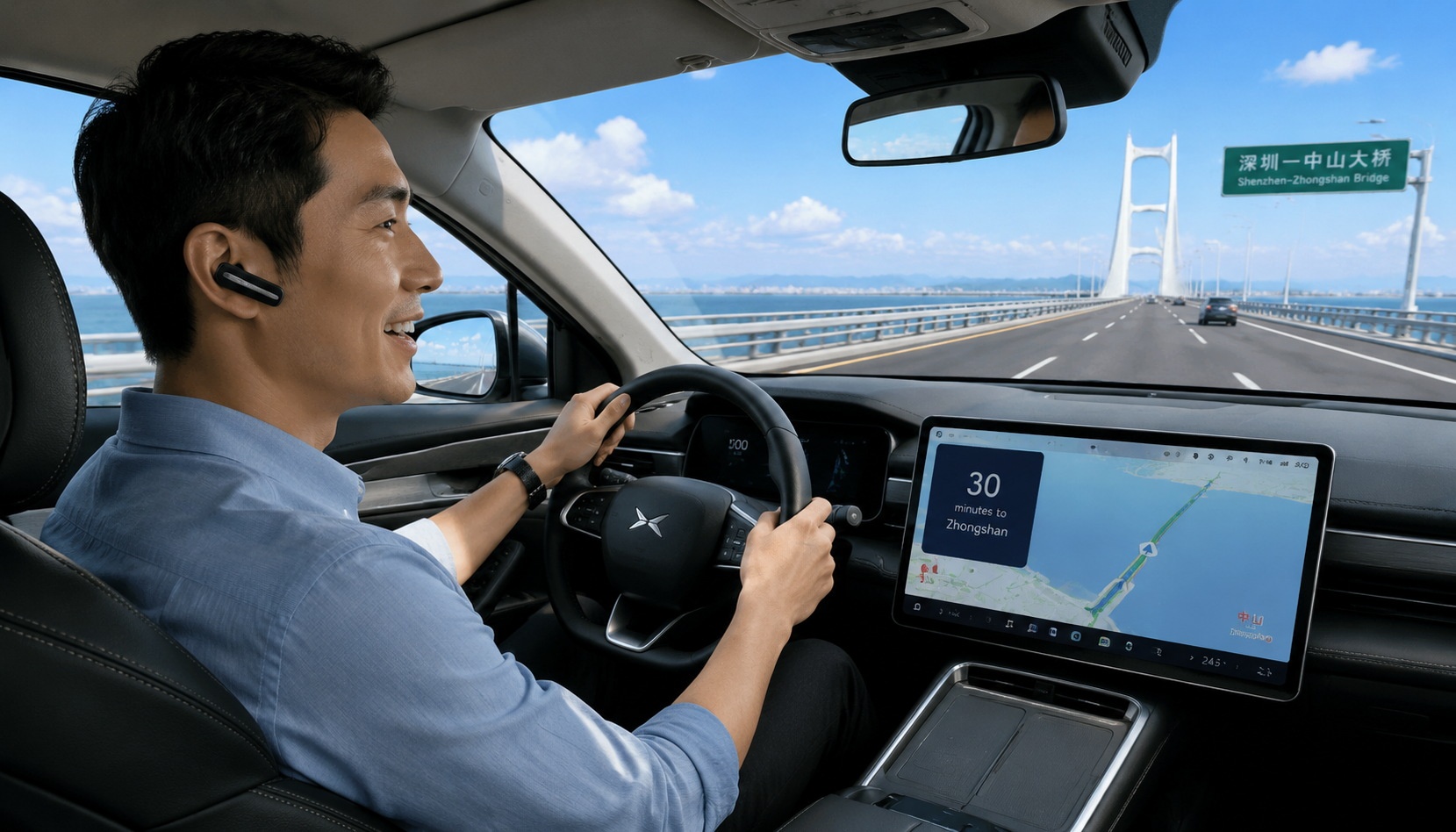
Li Wei and Chen Mei used to be experts at long-distance relationship math. Every Friday evening, Li Wei would leave his office in Shenzhen at 6 PM, drive through the perpetually jammed Humen Bridge, and arrive at Chen Mei’s apartment in Zhongshan slightly after 9 PM — if he was lucky. “That’s three hours of staring at brake lights, plus two hours of arguing on the phone about who should move,” he jokes. Then, in June 2024, the Shenzhen-Zhongshan Bridge opened. Suddenly, their commute dropped to 30 minutes. “Now I can go to her place for dinner on a Tuesday night and still be back in time for my morning stand-up show,” Li Wei says, referring to his side gig as an amateur comedian.
From ‘Weekend Warriors’ to ‘Everyday Couple’
The Shenzhen-Zhongshan Bridge is not just a piece of engineering. It’s a 24-kilometer, eight-lane marvel that cost 44.7 billion yuan (about $6.2 billion) and includes two bridges, two artificial islands, and an underwater tunnel. But for people like Li Wei and Chen Mei, it’s simply the thing that allowed them to stop being “weekend warriors.” Before the bridge, they planned their lives around ferry schedules and traffic reports. Now, Chen Mei, a graphic designer, sometimes takes the bridge to meet Li Wei for a spontaneous hotpot dinner in Shenzhen. “We used to save up all our emotional needs for the weekend. Now we can have small fights on a Wednesday, which is actually healthier,” she says, laughing.

The Real Cost of Love vs. Real Estate
The bridge has also reshaped where people choose to live. Li Wei and Chen Mei now plan to buy an apartment in Zhongshan, where property prices are roughly one-third of Shenzhen’s. “With the bridge, I can live in a bigger space and still commute to Shenzhen in the same time it takes to cross town,” Li Wei explains. This trend is so common that real estate agents in Zhongshan now advertise “Shenzhen lifestyle, Zhongshan price.” A recent study by the Shenzhen Academy of Social Sciences found that property sales in Zhongshan’s eastern districts jumped 40% in the first three months after the bridge opened, with over 60% of buyers from Shenzhen.
Beyond Love: The Bridge Economy
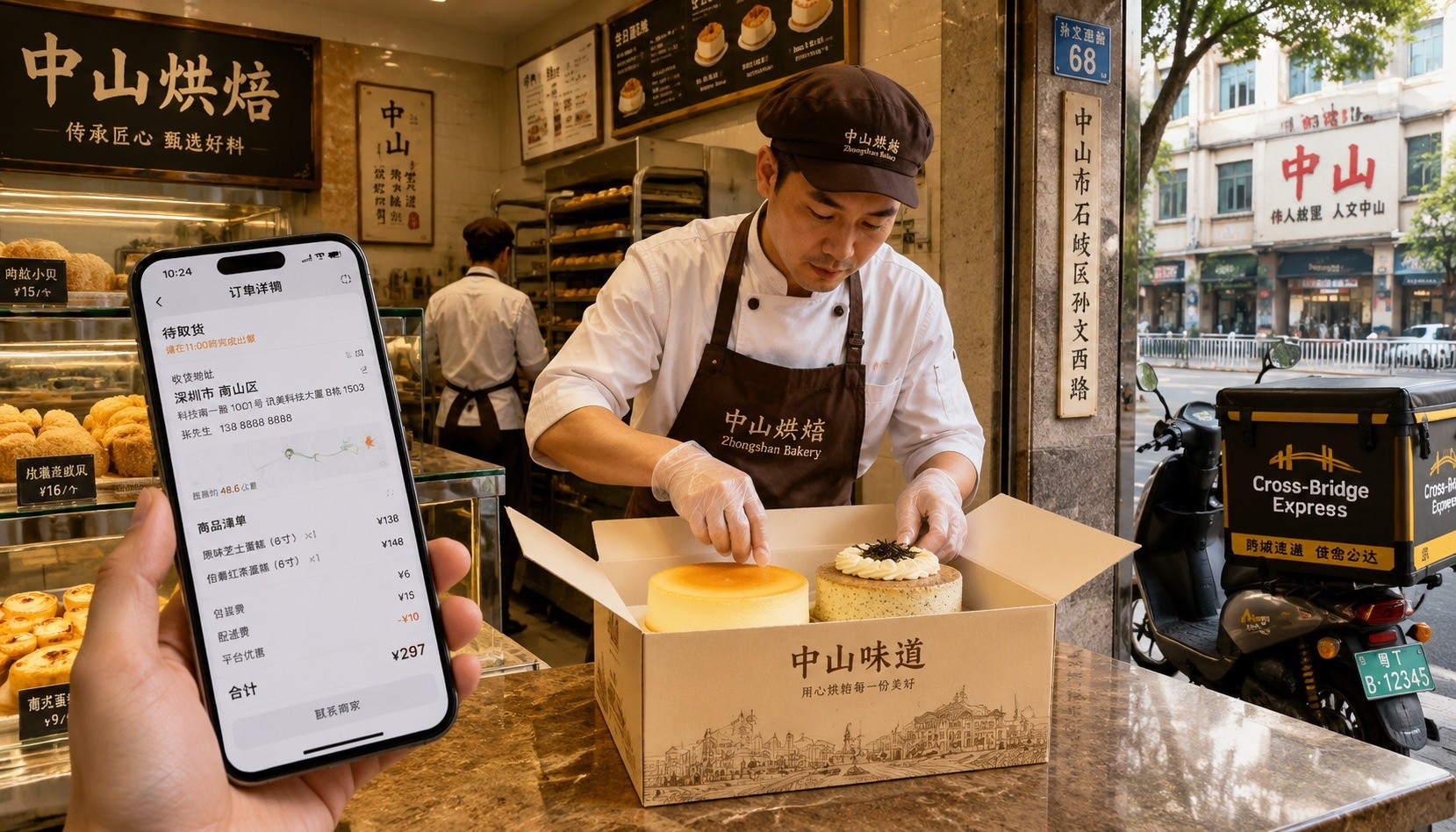
It’s not just couples who benefit. Local businesses along the bridge’s corridor are booming. Chen Mei’s favorite bakery in Zhongshan now delivers cakes to Shenzhen via courier bikes that zip across the bridge in under an hour. “We’ve seen a 30% increase in orders from Shenzhen,” says the bakery owner. Meanwhile, logistics companies have slashed delivery times between the two cities from half a day to just 90 minutes. The Guangdong-Hong Kong-Macao Greater Bay Area, a master plan to integrate 11 cities, has gained a critical piece of physical infrastructure. But the human stories are what make it real. A flower shop owner in Zhongshan told me that before the bridge, he only sold roses for Valentine’s Day; now, “couples order bouquets for random Tuesdays because they can actually see each other.”
Small Annoyances, Big Adjustments
Of course, new infrastructure comes with new quirks. The bridge has a speed limit of 100 km/h, but drivers often go slower because the tunnel’s lighting is “too pretty” — a panoramic LED display simulates the sky. “People literally slow down to take selfies,” Li Wei complains. Then there’s the toll: 66 yuan (about $9) per trip. For daily commuters, that adds up. “I joke that our love story is sponsored by a toll road,” says Chen Mei. Still, they calculate that even with the toll, they save money on gas and ferry tickets compared to the old route. And the emotional return is priceless.
Infrastructure as a Matchmaker
China’s mega-bridges are increasingly becoming modern-day matchmakers. According to a 2023 survey by the Chinese dating app TanTan, 18% of cross-city couples in the Pearl River Delta cited better transportation as a reason they stayed together. The Shenzhen-Zhongshan Bridge is just the latest example. In the 2010s, the Hangzhou Bay Bridge shortened the distance between Shanghai and Ningbo, sparking a mini baby boom in Ningbo’s satellite towns. “When travel time drops below an hour, the relationship odds go up exponentially,” says sociologist Zhang Lin from Sun Yat-sen University.
Conclusion: Love in the Fast Lane
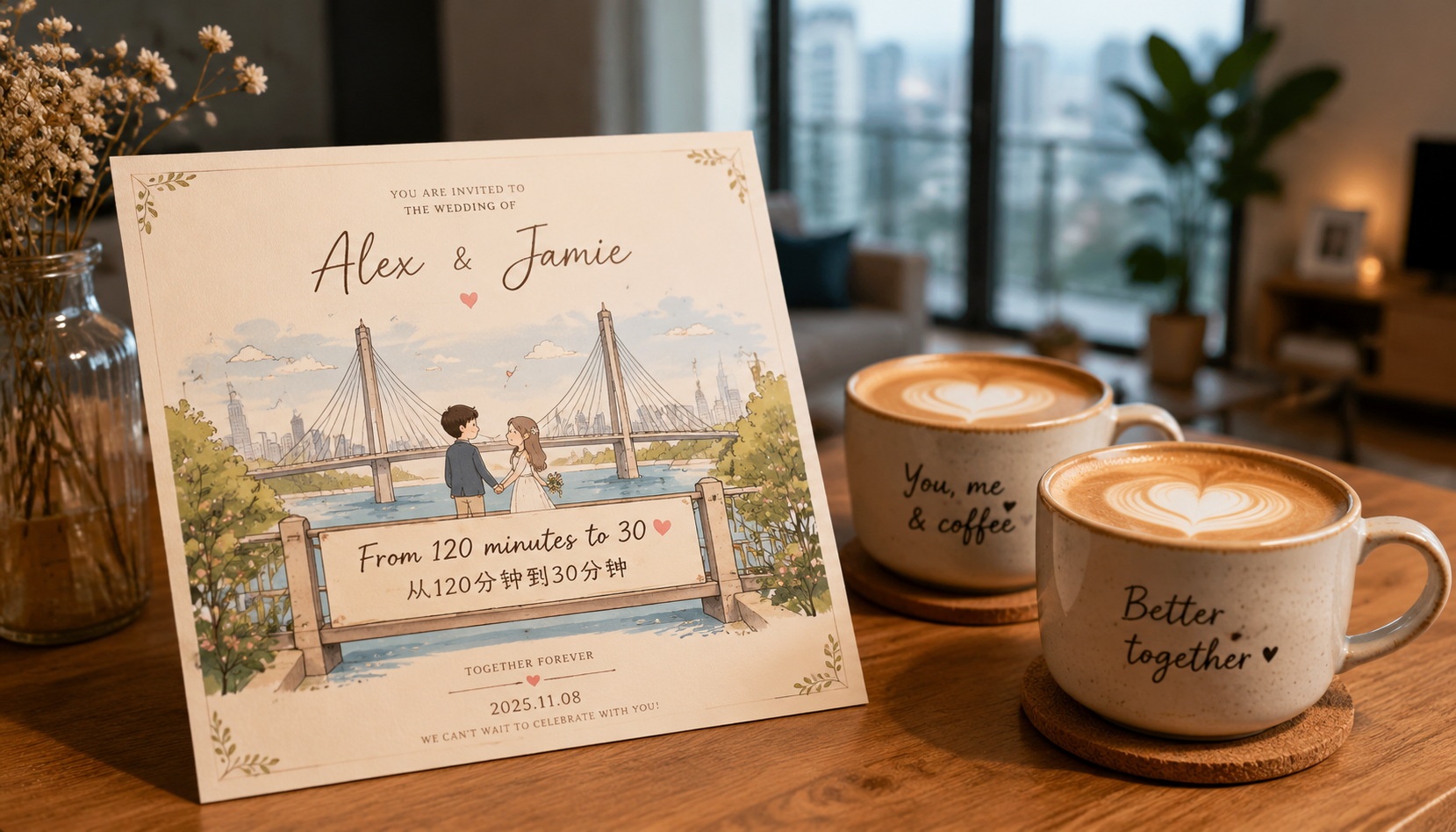
Li Wei and Chen Mei are now engaged. Their wedding invitation features a cartoon illustration of the bridge with the caption: “From 120 minutes to 30: A Love Story Made Possible by Concrete and Steel.” They’re not alone. Across China, thousands of couples are rewriting their stories thanks to bridges, tunnels, and high-speed rail. The message is clear: infrastructure doesn’t just move goods and people — it moves hearts.
Start the discussion at forum.chinacomes.com