

The Silent Competition at 12:30 PM
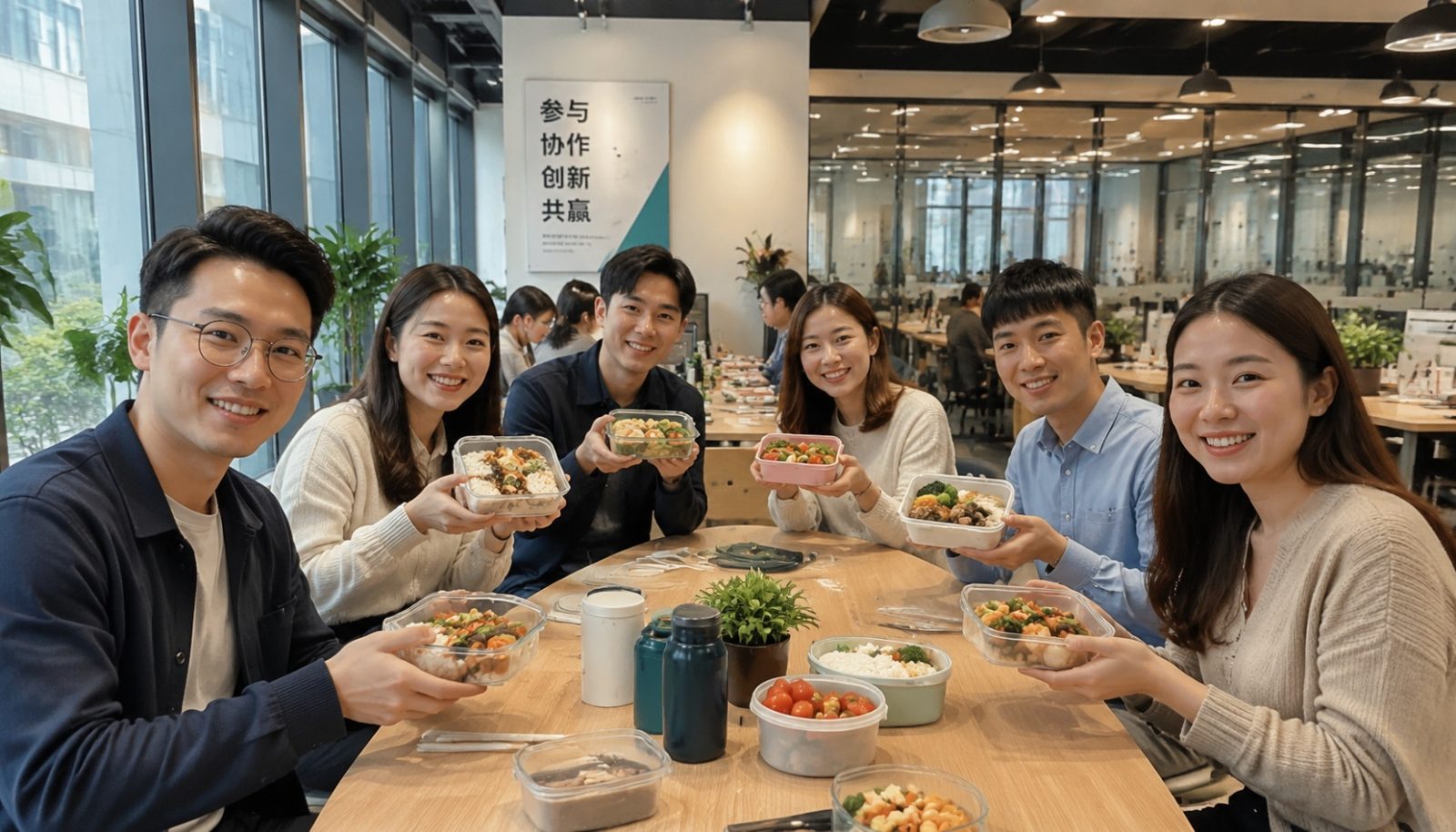
It is 12:30 PM in a typical office tower in Shanghai. The usual chaos of ordering food on phones has subsided, but a new kind of tension hangs in the air. In the breakroom, colleagues don’t just compare work projects anymore; they compare lunchboxes.
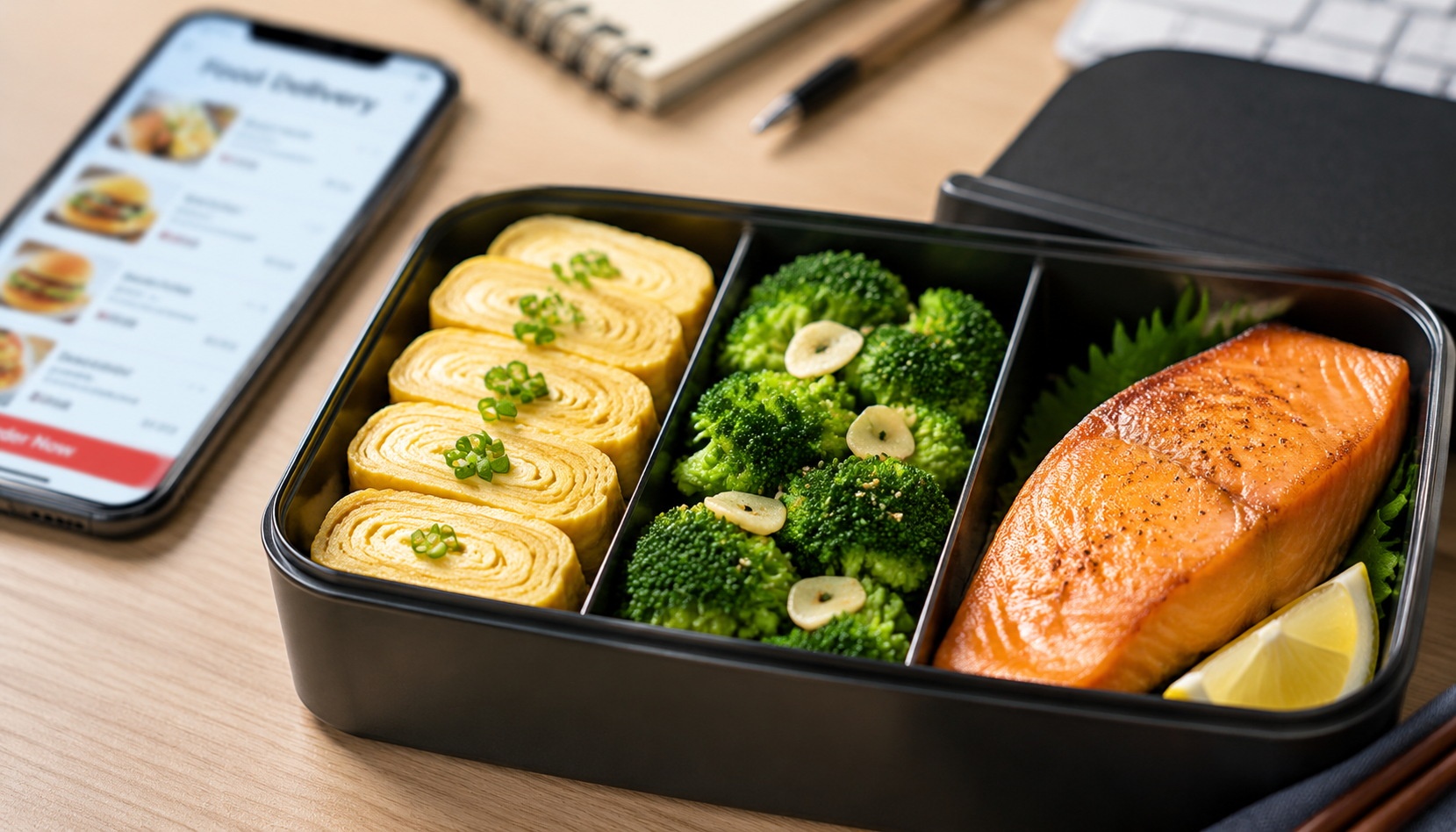
You might see a colleague opening a sleek, vacuum-sealed container to reveal perfectly arranged tamagoyaki (Japanese rolled omelet), steamed broccoli with garlic, and seared salmon. Another might pull out a bento box with rice shaped into a cute bear, surrounded by cherry tomatoes cut in half. The aesthetic is Instagram-worthy, the ingredients are often premium, and the nutritional balance is precise.
This is not just packing food. In China’s bustling urban centers, this has become a subtle form of ‘involution’ (neijuan) — a term often used for competitive pressure, now applied to diet. It’s a quiet rebellion against the chaos of modern city life, executed with chopsticks and Tupperware.
Why Bring Lunch? It’s Not Just About Money
To an outsider, bringing lunch from home might seem like an outdated habit or a sign of financial struggle. In reality, for China’s post-90s and post-00s generation, it is a sophisticated lifestyle choice driven by three main factors: health anxiety, cost control, and a rejection of industrial pre-made meals.
The Health Anxiety Factor
China’s food delivery industry is massive, but it comes with hidden costs. High sodium, excessive oil, and unknown hygiene standards are common complaints. Many young professionals are increasingly worried about their health metrics. They track their steps, monitor their sleep, and now, scrutinize their calories.
“I don’t trust what’s in that plastic bag,” says Lin, a 28-year-old marketing manager in Beijing. “At least when I cook, I know I’m using olive oil and fresh vegetables. It’s about feeling light and energetic for the afternoon meeting, not sluggish and bloated.”
The Economic Reality and ‘Meal Prep’ Culture
While health is the primary motivator, the wallet plays a role too. A decent lunch delivery in a tier-one Chinese city can cost 40-60 RMB (approx. $6-8 USD). Cooking at home and bringing it to work can cut that cost by 70%.
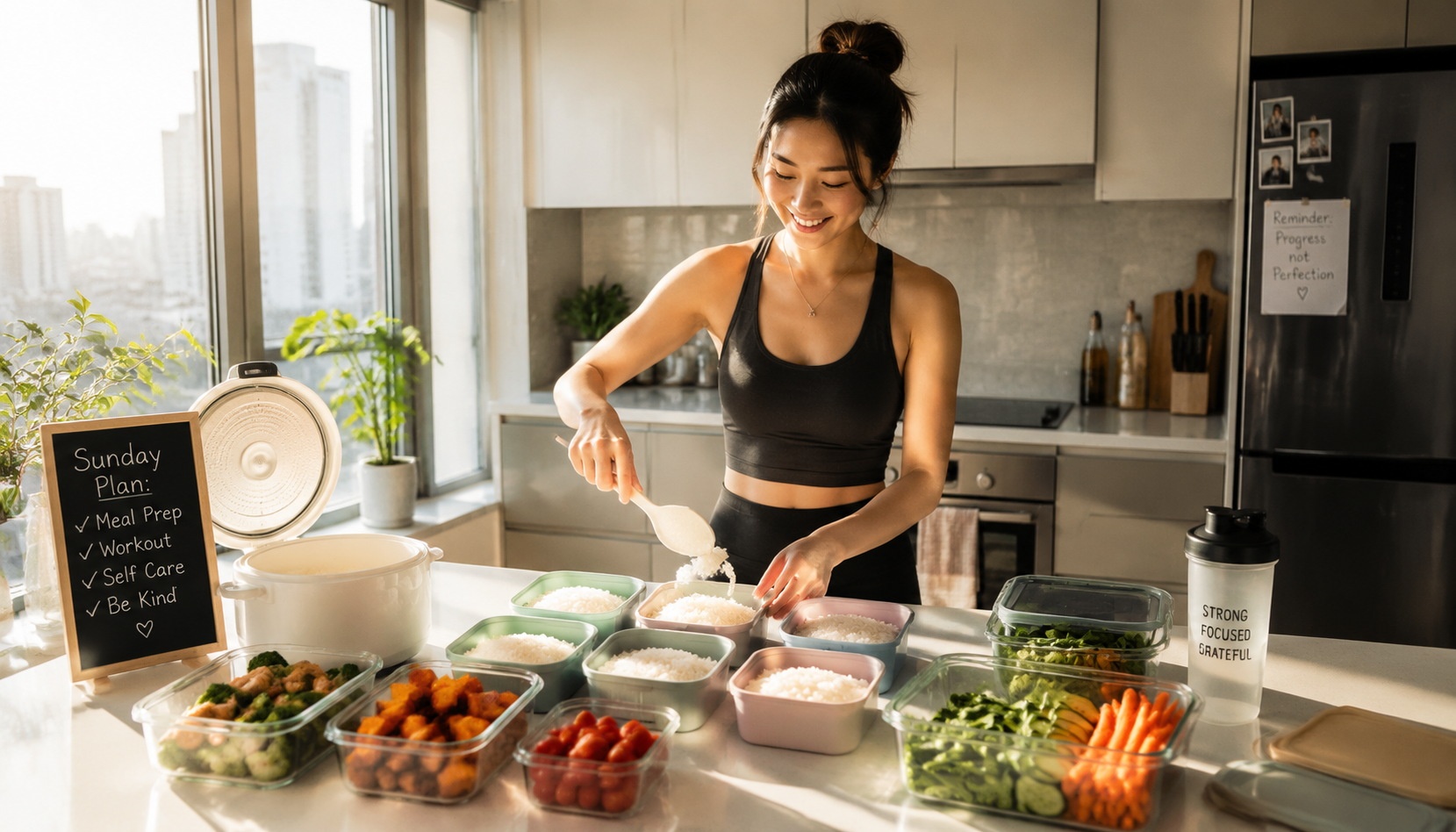
This has given rise to a new social phenomenon: ‘Meal Prep Sunday.’ On weekends, social media platforms like Xiaohongshu (Little Red Book) are flooded with tutorials on how to efficiently cook five days’ worth of lunches. Young people gather in community kitchens or share tips on Instagram-style feeds about portion control, freezer storage, and aesthetic plating.
It’s no longer just about survival; it’s about optimization. The lunchbox becomes a canvas for self-discipline and creativity. Using silicone molds to shape rice, vacuum sealing soups to prevent spills, and selecting colorful vegetables to create a rainbow plate — these are the new hobbies of the Chinese urban youth.
Control in a Chaotic World
There is a psychological depth to this trend. In an era where work hours are long (often 9 AM to 9 PM, six days a week) and external variables feel uncontrollable, cooking and packing lunch offers a rare sense of agency.
When you open your lunchbox at noon, you are opening a small, perfect world that you created. You decided the ingredients. You controlled the salt. You arranged the colors. In those 30 minutes of eating, there is a profound satisfaction that comes from seeing the tangible results of your own labor.
The End of the ‘Delivery App’ Monopoly?
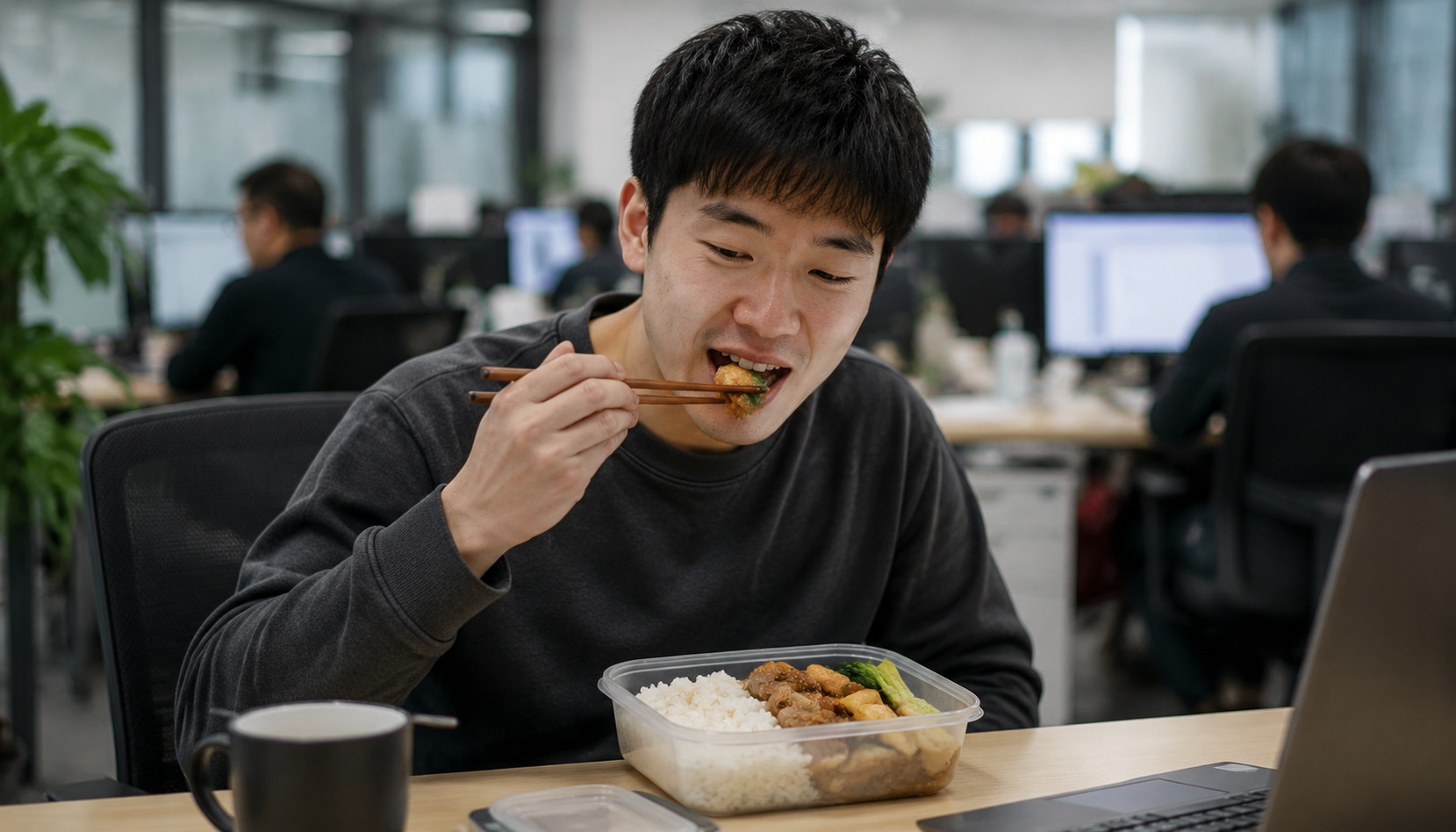
This doesn’t mean delivery apps are dying. They are still ubiquitous and convenient for days when you’re tired or traveling. But the dynamic has shifted. Delivery is now seen as a convenience service, not a default lifestyle.
For many young Chinese, the intricate lunchbox is a statement. It says: “I am too busy, but I am not too busy to take care of myself. I am part of this fast-paced economy, but I define my own pace for nourishment.”
So, the next time you see a young professional in China carefully arranging their lunchbox, don’t just think they are saving money. Think of it as a small act of resistance, a creative outlet, and a warm, home-cooked hug in the middle of a concrete jungle.
Start the discussion at forum.chinacomes.com