
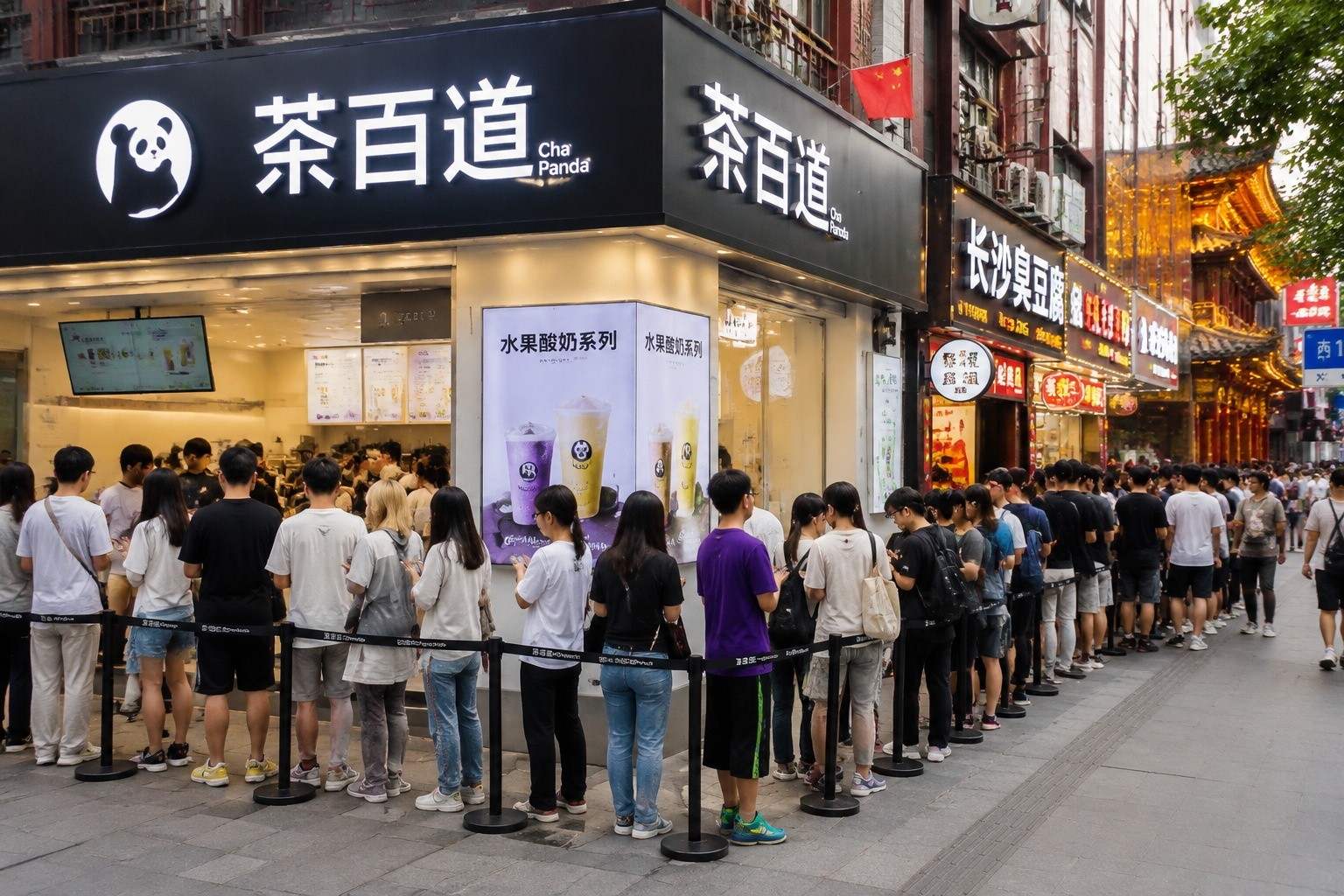

Where everyone seems to be in line
Landing in Shanghai for the first time, my friend Tom from London watched a crowd pour out of the subway station. “They don’t look angry,” he whispered, surprised. “They’re actually… orderly.” That’s the first shock for many foreigners: Chinese people queue. A lot. And they do it with a Zen-like patience that can baffle anyone used to British pub queues or Italian chaos.
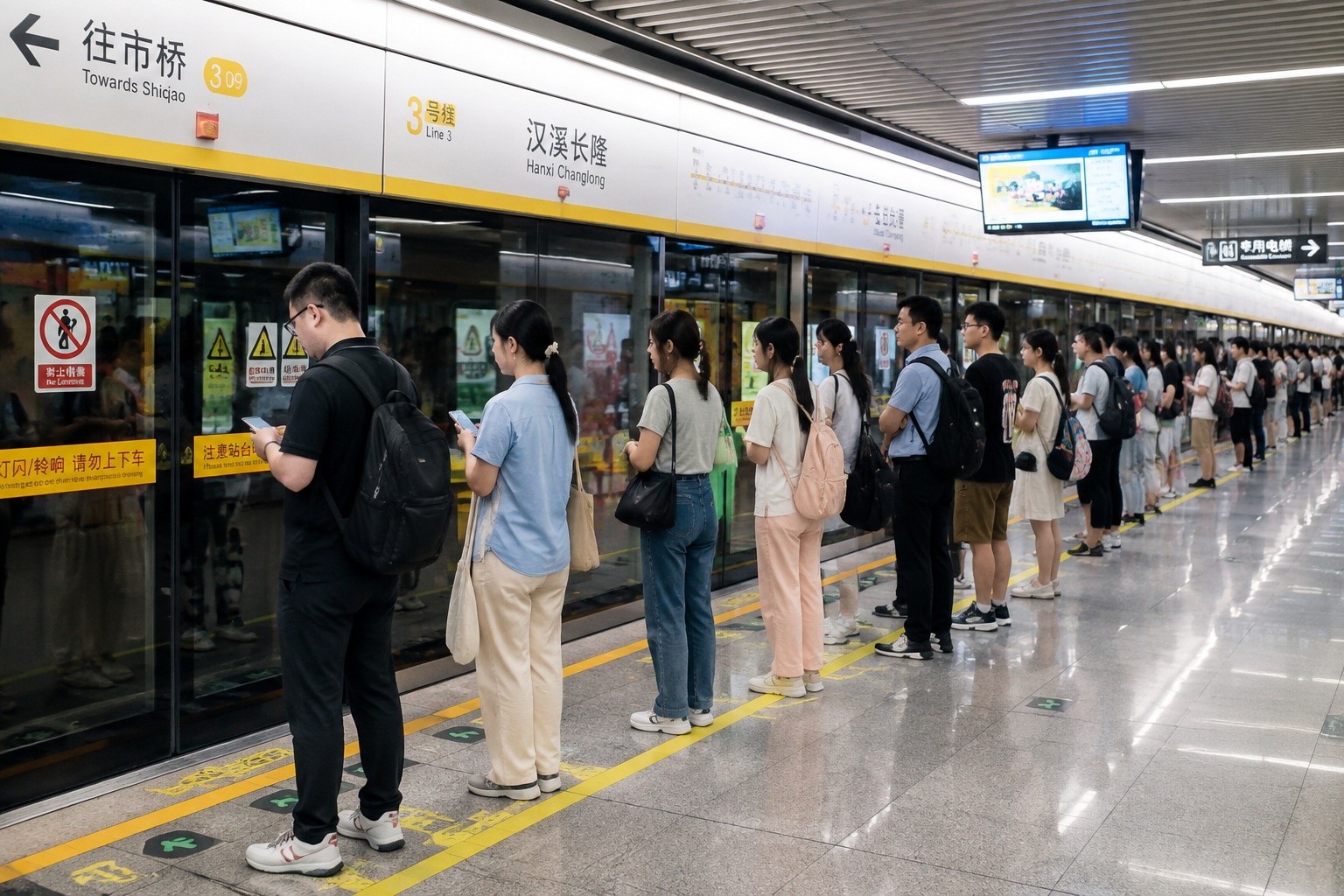
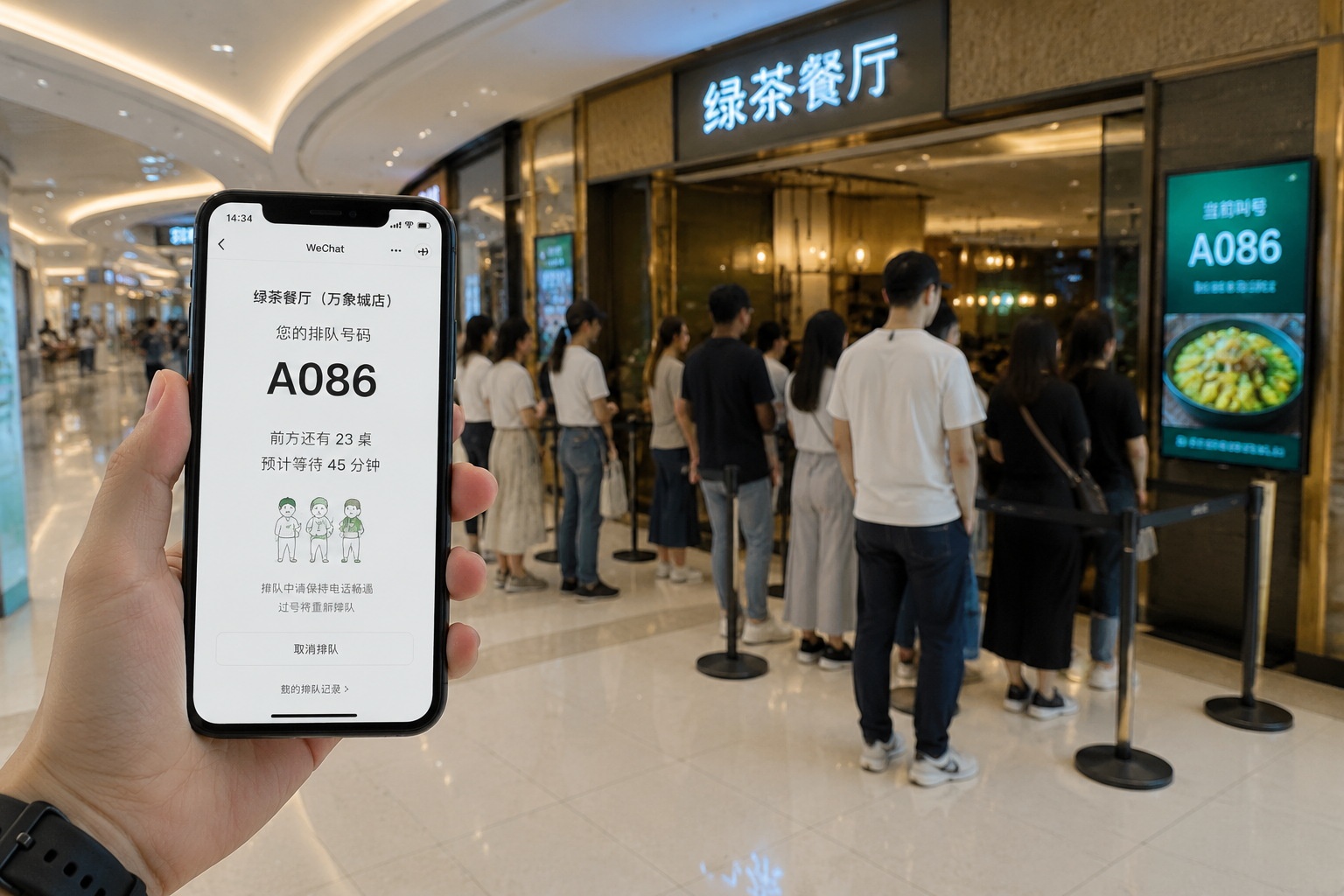
Whether it’s for bubble tea, a new iPhone, or the bathroom at a music festival, you’ll find lines snaking through malls, streets, and parking lots. But here’s the twist: many of these lines are not physically visible. They exist on your phone. You join a virtual queue via a WeChat mini-program, get a number, and roam free until your turn buzzes. It’s queuing without standing still—the ultimate life hack for the world’s most line-tolerant nation.
From street food to rice cookers: queuing as a social habit
Queuing is so ingrained that it shapes daily life. When a new bakery opens, people show up before dawn. When Disneyland Shanghai launched, crowds camped for days. But it’s not just about scarcity; it’s about trust. If everyone else waits, the thing must be good. Chinese consumers use line length as a quality signal more reliably than any rating app.
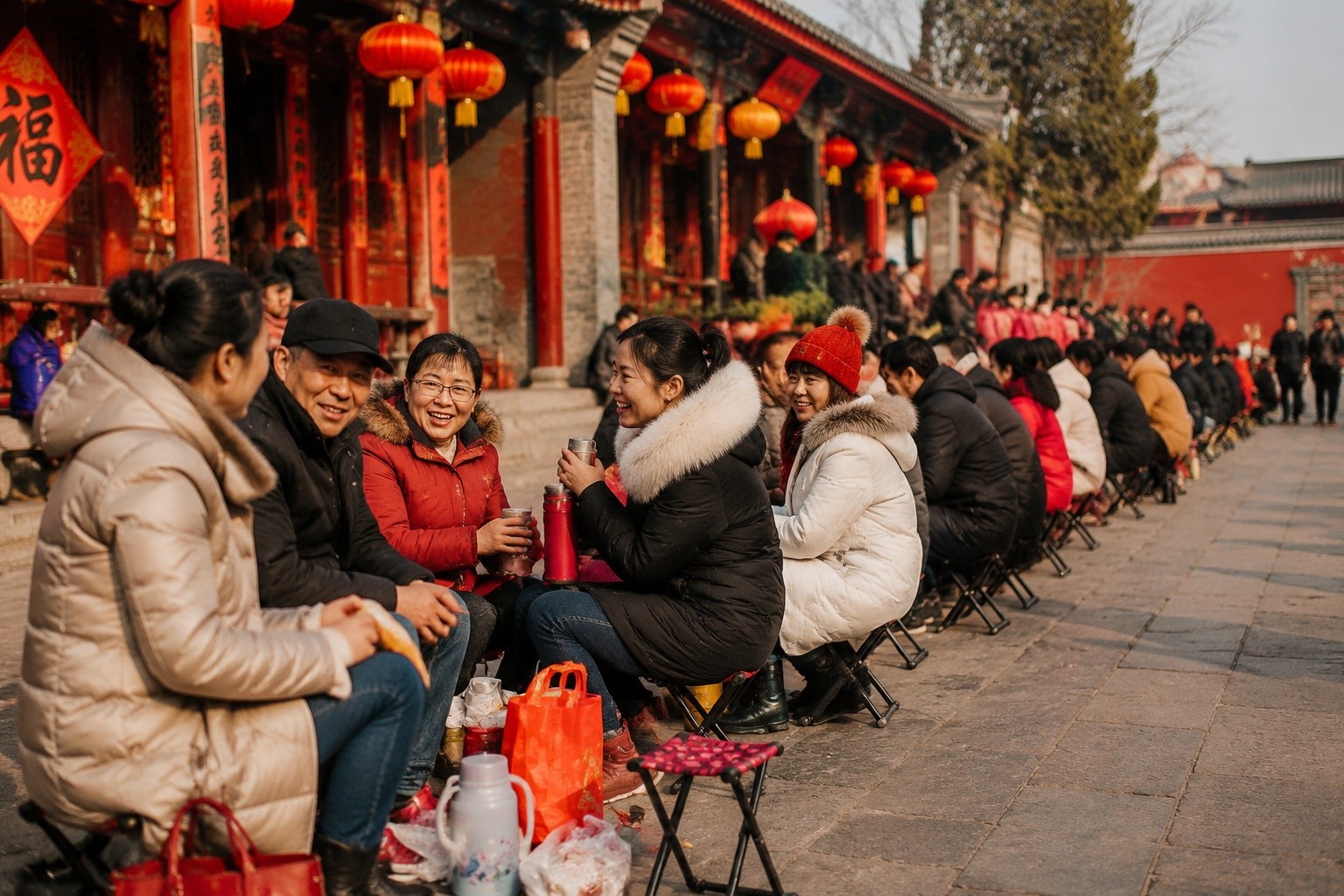
Take the phenomenon of “worship queuing” at temples during Lunar New Year. Thousands line up to donate a single incense stick. They bring foldable stools, thermoses, and power banks—survival gear for a 12-hour wait. Yet there’s no shouting, no pushing. Strangers chat, share snacks, and even hold each other’s spots when someone dashes to the bathroom. It’s a community event, not a chore.
The digital line: WeChat and the invisible queue
In China, your phone becomes a queuing ticket. At a busy restaurant, you don’t stand outside; you scan a QR code, wait online, and receive a notification when your table is ready. This system, powered by WeChat, has turned waiting from static misery into mobile freedom. You can shop, watch videos, or work while “queuing.” The line itself dematerializes—a feat that tech companies love to boast about.
But not all queues are digital. The infamous train station queue during Spring Festival—the world’s largest human migration—still involves tens of thousands of people lining up for tickets. Yet even here, order prevails. Staff with megaphones direct crowds; volunteers help the elderly scan codes. The line snakes through multiple halls, yet fights are rare. A viral video once showed a sea of people at Guangzhou Station, all calmly shuffling forward. One comment: “If this were anywhere else, it would be a riot.”
Why patience is a national virtue
Historically, China’s large population and limited resources shaped a culture of waiting. From rationing in the 1960s to today’s smartphone launches, queuing became a life skill. Education reinforces it: children learn to form lines from kindergarten onward. The phrase “先来后到” (first come, first served) is a bedrock of social order. Even when rules bend, people self-police. Cutting the line invites public shame—often a loud “Hey, get to the back!” from a stranger.
That’s not to say it’s perfect. Disputes happen, but they’re often resolved by the collective. I once saw a woman try to cut a tea shop queue; three people immediately called her out, and she sheepishly retreated. The group acts as both enforcer and comforter—a quiet social contract that makes waiting less painful.
What foreigners can learn from Chinese queuing
For visitors, the biggest adjustment is the virtual queue culture. My friend from Italy showed me his WeChat: “I have 17 pending queues right now. A milk tea, a postal service, and a theme park ride.” He laughed, but admitted he now prefers it. “It’s like multitasking laziness.”
There’s also a lesson in patience. While Western societies valorize speed and efficiency, Chinese queuing offers a different rhythm. It says: good things are worth waiting for, and waiting itself can be shared. Whether you’re clutching a number from a deli machine or refreshing a WeChat booking, you’re part of a giant, orderly dance where everyone moves at the same beat.
So next time you see a long line in China, don’t groan. Join it. You might just find your next favorite snack, a new friend, or a new way to see the world.
Start the discussion at forum.chinacomes.com