

Introduction
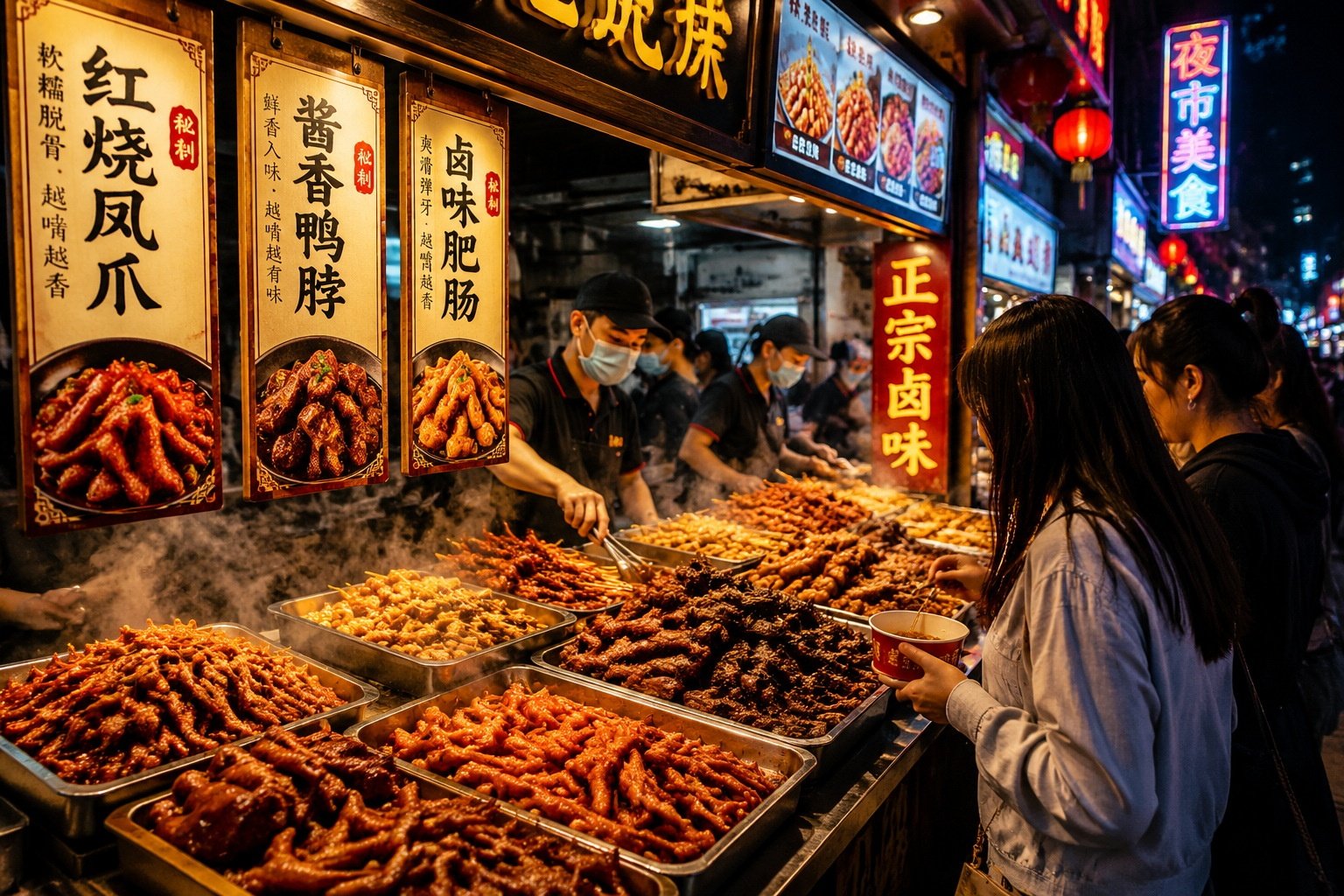
Imagine walking through a bustling night market in China. You see people gathered around a stall, joyfully picking at small bones. They are eating chicken feet, duck necks, and even pork intestines. To many Western visitors, this might seem strange or even unappealing. But in China, these parts are not just edible—they are delicacies. This article explores the cultural and historical reasons behind this edible frontier, and how it reflects a deeper philosophy about food and waste.
Historical Roots: From Scarcity to Creativity
China has a long history of food scarcity. For centuries, the majority of the population could not afford to waste any part of an animal. Every bit—from organs to bones—was used to maximize nutrition. This necessity bred creativity. Cooks learned to transform tough, gelatinous, or strong-smelling parts into delicious dishes through techniques like braising, stewing, and deep-frying. The result is a cuisine that values texture and depth of flavor over mere meatiness.
Comparison with Western Meat Culture
In many Western countries, especially the United States and parts of Europe, the preferred cuts are the muscle meats: breast, thigh, loin. Organs and extremities often end up as pet food or are discarded. This difference is not just about taste but also about economics and history. Western agriculture historically had more land and grain per capita, making it cheaper to raise animals for their prime cuts. China, with its dense population and limited resources, had to make do with everything.
Flavor and Texture: Why They Are Loved
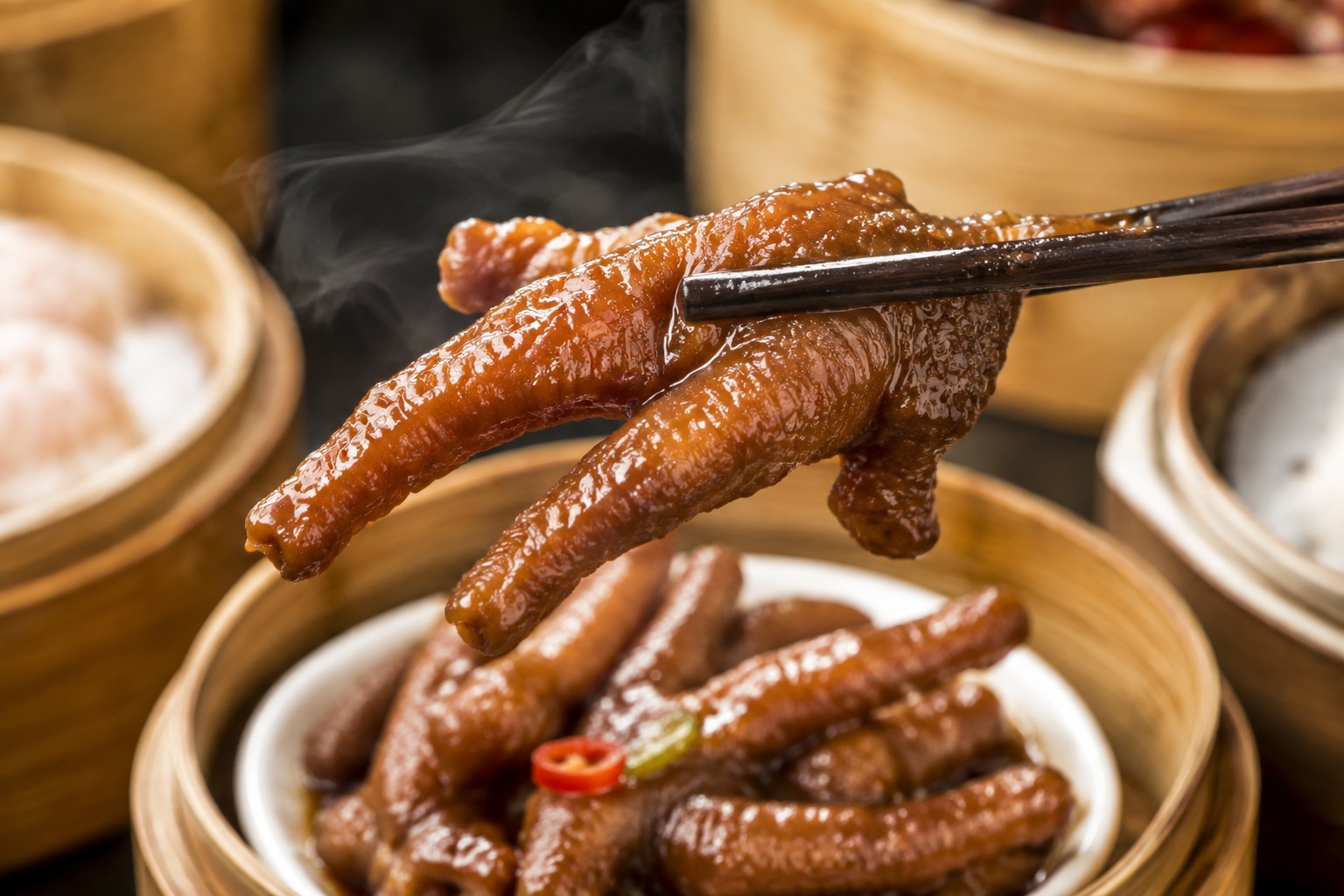
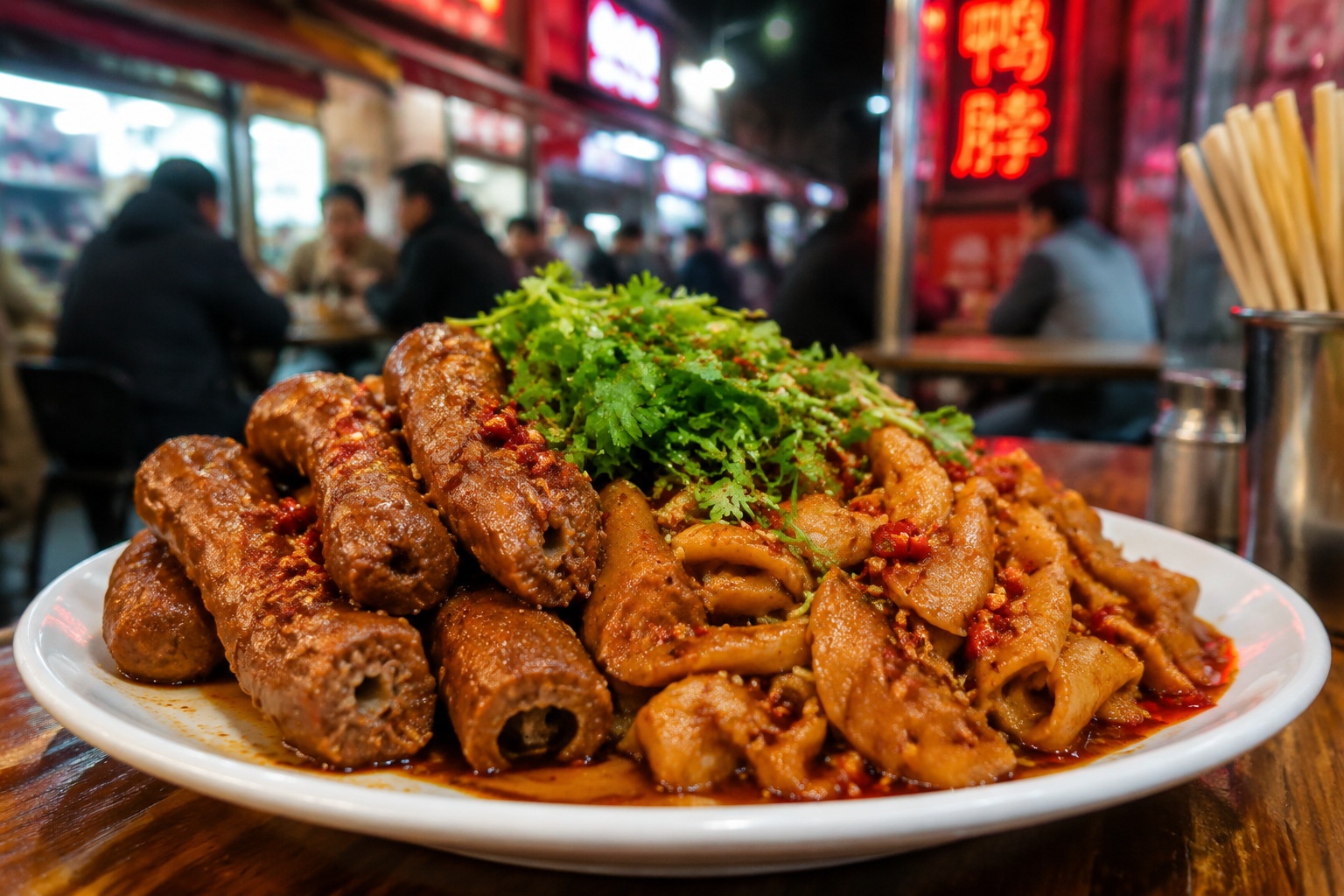
Chinese cuisine prizes a variety of textures: chewy, tender, slippery, and crunchy. Chicken feet, for example, are prized for their collagen-rich skin and tendons, which become soft and sticky after braising. Duck necks are loved for the intense flavor of the meat clinging to the bones, often seasoned with soy sauce, star anise, and chili. Pork intestines, when cleaned properly, have a unique chewiness that soaks up spicy broths or stir-fry sauces. These are not second-class foods; they are first-class snacks that stimulate the palate.
Popular Dishes and Street Food Culture
In China, chicken feet (often called ‘phoenix claws’) are a staple of dim sum and home cooking. Duck necks, marinated in a spicy numbing sauce (like in the famous ‘Wuhan duck neck’), are a popular street snack. Pork intestines appear in dishes like ‘dry pot intestines’ or in spicy noodle soups. Night markets across the country sell these items by the kilogram, and they are often more expensive than regular meat per unit weight, proving their true delicacy status.
Modern Relevance: Not Just Poverty Food
Today, even as China has grown wealthier, the love for these foods persists. It is no longer about necessity but about heritage and taste. Many young Chinese enjoy them as comfort food or social snacks, often shared over drinks. Moreover, there is a growing global trend toward nose-to-tail eating to reduce food waste. China’s tradition offers a powerful example of how to make the most of an animal, both sustainable and delicious.
Conclusion: A Different Edible Frontier
So why do Chinese people eat chicken feet, duck necks, and pork intestines? The answer lies in history, resourcefulness, and a adventurous palate. While Western cultures may focus on the prime cuts, Chinese cuisine celebrates the entire animal. Understanding this difference helps us appreciate that taste is not universal but culturally constructed. Next time you see a plate of phoenix claws, you might just be tempted to try them.
Start the discussion at forum.chinacomes.com