
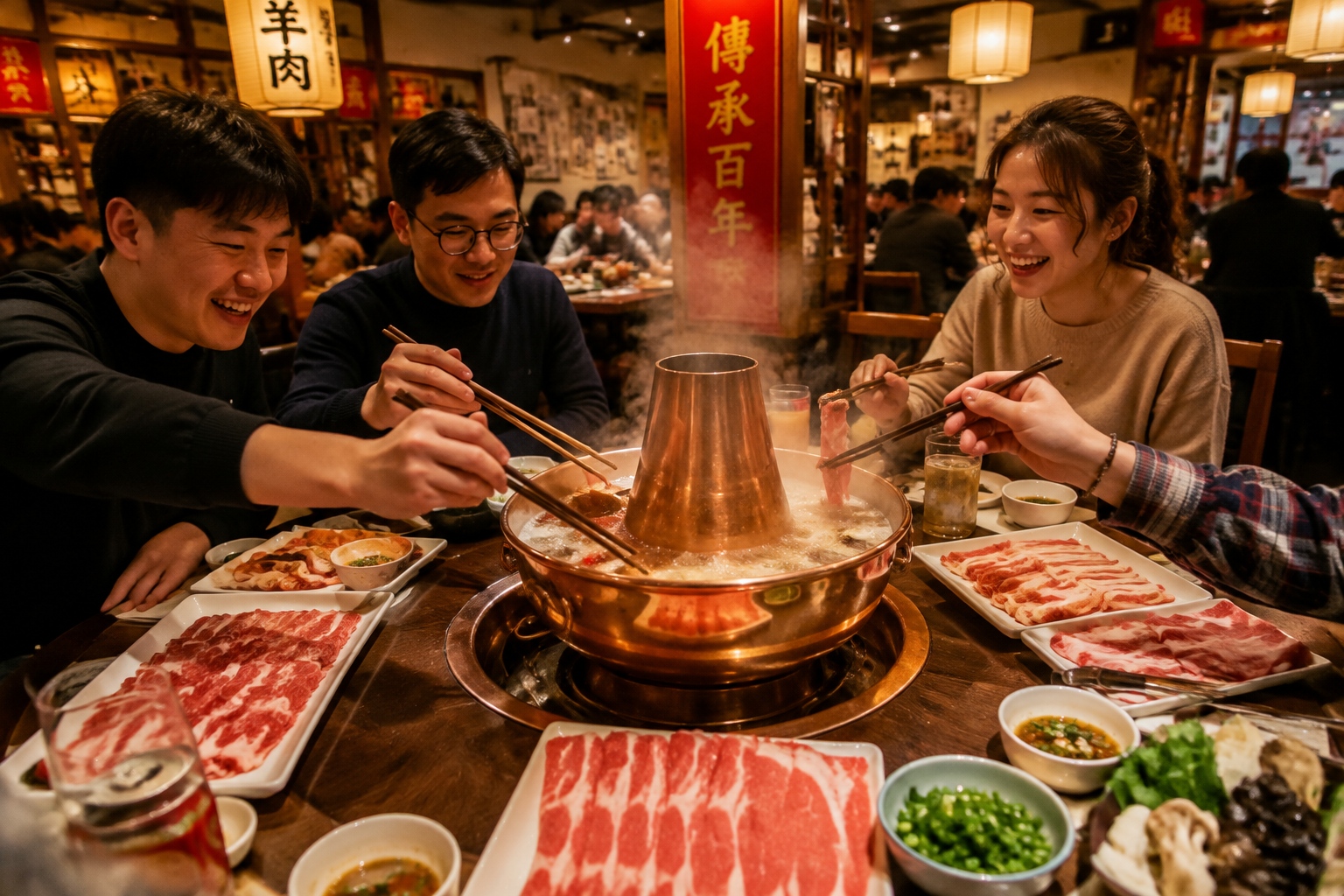

A Winter Night in a Hotpot Restaurant
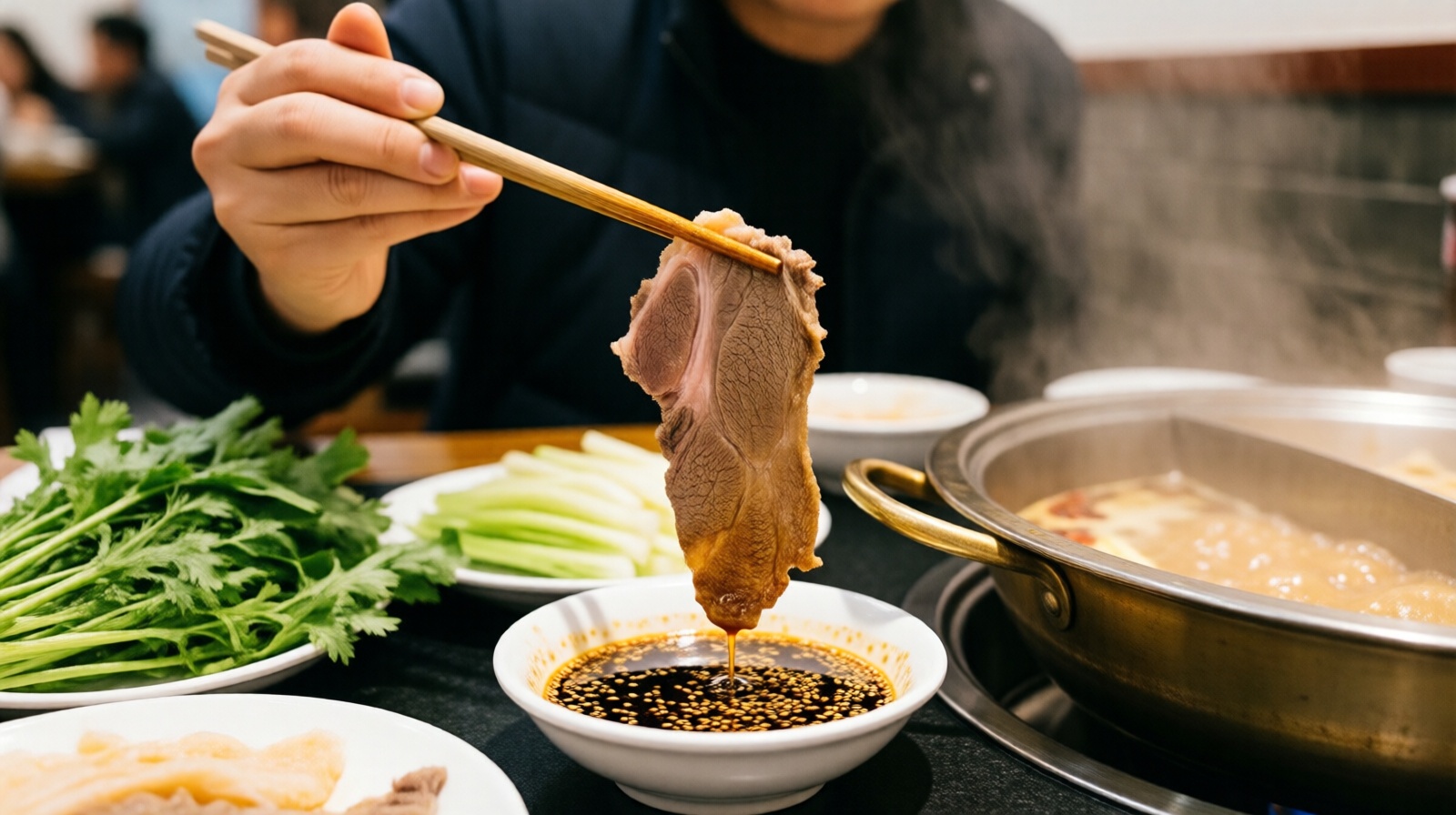
It’s a cold evening in Lanzhou, the capital of Gansu province. A hotpot restaurant is packed with groups of friends and families. On each table, a pot of clear broth bubbles gently. Plates of raw lamb slices, thin as paper and beautifully marbled, are carried out from the kitchen. Diners pick up a slice with chopsticks, swish it in the hot soup for a few seconds, then dip it in sesame sauce. The meat is tender, juicy, and almost sweet.
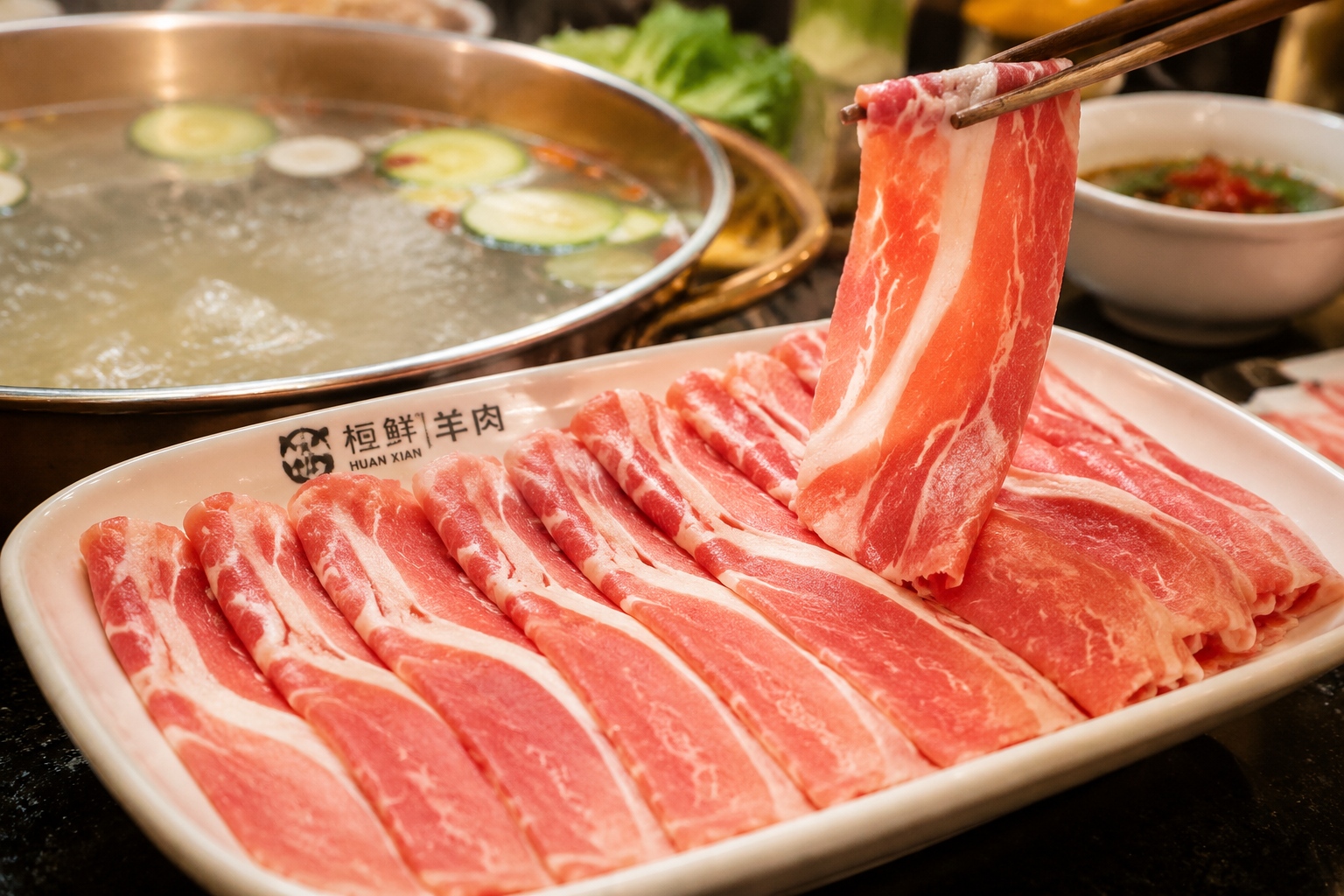
That lamb likely came from Huanxian, a small county in eastern Gansu. For many visitors, this is their first taste of China’s hotpot culture. But it’s also a lesson in how geography shapes food. Huanxian sits on the dry, rugged Loess Plateau. It’s not an obvious place for gourmet food. Yet those harsh conditions are exactly why its lamb is so special.
Where Is Huanxian and Why Does It Matter?
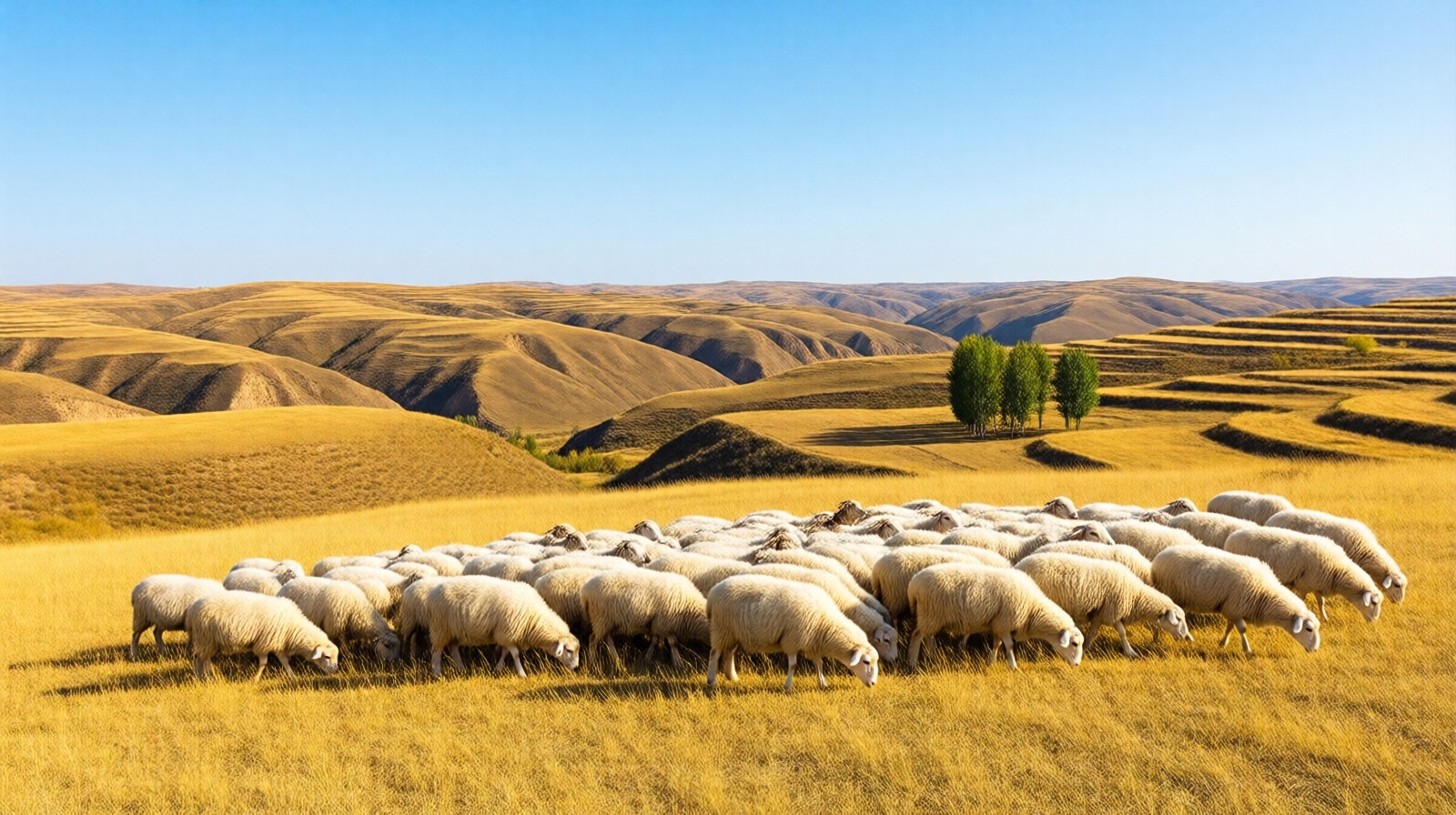
Huanxian is a county under Qingyang city in Gansu, about 300 kilometers from Xi’an. It lies on the Loess Plateau at a high elevation, with intense sunlight and sharp temperature swings between day and night. The landscape is covered with vast stretches of grassland and scrub, where local sheep roam freely.
Farmers here still follow traditional herding practices. The sheep graze on wild grasses, herbs, and shrubs—no crowded feedlots, no artificial additives. This natural diet gives the meat a clean, concentrated taste. Over time, the region has become known for producing some of China’s best lamb.
The sheep are also the right age. Huanxian lamb, called gao yang in Chinese, refers to young lambs, usually around six months old. At that age, the meat is naturally tender, with a fine muscle structure and less collagen than older sheep. That’s why it responds so well to quick cooking in hotpot.
What Makes Huanxian Lamb So Good for Hotpot?
Hotpot is all about thin slices and rapid cooking. Huanxian lamb is perfect for this style because it doesn’t need hours of simmering. A slice is cut so thin it’s almost translucent, and it cooks in seconds. When you drop it into the broth, the color changes from pink to light brown almost immediately. Pick it out at the right moment, and it’s silky and luscious.
Young Lamb, Tender Meat
The first advantage is age. Young lamb has naturally soft muscle fibers. There’s less connective tissue, so the moment you bite into it, it feels smooth. You don’t need knife skills or heavy chewing. This is why hotpot restaurants prefer Huanxian lamb.
Evenly Distributed Fat
The second advantage is fat. Huanxian lamb has an excellent amount of intramuscular fat, visible as white streaks running through the red meat. This fat melts at a low temperature, adding richness to the broth and coating your mouth with a savory, aromatic sensation. It gives the meat a “melt-in-the-mouth” quality that’s hard to find elsewhere.
A Clean, Mild Flavor
The third advantage is flavor. Many people hesitate to eat lamb because of the strong gamey taste common in some varieties. Huanxian lamb is known for being remarkably mild. The herbs and wild plants the sheep eat naturally reduce the compounds that cause unpleasant smells. As locals like to say, “Our mutton doesn’t need heavy seasoning.” A clear broth is enough.
How Locals Eat It
In Huanxian, sheep have been part of life for centuries. In winter, many families raise a few sheep for special occasions. Traditional dishes include hand-grabbed lamb, where the meat is boiled simply and eaten with hands, and hearty lamb stews. But hotpot has become a favorite way to enjoy the meat’s purity.
The local approach is to use a simple broth—just water, ginger slices, and scallions. No heavy spices. The idea is to let the lamb’s natural flavor shine. Eating it this way has a direct, honest quality, a reflection of the people and the land.
From Huanxian to Hotpot Tables Nationwide
How did a small county in Gansu become famous across China? The short answer is infrastructure and trust. In the past decade, China’s highway network and cold-chain logistics have improved dramatically. Fresh lamb can now be shipped from Huanxian to cities like Beijing, Shanghai, or Chengdu within a day.
Many producers sell directly to restaurants and even to consumers online. Some brands use QR codes on their packaging so customers can trace the meat back to a specific farm. This transparency has built confidence. Once people try Huanxian lamb and find it consistently good, they keep coming back.
In hotpot restaurants across China, you’ll often see menus highlighting “Huanxian lamb” as a premium item. It’s a sign that consumers care about origin and quality. And it’s a small example of how a local product can gain national fame through word of mouth.
A Simple Pleasure That Speaks for Itself
Ultimately, Huanxian lamb’s popularity isn’t just marketing. It’s a product that genuinely works well in hotpot. The tender texture, balanced fat, and clean flavor all combine to make a satisfying meal. Whether you’re a first-time visitor or a seasoned food lover, a plate of Huanxian lamb is a taste of China’s geography.
Next time you enjoy hotpot, look for those thin slices of lamb. Remember the dry hills of Huanxian, where sheep graze under a wide sky. That simple scene is behind every delicious bite.
Start the discussion at forum.chinacomes.com