
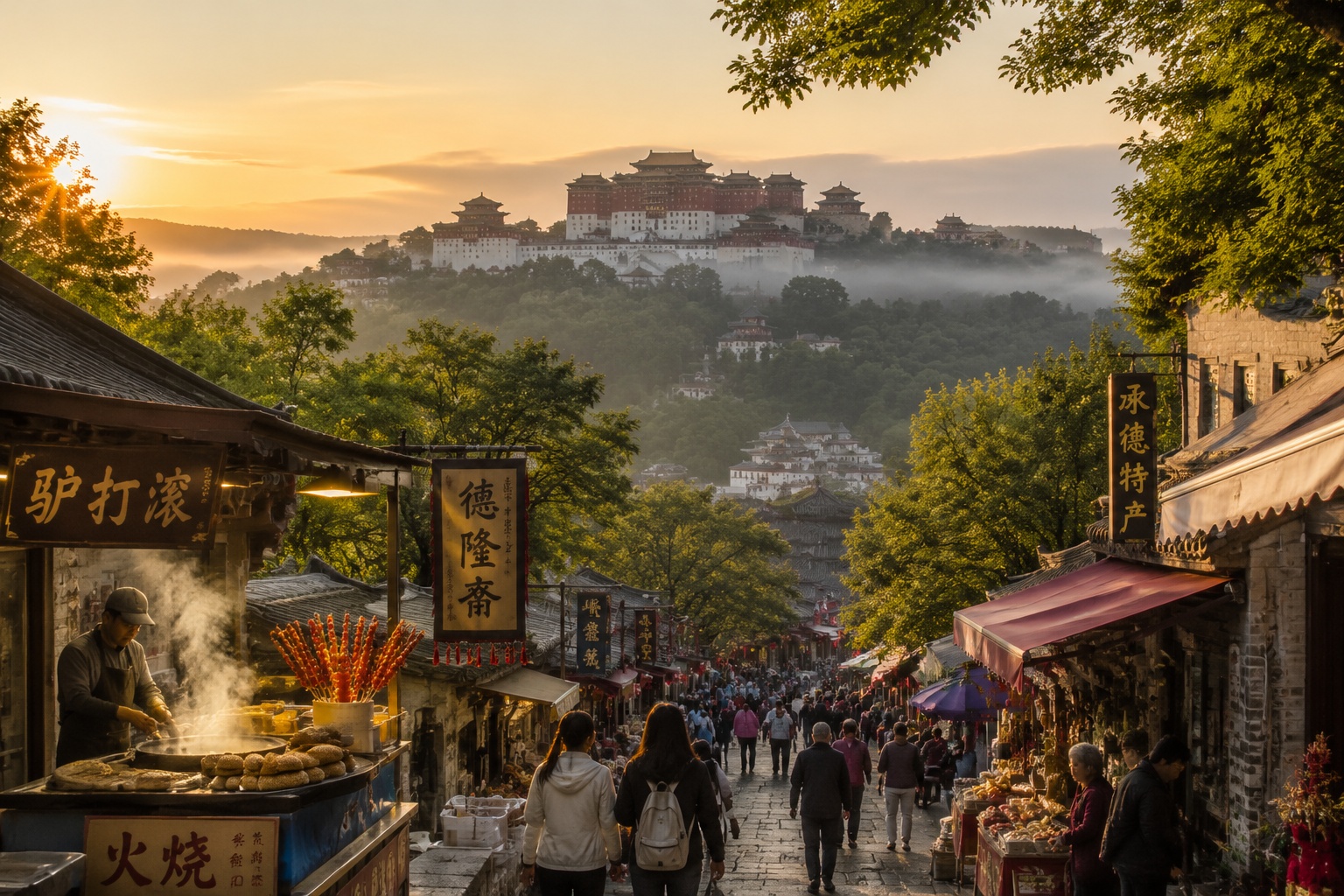

A Morning Smell of Sesame and Charcoal
The first thing I noticed at Chengde Mountain Resort wasn’t the view of the hills or the distant pagodas. It was the scent of sesame cakes baking in a tiny shop just outside the East Palace Gate. An elderly woman was pulling hot, circular flatbreads from a charcoal oven, brushing each one with oil and sprinkling white sesame seeds. A line of locals and tourists waited patiently.
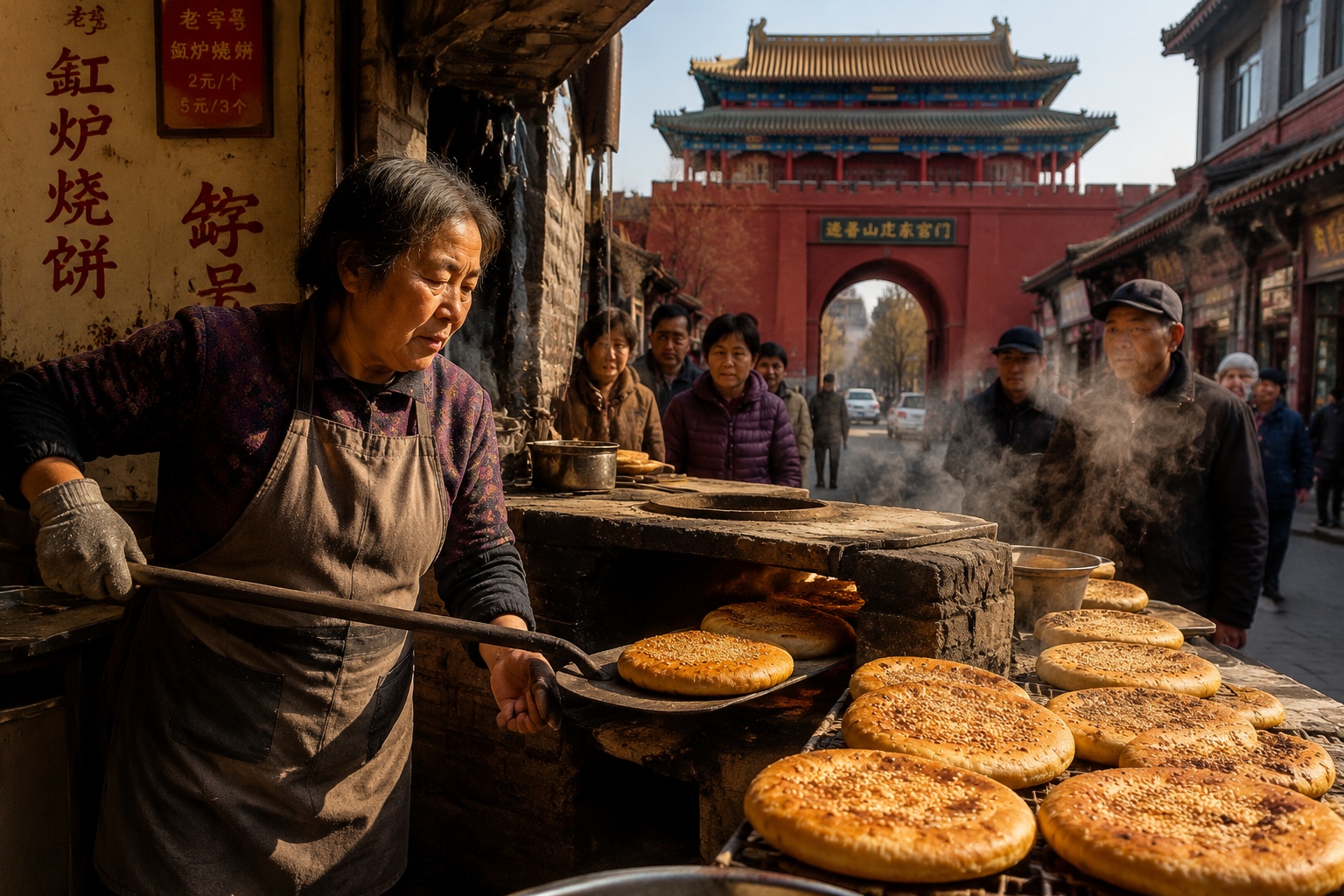
That moment set the tone for my visit. The resort, a UNESCO World Heritage site and once the summer retreat of Qing dynasty emperors, is undeniably majestic. But its outer edges are alive in a different way, with everyday entrepreneurs who have built thriving businesses around one of China’s most famous landmarks.
More Than a Museum Piece
Chengde was chosen by the Kangxi Emperor as a hunting ground and later expanded by his grandson Qianlong into a sprawling complex of palaces, lakes, grasslands, and temples. For years, it existed as a symbol of imperial power. Today, it’s a city of about 3.5 million people, and the resort is its beating heart.
But locals don’t just sell tickets and bottled water. They have turned the surrounding streets into a living, breathing commercial ecosystem that blends history with the present.
The Bakeries That Keep the Qing Spirit Alive
Take the sesame cake stall I encountered. It’s part of a cluster of street-food vendors that gather near the resort’s main gates every morning. Alongside them, you’ll find vendors selling lüdagun—a sweet roll made from glutinous rice, red bean paste, and soybean flour. It’s a dessert that dates back to the Qing dynasty, and Chengde claims it as its own.
One small shop, Wang’s Imperial Pastry, is run by a third-generation baker. The current owner, Wang Jianjun, told me that his great-grandfather served pastries to the imperial court. “The recipes haven’t changed,” he said, pointing to a tray of golden pastries shaped like peonies. “Only the customers have.”
These shops do more than satisfy hunger. They turn history into something you can taste.
Courtyards Turned Guesthouses
A ten-minute walk from the resort’s Dehui Gate, I found a cluster of rickety hutongs—narrow lanes lined with courtyard homes. Many have been transformed into guesthouses, or minsu, in recent years.
One of them, Qingfeng Courtyard, is run by Zhang Rui, a woman in her early 40s who grew up in Chengde. She worked in Beijing for a decade before returning home to renovate her grandmother’s old courtyard into a five-room guesthouse.
“Tourists want to feel the Qing atmosphere,” she said, pointing to the wooden beams and hand-painted scrolls on the walls. “But they also want Wi-Fi and hot showers.” Her guesthouse now earns a steady income, and she hires two neighbors to help with cleaning and cooking.
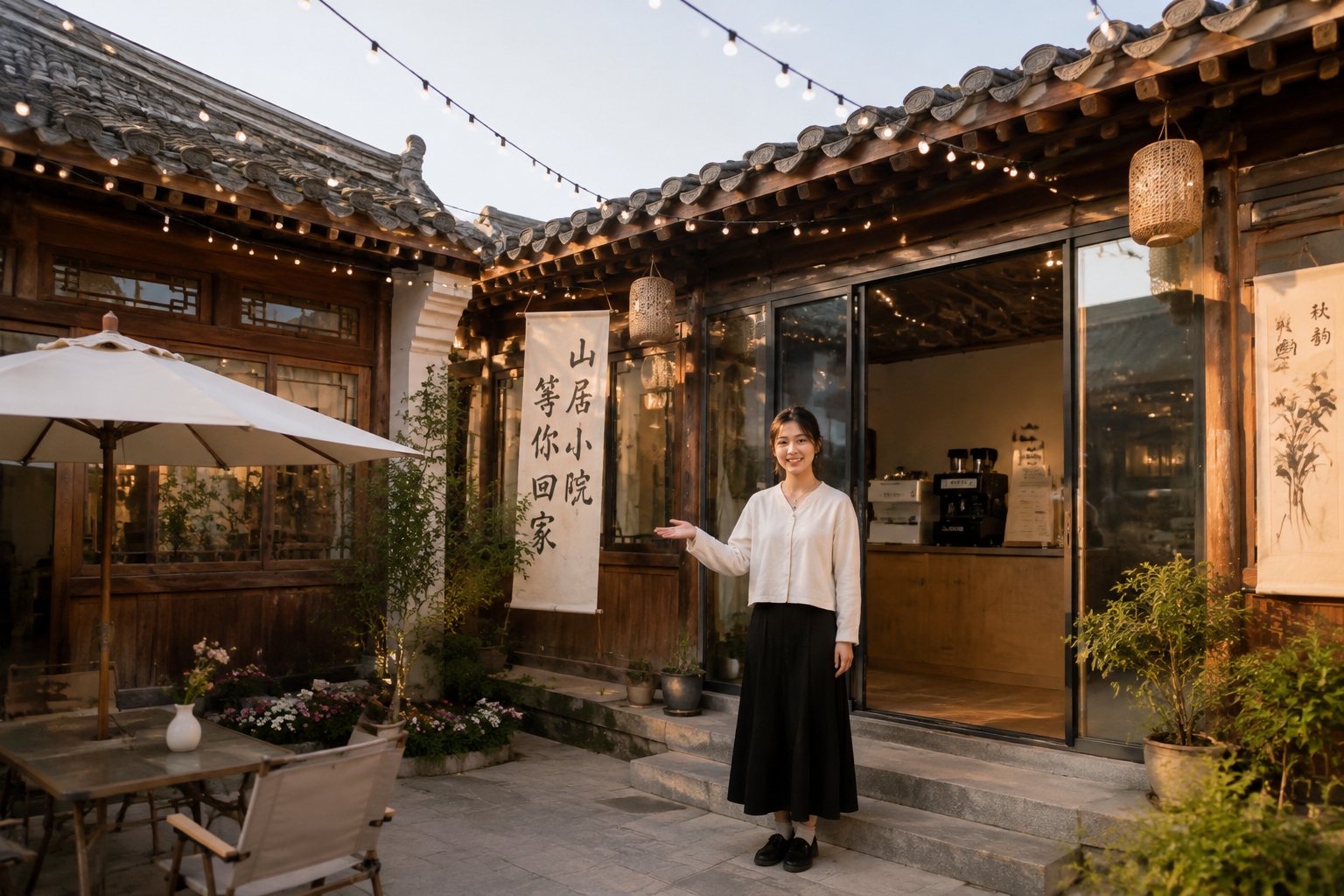
The guesthouse boom isn’t limited to standalone houses. Many residents have also turned their ground floors into simple coffee shops or tea houses. It’s common to see a sign that reads “Imperial Tea Ceremony” above a door that once led to a bicycle storage room.
The Night Market Everyone Talks About
When the sun sets, the resort’s North Gate area transforms. A night market takes over a pedestrian street that fills with the sizzle of lamb skewers, the clatter of mahjong tiles, and the chatter of families sharing bowls of glowing-red sour soup.
Here, local vendors sell hand-carved walnut crafts, miniature replicas of the resort’s pagodas, and medicinal herb sachets. One vendor, a retired factory worker named Liu, told me he earns enough during the summer months to support his family for the rest of the year.
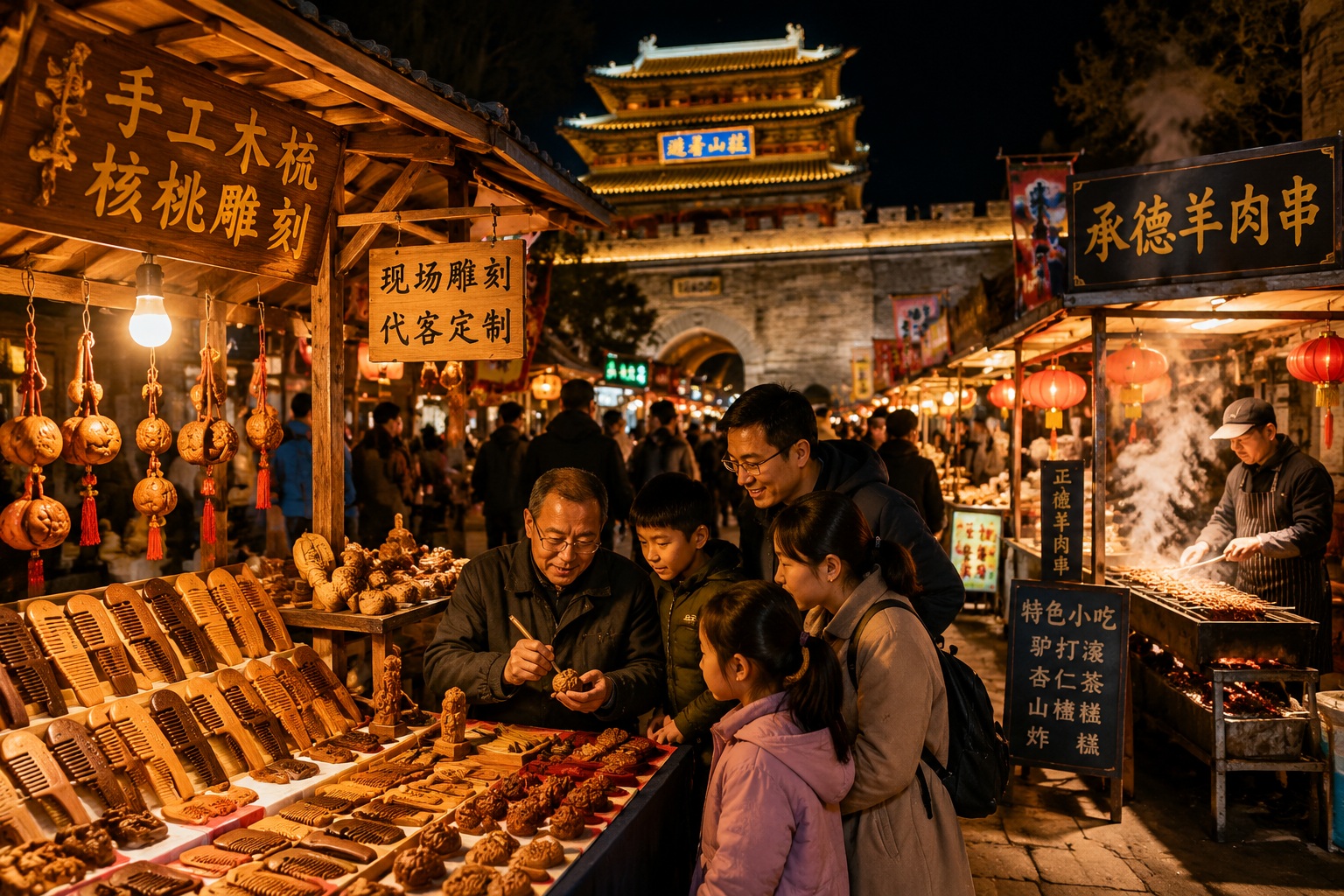
“The resort brings us customers,” he says, while polishing a wooden comb. “But we’re the ones who make them feel welcome.”
Expensive Tickets, Empty Wallets?
Not everything is smooth. The resort’s entrance fee, around 130 yuan (about $18) for the main area, is considered steep for many local visitors. This has encouraged a trend of “perimeter tourism”—people who come to Chengde, wander the free streets around the resort, sample food, and shop, but never actually enter the historical site.
Some shop owners told me this is actually good for business, because it means more foot traffic outside the walls. “If everyone just went inside and stayed there all day, we’d be out of a job,” one bakery owner joked.
This has led to a more creative approach: many local businesses now offer “Qing culture experiences”—calligraphy lessons, traditional costume rental, and even mock imperial banquets—so that visitors can feel connected to the site without spending on the entry ticket.
What the Future Holds
The area around the resort is changing rapidly. New coffee shops, art galleries, and craft beer bars have opened in the past two years, catering to a younger crowd. Some old courtyard homes are being renovated into boutique hotels, and online reviews are full of photos of rooftop terraces overlooking the resort’s tree line.
Yet, amid the change, the older businesses remain resilient. The sesame cake stall is still there every morning. Wang is still baking pastries from his great-grandfather’s recipes. Zhang Rui is still welcoming guests to her courtyard.
For these entrepreneurs, the resort is not a museum—it’s a stage. They are the ones who keep the story going, long after the emperors have gone.
The Real Chengde Is on the Streets
As I left Chengde, I realized that my most vivid memories weren’t of the imperial halls or the classic gardens. They were of the conversations: the sesame cake lady’s smile when I tried to pay with my phone; the guesthouse owner who insisted I try her homemade pickles; the night market vendor who taught me how to eat a lamb skewer without burning my lips.
Chengde Mountain Resort is a bridge to China’s past, but the businesses around it are a bridge to its present. They show that heritage—when paired with hard work and a bit of creativity—can sustain a community.
If you visit, don’t just go inside. Walk around. Eat something from a street cart. Say hello to the shopkeepers. That’s where the real life is.
Start the discussion at forum.chinacomes.com